The Silent Powerhouse Mineral: Why We Are All Falling Short
As a nutrition editor, I spend a significant portion of my day reviewing clinical trials and dietary surveys. One of the most persistent, yet overlooked, patterns I see is the "magnesium gap." While we often obsess over protein ratios or calorie counts, we tend to ignore the very spark plug that keeps our cellular machinery running. Magnesium is an essential mineral responsible for over 300 enzymatic reactions in the human body, including protein synthesis, muscle and nerve function, blood glucose control, and blood pressure regulation.
Despite its critical importance, current data suggests that nearly 50% of adults in the United States and other developed nations are falling short of their daily requirements. This "silent deficiency" isn't just a number on a lab report; it manifests in our daily lives as chronic fatigue, restless nights, and unexplained muscle tension. Our modern diet—heavy on refined grains and light on mineral-rich volcanic soil produce—has made it increasingly difficult to meet the Recommended Dietary Allowance (RDA), which typically ranges from 310 mg to 420 mg for most adults.
Why Your Body Craves Magnesium: Sleep, Energy, and Beyond
Before we dive into the grocery list, it is vital to understand the "functional hook"—why you should care about this mineral today. Magnesium is the body’s natural "chill pill." It plays a pivotal role in sleep regulation by maintaining healthy levels of GABA, a neurotransmitter that promotes relaxation and sleep. Furthermore, it regulates melatonin, the hormone that guides your sleep-wake cycles. If you find yourself tossing and turning or waking up feeling unrefreshed, your magnesium levels might be the culprit.
Beyond sleep, magnesium is the foundational element of energy production. It is required for the synthesis of Adenosine Triphosphate (ATP), the primary energy currency of our cells. Without adequate magnesium, your cells simply cannot produce the energy required for you to power through a workout or a demanding workday.
What are the best natural sources of magnesium? The most potent natural sources include pumpkin seeds, cooked spinach, dark chocolate, chia seeds, and avocados. These foods don't just provide magnesium; they offer a synergistic blend of fiber, healthy fats, and antioxidants that help regulate blood sugar and support nerve function. By focusing on whole, unprocessed foods, you can easily bridge the deficiency gap and reclaim your vitality.
The Top 10 Natural Sources of Magnesium
To help you navigate your next trip to the market, I have categorized the densest sources of magnesium. The following table provides a quick reference for the magnesium content and the approximate percentage of your Daily Value (% DV) based on a standard 400 mg requirement.
| Food Source | Serving Size | Magnesium Content (mg) | % of Daily Value (approx.) |
|---|---|---|---|
| Pumpkin Seeds | 1 ounce (28g) | 156 mg | 37% |
| Spinach (Cooked) | 1 cup | 157 mg | 39% |
| Swiss Chard | 1 cup (cooked) | 150 mg | 36% |
| Chia Seeds | 1 ounce (28g) | 111 mg | 26% |
| Dark Chocolate | 1 ounce (70%+) | 64 mg | 15% |
| Almonds | 1 ounce (28g) | 80 mg | 20% |
| Cashews | 1 ounce (28g) | 74 mg | 18% |
| Black Beans | 1/2 cup (cooked) | 60 mg | 15% |
| Quinoa | 1/2 cup (cooked) | 60 mg | 15% |
| Avocado | 1 medium fruit | 58 mg | 14% |
1. Pumpkin Seeds (Pepitas)
Pumpkin seeds are the undisputed heavyweight champion of the magnesium world. Just one ounce of these small but mighty seeds delivers a staggering 156 mg of magnesium. They are also an excellent source of zinc and omega-3 fatty acids.
- How to eat them: Keep a jar of roasted pepitas on your counter. Sprinkle them over salads, blend them into pesto, or simply enjoy a handful as a high-protein afternoon snack.
2. Spinach (Cooked)
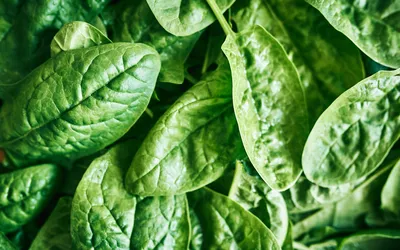
While raw spinach is healthy, the "volume factor" makes cooked spinach the superior choice for magnesium. Is spinach a good source of magnesium? Absolutely. One cup of cooked spinach delivers 157 mg of magnesium per cup, fulfilling nearly 40% of the daily requirement for most adults. Cooking the greens reduces the volume and breaks down some of the oxalates that can interfere with mineral absorption.
3. Swiss Chard
Often overshadowed by kale, Swiss chard is actually a superior mineral source. Swiss chard provides a significant 150 mg of magnesium per cooked cup, making it one of the densest plant-based mineral sources available. It also provides a hefty dose of Vitamin K and Vitamin A.
- Pro-Tip: Sauté Swiss chard with a bit of garlic and olive oil to make the fat-soluble vitamins more bioavailable.
4. Chia Seeds
These tiny seeds are nutritional powerhouses. Beyond their famous fiber content, they provide 111 mg of magnesium per ounce. They are unique because they form a gel-like consistency when soaked, which can help with hydration and digestive regularity.

5. Dark Chocolate (70% Cocoa or Higher)
Yes, your favorite treat is an evidence-based health food. One ounce of high-quality dark chocolate provides roughly 64 mg of magnesium. It is also loaded with flavanols, which help lower blood pressure and improve blood flow to the heart and brain.
- The Rule: Stick to 70% cocoa or higher to maximize the minerals and minimize the added sugar.
6. Almonds
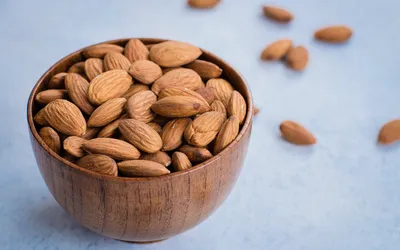
Almonds are a dietary staple for a reason. At 80 mg per ounce, they are a fantastic way to support your daily intake. They also provide Vitamin E, an antioxidant that protects your cells from oxidative stress.
7. Black Beans
Legumes are a cornerstone of a magnesium-rich diet. Half a cup of cooked black beans provides about 60 mg. They are also rich in "resistant starch," which feeds your beneficial gut bacteria.
- Emily's Strategy: If you use canned beans, rinse them thoroughly to reduce sodium and certain anti-nutrients that can inhibit mineral absorption.
8. Quinoa
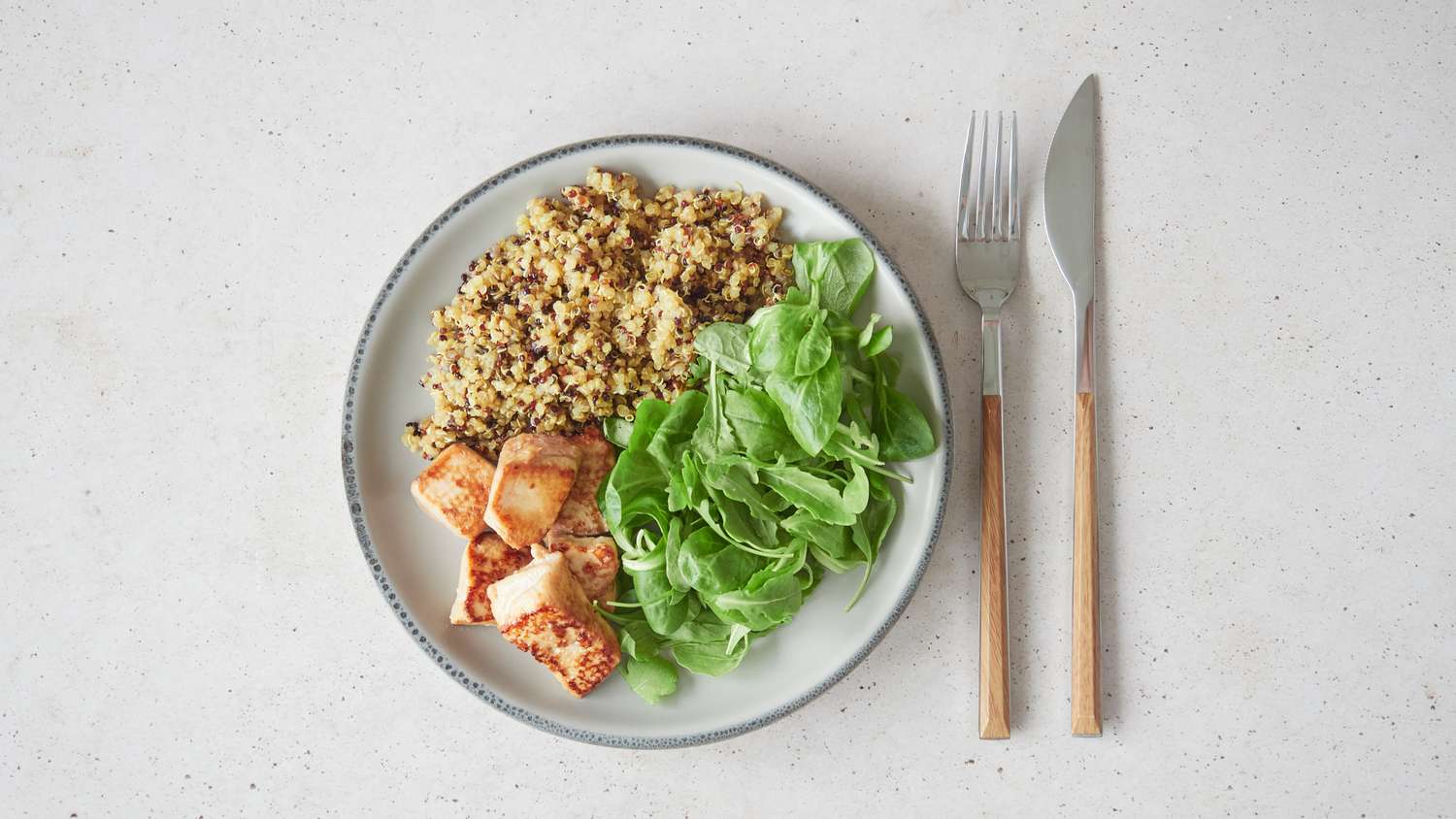
If you are still eating white rice, it's time for a "nutritional swap." Quinoa is a pseudo-cereal that contains 60 mg of magnesium per half-cup. Unlike white rice, which loses most of its minerals during processing, quinoa is a whole grain that retains its nutrient density.
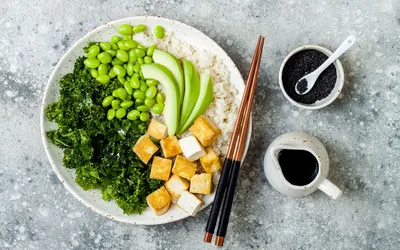
9. Avocado
The avocado is a rarity in the fruit kingdom, providing 58 mg of magnesium alongside healthy monounsaturated fats. This combination is particularly beneficial because the fats in the avocado help the body absorb other fat-soluble nutrients found in your meal, such as Vitamins A, D, E, and K.
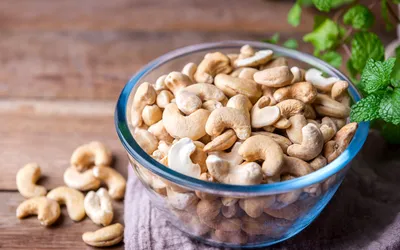
10. Cashews
Rounding out our top ten are cashews, providing 74 mg per ounce. They are slightly lower in fat than some other nuts but offer a creamy texture that makes them incredibly versatile in the kitchen.
Maximizing Your Intake: Absorption Hacks
Eating magnesium-rich foods is only half the battle; you must also ensure your body can actually use the mineral. How can I maximize magnesium absorption? You can enhance absorption by pairing magnesium-rich foods with Vitamin D and B6 sources, while avoiding excessive zinc or calcium intake during the same meal.
Pro-Tip: The "Whole Grain" Rule When grains are processed into white flour or white rice, up to 80% of the natural magnesium is stripped away. Always opt for "whole" versions (like quinoa, buckwheat, or brown rice) to ensure you are getting the full mineral profile.
The Synergistic Pairs
- Vitamin D: Low Vitamin D levels can hinder the absorption of magnesium. Ensure you are getting adequate sunlight or eating fatty fish like salmon.
- Vitamin B6: Studies suggest that Vitamin B6 helps pull magnesium into the cells where it is needed most. Try pairing your spinach with poultry or chickpeas.
The Magnesium Blockers
While we need calcium and zinc, taking high-dose supplements of these minerals alongside your magnesium-rich meal can create competition for absorption. Additionally, phytic acid found in raw grains and legumes can bind to magnesium. You can mitigate this by soaking your beans and seeds or choosing sprouted varieties.
Recognizing the Red Flags: Signs of Deficiency
Because magnesium is involved in so many processes, the symptoms of "subclinical deficiency" can be vague. Early warning signs often include:
- Muscle Cramps & Twitches: Often felt in the calves or eyelids.
- Persistent Fatigue: Feeling tired even after a full night's sleep.
- Headaches and Migraines: Magnesium helps regulate neurotransmitters that affect blood vessel constriction.
In more advanced cases, deficiency can lead to an irregular heartbeat (arrhythmia), personality changes, and numbness or tingling in the extremities. If you recognize these signs, it is time to prioritize the foods listed above and perhaps consult with a healthcare professional about testing your serum or RBC magnesium levels.
Practical Meal Planning: A Day of Magnesium-Rich Eating
You don't need a complex diet plan to hit your magnesium goals. Here is what a typical, magnesium-optimized day looks like in my kitchen:
- Breakfast: A bowl of Greek yogurt topped with chia seeds, pumpkin seeds, and a few raspberries. This provides an immediate 200mg+ boost before your workday even starts.
- Lunch: A large bowl of quinoa mixed with black beans, diced avocado, and a squeeze of lime.
- Snack: A handful of dry-roasted almonds and one square of 70% dark chocolate.
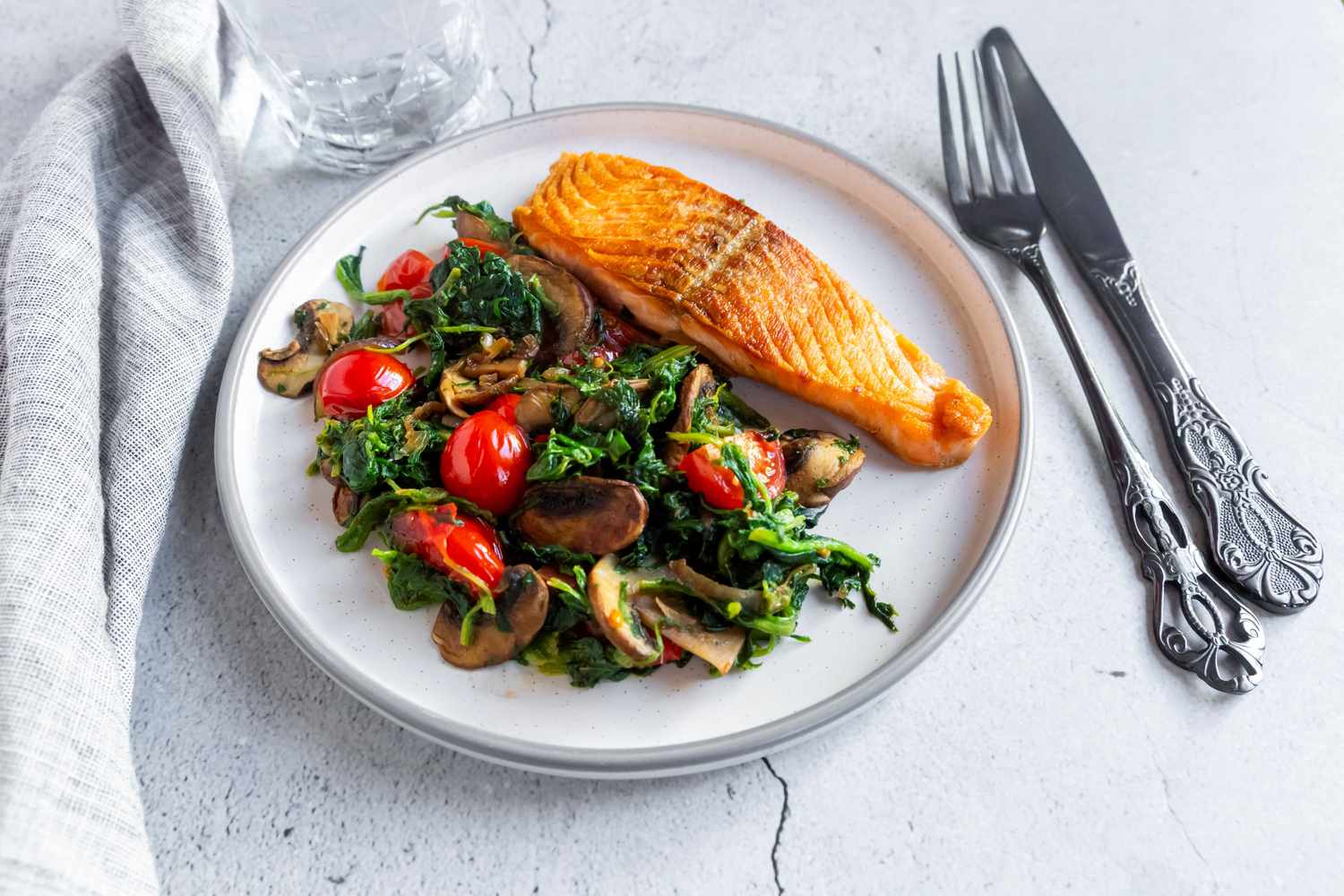
- Dinner: Grilled salmon served over a generous bed of sautéed spinach or Swiss chard.
By making these simple swaps—like choosing quinoa over white rice or pumpkin seeds over croutons—you can easily exceed the RDA without ever feeling like you are on a "diet."
FAQ
Q: Can I get enough magnesium from a multivitamin? A: Most multivitamins only contain 10-25% of the RDA for magnesium because the mineral is "bulky" and would make the pill too large to swallow. It is always best to prioritize food sources, as they contain co-factors that improve absorption.
Q: Does coffee deplete magnesium? A: Caffeine has a mild diuretic effect, which can increase the excretion of minerals including magnesium. If you are a heavy coffee drinker, it is even more important to focus on magnesium-rich snacks like almonds or pumpkin seeds.
Q: Should I take a supplement if I eat these foods? A: For most healthy individuals, these top 10 foods are sufficient. However, if you have certain digestive conditions (like Celiac or Crohn's) or take specific medications (like PPIs), a supplement like magnesium glycinate might be beneficial. Always consult your doctor before starting a new supplement regimen.
Conclusion: Take the First Step Toward Better Health
Improving your magnesium intake is one of the most effective, science-backed strategies for enhancing your sleep quality and daily energy levels. By incorporating these ten powerhouse foods—from the leafy greens like spinach to the nutrient-dense pumpkin seeds—you aren't just eating; you are providing your body with the biological tools it needs to thrive.
Start small: pick two foods from this list to add to your grocery cart this week. Your nervous system, your heart, and your future well-rested self will thank you.