If you’re reading this, you’ve likely felt that quiet, persistent longing—the one that begins with a dream and eventually leads to a path of temperature charts, ovulation strips, and a newfound scrutiny of everything on your dinner plate. You are not alone in this journey. In fact, clinical data suggests that fertility rates have declined significantly over the past few decades, affecting approximately 50 million couples worldwide.
The path to conception is often described as a marathon, but I prefer to think of it as "tending the garden." Before a seed can sprout, the soil must be nutrient-dense, the environment stable, and the timing precise. In the world of reproductive health, we often talk about the "90-day window." This is the three-month period during which an egg matures before ovulation and sperm are produced. What you eat and how you live today creates the biological blueprint for your pregnancy three months from now. By focusing on high-quality nutrition—rich in unsaturated fats, plant-based proteins, and essential minerals—and making specific lifestyle adjustments, you can significantly influence your reproductive outcomes.
I. The Power of Preconception Planning
When we think about fertility, we often focus on the moment of conception. However, the most profound changes happen in the months leading up to that positive test. The goal of preconception planning isn't just about "getting pregnant"; it’s about optimizing the quality of the "seed" (egg and sperm) and the "soil" (the uterine environment).
Research consistently shows that while genetics play a role, our environment and lifestyle choices act as the switches that can turn certain reproductive functions on or off. Whether you are just starting your journey or have been navigating the complexities of assisted reproduction, focusing on these 16 evidence-based foods and habits can provide a sense of agency and empowerment over your body.
II. Part 1: The Fertility Plate—8 Essential Foods and Nutrients
Diet is one of the most powerful tools in your fertility toolkit. It isn't about restriction or "dieting" in the traditional sense; it’s about abundance and choosing the specific building blocks your hormones need to thrive.
1. The Mediterranean Advantage
The "Fertility Diet" is largely modeled after the Mediterranean way of eating. This means prioritizing unsaturated fats, such as those found in avocados and extra-virgin olive oil, over trans fats and saturated fats. These healthy fats help reduce internal inflammation, which is a known disruptor of ovulation.
Research Insight: Clinical research suggests that adopting a Mediterranean-style fertility diet can increase the probability of clinical pregnancy by up to 40% in couples undergoing assisted reproduction.
2. Full-Fat Dairy
While we often hear that low-fat is better for general health, the opposite appears true for female fertility. Research from the Harvard School of Public Health found that women who ate at least one serving of full-fat dairy a day (like whole milk or full-fat Greek yogurt) had a significantly lower risk of ovulatory infertility compared to those who chose skim or low-fat options. It is believed that the fat-soluble vitamins and hormones present in the cream are essential for regular ovulation.
3. Complex Carbohydrates
Insulin levels have a direct impact on reproductive hormones. When we consume refined sugars and white flour, our insulin spikes, which can interfere with the delicate balance of estrogen and progesterone. Swapping refined grains for complex carbohydrates like quinoa, oats, and brown rice ensures a slow, steady release of energy and keeps insulin—and your cycle—stable.
4. Plant-Based Proteins
While lean meats are fine in moderation, replacing one serving of meat per day with plant-based protein (like beans, lentils, or tofu) can significantly boost fertility. Beans and lentils are not only high in protein but are also excellent sources of fiber and folate, both of which are critical for reproductive health.
5. Iron-Rich Superfoods
Iron deficiency is common among women of childbearing age, and "low iron stores" can be a hidden cause of ovulatory failure. Incorporating non-heme iron from spinach, kale, and fortified cereals—ideally paired with a Vitamin C source like lemon juice to aid absorption—is a vital step in preparing your body for the demands of pregnancy.
6. Folic Acid Powerhouses
Folic acid is perhaps the most famous pregnancy nutrient, but its work begins long before a baby is a reality. It is essential for DNA synthesis and helps prevent neural tube defects. Aim for a diet rich in citrus fruits, dark leafy greens, and legumes to ensure your folate levels are optimal from day one.
7. Antioxidant Berries
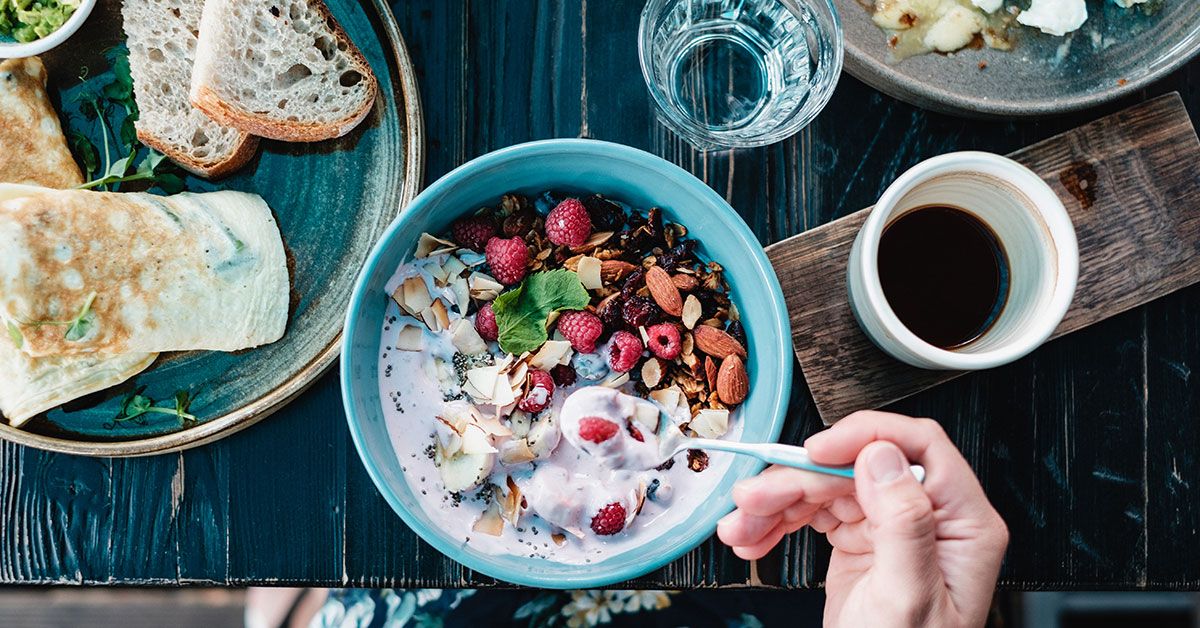
Oxidative stress is the enemy of egg and sperm quality. Blueberries, raspberries, and strawberries are packed with antioxidants like Vitamin C and flavonoids, which act as a shield, protecting your reproductive cells from cellular damage.
8. Healthy Fats & Omega-3s
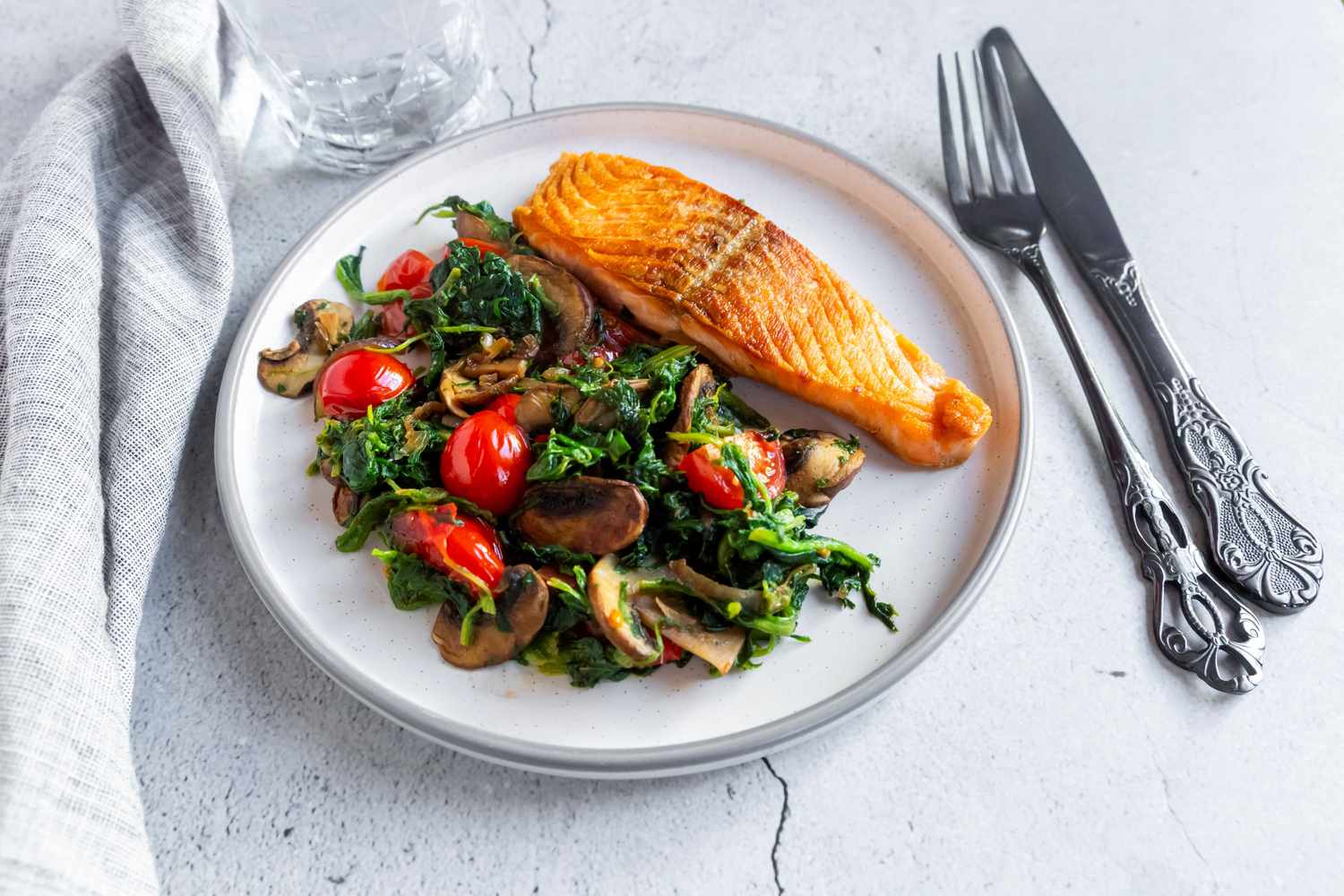
Wild-caught salmon and walnuts are fertility "superstars" because of their high Omega-3 fatty acid content. These essential fats help regulate hormones, increase blood flow to the reproductive organs, and have been shown to improve the quality of the cervical mucus necessary for sperm transport.
| Swap This | For That | Why it Matters |
|---|---|---|
| White Bread/Pasta | Quinoa or Farro | Prevents insulin spikes that disrupt ovulation. |
| Margarine/Trans Fats | Avocado or Olive Oil | Reduces inflammation and supports hormone production. |
| Skim Milk | Whole Milk or Full-Fat Yogurt | Maintains the fat-soluble vitamins needed for reproductive health. |
| Sugary Sodas | Seltzer with Fresh Berries | High sugar intake is linked to lower egg and sperm quality. |
III. Part 2: 8 Lifestyle Habits to Enhance Conception
While nutrition provides the raw materials, your lifestyle habits create the environment where those materials are put to work.
9. Managing the BMI 'Sweet Spot'
Weight is a sensitive topic, but from a medical perspective, it’s about hormonal balance rather than aesthetics. Being significantly under or over a healthy weight can disrupt the regular release of Gonadotropin-releasing hormone (GnRH), which triggers ovulation.
Stat Box: Studies indicate that maintaining a BMI within the healthy range (18.5-24.9) can improve hormonal regulation and ovulation success rates by approximately 25%.
10. Stress Reduction & The Cortisol Connection
We’ve all heard the well-meaning (but frustrating) advice to "just relax." While stress doesn't directly cause infertility, chronic high cortisol can suppress the reproductive system. Incorporating gentle mindfulness practices or restorative yoga helps signal to your body that it is in a "safe" state to support a new life.
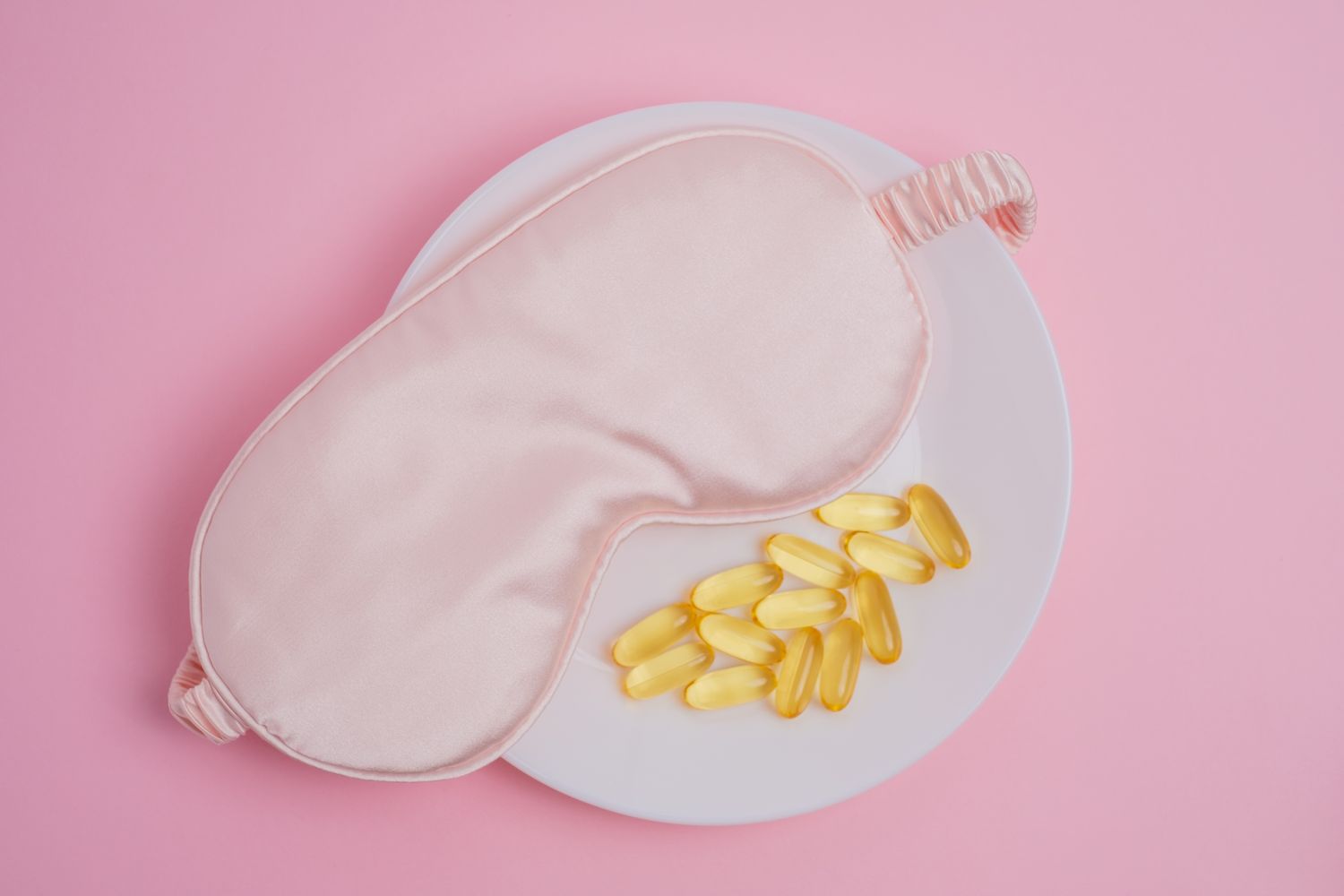
11. Sleep Hygiene
Sleep is the time when your body repairs cells and regulates hormones. For both men and women, aim for 7–9 hours of quality rest. Disruptions in the circadian rhythm can lower testosterone in men and lead to irregular cycles in women.
12. ♂️ Protecting Sperm Health
Fertility is a shared responsibility. Men must ensure the quality of the "seed" by keeping the scrotal area cool. Sperm production is highly temperature-sensitive; avoiding tight underwear (switching to boxers), skipping hot tubs, and not resting a laptop directly on the lap can prevent heat-induced damage to sperm motility and count.
13. Gentle Movement over Overtraining
Exercise is excellent for fertility, but there is a "Goldilocks" zone. Walking, swimming, and moderate strength training improve circulation. However, extremely high-intensity overtraining can actually signal the body to shut down ovulation to conserve energy. If you are training for a marathon while trying to conceive, consider scaling back to more moderate movement.
14. The 'Clean Living' Detox
It is non-negotiable: quitting smoking and vaping is the single most impactful lifestyle change you can make. Smoking ages the ovaries and DNA-damages sperm. Similarly, limiting alcohol to 1–2 drinks per week—or avoiding it altogether during the luteal phase—can improve your chances of successful implantation.
15. Environmental Awareness
We live in a world of "endocrine disruptors." These are chemicals like BPA (found in some plastics and receipt paper) and phthalates (found in synthetic fragrances) that can mimic or block hormones. Try to use glass storage containers instead of plastic and choose fragrance-free household cleaners to reduce your "toxic load."
16. Supplementing Wisely
Even with a perfect diet, there can be gaps. A high-quality prenatal vitamin with at least 400mcg of Folic Acid is the baseline. Many specialists also recommend CoQ10 to support mitochondrial health in eggs and sperm. Always consult with your healthcare provider before starting a new regimen to ensure it’s tailored to your bloodwork.
IV. Planning as a Couple: Shared Responsibility
It is a common misconception that fertility is primarily a "woman's issue." In reality, male-factor infertility contributes to approximately 50% of all conception challenges. This is why it is so important to approach these 16 habits as a team.
When both partners commit to the Mediterranean diet and the "Clean Living" detox, it not only improves biological outcomes but also strengthens the emotional bond. Use this time to have open conversations about your expectations, financial planning for the future, and how you will support each other if the journey takes longer than expected.
V. When to Seek Professional Support
Patience is key, but so is medical proactivity. The general rule of thumb is:
- Under 35: Seek a fertility assessment after 12 months of well-timed, unprotected intercourse.
- Over 35: Seek a consultation after 6 months.
- Any Age: If you have known issues like PCOS, endometriosis, or irregular cycles, don't wait—consult a specialist early to create a personalized roadmap.
A fertility assessment isn't a sign of "failure"; it’s simply gathering more data to help you reach your goal faster.
VI. FAQ
Q: Does caffeine affect my chances of getting pregnant? A: Moderate caffeine consumption (about 200mg per day, or one 12oz cup of coffee) does not appear to significantly impact fertility. However, excessive caffeine has been linked to a slightly higher risk of miscarriage, so it’s best to keep it in check.
Q: Can I still improve my egg quality if I’m over 40? A: While egg quantity decreases with age, egg quality can be influenced by the environment in which the egg matures during that 90-day window. Antioxidant-rich foods and CoQ10 supplements are particularly beneficial for women in their 40s.
Q: How soon will I see changes after starting these habits? A: Because it takes about 90 days for an egg to mature and sperm to be produced, you should ideally commit to these changes for at least three months to see the full biological impact.
VII. Take the First Step
Your fertility journey is uniquely yours, but it doesn't have to be a mystery. By shifting your focus toward nourishing your body rather than just "trying," you are taking the most important step toward a healthy pregnancy. Start today with one small change—perhaps a handful of walnuts or a 20-minute walk—and trust in your body's incredible capacity for renewal.