Welcome to the 2026 Joint Health Reset. If you are navigating the complexities of persistent joint pain, you should know that the landscape of Rheumatoid Arthritis Management has shifted dramatically toward proactive, non-invasive intervention. Rheumatoid arthritis (RA) is an autoimmune condition where your immune system mistakenly attacks healthy joint tissue. Unlike the "wear and tear" of osteoarthritis, RA is a systemic autoimmune disease characterized by an aggressive immune system response that targets the synovial lining of your joints.
In 2019, approximately 18 million people worldwide were living with rheumatoid arthritis, with women representing about 70% of those affected. Modern medicine now views RA not just as a "joint problem," but as a condition of systemic inflammation that requires a comprehensive, multi-tiered approach. Our goal in 2026 is clear: early intervention to achieve clinical remission and preserve your independence.
Understanding the Mechanism: Chronic Joint Inflammation Relief
To master Rheumatoid Arthritis Management, you must understand what is happening beneath the skin. In a healthy joint, the synovial fluid acts as a lubricant and shock absorber. However, when RA triggers a flare-up, your immune system attacks the synovium, causing it to thicken and release inflammatory proteins.
This process creates a cycle of systemic inflammation. If left unchecked, the inflammation begins to digest the cartilage and bone, leading to permanent joint deformity. Seeking chronic joint inflammation relief is not just about comfort; it is about stopping the biological "fire" before it destroys the structure of your hands, knees, and feet. Research shows that about 13 million individuals globally with rheumatoid arthritis experience moderate or severe symptoms that could benefit from rehabilitation.
When you experience a flare-up, the synovial fluid becomes packed with inflammatory cells. This creates a high-pressure environment inside the joint capsule, which is why the pain feels "deep" and "throbbing." Effective autoimmune joint care focuses on neutralizing these inflammatory signals—specifically targeting cytokines like TNF-alpha and IL-6—to restore the joint’s natural environment.
Non-Surgical RA Treatment Tiers for 2026
The most significant change in recent years is the "Window of Opportunity" protocol. We now know that starting non-surgical RA treatment within 72 hours of a definitive diagnosis significantly increases the chances of long-term remission. Your rheumatologist will likely move through a tiered escalation of care to find the most effective "biologic match" for your specific chemistry.
| Treatment Tier | Primary Mechanism | Common Options |
|---|---|---|
| Tier 1: Foundation | DMARDs (Disease-Modifying Anti-Rheumatic Drugs) | Methotrexate, Leflunomide |
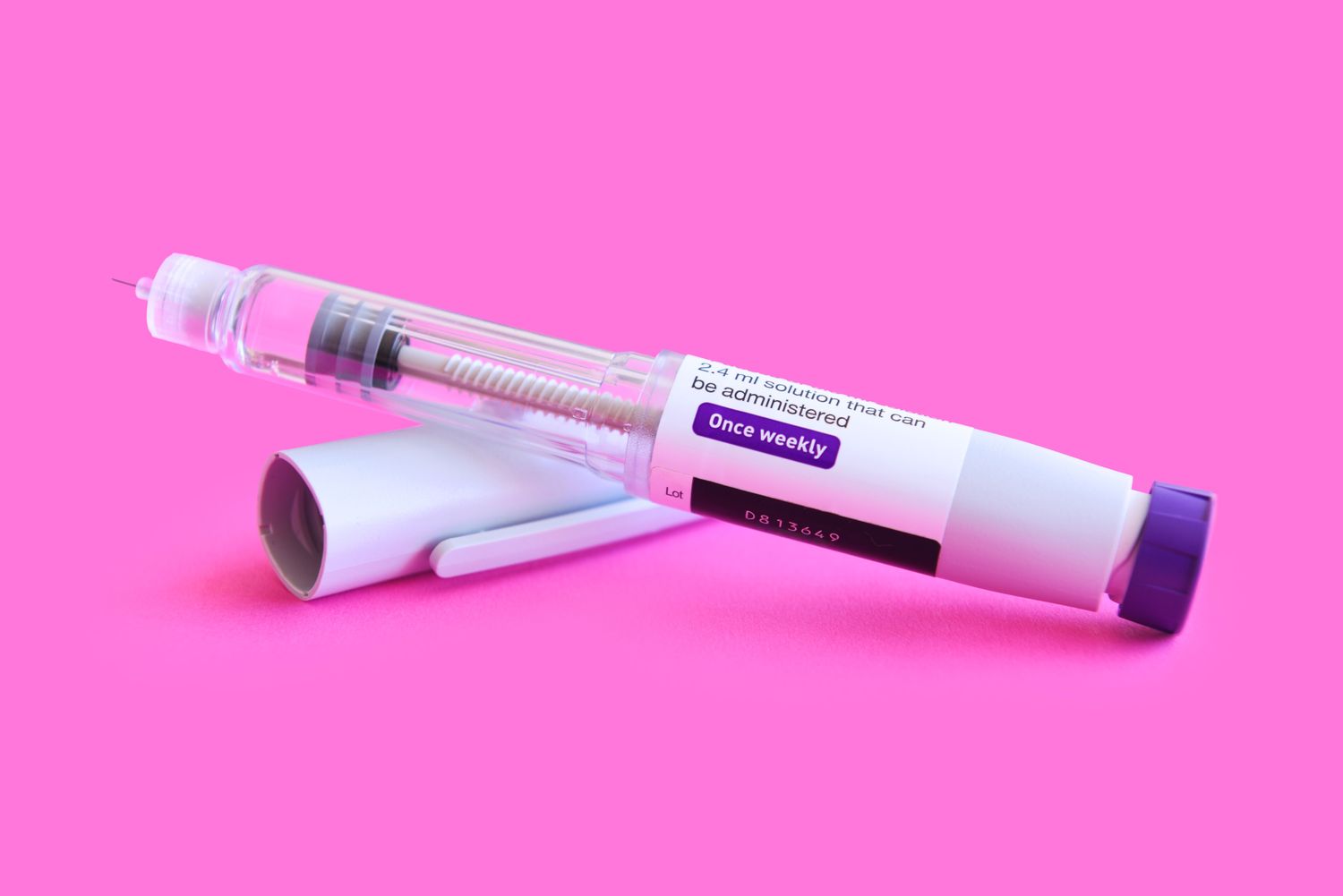
| Tier 2: Targeted | Biologics (Injectable proteins) | Adalimumab, Etanercept |
| Tier 3: Advanced | JAK Inhibitors (Oral signaling blockers) | Tofacitinib, Upadacitinib |
For most patients, the journey begins with Autoimmune Joint Care through conventional DMARDs. These drugs slow down the entire immune system to prevent it from attacking the joints. If these aren't sufficient, we move to Biologics or JAK inhibitors. These advanced therapies are revolutionary because they act like "precision snipers," only disabling the specific parts of the immune system that cause flare-ups.
Many readers ask how to manage rheumatoid arthritis pain naturally. While medication is the cornerstone of clinical Rheumatoid Arthritis Management, natural adjuncts like high-dose Omega-3 fatty acids and curcumin can support the chemical work your prescriptions are doing. Think of medication as the "fire extinguisher" and natural supplements as the "fireproofing" for your cells.
Functional Recovery: Lifestyle Changes to Improve Rheumatoid Arthritis Mobility
Medicine manages the chemistry; lifestyle manages the mechanics. To maintain joint stability, you must move. Stiff joints are often the result of stagnant synovial fluid. Movement acts as a pump, circulating nutrients into the cartilage and flushing out metabolic waste.
Implementing lifestyle changes to improve rheumatoid arthritis mobility starts with a "Low-Impact First" mindset. This means prioritizing activities that build muscular support around the joint without adding compressive stress.
- Prioritize Low-Impact Resistance: Focus on isometric exercises where the joint doesn't move, but the muscle contracts. This builds strength without aggravating the synovium.
- Embrace Aquatic Therapy: Water provides natural buoyancy, reducing the weight on your knees and hips by up to 90%, making it one of the best exercises for rheumatoid arthritis joint stiffness.
- Anti-Inflammatory Nutrition: Your gut health directly influences your immune system response. A diet rich in antioxidants, fiber, and healthy fats can lower the baseline of systemic inflammation.

Physical therapy is another critical component. A therapist can help you identify compensatory movements—ways your body "cheats" to avoid pain—that might be causing secondary issues in your back or opposite limbs. By focusing on joint stability, you ensure that your body remains resilient even during minor symptomatic periods.
Daily Resilience: Morning Stiffness Relief and Flare-Up Prevention
One of the most frustrating aspects of living with rheumatoid arthritis daily management tips is the "morning freeze." Morning stiffness relief for rheumatoid arthritis patients is a top priority because it dictates how you start your day. This stiffness occurs because inflammatory fluids settle in the joints while you are inactive overnight.
To combat this, try "The Warm Start" routine:
- Heat Therapy: Use an electric blanket or take a warm shower immediately upon waking to dilate blood vessels and loosen the synovial lining.
- Gentle Range-of-Motion: Perform "bed yoga"—gentle ankle circles and finger extensions—before your feet even hit the floor.
- Hydration: Drink 16 ounces of water immediately. Dehydration makes synovial fluid more viscous, which increases friction and pain.
Learning how to reduce rheumatoid arthritis flare ups also requires environmental awareness. Cold, damp weather often correlates with increased pain because changes in barometric pressure can cause joint tissues to expand. During winter months, increase your focus on thermal clothing and consistent movement.
Effective Rheumatoid Arthritis Management also involves stress regulation. High levels of cortisol (the stress hormone) can trigger the immune system to become more aggressive. Incorporating 10 minutes of deep-breathing exercises or mindfulness can physically lower the inflammatory markers in your blood, providing an extra layer of chronic joint inflammation relief.
FAQ
Can rheumatoid arthritis be managed without surgery?
Yes. With the advent of modern Biologics and JAK inhibitors, the need for joint replacement surgery in RA patients has declined significantly. Non-surgical RA treatment focuses on early pharmaceutical intervention and lifestyle modification to prevent the bone erosion that eventually necessitates surgery.
Why is rheumatoid arthritis pain worse in the morning?
This is due to "gel phenomenon." During sleep, the inflammatory fluid in the joint capsule thickens and becomes gel-like. It takes movement and warmth to "melt" this fluid and restore smooth motion. This is a hallmark of systemic inflammation and distinguishes RA from other types of arthritis.
What is the ultimate goal of RA treatment in 2026?
The goal is clinical remission. This means having no active signs of inflammation on imaging tests, minimal to no joint pain, and a return to full physical function. Through consistent Rheumatoid Arthritis Management, many patients today live completely normal, active lives without physical limitations.
Conclusion: Your 2026 Joint Health Roadmap
Mastering Rheumatoid Arthritis Management is no longer a matter of simply "living with the pain." It is an active, strategic process of balancing advanced medical science with disciplined daily habits. By working closely with your rheumatologist to find the right non-surgical RA treatment and committing to lifestyle changes to improve rheumatoid arthritis mobility, you can take control of your biology.
The data is clear: early, aggressive, and holistic autoimmune joint care is the key to longevity. Don’t wait for the damage to become permanent. Start your 2026 Joint Health Reset today by prioritizing movement, optimizing your nutrition, and staying ahead of the inflammatory curve. Your joints are the foundation of your independence—treat them with the precision they deserve.