Quick Facts
- The 6-Hour Danger Zone: When an individual sleeps 6 hours or less, their time to physical exhaustion drops by 40%.
- Brain Maintenance: The glymphatic system flushes toxic proteins like amyloid-beta only during the deepest stages of rest.
- Temperature is King: Clinical research suggests 65°F (18°C) is the scientifically optimal bedroom temperature for most adults.
- The Caffeine Trap: Caffeine has a 5-7 hour half-life, meaning half of that espresso is still circulating in your system at midnight.
- Memory Transfer: NREM sleep acts as a file transfer protocol, moving memories from temporary storage to the long-term neocortex.
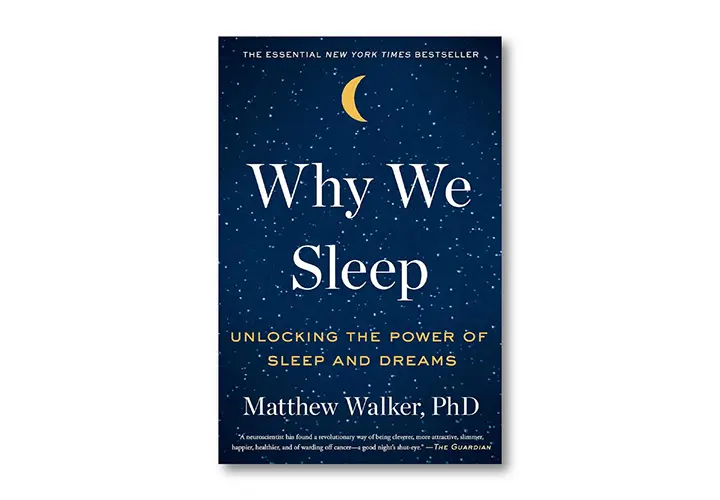
Matthew Walker’s landmark sleep science book has transformed how we view rest. No longer seen as passive downtime, sleep is a high-return biological investment essential for human survival. Sleep science identifies sleep as the body's primary tool for physical and cognitive restoration, critical for clearing metabolic waste through the glymphatic system and regulating emotional health through REM-state processing.
Lesson 1: The Brain’s Janitorial Service (Glymphatic System)
One of the most profound revelations in the study of sleep and cognitive health is the discovery of the glymphatic system. For decades, we wondered how the brain managed its metabolic waste without a traditional lymphatic system. We now know that during deep slow-wave sleep, the space between your brain cells increases by up to 60%. This allows cerebrospinal fluid to surge through, performing a literal power-wash of the brain.
This cleaning crew is tasked with amyloid clearance—removing the toxic proteins that are the primary hallmarks of Alzheimer’s disease. When we consistently cut our sleep short, we aren't just feeling "groggy"; we are essentially allowing metabolic trash to accumulate in our prefrontal cortex. Over decades, this buildup contributes significantly to cognitive decline.
The challenge for most of us is the perception gap. In my years as an editor, I’ve met countless people who claim they have "trained" themselves to thrive on five hours of rest. Matthew Walker’s research suggests this is a biological impossibility. The prefrontal cortex, which handles our self-assessment, is the first thing to go dark when we are tired. Consequently, you are the worst judge of your own impairment. You feel like you’re doing fine, but your brain health and waste clearance mechanisms are already falling behind. Adopting sleep habits for healthy aging must start with acknowledging that this janitorial shift is a non-negotiable window for neurological survival.
Lesson 2: REM Sleep as Overnight Therapy
While deep sleep handles the physical cleaning, Rapid Eye Movement (REM) sleep handles the emotional heavy lifting. There are unique benefits of rem sleep that cannot be replicated by any other state of consciousness. During the dreaming stage, the brain is the only time it is completely devoid of the anxiety-triggering molecule noradrenaline. This creates an "emotionally safe" environment where we can re-process the difficult events of the day.
This process essentially acts as overnight therapy. The brain strips away the painful emotional charge from a memory while keeping the facts intact, allowing us to wake up the next morning feeling resolved. This emotional processing is why we often find that a problem that seemed insurmountable at 11 PM feels manageable by 7 AM. Beyond mood, this stage of the sleep architecture is where we form creative associations. The dreaming brain takes new information and collides it with an entire lifetime of existing knowledge, creating those "aha!" moments that lead to innovation.
However, many modern habits inadvertently sabotage this phase. Consider the impact of alcohol on rem sleep quality. While a glass of wine might help you fall asleep faster, alcohol is one of the most powerful suppressors of REM sleep. It fragments your rest, causing you to wake up multiple times throughout the night, even if you don't remember it. This prevents the prefrontal cortex from finishing its emotional work, leading to increased irritability and a diminished capacity for neurological restoration.
Lesson 3: Biological Insurance for Performance & Immunity
We often treat sleep as a luxury we can trade for productivity, but the math simply doesn't add up. The physiological toll of sleep deprivation is immediate and measurable. Research featured in the sleep science book Why We Sleep shows that when an individual sleeps 6 hours or less, their time to physical exhaustion drops by 40%. This isn't just a concern for athletes; it affects your stamina for every meeting, household chore, and cognitive task you face.
The relationship between sleep and immune system function is equally dramatic. Even a single night of four hours of sleep can reduce your natural killer cell activity—the front line of your immune defense—by 70%. This is why sleep is important for peak performance; it is the foundation of your biological insurance. Without it, your metabolic wellness suffers, insulin sensitivity drops, and your body enters a state of chronic inflammation.
Many of us try to "fix" our fatigue by sleeping in on weekends, but sleep science warns that we cannot "pay back" a sleep debt. The brain is not a bank; it has no mechanism to recover the lost hours of processing time from Tuesday on a Sunday morning. This cycle is often fueled by a misunderstanding of adenosine levels. Adenosine is the chemical that builds up in your brain every minute you are awake, creating "sleep pressure." If you don't clear that pressure with a full night's rest, you start the next day with a carryover, leading to a compounding decline. In fact, moderate sleep deprivation of 6 hours per night impairs cognitive function as much as being legally drunk. Furthermore, the book notes a startling statistic regarding misdiagnosis: it is estimated that more than 50% of all children diagnosed with ADHD actually have a sleep disorder, highlighting how essential rest is for basic cognitive regulation.
Lesson 4: Mastering Sleep Hygiene for the Modern Age
Transitioning from understanding the science to changing your life requires a deliberate approach to environmental triggers. Implementing specific sleep hygiene tips from Why We Sleep can bridge the gap between chronic tiredness and vitality. The most important factor is consistency. Going to bed and waking up at the same time—even on weekends—is the most effective way to regulate your circadian rhythm.
Your bedroom environment is the next critical pillar. To facilitate natural melatonin production, your brain needs two things: darkness and a drop in temperature. To create the ideal bedroom environment for deep sleep, aim for a room temperature around 65°F. This might feel cool, but your core body temperature must drop by about 2 or 3 degrees Fahrenheit to initiate sleep. Hot showers before bed actually help this process, not by heating you up, but by bringing all the blood to the surface of your skin, allowing your core to radiate heat and cool down rapidly once you step out.
Finally, manage your light exposure. The blue light from screens suppresses melatonin, the hormone that tells your brain it's nighttime. By dimming the lights in your home an hour before bed, you give your brain the signal it needs to start the wind-down process. These simple sleep habits are the foundation of a lifestyle that prioritizes long-term health over short-term convenience.
Lesson 5: Honoring Your Genetic Chronotype
One of the most compassionate lessons from Matthew Walker is the realization that our sleep patterns are largely determined by our DNA. Whether you are a "morning lark" or a "night owl" is not a matter of willpower or laziness; it is a hardwired genetic chronotype. Roughly 30% of the population are night owls, meaning their natural peak of alertness occurs much later in the day.
Unfortunately, our modern 9-5 society is biologically discriminatory against night owls. Forcing a natural owl to wake up at 6 AM is like forcing a lark to stay awake until 3 AM every single day. This mismatch leads to "social jetlag," where people are perpetually living out of sync with their internal clocks. This chronic disruption of the sleep architecture is linked to higher rates of depression, anxiety, and heart disease.
If you are someone who struggles with early mornings, stop the self-guilt. Instead, try to advocate for a work or life schedule that honors your biology. Even a shift of 30 to 60 minutes in your start time can have a profound impact on your cognitive health. By aligning your demands with your DNA, you ensure that you are working with your body rather than against it.
FAQ
What is the science of sleep?
The science of sleep explores the biological and neurological processes that occur during rest, including the regulation of circadian rhythms by the suprachiasmatic nucleus and the buildup of adenosine which creates sleep pressure. It examines how different stages of sleep, such as NREM and REM, contribute to memory consolidation, immune function, and the clearance of metabolic waste from the brain.
What hormone wakes you up at 3am?
While melatonin helps you fall asleep, cortisol is the hormone responsible for the arousal response. A premature spike in cortisol, often triggered by stress, blood sugar drops, or alcohol metabolism, can cause you to wake up in the middle of the night. Additionally, as the body processes alcohol, it creates a "rebound effect" of alertness that frequently occurs around 3 or 4 am.
What mattress to stay away from?
From a sleep science perspective, you should stay away from any mattress that retains excessive heat or fails to provide proper spinal alignment. Memory foam mattresses without cooling technology can trap body heat, preventing the necessary drop in core temperature required for deep sleep. The "best" mattress is subjective, but it must support your specific sleeping posture to prevent micro-awakenings caused by physical discomfort.
What did Albert Einstein say about sleeping?
Albert Einstein was famously a proponent of significant rest, reportedly claiming he needed 10 hours of sleep a night to function at his best. He believed that sleep and even brief daytime naps were essential for his creative thinking and problem-solving abilities, aligning with modern findings that sleep facilitates the complex neural associations required for genius-level insights.