Often called the "sunshine vitamin," Vitamin D is a unique nutrient that functions more like a hormone than a simple vitamin. While our bodies are designed to synthesize it through skin exposure to ultraviolet (UV) rays, modern life often gets in the way. Whether it’s spending long hours in the office, living in northern latitudes with limited winter sun, or the necessary use of sunscreen to prevent skin cancer, many of us aren't getting enough. In fact, clinical data suggests that approximately 1 in 4 adults in the United States are deficient, with even more falling into the "insufficient" category.
This deficiency isn't just a minor statistical blip; it has real-world consequences. Vitamin D is the primary gatekeeper for calcium absorption in the gut. Without it, our bodies cannot maintain skeletal integrity, leading to brittle bones or osteoporosis. Beyond the bones, recent evidence-based research has linked adequate Vitamin D levels to robust immune function, mood regulation, and even a reduced risk of certain chronic diseases. While the Recommended Dietary Allowance (RDA) for most adults is 600–800 IU (International Units) daily, achieving this solely through sunlight is increasingly difficult. This is where strategic, nutrient-dense food choices—specifically fatty fish—become our most powerful tool for wellness.

1. Salmon: The King of Vitamin D
When we talk about nutrient density in seafood, salmon is almost always at the top of the list. It is arguably the most efficient natural food source of Vitamin D available. However, not all salmon is created equal when it comes to its nutritional profile. As a nutrition editor, I’m frequently asked about the "Wild vs. Farmed" debate, and the answer is particularly relevant for Vitamin D.
On average, a 3.5-ounce (100-gram) serving of farmed Atlantic salmon provides approximately 441 IU of Vitamin D, which covers roughly 55% of your Daily Value (DV). While that is an impressive figure, wild-caught salmon often takes it to the next level. Research has shown that wild-caught salmon can contain significantly higher levels, sometimes reaching up to 900–1,000 IU per serving, depending on where and when it was caught. This difference is largely due to the salmon's natural diet of zooplankton and smaller fish in the ocean.
| Feature | Farmed Atlantic Salmon | Wild-Caught Sockeye/King Salmon |
|---|---|---|
| Vitamin D Content (per 100g) | ~441 IU (55% DV) | 600 - 900+ IU (75-110%+ DV) |
| Omega-3 Levels | High | Very High |
| Availability | Year-round, consistent | Seasonal, often sold frozen |
| Primary Benefit | Affordable, consistent texture | Superior nutrient density, lean |
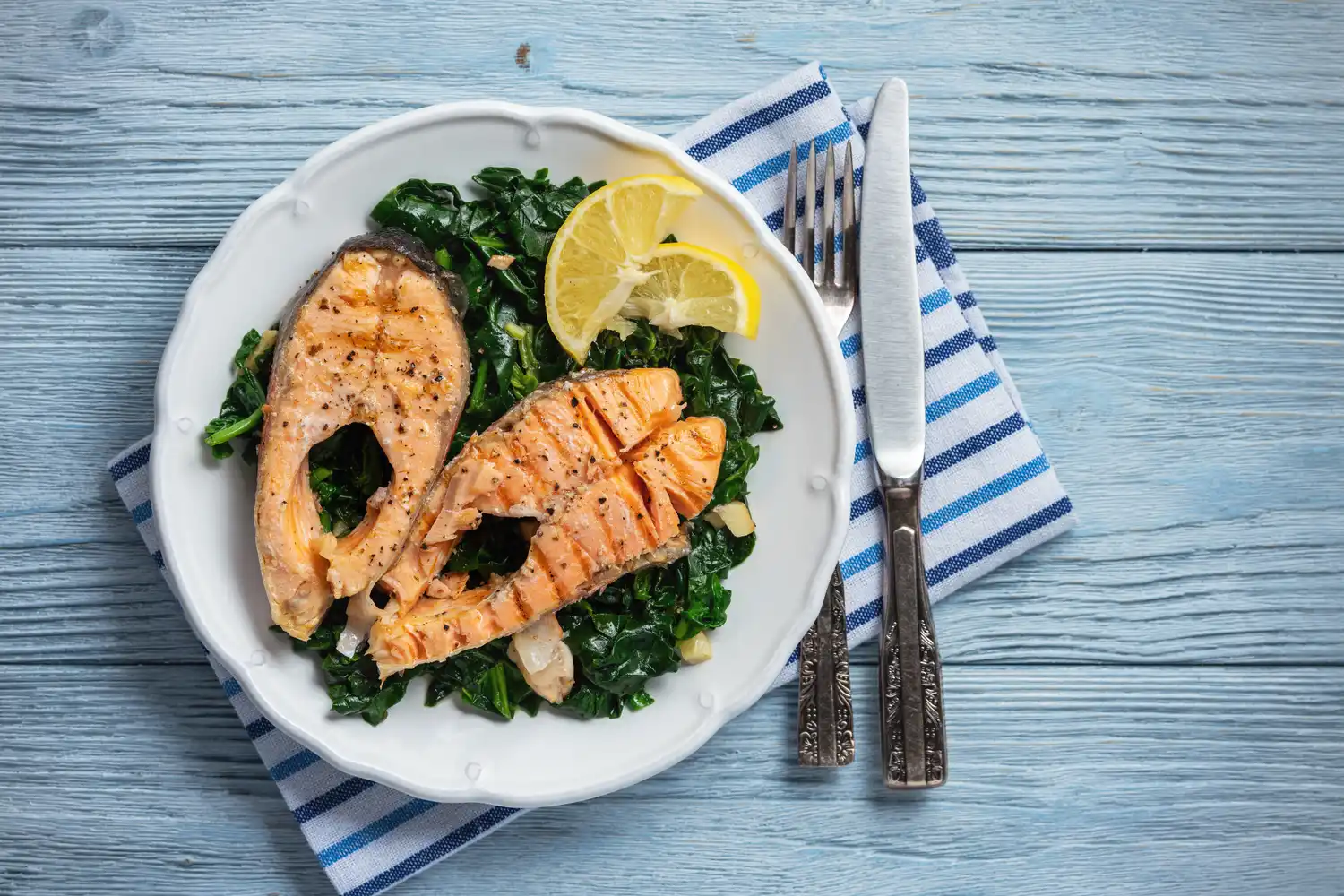
To maximize your intake, I recommend opting for wild-caught varieties like Sockeye or King salmon when your budget allows. To keep the preparation simple and the nutrients intact, try grilling your salmon with a squeeze of lemon and a dash of herbs, or flaking it over a Mediterranean-style quinoa bowl with plenty of fresh vegetables.
2. Rainbow Trout: The Nutrient Powerhouse
If you find yourself getting "salmon fatigue," Rainbow trout is an exceptional alternative that often flies under the radar. Many people don't realize that trout is actually a close relative of salmon and shares many of its heart-healthy characteristics.
In terms of Vitamin D, Rainbow trout is a heavy hitter. A 3-ounce serving of cooked farmed trout contains approximately 645 IU, which is a staggering 108% of the Daily Value. This makes it one of the few natural foods that can satisfy your entire daily requirement in a single meal.
Nutrient Snapshot: Rainbow Trout
- Vitamin D: ~645 IU per 3 oz (108% DV)
- Protein: 20g
- Best For: Those looking for a milder flavor than salmon without sacrificing nutrient density.
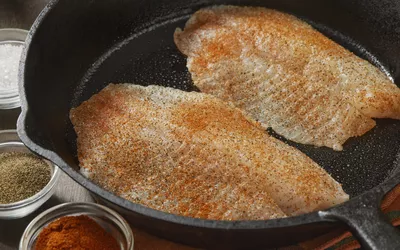
Trout is incredibly versatile in the kitchen. Because the fillets are generally thinner than salmon steaks, they cook quickly, making them a perfect weeknight dinner option. A simple pan-sear in a cast-iron skillet with a touch of olive oil and garlic is all you need to create a restaurant-quality, health-boosting meal in under ten minutes.
3. Mackerel: High Omega-3 and Vitamin D Synergy
Mackerel is a favorite among nutritionists because of the "synergy" it provides. It is exceptionally high in both Vitamin D and Omega-3 fatty acids. Since Vitamin D is a fat-soluble vitamin—meaning it requires dietary fat to be absorbed by your body—the high oil content in mackerel acts as a built-in delivery system for the vitamin.
A 100-gram serving of mackerel provides roughly 643 IU of Vitamin D. Beyond the sunshine vitamin, mackerel is a powerhouse for cardiovascular health, known for reducing systemic inflammation and improving cholesterol profiles. However, a quick tip for the "Seafoodies": focus on Atlantic or Atka mackerel, as these are typically lower in mercury compared to the larger King mackerel.
4. Atlantic Herring: Fresh and Pickled Options
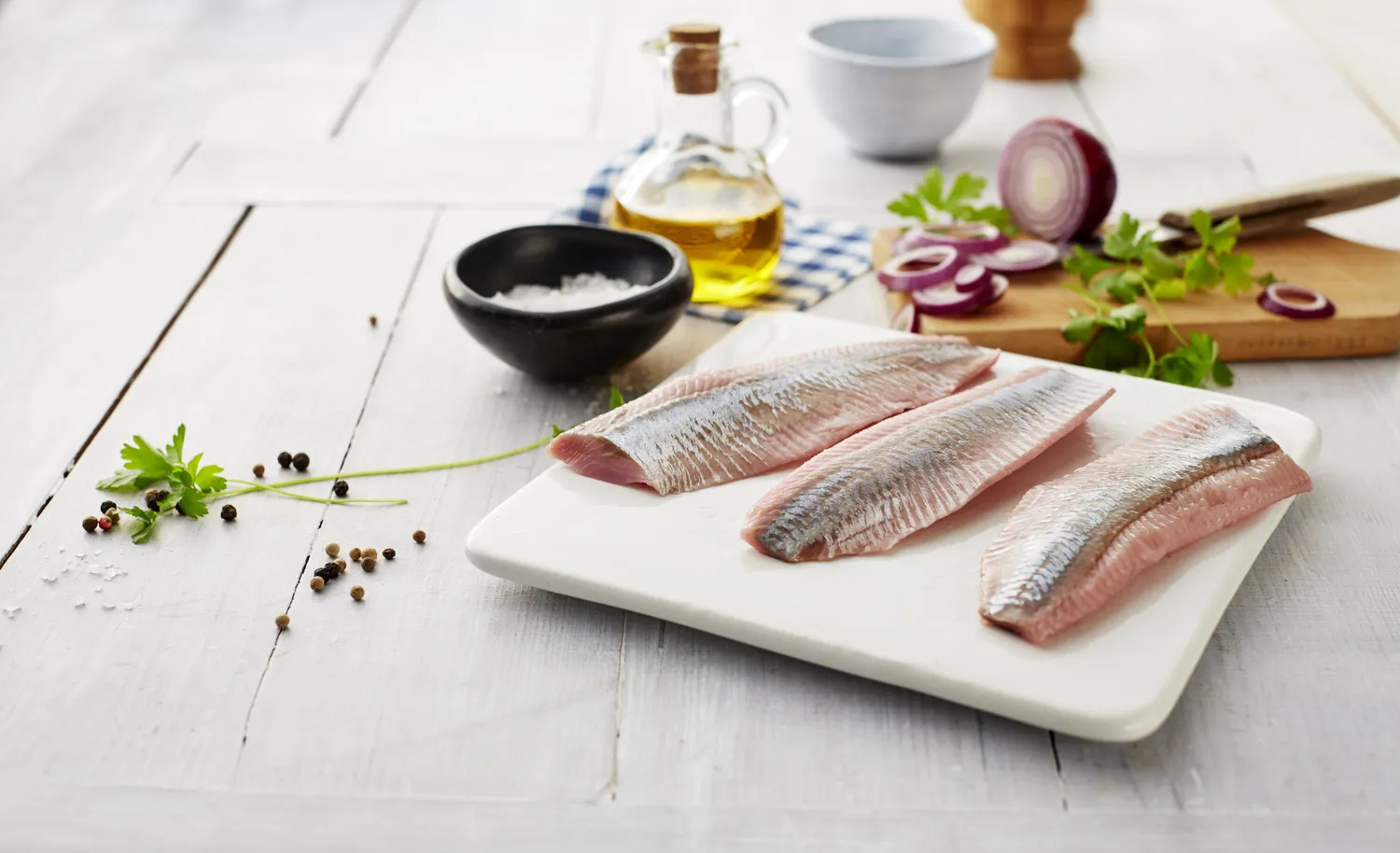
Atlantic herring is a staple in many Northern European diets, and for good reason. It is one of the cleanest and most sustainable fish in the sea. Fresh Atlantic herring provides 167 IU of Vitamin D per 100-gram serving, contributing about 20% of your total Daily Value.
While fresh herring is wonderful when grilled or baked, many people encounter it in its pickled form. Pickled herring remains a great source of Vitamin D, but as an editor focused on holistic health, I have to add a small caveat: watch the sodium levels. Pickling involves a significant amount of salt, which can be a concern for those managing blood pressure.
5. Canned Sardines: The Convenient Superfood
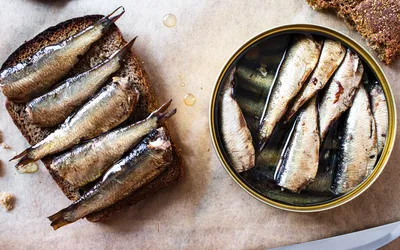
If you’re looking for the ultimate convenience food that doesn't compromise on nutrition, look no further than the humble sardine. These small, oily fish are often overlooked, but they are nutritional giants. A 100-gram serving of canned sardines (about one tin) provides approximately 193 IU of Vitamin D, covering 24% of your recommended daily intake.
What makes sardines truly special is the "bone synergy." Because sardines are usually eaten with their soft, edible bones, they are also an incredible source of calcium. As we discussed earlier, Vitamin D and calcium work together to build bone density. By eating sardines, you are providing your body with both the "bricks" (calcium) and the "mortar" (Vitamin D) it needs for skeletal health.
Nutrient Snapshot: Canned Sardines
- Vitamin D: 193 IU per 100g (24% DV)
- Calcium: ~38% DV
- Pro-Tip: Mash them with avocado on whole-grain toast for a lunch that hits your Vitamin D, healthy fat, and fiber goals all at once.
6. Canned Light Tuna: Budget-Friendly Nutrition
Canned tuna is a pantry staple in most households, making it one of the most accessible ways to boost your nutrient intake. A 100-gram serving of canned light tuna provides about 269 IU of Vitamin D.
However, when shopping for tuna, I always recommend choosing "Light" tuna (typically Skipjack) over "White" or Albacore. Not only is light tuna often more affordable, but it is also significantly lower in mercury. This allows you to enjoy the benefits of Vitamin D more frequently without the concerns associated with heavy metal accumulation. It’s an excellent choice for a quick tuna salad made with Greek yogurt instead of mayo to add a punch of protein.
Bonus: Cod Liver Oil – The Concentrated Supplement
While not a "fish fillet" in the traditional sense, I cannot write a guide on Vitamin D without mentioning cod liver oil. For decades, it was a household staple for preventing rickets, and modern science confirms its value.
Cod liver oil is one of the most concentrated natural sources of Vitamin D available. Just a single teaspoon (4.9 mL) provides a whopping 450 IU, or 56% of the daily required intake. It is an ideal "insurance policy" for those who struggle to incorporate whole fish into their diet several times a week. It’s also rich in Vitamin A and Omega-3s, making it a well-rounded supplement for immune support during the winter months.
Maximizing Absorption: Vitamin D and Calcium
To get the most out of your high-Vitamin D fish, we need to think about meal architecture. Vitamin D doesn't work in a vacuum; its primary job is to help your body absorb calcium. If you aren't consuming enough calcium, the Vitamin D you're getting from your salmon or mackerel won't have the materials it needs to support your bones.
We want to aim for "nutrient pairing." This means serving your Vitamin D-rich fish alongside calcium-rich foods. Think of a salmon salad topped with a yogurt-based dressing, or sardines served over sautéed kale or collard greens. These combinations ensure that your body is primed for maximum nutrient uptake.
Tips for Incorporating More Fish into Your Weekly Meal Plan
Transitioning to a diet richer in fatty fish doesn't have to be a chore. I always encourage my readers to move from a mindset of "subtraction" to "addition." Instead of thinking about what you can't eat, focus on how you can add these powerhouses to your routine.
- The Sheet Pan Method: On a busy Tuesday, toss some trout fillets, asparagus, and cherry tomatoes on a sheet pan with olive oil and lemon. Roast at 400°F for 10-12 minutes. It’s fast, healthy, and requires minimal cleanup.
- The "Fish Friday" Tradition: Even if you aren't religious, designating one night a week for seafood ensures you hit your intake goals consistently.
- Pantry Backups: Keep canned sardines and light tuna in your desk drawer or pantry. They are the perfect high-protein, high-Vitamin D solution for those days when you don't have time to meal prep.
FAQ
Q: Can I get enough Vitamin D from fish alone? A: While fish are the best natural food sources, it can be challenging to reach 800 IU every single day solely through diet unless you are eating fatty fish almost daily. Most health professionals recommend a combination of sun exposure, Vitamin D-rich foods, and supplements if testing shows you are deficient.
Q: Does cooking fish destroy the Vitamin D? A: Generally, no. Vitamin D is quite stable under heat. Whether you bake, fry, or grill your fish, the Vitamin D content remains largely intact. However, avoid overcooking to the point of charring, as this can affect other nutrients like Omega-3s.
Q: Is it safe to eat these fish every day regarding mercury? A: For most people, eating lower-mercury fish like salmon, sardines, trout, and light tuna 2–3 times a week is perfectly safe and highly recommended. If you are pregnant or nursing, it's best to stick to the lower-mercury options and consult with your physician.
Ready to boost your immunity?
If you're ready to take control of your bone health and immune system, start by adding one of these fish to your grocery list this week. Whether it’s a wild-caught salmon fillet for Sunday dinner or a quick sardine snack on Monday afternoon, your body will thank you for the boost.