Nutrition isn’t just a secondary component of the muscle-building process; it is the biological scaffold upon which your training results are built. If you are lifting heavy but failing to provide your body with the requisite raw materials, you are essentially trying to build a house with a blueprint but no bricks. To trigger hypertrophy—the increase in muscle size—your body requires a specific hormonal and nutritional environment that prioritizes muscle protein synthesis (MPS) over muscle protein breakdown.
In my years as a nutrition editor, I’ve seen countless athletes plateau because they overcomplicate the "what" and ignore the "when" and "how much." The reality is that building lean mass requires a calculated, evidence-based approach to your plate. By aligning your caloric intake and protein distribution with your training volume, you can maximize gains while minimizing the accumulation of unwanted body fat.
The Hypertrophy Nutrition Foundation
To maximize muscle hypertrophy, the scientific consensus is clear: you must maintain a positive net protein balance. Experts recommend consuming between 1.6 to 2.2 grams of protein per kilogram of body weight daily. For a 180-pound athlete (approximately 82 kg), this translates to a daily target of 130 to 180 grams of high-quality protein. This range ensures that even during periods of intense recovery, your body has an abundance of amino acids—specifically leucine—to trigger the mTOR pathway, the primary driver of muscle growth.
However, protein alone is not enough. You need energy to fuel the synthesis process. A controlled calorie surplus of 10% to 20% above your maintenance level is the "sweet spot" for lean mass gain. This provides the necessary fuel for progressive resistance training while preventing the metabolic sluggishness that often accompanies "dirty bulking."
Beyond the caloric total, your macronutrient distribution plays a vital role. Evidence suggests that a balance of 55-60% carbohydrates and 15-30% fats is essential. Carbohydrates are your body’s primary fuel source; they spare protein from being burned for energy and replenish glycogen stores depleted during heavy lifting sessions. Meanwhile, healthy fats support the hormonal health necessary for testosterone production and cellular repair.

Protein Timing: The 3-Hour Window
One of the most common mistakes I see in meal planning is "protein backloading"—eating a small breakfast and a massive steak dinner. To optimize hypertrophy, you must consider the "anabolic window" as a continuous cycle rather than a post-workout sprint.
Research indicates that distributing 20–40g portions of protein every 3 to 4 hours is significantly more effective for maintaining elevated rates of protein synthesis than consuming the same amount in fewer, larger sittings. Think of your muscles as a sponge; they can only absorb so much at once before the excess is oxidized for energy. By spacing out your "Protein Anchors," you ensure a steady stream of amino acids are available for tissue repair throughout the day and night.
7-Day Muscle Building Meal Plan (2800-3000 kcal Target)
The following plan is designed for an active individual aiming for approximately 2,800 to 3,000 calories. Each meal is built around a high-quality protein source paired with complex carbohydrates to ensure sustained energy.
Day 1: The Classic Bulk
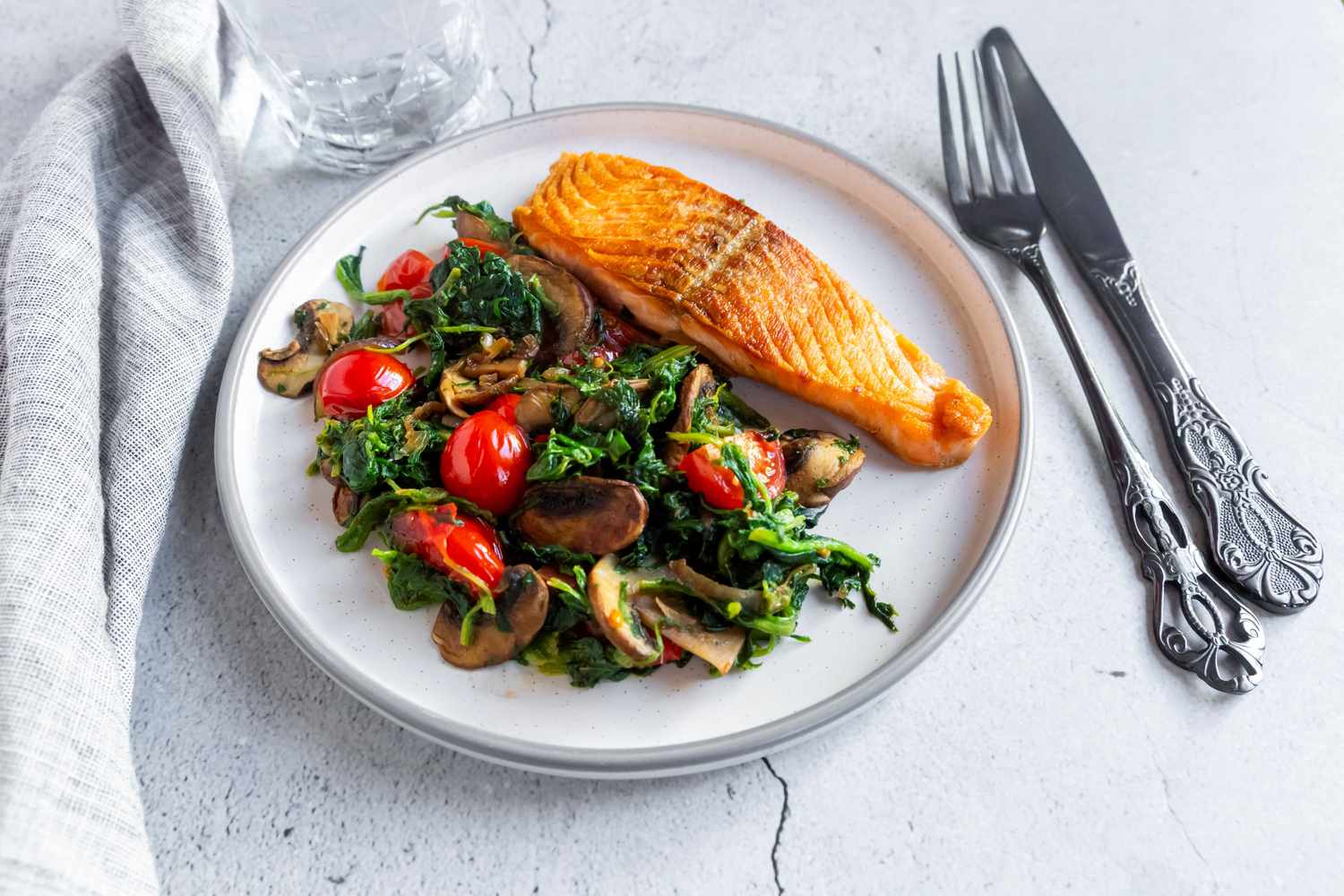
We start the week with a focus on high-bioavailability proteins. A 6-ounce Grilled Salmon Steak provides not just protein but Omega-3 fatty acids which help reduce exercise-induced inflammation.
- Breakfast: Greek Omelet (3 eggs) with spinach, feta, and a toasted Whole Wheat English Muffin with half an avocado.
- Lunch: Shredded Chicken Burrito Bowl with black beans, brown rice, and salsa.
- Dinner: 6-ounce Grilled Salmon Steak served with a large baked sweet potato and steamed broccoli.
| Macronutrient | Total Amount |
|---|---|
| Protein | 165g |
| Carbs | 310g |
| Fats | 95g |
Day 2: Plant-Forward Growth
You don't need meat at every meal to grow. We use Hemp Hearts and Quinoa to provide complete amino acid profiles.
- Breakfast: Fruit & Nut Oatmeal: Steel-cut oats topped with 3 tbsp Hemp Hearts, walnuts, and sliced banana.
- Lunch: Salmon Taco Bowl using leftover salmon, 1 cup Quinoa, black beans, and shredded cabbage.
- Dinner: 6-ounce Lean Beef Burger (90/10) on a whole wheat bun with roasted fingerling potatoes and a side salad.
| Macronutrient | Total Amount |
|---|---|
| Protein | 158g |
| Carbs | 335g |
| Fats | 88g |
Day 3: Sustained Energy
Mid-week requires convenience. We utilize Canned Tuna (a lean protein powerhouse) and make-ahead options.
- Breakfast: Make-Ahead Chia Pudding: 1/4 cup chia seeds, 1 scoop vanilla whey protein, and 2 tbsp Almond Butter.
- Lunch: High-Protein Tuna Wrap: 2 cans of Tuna mixed with Greek yogurt (instead of mayo), wrapped in a large whole-grain tortilla with greens.
- Dinner: 7-ounce Roasted White Meat Chicken with balsamic-glazed Brussels sprouts and a side of wild rice.
| Macronutrient | Total Amount |
|---|---|
| Protein | 175g |
| Carbs | 290g |
| Fats | 82g |
Day 4: High-Volume Satiety
If you find yourself hungry between meals, focus on volume. Shrimp is incredibly protein-dense but low in calories, allowing for larger portions of complex carbs.
- Breakfast: Scrambled Eggs (2 whole, 3 whites) with a side of Almond Butter Toast on sprouted grain bread.
- Lunch: Two Portobello Mushrooms stuffed with 5 ounces Ground Chicken and part-skim mozzarella cheese.
- Dinner: 8-ounce Grilled Shrimp Skewers served over 1.5 cups of steamed brown rice and snap peas.
| Macronutrient | Total Amount |
|---|---|
| Protein | 162g |
| Carbs | 305g |
| Fats | 78g |
Day 5: Lean Gains
Focusing on lean cuts of pork and turkey ensures you hit your protein marks without overshooting your fat macros.
- Breakfast: Peanut Butter & Banana Power Sandwich on whole-wheat bread with a side of 1 cup Greek Yogurt.
- Lunch: Turkey Chili: 6 ounces Ground Turkey with kidney beans, tomatoes, and whole-wheat crackers.
- Dinner: 6-ounce Roasted Pork Loin served with unsweetened applesauce, green beans, and a small portion of couscous.
| Macronutrient | Total Amount |
|---|---|
| Protein | 170g |
| Carbs | 320g |
| Fats | 85g |
Day 6: Performance Focus
Higher carbohydrate intake today fuels a heavy leg or back session. Tofu and Edamame provide a significant protein punch for a stir-fry.
- Breakfast: 2 cups Whole-Grain Cereal with 2 cups Low-Fat Milk and a side of hard-boiled eggs.
- Lunch: Tofu & Edamame Stir-Fry: 7 ounces Firm Tofu with 1/2 cup edamame over udon noodles in a ginger-soy sauce.
- Dinner: Pasta Primavera: 6 ounces Grilled Chicken Breast sliced over whole-wheat penne with zucchini, peppers, and marinara.
| Macronutrient | Total Amount |
|---|---|
| Protein | 155g |
| Carbs | 350g |
| Fats | 75g |
Day 7: Recovery & Prep
We finish the week with fibrous legumes and slow-digesting proteins to aid overnight recovery.
- Breakfast: Overnight Oats with blueberries, 3 tbsp Hemp Hearts, and a scoop of casein protein.
- Lunch: 6-ounce Broiled Salmon with 1 cup quinoa and roasted red peppers.
- Dinner: Whole-Grain Bean Salad: 1 cup Chickpeas and 1 cup Farro tossed with cucumber, parsley, and a lemon-tahini dressing.
| Macronutrient | Total Amount |
|---|---|
| Protein | 150g |
| Carbs | 330g |
| Fats | 90g |
Muscle-Building Grocery List
- Proteins: Chicken breast, lean ground turkey, 90/10 ground beef, pork loin, salmon fillets, shrimp, canned tuna, eggs.
- Dairy/Plant-Base: Greek yogurt (plain, low-fat), low-fat milk, firm tofu, edamame, part-skim mozzarella, feta.
- Grains: Quinoa, brown rice, steel-cut oats, whole-wheat pasta, sprouted grain bread, farro.
- Produce: Spinach, broccoli, sweet potatoes, Brussels sprouts, bell peppers, bananas, blueberries.
- Healthy Fats: Avocado, almond butter, hemp hearts, chia seeds, walnuts.
Hypertrophy Snacks: Hitting Your Daily Target
Sometimes the three main meals aren't enough to reach that 180g protein ceiling. This is where strategic snacking comes in. To keep the MPS elevated, choose snacks that provide at least 20g of protein.
Expert Tip: If you struggle with appetite, liquid calories are your friend. A post-workout shake with whey protein is ideal for rapid absorption, while a casein shake before bed provides a "slow-drip" of amino acids to prevent muscle breakdown during your 8-hour fast.
High-Protein Snack Ideas:
- Turkey Roll-ups: 4 ounces of deli turkey wrapped around cucumber spears (25g protein).
- Cottage Cheese Bowl: 1 cup of low-fat cottage cheese with sliced pineapple (28g protein).
- Greek Yogurt Parfait: 1 cup Greek yogurt with a sprinkle of hemp hearts (23g protein).
Strategic Meal Prep for Busy Athletes
Consistency is the enemy of the average athlete. To ensure you don't reach for fast food when life gets hectic, I recommend the 4-3-5 Rule:
- 4 Vegetables: Roast four different vegetables in bulk on Sunday.
- 3 Carbohydrates: Prep three large batches of grains (e.g., rice, quinoa, sweet potatoes).
- 5 Meals/Day: Ensure you have enough protein "anchors" prepped to cover 5 servings per day (including snacks).
Store your proteins in airtight glass containers to preserve texture. Lean meats like chicken breast can become rubbery if overcooked during the prep phase; aim to cook them to 160°F and let them carry-over cook to 165°F to maintain moisture.
Supplements to Support Hypertrophy
While "food first" is our motto, certain supplements have a mountain of evidence supporting their role in hypertrophy.
- Creatine Monohydrate: The most researched supplement in history. It increases phosphocreatine stores, allowing for more work volume during sets.
- Omega-3 Fatty Acids: Beyond heart health, these help with muscle protein signaling and recovery.
- Electrolytes: Essential for muscle contractions. If you are sweating heavily, water alone isn't enough to maintain performance.
FAQ
Q: Do I really need that much protein if I'm not a pro bodybuilder? A: If your goal is hypertrophy (growth), yes. The 1.6g/kg floor is based on individuals performing regular resistance training. Without adequate amino acids, your body cannot effectively repair the micro-tears caused by lifting.
Q: Can I gain muscle in a calorie deficit? A: "Body recomposition" is possible for beginners or those with higher body fat percentages. However, for most intermediate lifters, a slight calorie surplus (10-20%) is necessary to provide the energy required for the demanding process of building new tissue.
Q: What if I miss my "post-workout" shake? A: Don't panic. While post-workout nutrition is helpful, your total daily protein intake and consistent 3-4 hour distribution are far more important for long-term growth than a single shake consumed 30 minutes after training.
Building a physique requires the same discipline in the kitchen as it does in the weight room. By following this RD-approved structure, you aren't just eating; you're fueling a biological transformation.