The first trimester of pregnancy is often described as a "survival marathon." Between the sudden, overwhelming fatigue that makes a 7:00 PM bedtime feel late and the unpredictable waves of nausea—frequently triggered by something as innocuous as the smell of the refrigerator—simply getting through the day can feel like an Olympic feat. If you are a busy mom-to-be balancing work or other children, the idea of a complex, gourmet nutrition plan probably feels impossible.
I want to start by debunking one of the most persistent myths: "eating for two." While it sounds poetic, the biological reality is that during your first 12 weeks, you generally do not need any additional daily calories. Your baby is currently the size of a lime; what they require isn't volume, but a very specific set of nutrient-dense building blocks. The goal of a first trimester meal plan should be prioritizing foods rich in folate, iron, calcium, and choline, while leaning on bland starches and ginger-based snacks to manage morning sickness.
Essential Nutrients for Your Baby’s First 12 Weeks
The first trimester is a period of rapid organogenesis—the foundation of every system in your baby's body is being laid right now. This makes nutrient density more critical than at any other point in your life.
Folic Acid (Folate) is perhaps the most famous pregnancy nutrient, and for good reason. It is essential for the closure of the neural tube, which eventually becomes the brain and spinal cord. While your prenatal vitamin is your insurance policy, getting folate from leafy greens, lentils, and citrus adds a layer of bioavailable protection.
Iron is equally vital as your blood volume begins to expand by up to 50% to support the placenta. This expansion can often lead to "physiologic anemia," leaving you feeling even more exhausted than usual. Including lean meats, spinach, and fortified cereals helps maintain those energy-giving red blood cells.
Perhaps the most overlooked hero of the first trimester is Choline. This nutrient is the "brain-builder," supporting the structure of the brain and the neurotransmitters within it.
Expert Insight: While 450mg of choline is recommended daily for fetal brain development, studies suggest that approximately 90% of pregnant women fail to meet this requirement through diet alone. Because many prenatal vitamins actually lack choline (due to the bulkiness of the molecule), it is essential to consciously eat choline-rich foods such as egg yolks, chicken breast, lean beef, soy products, and beans.

Survival Mode: Managing Morning Sickness & Nausea
If you’re currently staring at a head of broccoli with pure disdain, please know that this is normal. Evolutionarily, many experts believe food aversions are a protective mechanism. However, you still need to eat.
When nausea strikes, your meal plan should pivot to "survival mode" strategies:
- Embrace Bland Starches: Plain crackers, sourdough toast, and rice are your best friends. They provide quick glucose for your flagging energy and are rarely "offensive" to a sensitive stomach.
- Cold Over Hot: Hot foods release more aromas, which are often the primary trigger for the "quease." Switching to cold sandwiches, chilled pasta salads, or smoothies can significantly reduce mealtime distress.
- The Power of Ginger: Keeping ginger-based snacks or ginger tea nearby can help soothe the stomach lining and reduce the frequency of vomiting.
- Mini-Meals: Instead of three large meals that can lead to a heavy, bloated feeling, aim for five or six "mini-meals." Keeping something small in your stomach at all times often prevents the "empty stomach nausea" that many women experience.
Busy Mom Strategy: Prep-Once, Eat-Twice
For the busy mom, the kitchen can feel like a battlefield. The key to maintaining nutrition when you are exhausted is efficiency. Utilizing a "prep-once, eat-twice" strategy—specifically for proteins like grilled chicken or roasted beans—can reduce total weekly kitchen time for pregnant women by up to 40%.
Batch-cooking a large tray of chicken breasts or a big pot of quinoa on Sunday means that on Tuesday evening, when you’re too tired to stand, dinner is already 90% finished. I also highly recommend "shortcut" ingredients: pre-cut kale, frozen fruit for smoothies, and canned beans (rinsed well) are not "cheating"—they are essential tools for a healthy pregnancy.
The 7-Day First Trimester Meal Plan
This plan is designed to be flexible. If Day 3’s dinner sounds terrible today, swap it with Day 6. Listen to your body above all else.
Day 1: Choline Focus
- Breakfast: Hard-boiled egg muffin cups. (Prep these on Sunday; they contain two eggs—a massive choline boost).
- Lunch: Whole grain chicken wrap with avocado and a squeeze of lime.
- Dinner: Grilled chicken with brown rice and steamed broccoli (or whatever green vegetable you can currently tolerate).
- Nutrient Spotlight: Choline. This day focuses on providing at least half of your daily requirement through eggs and chicken.
Day 2: Folate & Fiber
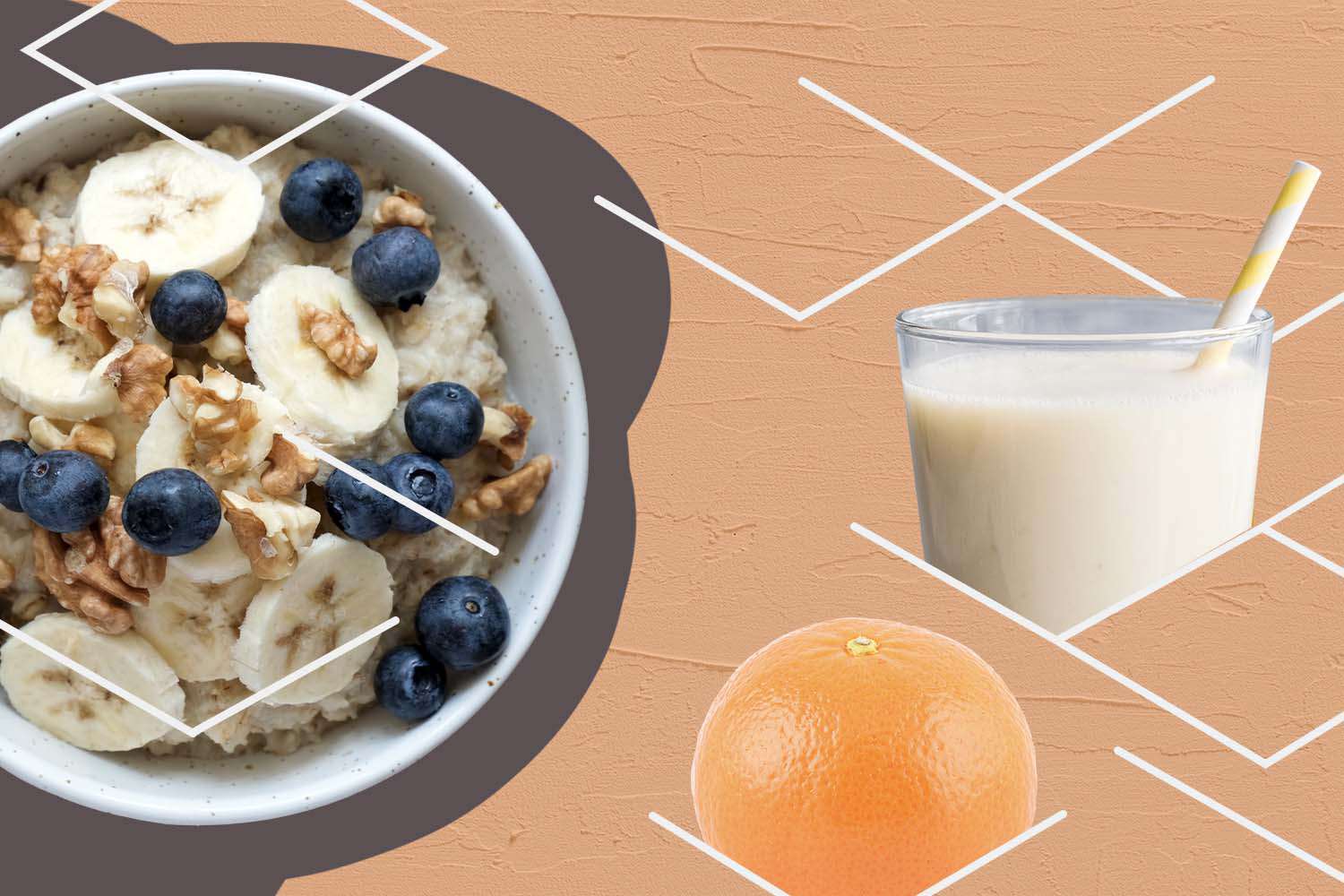
- Breakfast: Overnight oats with chia seeds, blueberries, and walnuts. (High fiber helps with pregnancy-induced constipation).
- Lunch: Mixed bean salad with canned light tuna. (Ensure it’s "light" tuna for lower mercury levels).
- Dinner: Whole wheat pasta with a "hidden veggie" marinara sauce (puree spinach or carrots into the sauce if you have an aversion to textures).
- Nutrient Spotlight: Folate. Lentils and leafy greens in the sauce/salad support neural development.
Day 3: Managing the Quease
- Breakfast: Banana and ginger smoothie with Greek yogurt.
- Lunch: Simple turkey and cheese sandwich on whole-grain bread with a side of plain crackers.
- Dinner: Slow-cooker white bean and chicken soup. (Soft textures are often easier to digest when you’re feeling nauseous).
- Nutrient Spotlight: Ginger & Probiotics. Focusing on gut health and stomach-soothing ingredients.
Day 4: Iron & Protein
- Breakfast: Greek yogurt bowl with granola, hemp seeds, and sliced strawberries. (Vitamin C in berries helps absorb the iron in the seeds).
- Lunch: Leftover white bean and chicken soup from Day 3.
- Dinner: Lean beef or tofu stir-fry with kale, bell peppers, and ginger.
- Nutrient Spotlight: Iron. Using lean beef or tofu to support your expanding blood volume.
Day 5: Healthy Fats & Omega-3s
- Breakfast: Whole wheat toast with almond butter and a sliced banana.
- Lunch: Quinoa and edamame power bowl with a lemon-tahini dressing.
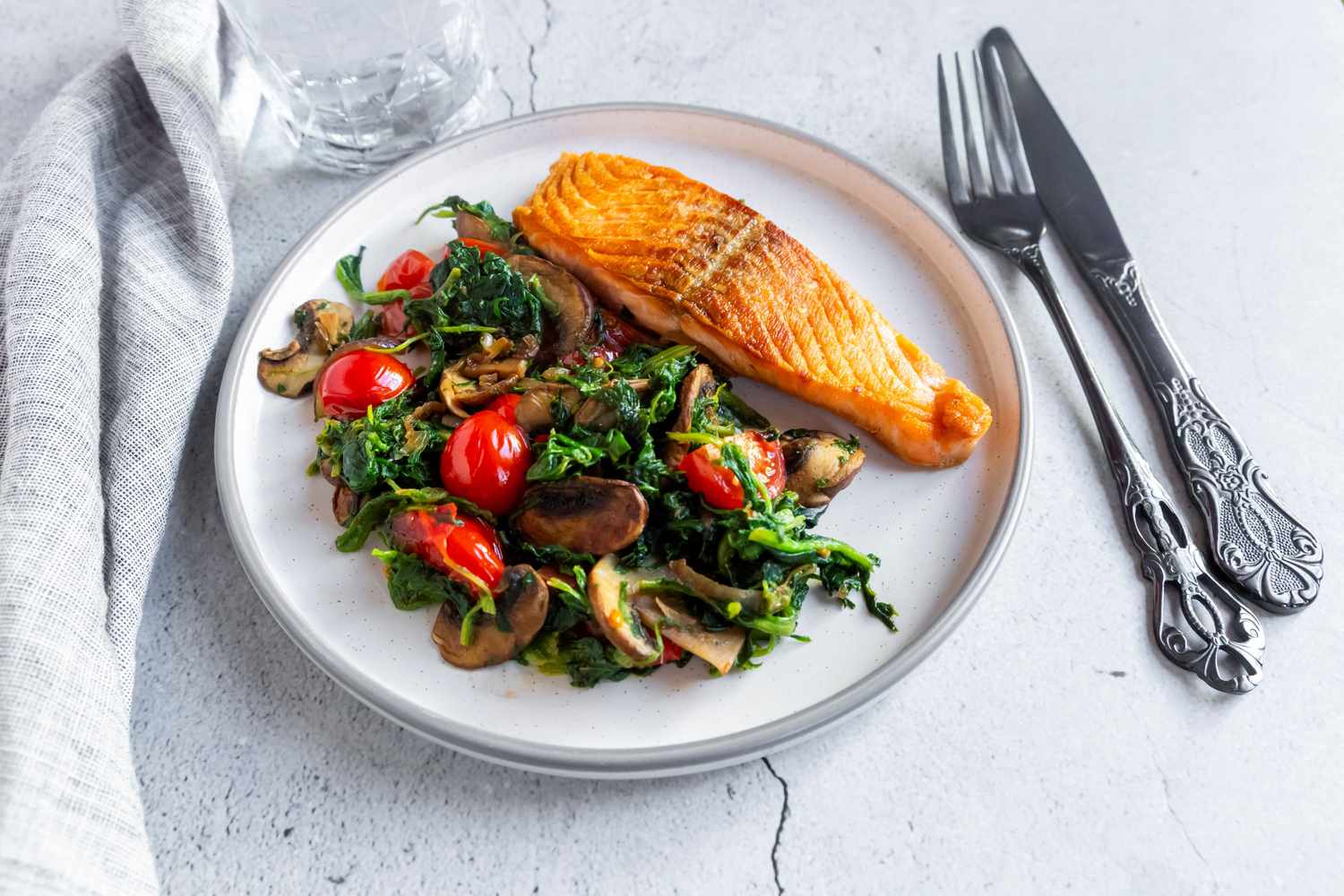
- Dinner: Baked salmon with a roasted sweet potato.
- Nutrient Spotlight: DHA/Omega-3s. Salmon is a low-mercury fish that is vital for your baby's eye and brain development.
Day 6: Easy Saturday Prep
- Breakfast: Whole grain waffles topped with nut butter and fruit.
- Lunch: Mason jar salad with chickpeas, feta cheese, and cucumbers.
- Dinner: Sheet pan roasted chicken thighs with root vegetables (carrots, parsnips, and potatoes).
- Nutrient Spotlight: Vitamin A & Calcium. Root vegetables provide beta-carotene, while feta adds a punch of calcium for bone development.
Day 7: Refresh & Reset
- Breakfast: Scrambled eggs with a handful of spinach and whole-grain toast.
- Lunch: Egg salad pita wraps using leftovers from your breakfast prep.
- Dinner: Red lentil stew (Dahl) served over brown rice.
- Nutrient Spotlight: Complex Carbohydrates. Ending the week with slow-releasing energy to help combat "Monday morning fatigue."
Pregnancy Food Safety: What to Avoid
While we focus on what to add, we must be mindful of what to limit or avoid to protect your developing baby from foodborne illnesses like Listeria or high levels of heavy metals.
| Fish Category | Green Light (Safe/Low Mercury) | Red Light (Avoid/High Mercury) |
|---|---|---|
| Common Choices | Salmon, Shrimp, Tilapia, Cod, Pollock | Swordfish, King Mackerel, Tilefish, Shark |
| Tuna | Canned Light Tuna, Skipjack | Bigeye Tuna, Ahi Tuna, Albacore (Limit) |
| Preparation | Fully cooked (145°F internal) | Raw sushi, Sashimi, Ceviche |
Beyond fish, ensure all cheeses are pasteurized (most US grocery store cheeses are, but check the label on soft cheeses like brie or feta). Avoid undercooked meats (no rare steaks for now) and wash all produce thoroughly, even if it says "pre-washed," to avoid Toxoplasmosis.
FAQ
What should a first trimester meal plan focus on? A first trimester meal plan should prioritize nutrient-dense foods rich in folate, iron, calcium, and choline. Simultaneously, it must be practical enough to include "survival foods" like bland starches (crackers, toast) and ginger-based items to help manage morning sickness and the intense fatigue common in the first 12 weeks.
How do I get enough choline if I don't like eggs? If eggs are a "no-go" due to aversions, focus on chicken breast, lean beef, roasted soybeans (edamame), and kidney beans. Some cruciferous vegetables like roasted cauliflower also contain modest amounts of choline.
Can I drink coffee during the first trimester? Yes, but moderation is key. Most health organizations, including ACOG, suggest limiting caffeine to 200mg per day (roughly one 12-ounce cup of coffee). Be mindful that caffeine can sometimes exacerbate nausea or heartburn in the first trimester.
Conclusion & Next Steps
Navigating the first trimester is about finding the balance between what your baby needs and what your body can currently handle. Don't beat yourself up if you have a day where all you can manage is white toast and a ginger ale—that's why we have prenatal vitamins.
The most important "next step" is to start small. Choose just two recipes from the plan above to prep this Sunday. By lowering the barrier to entry, you’re more likely to stick to a routine that nourishes both you and your growing little one. You’ve got this, Mama.