If you aren't measuring your effort, you’re just guessing. In the world of high-performance training, heart rate data is the ultimate truth-teller. Whether you’re grinding through a HIIT session or pacing yourself for a marathon, knowing exactly which zone you’re in determines whether you’re building aerobic capacity or simply spinning your wheels. To find the most reliable tools for the job, our team put 18 of the market's leading wearables through a rigorous testing gauntlet. Only 44% of the monitors tested—8 out of 18—met our high standards for ease of use, wearing comfort, and, most importantly, data accuracy during dynamic movement.
For those looking for the bottom line immediately: The Garmin Vivomove Sport is the best overall heart rate monitor watch of 2025. It earns this title through its seamless user interface, 5ATM waterproof rating, and highly accurate activity tracking that serves everyone from weekend joggers to dedicated fitness enthusiasts. If your priority is longevity, the Amazfit Band 7 leads the category with a battery life of up to 18 days, providing the most endurance for budget-conscious athletes. While many ask, "Are wrist-based heart rate monitors accurate?" our testing confirms that while they may slightly lag behind chest straps during rapid-fire sprints, top-tier models like the Garmin Vivoactive 5 provide exceptional accuracy for distance, pacing, and sustained cardio efforts.
Quick Comparison: Top Rated Trackers at a Glance
| Model | Primary Strength | Battery Life | GPS Type | Water Resistance |
|---|---|---|---|---|
| Garmin Vivomove Sport | Best Overall | 5-6 Days | Connected | 5 ATM |
| Amazfit Band 7 | Best Budget | 18 Days | Connected | 5 ATM |
| Garmin Vivoactive 5 | Best for Runners | 11 Days | Built-in | 5 ATM |
| Fitbit Charge 6 | Best with GPS | 7 Days | Built-in | 50m |
| Fitbit Sense 2 | Advanced Data | 10 Days | Built-in | 50m |
| Fitbit Inspire 3 | Sleep & Wellness | 10 Days | Connected | 50m |
| Amazfit Active 2 | High-End Battery | 10-14 Days | Built-in | 5 ATM |
| Polar Pacer Pro | Best Design | 6 Days | Built-in | 50m |
Our Testing Methodology
To provide these recommendations, we didn't just look at spec sheets; we hit the pavement and the gym floor. Our testing protocol involved wearing multiple devices simultaneously during varied workouts: steady-state runs, 400-meter track repeats, and heavy metabolic conditioning. We evaluated each device based on four critical pillars: Setup Simplicity, Long-term Comfort, Data Precision, and Software Integration.
We also consulted with professional trainers and cardiologists to understand how these optical sensors interpret blood flow and where they might stumble. Our goal was to find watches that don't just give you a number, but provide actionable insights into your recovery and training load.
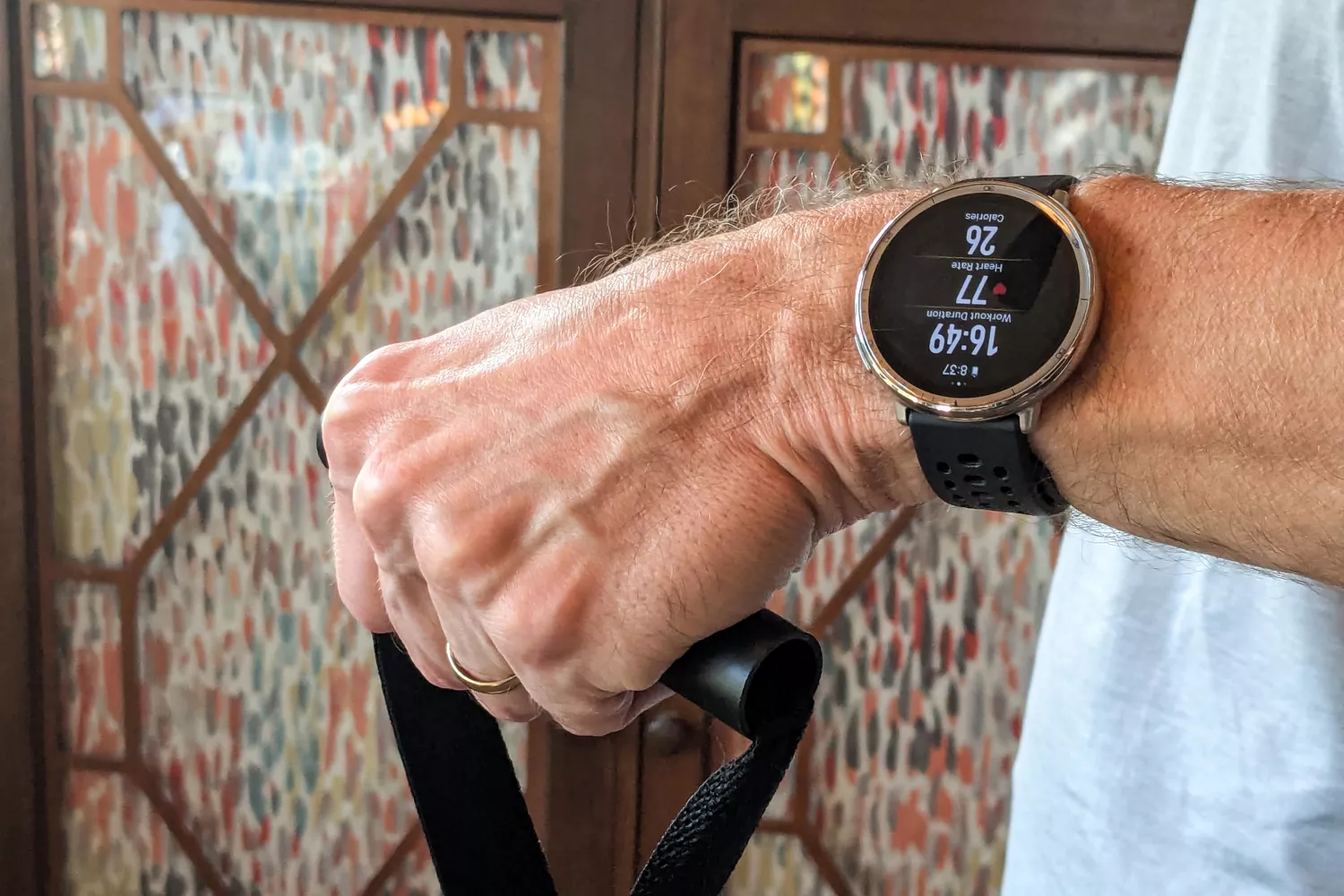
1. Best Overall: Garmin Vivomove Sport
The Garmin Vivomove Sport is a masterclass in "stealth health." At first glance, it looks like a sophisticated analog timepiece, but a double-tap on the glass reveals a hidden touchscreen display packed with Garmin’s industry-leading biometric sensors.
Key Specs:
- Battery: 5-6 days (Smartwatch mode)
- Waterproof: 5 ATM (Swim-ready)
- GPS: Connected GPS (via smartphone)
- Heart Rate: Garmin Elevate Gen 4 sensor
Why do we love it? It simplifies the complex. For many athletes, the "data fatigue" of high-end multisport watches is real. The Vivomove Sport provides exactly what you need—accurate real-time heart rate, Body Battery™ energy monitoring, and stress tracking—without feeling like a computer strapped to your wrist. During our tests, the heart rate response during steady-state cardio was nearly identical to a chest strap, making it a reliable companion for zone-2 training.
Pros:
- Classic, stylish aesthetic suitable for the office or the gym.
- Highly intuitive interface that isn't overwhelming for beginners.
- "Body Battery" feature is incredibly accurate for gauging recovery needs.
Cons:
- Requires a proprietary Garmin charging cable.
- Lacks built-in GPS (must carry your phone for mapped runs).
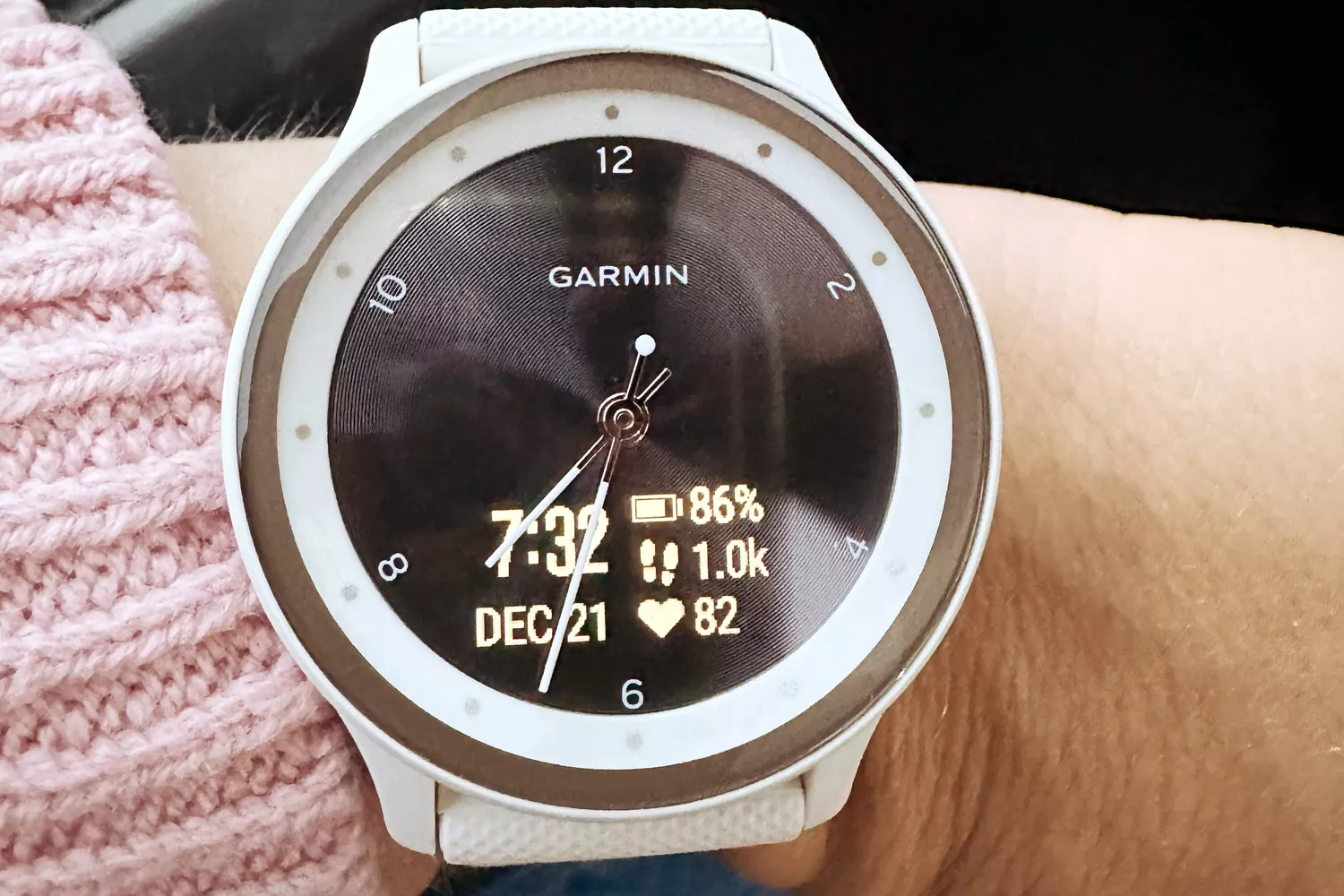
2. Best Budget: Amazfit Band 7
If you want the most "bang for your buck" without sacrificing the core metrics, the Amazfit Band 7 is the undisputed champion. It’s a lightweight, no-nonsense tracker that punches way above its weight class in terms of feature density.
Key Specs:
- Battery: Up to 18 days (Typical use)
- Waterproof: 5 ATM
- Display: 1.47" Always-on AMOLED
- Metrics: HR, SpO2, Stress, Sleep
Which heart rate monitor has the longest battery life? The Amazfit Band 7 dominates this category with an 18-day battery life. In our testing, even with all the "pro" tracking features enabled, we comfortably cruised past the two-week mark. The inclusion of a running cadence detector and a "Virtual Pacer" at this price point is a game-changer for those looking to improve their running form without spending $300.
Pros:
- Massive battery life reduces "charging anxiety."
- Large, vibrant AMOLED screen is easy to read in direct sunlight.
- Extremely lightweight; you’ll forget you’re wearing it.
Cons:
- The Zepp app can be a bit cluttered compared to Garmin or Fitbit.
- Connected GPS can take a moment to sync with your phone.
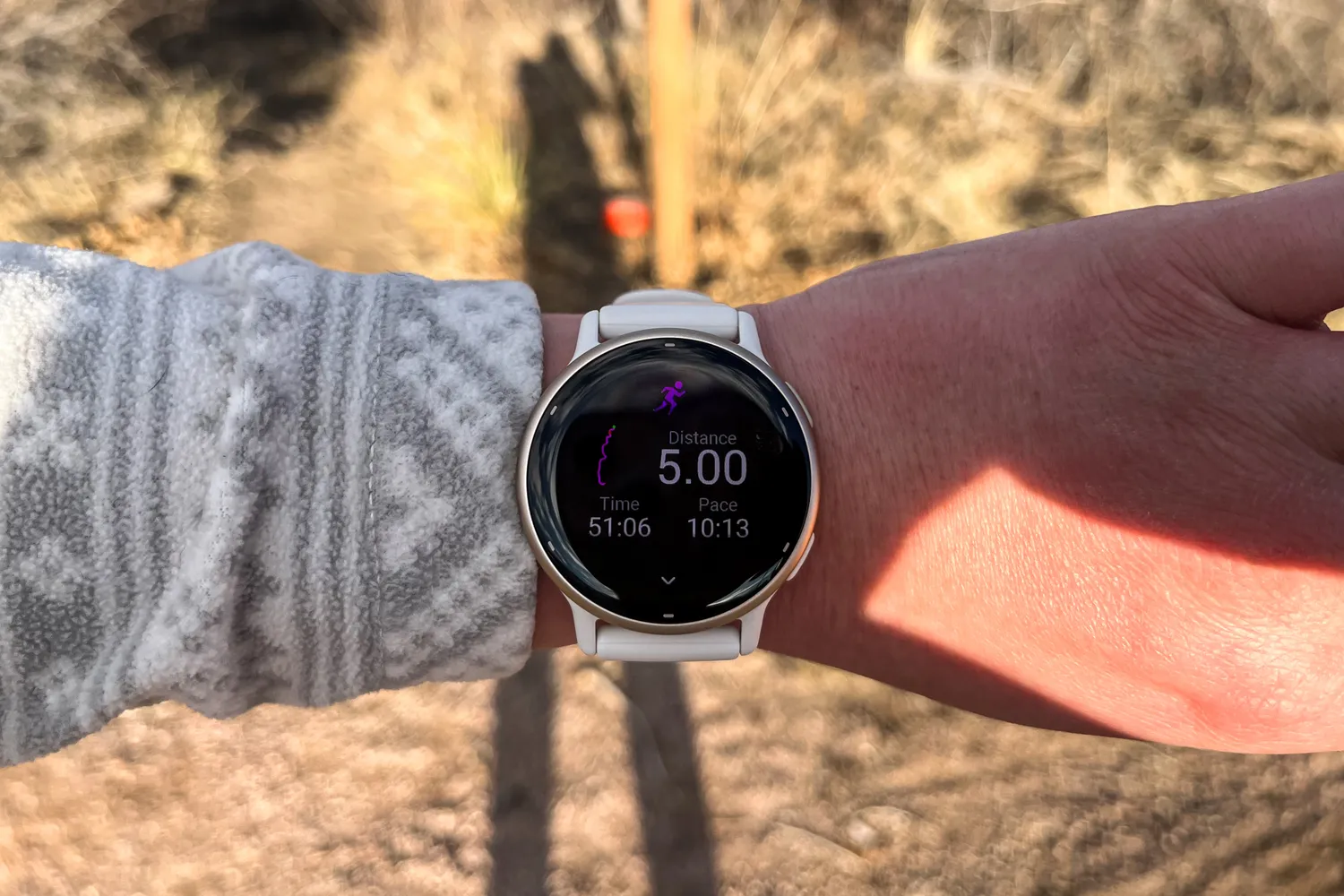
3. Best for Runners: Garmin Vivoactive 5
For the serious runner who needs deep metrics but prefers a sleek profile over the ruggedness of a Fenix or Epix, the Vivoactive 5 is the sweet spot. It’s designed to be a coach on your wrist.
Key Specs:
- Battery: Up to 11 days
- GPS: Multi-GNSS built-in
- Display: AMOLED Touchscreen
- Coaching: Garmin Coach training plans
Are wrist-based heart rate monitors accurate? While chest straps use electrical signals (ECG), wrist-based sensors like those in the Garmin Vivoactive 5 use optical (PPG) technology. Our tests showed that the Vivoactive 5 tracks within 1-2 beats per minute of an ECG strap during sustained runs. The accuracy is exceptional for distance and pacing, provided you wear the band snugly above the wrist bone to prevent "light leak."
Pros:
- Built-in GPS is remarkably fast at acquiring a signal.
- Customizable pace alerts help you stick to your training plan.
- Excellent sleep coaching and HRV (Heart Rate Variability) status.
Cons:
- Touch-only interface can be finicky with sweaty fingers.
- Limited advanced running dynamics (like ground contact time).
4. Best with GPS: Fitbit Charge 6
The Charge series has long been the gold standard for fitness bands, and the Charge 6 brings back the haptic side button, a welcome return for anyone who hated the buttonless design of the previous generation.
Key Specs:
- Battery: 7 days
- GPS: Built-in
- Integration: Full Google suite (Maps, Wallet, YouTube Music)
- Heart Rate: Fitbit’s most accurate sensor to date
The Charge 6 shines during outdoor cardio. With built-in GPS, you can leave your phone at home and still get accurate pace and distance data. We particularly liked the automatic workout detection; if you start a brisk walk or a run, the device recognizes the increased heart rate and asks if you'd like to track the session.
Pros:
- Seamless integration with Google Maps for turn-by-turn directions.
- Highly sweat-resistant band and a very slim profile.
- Ability to sync heart rate data to compatible gym equipment (Peloton, Concept2).
Cons:
- Requires a Fitbit Premium subscription for the best data insights.
- GPS can drain the battery quickly if used for long-distance treks.
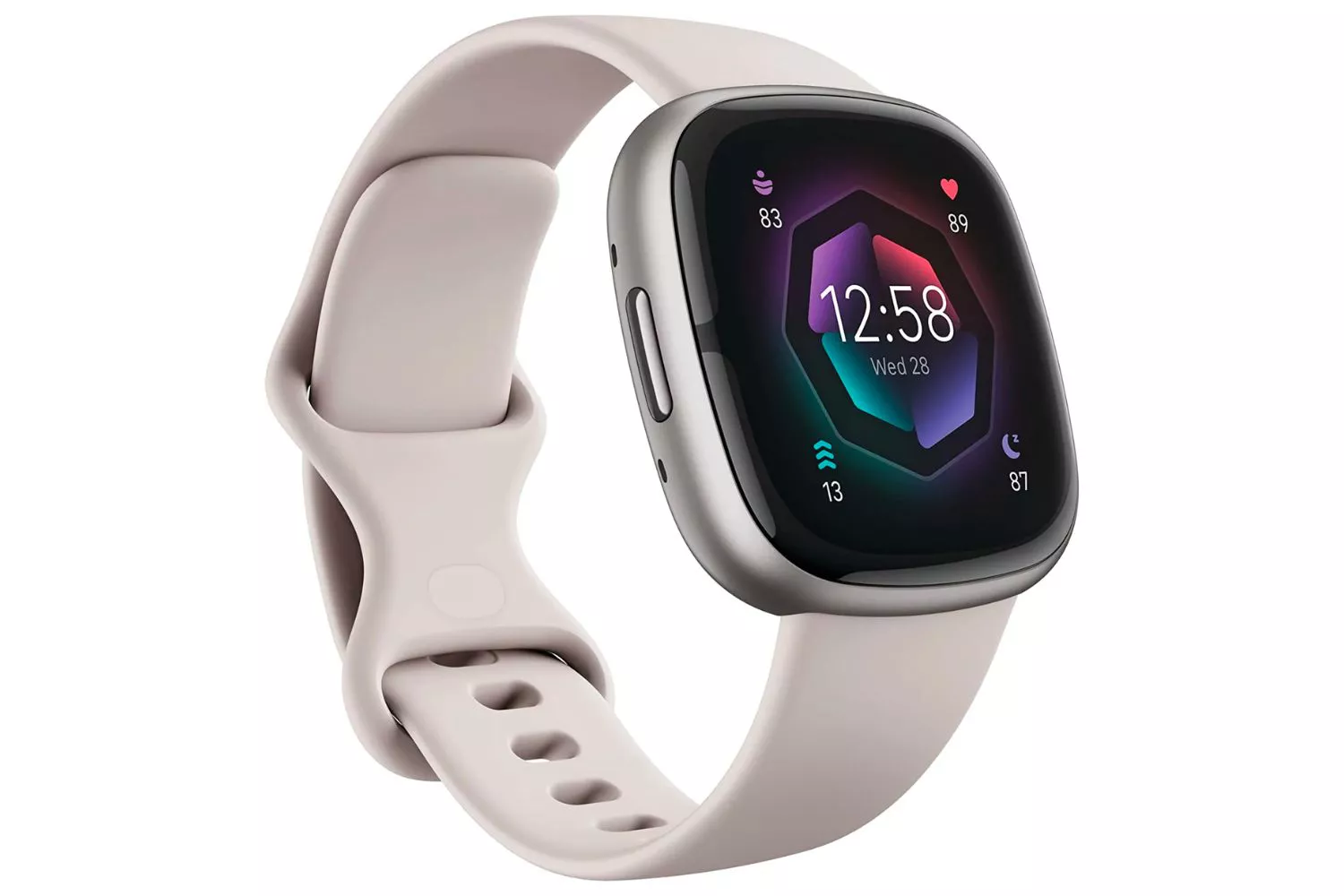
5. Best for Advanced Data: Fitbit Sense 2
If you view your body as a high-performance machine that needs constant fine-tuning, the Fitbit Sense 2 is for you. It goes beyond heart rate to track the "unseen" metrics of health.
Key Specs:
- Battery: 10 days
- Sensors: ECG, cEDA (Stress), Skin Temperature
- GPS: Built-in
- Interface: All-new Fitbit OS
What sets the Sense 2 apart is its ability to track stress in real-time. Using a continuous electrodermal activity (cEDA) sensor, it alerts you to physiological signs of stress before you might even realize you're feeling it. This is invaluable for athletes who need to balance high-intensity training with adequate recovery.
Pros:
- The most comprehensive "Health Dashboard" in the industry.
- ECG app for checking irregular heart rhythms (AFib).
- Beautiful, high-resolution display with a snappy interface.
Cons:
- Lacks support for third-party apps found on the original Sense.
- The focus is more on general wellness than hardcore athletic performance.
6. Best for Sleep & Wellness: Fitbit Inspire 3
Not every athlete wants a bulky watch. The Fitbit Inspire 3 is for those who want a "barely-there" feel while still capturing the essentials of heart health and sleep recovery.
Key Specs:
- Battery: 10 days
- Design: Ultra-slim and lightweight
- Features: Heart rate zones, SmartWake alarm, Sleep score
Recovery is where the gains are made. The Inspire 3’s "SmartWake" feature is a standout—it vibrates during your lightest sleep stage within a 30-minute window of your alarm, ensuring you wake up feeling refreshed rather than groggy. Its compact size makes it the most comfortable device for 24/7 wear, which is crucial for building a consistent data profile.
Pros:
- Extremely affordable entry point into the Fitbit ecosystem.
- Discreet enough to be worn alongside a traditional watch.
- Excellent battery life for such a small device.
Cons:
- Screen is small, making it difficult to read detailed stats mid-workout.
- No built-in GPS.
7. Best High-End Battery: Amazfit Active 2
The Amazfit Active 2 is built for the "always-on" athlete. If you find yourself forgetting to charge your devices, this watch offers a buffer that most competitors can't match.
Key Specs:
- Battery: 10 days heavy use / 14 days typical
- Activity Modes: 160+ sports modes
- Display: 1.75" Large HD AMOLED
- Design: Aluminum alloy frame with ventilated band
We were particularly impressed by the outdoor visibility. The large, bright display makes it easy to check heart rate zones even in high-noon sunlight. The ventilated silicone band is also a thoughtful touch, preventing the "skin swamp" that often occurs during long, humid summer runs.
Pros:
- Top-tier battery performance even with "Always-On" display enabled.
- Huge variety of tracked activities, including niche sports.
- Very competitive pricing for a full-featured smartwatch.
Cons:
- The software can occasionally feel less polished than Garmin.
- Sleep tracking isn't quite as nuanced as Fitbit’s.
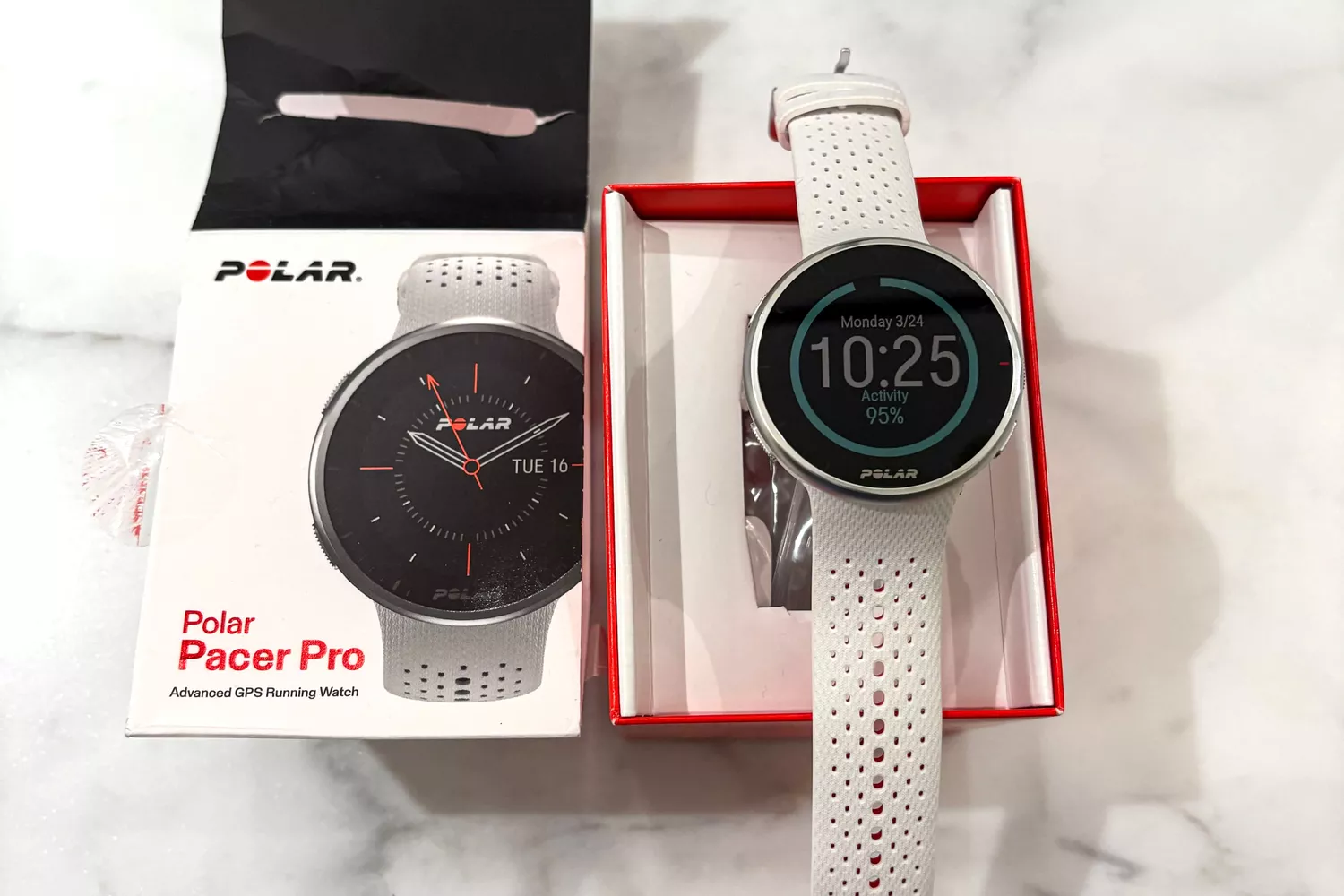
8. Best Design: Polar Pacer Pro
Polar is a name synonymous with heart rate tracking, and the Pacer Pro is their love letter to minimalist performance. It’s a dedicated running watch that looks as good in a suit as it does in a singlet.
Key Specs:
- Battery: 6 days (35 hours with full GPS/HR tracking)
- Weight: 41g (Ultra-lightweight)
- Screen: Memory-in-pixel (MIP) reflective display
- Tech: Precision Prime™ sensor fusion
The Pacer Pro is all about speed. Everything from the processor to the lightweight construction is designed to keep you moving. The "Precision Prime" sensor technology uses 10 LEDs across different wavelengths to penetrate deeper into the skin, providing what many experts consider to be the most accurate wrist-based heart rate reading on the market.
Pros:
- One of the most lightweight professional-grade watches available.
- The "Running Power" metric is built-in (no extra pods needed).
- Stylish, breathable strap designed for all-day comfort.
Cons:
- MIP display is great for sun, but less "vibrant" than AMOLED.
- Lacks some of the lifestyle features like music storage or voice assistants.
Buyer’s Guide: What to Look for in 2025
The wearable market has evolved. In 2025, a heart rate monitor needs to do more than just count beats; it needs to contextalize them. When shopping, consider these three pillars of modern fitness tracking:
Beyond the Beats: Advanced Metrics
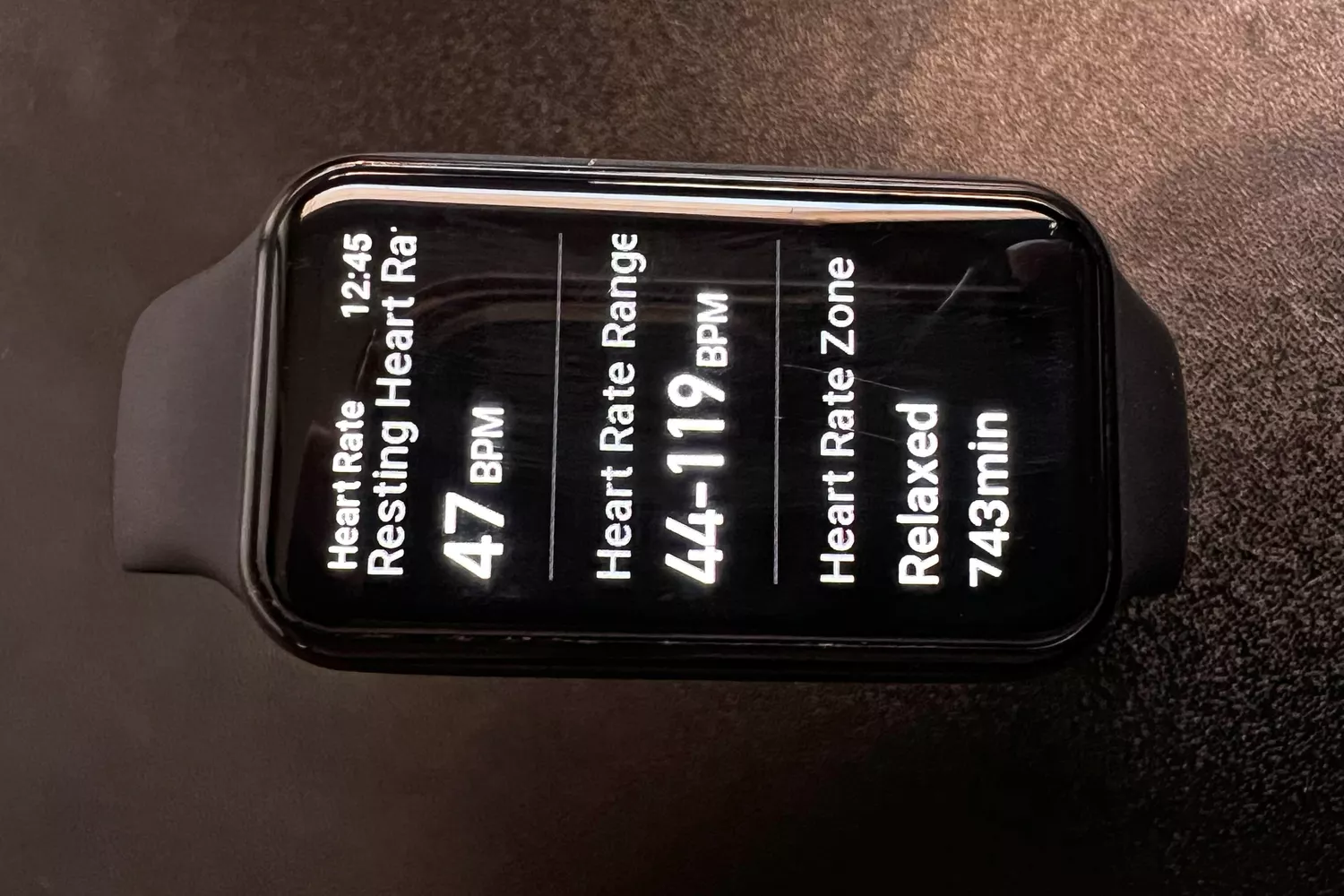
Look for devices that track HRV (Heart Rate Variability) and SpO2 (Blood Oxygen). HRV is the gold standard for measuring your nervous system's readiness to train. A high HRV suggests you’re ready for a PR attempt, while a low HRV signals you should probably opt for a recovery walk.
Form Factor: Chest Strap vs. Optical Wrist
Wrist-based sensors (optical) are great for convenience and 24/7 tracking. However, if you are doing high-intensity intervals (HIIT) where your heart rate spikes and drops rapidly, a chest strap (ECG) is still the king of precision. Some watches, like the Garmin and Polar models mentioned above, allow you to pair an external chest strap for your hard workouts while using the wrist sensor for daily life.
The Battery Endurance Gap
Battery performance in 2025 shows a massive range—from 5 days on premium hybrid models to 18 days on budget-friendly bands. If you are an ultra-marathoner or a frequent traveler, those 18 days are a lifesaver. If you don't mind a nightly or bi-weekly charging ritual, you can opt for the more sensor-heavy smartwatches.
FAQs
How tight should a heart rate monitor watch be? For the most accurate reading, the watch should be snug but not restrictive. It should sit about one finger-width above your wrist bone. If you can slide a finger easily under the sensor, it's too loose and "light leak" will cause erratic readings.
Can these watches detect heart health issues? Many modern monitors like the Fitbit Sense 2 and Garmin models feature high/low heart rate alerts and ECG apps. While these are excellent for providing early warnings (like signs of AFib), they are not medical devices. Always consult a physician if you receive a heart health notification.
Why does my heart rate seem lower on my watch during heavy lifting? Wrist-based sensors can struggle during strength training because gripping a bar constricts blood flow in the wrist, making it harder for the optical sensor to "see" the pulse. For heavy lifting, a chest strap or an upper-arm optical sensor is often more reliable.
Conclusion
Maximizing your cardio isn't about working harder; it's about working smarter. The right heart rate monitor acts as your physiological compass, ensuring every drop of sweat contributes to your goals. Whether you choose the all-around excellence of the Garmin Vivomove Sport, the marathon-like battery of the Amazfit Band 7, or the runner-centric data of the Garmin Vivoactive 5, you're taking a definitive step toward a more disciplined, data-driven fitness journey.
Ready to level up? Choose the tracker that fits your lifestyle, strap it on, and let the data lead the way. Your future self will thank you for the precision.