Back in 2009, when the running world was obsessed with minimalist "barefoot" shoes that offered little more than a thin slice of rubber between your foot and the pavement, a small brand emerged from the French Alps with a radical, almost cartoonish counter-proposal. Hoka didn't just add a little cushion; they pioneered the "maximalist" movement with oversized midsoles and a rocking chair-like geometry. What started as a niche tool for ultramarathoners has, in 2025, become the gold standard for performance across every discipline—from sprinting local 5Ks to navigating technical ridgelines.
What makes Hoka shoes unique is their signature combination of two proprietary technologies: the Meta-Rocker geometry and oversized foam midsoles. The Meta-Rocker acts like a rocking chair for your foot, engineered to provide a smooth, efficient heel-to-toe transition that reduces the energy cost of running. Meanwhile, those thick midsoles offer maximum shock absorption without the heavy weight usually associated with bulk. Our testing of 10+ Hoka models this year reveals that Hoka continues to lead the industry in orthopedic health as well; 44% of Hoka's 2025 top-tier lineup has earned the APMA (American Podiatric Medical Association) Seal of Acceptance, confirming their efficacy in promoting foot health.
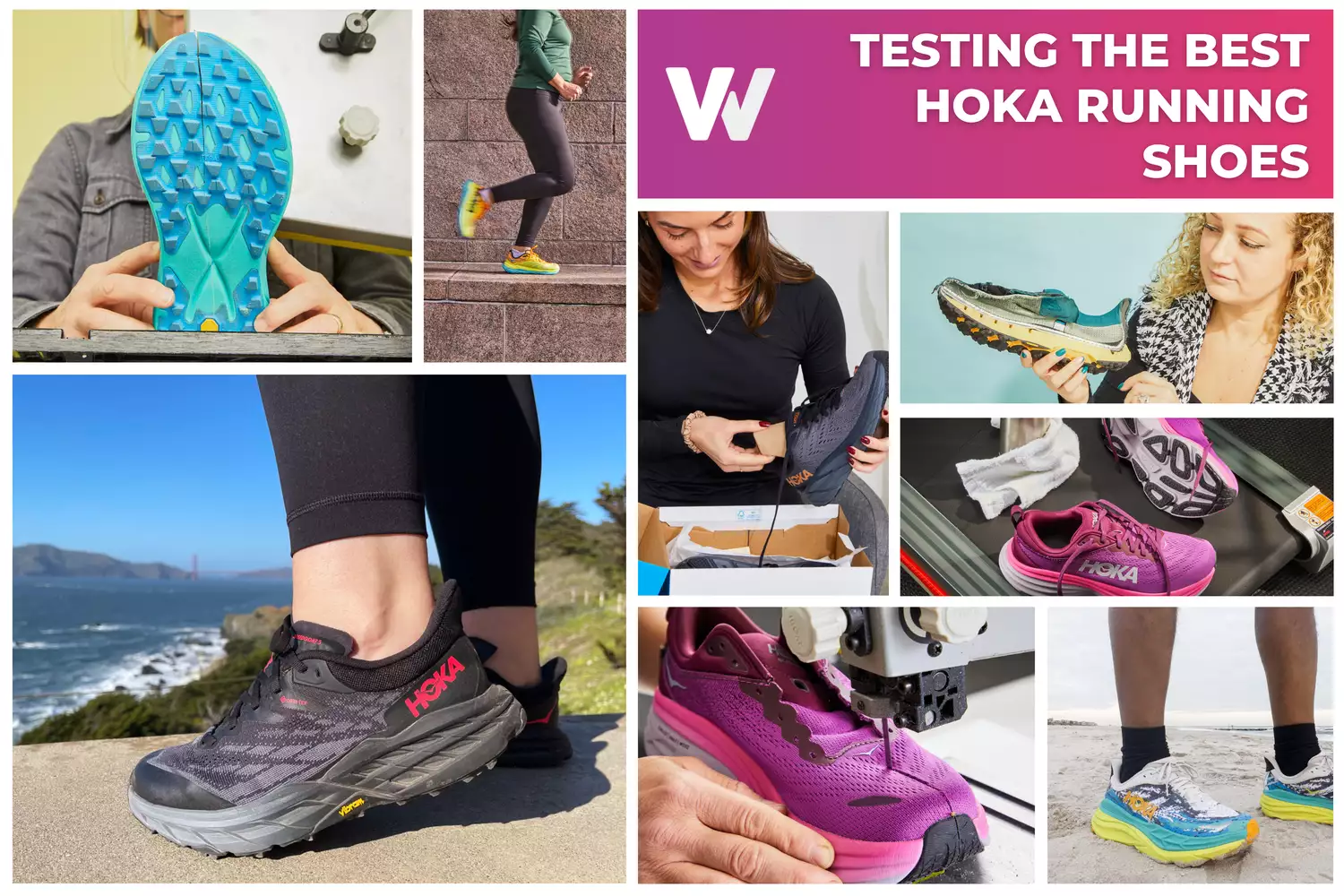
Whether you are looking for the best Hoka running shoes for 2025 to smash a PR or seeking Hoka shoes for plantar fasciitis to stay pain-free, our editorial team has logged thousands of miles to bring you this definitive guide.
2025 Hoka Performance Comparison
| Model | Category | Weight (M/W) | Drop | Best For |
|---|---|---|---|---|
| Clifton 10 | Daily Trainer | 9.8oz / 8.8oz | 8mm | Versatile Daily Miles |
| Mach 6 | Speed/Tempo | 8.2oz / 6.7oz | 5mm | Intervals & Fast Training |
| Bondi 9 | Max Cushion | 11.2oz / 9.2oz | 5mm | Recovery & Joint Protection |
| Speedgoat 6 | Trail | 9.8oz / 8.3oz | 5mm | Technical Trails |
| Arahi 8 | Stability | 9.4oz / 7.7oz | 8mm | Overpronation Support |
| Tecton X 3 | Trail Race | 8.6oz / 7.3oz | 5mm | Elite Trail Racing |
| Cielo X1 2.0 | Road Race | 7.3oz (Unisex) | 7mm | Marathons & PRs |
| Skyward X | Endurance | 10.5oz / 9.1oz | 5mm | High-Mileage "Suspension" |
| Mafate Speed 4 | Tech Trail | 10.4oz / 8.5oz | 4mm | Rugged, Rocky Terrain |
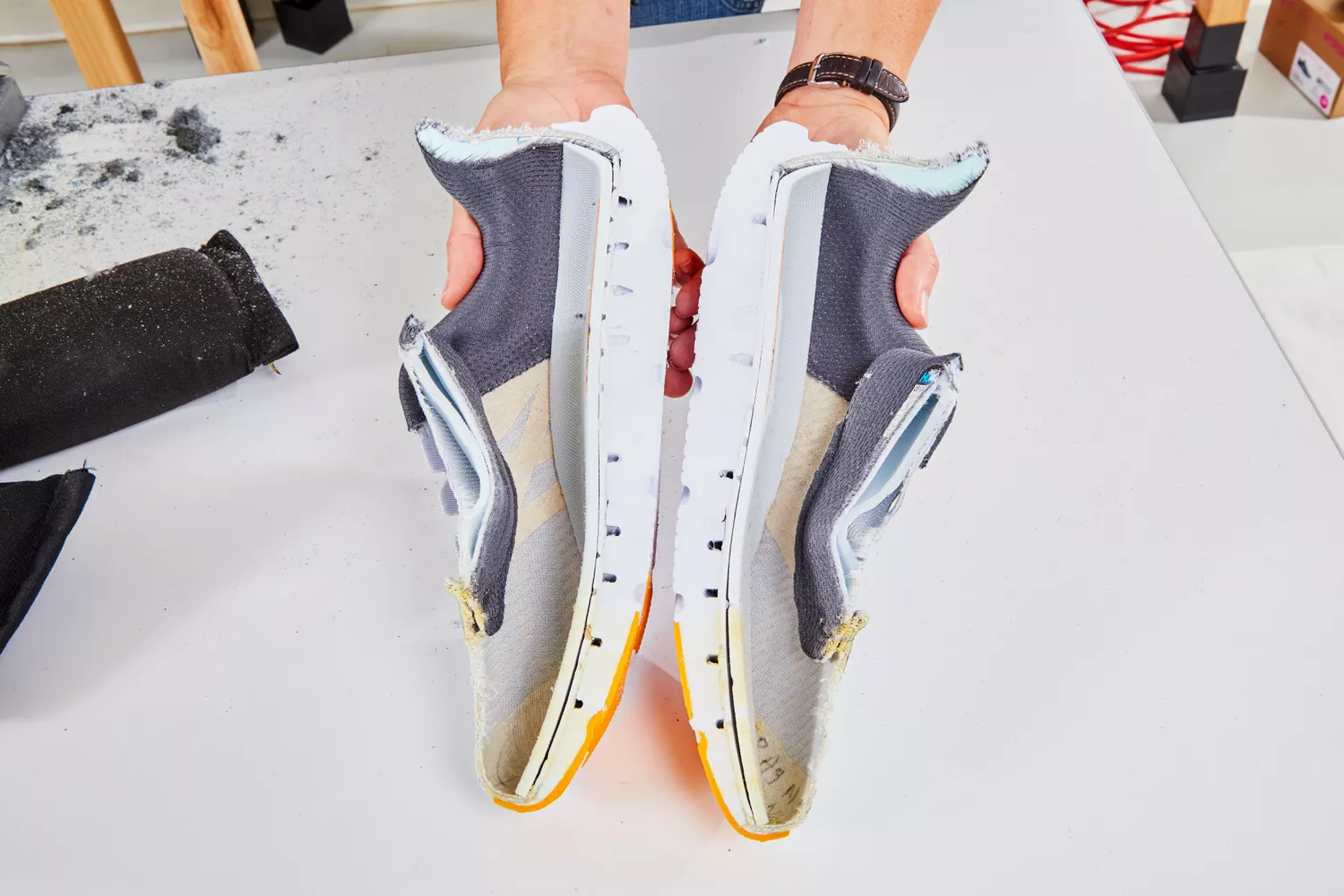
1. Best Overall Road Shoe: Hoka Clifton 10
The Clifton is the shoe that brought Hoka to the masses, and the 10th iteration (affectionately dubbed the "ClifTEN" by our staff) refines the formula nearly to perfection. It strikes the elusive balance between soft cushioning and a lightweight feel. For 2025, Hoka updated the last (the foot shape) to be slightly more accommodating in the instep, addressing a long-standing complaint from runners with higher arches.
Key Specs:
- Weight: 8.8oz (W) / 9.8oz (M)
- Drop: 8mm
- Heel Stack: 42mm
Tester Insight: "The 3mm stack height increase in the heel is the secret sauce here. It provides a noticeable buffer for the Achilles, making those long Sunday runs feel significantly less taxing on the lower legs." — David Park
| Pros | Cons |
|---|---|
| Ultra-smooth Meta-Rocker transition | Might feel too wide for runners with very narrow feet |
| Increased durability in the outsole rubber | Not quite responsive enough for track intervals |
| Exceptional cushion-to-weight ratio |
2. Best for Daily Speed & Tempo: Hoka Mach 6
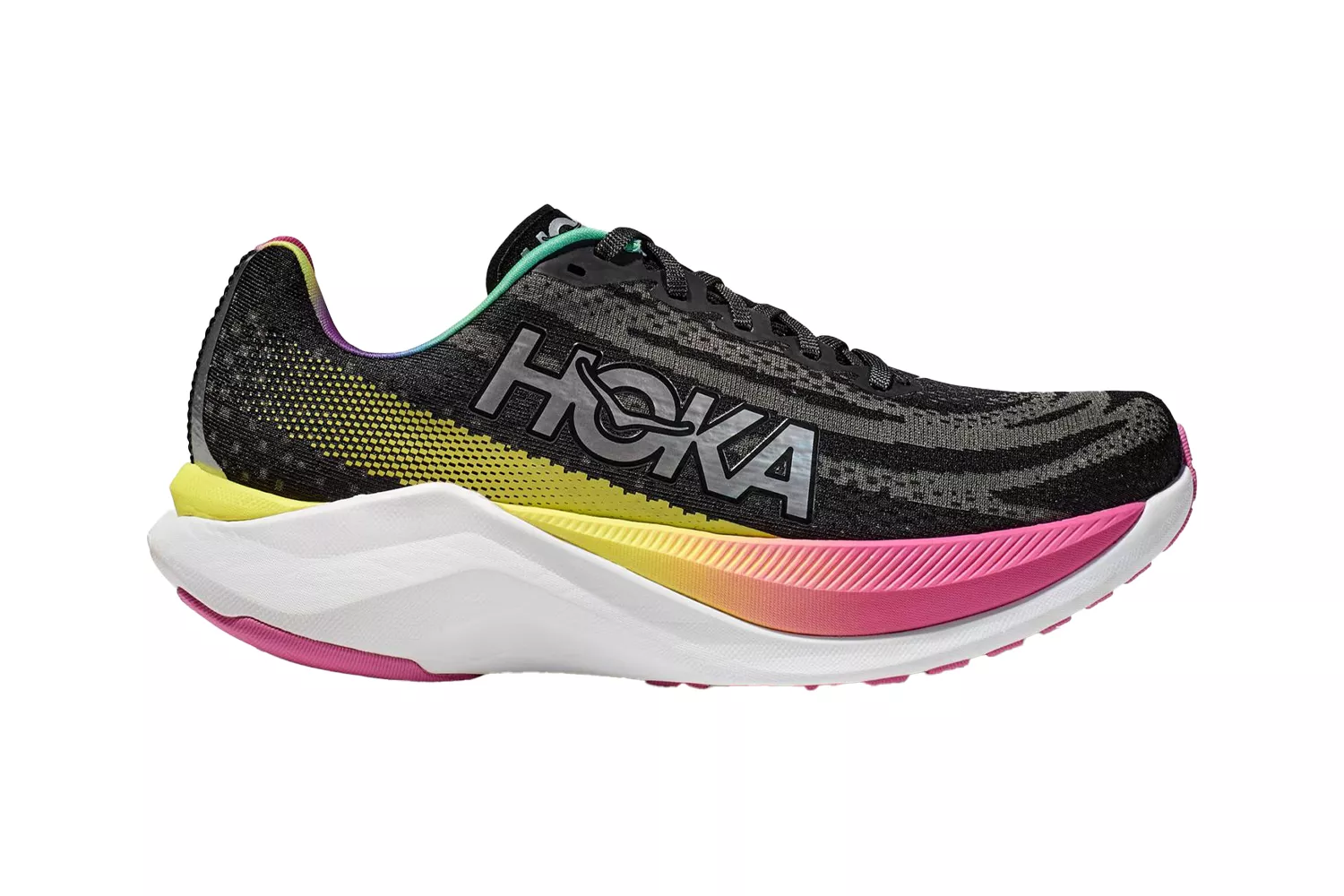
If the Clifton is the reliable sedan, the Mach 6 is the nimble sports car. This shoe is designed for "zippy" miles—think tempo runs, intervals, or even short-distance races for those who dislike carbon plates. By utilizing a supercritical EVA foam (Profly+), Hoka has managed to create a shoe that returns energy quickly without the harshness sometimes found in plated racers.
Key Specs:
- Weight: 6.7oz (W) / 8.2oz (M)
- Drop: 5mm
- Midsole: Supercritical EVA (Profly+)
| Pros | Cons |
|---|---|
| Highly responsive "pop" off the pavement | Exposed foam outsole wears faster than rubber-heavy models |
| Extremely lightweight and breathable | Less protection for long, slow recovery days |
3. Best for Maximum Cushion & Recovery: Hoka Bondi 9
When we talk about the most cushioned Hoka sneakers, the Bondi is the undisputed heavyweight champion. The Bondi 9 takes the maximalist philosophy to the extreme with a massive 43mm heel stack. It is specifically designed to reduce the load on the foot, which is why it remains the gold standard for Hoka shoes for plantar fasciitis.
The Bondi 9 has been awarded the APMA Seal of Acceptance, signaling that podiatrists recognize its benefits for foot health. Despite its massive appearance, the 2025 model feels less "billowy" than the v8, offering a more stable platform that doesn't feel like you’re wobbling on marshmallows.
| Pros | Cons |
|---|---|
| Maximum impact protection for joint pain | The high stack height can feel bulky to some |
| Excellent stability for a neutral shoe | Heavier than most other road models |
4. Best Overall Trail Shoe: Hoka Speedgoat 6
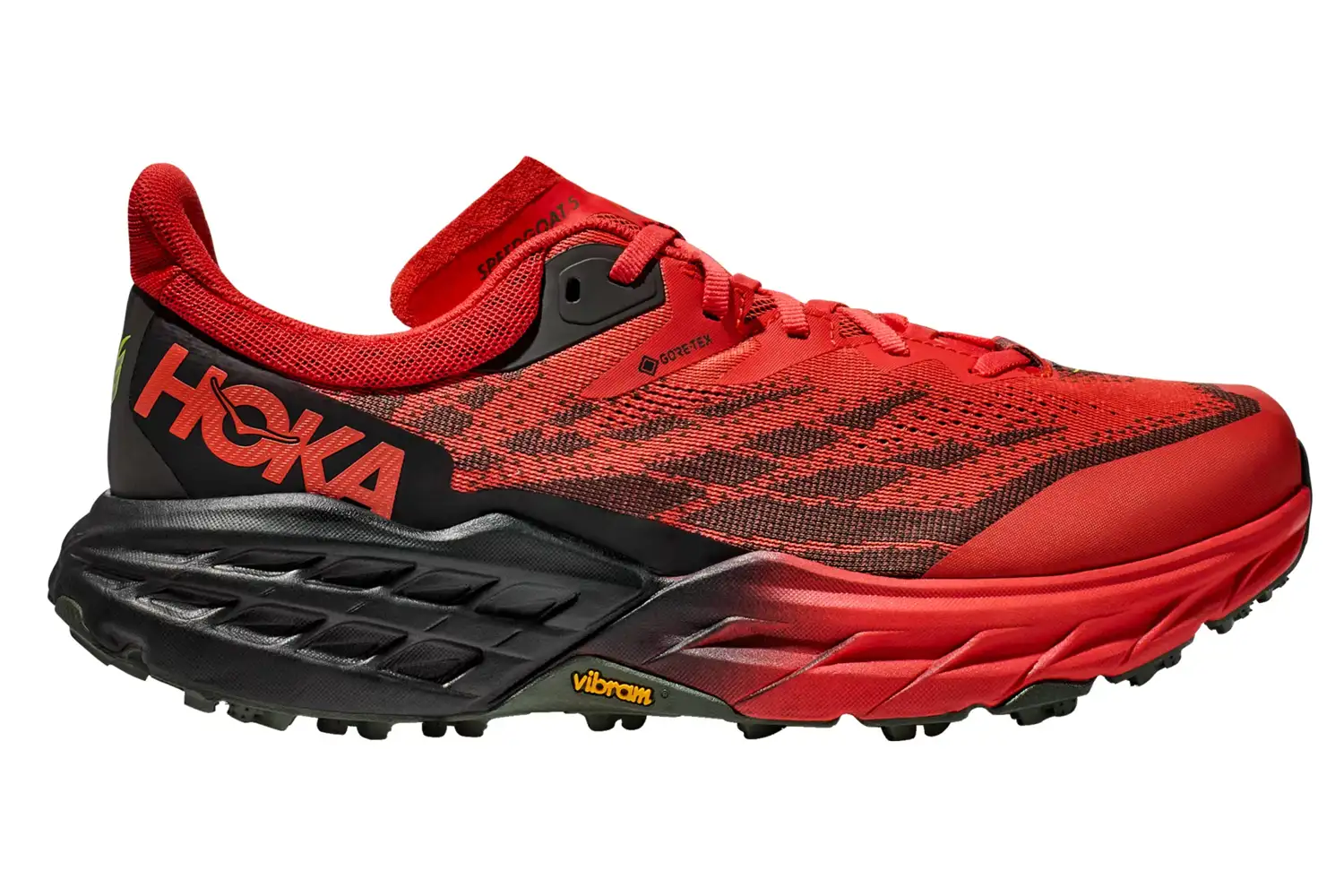
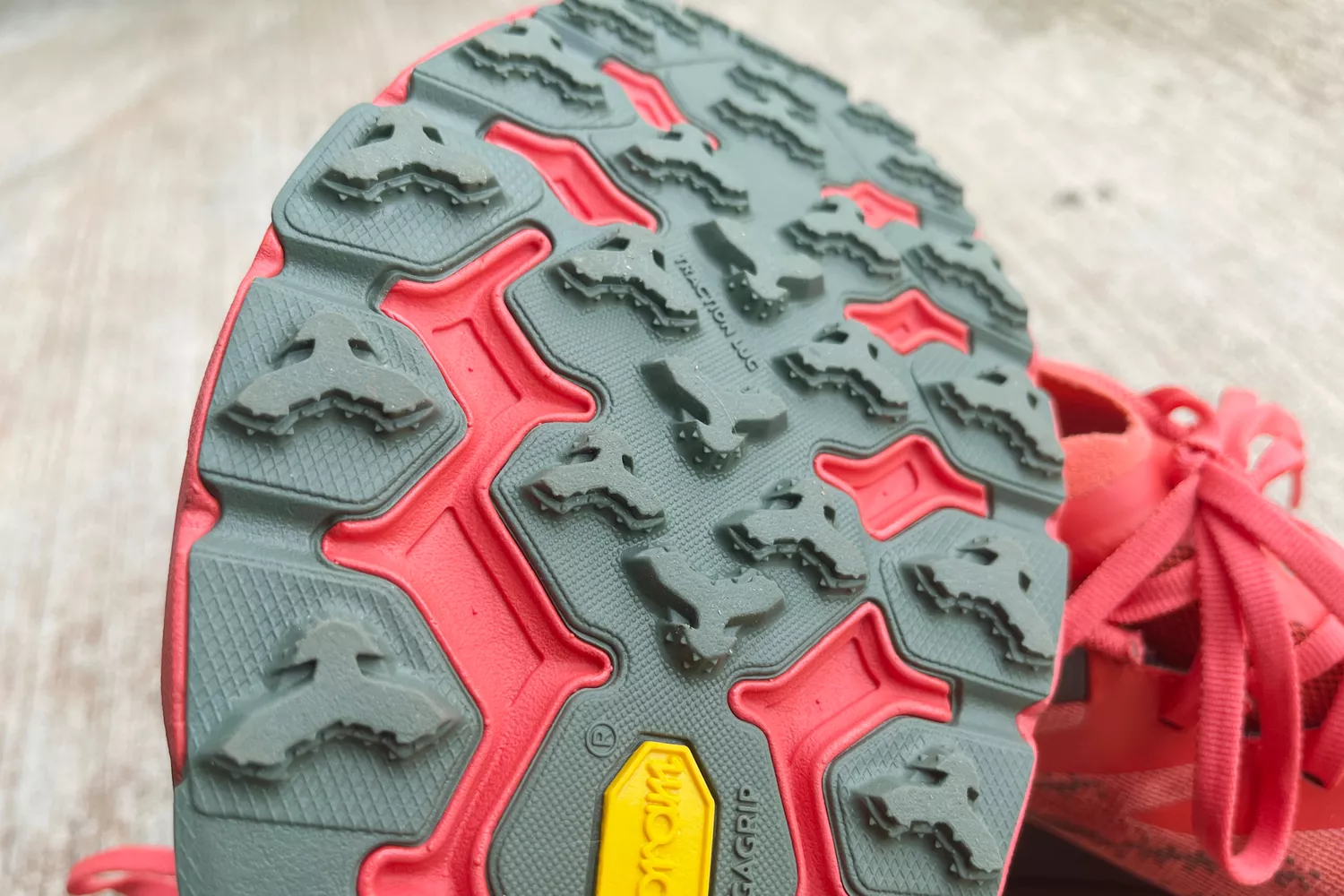
The Speedgoat 6 is the GOAT for a reason. Named after legendary ultrarunner Karl "Speedgoat" Meltzer, this shoe is built to handle everything from muddy singletrack to jagged alpine climbs. The 2025 update features a revised lug orientation on the Vibram® Megagrip outsole, providing even better "claw-like" traction on loose descents.
Key Specs:
- Lugs: 5mm multidirectional
- Outsole: Vibram® Megagrip with Traction Lug
- Upper: Woven textile for drainage
| Pros | Cons |
|---|---|
| Unbeatable grip on wet and dry surfaces | Narrower fit may require the 'Wide' version for some |
| Durable upper that resists trail debris | Firmer ride than the road-focused Cliftons |
5. Best for Stability & Overpronation: Hoka Arahi 8
For runners who deal with overpronation, the Arahi 8 offers a masterclass in "lightweight stability." Traditionally, stability shoes were heavy and rigid. Hoka disrupted this with their J-Frame technology, which has now evolved into the H-Frame in the Arahi 8. This provides a supportive cradle for the foot without the need for a heavy medial post.
Key Specs:
- Weight: 7.7oz (W) / 9.4oz (M)
- Tech: H-Frame supportive midsole
- Target: Runners seeking Hoka stability shoes for overpronation.
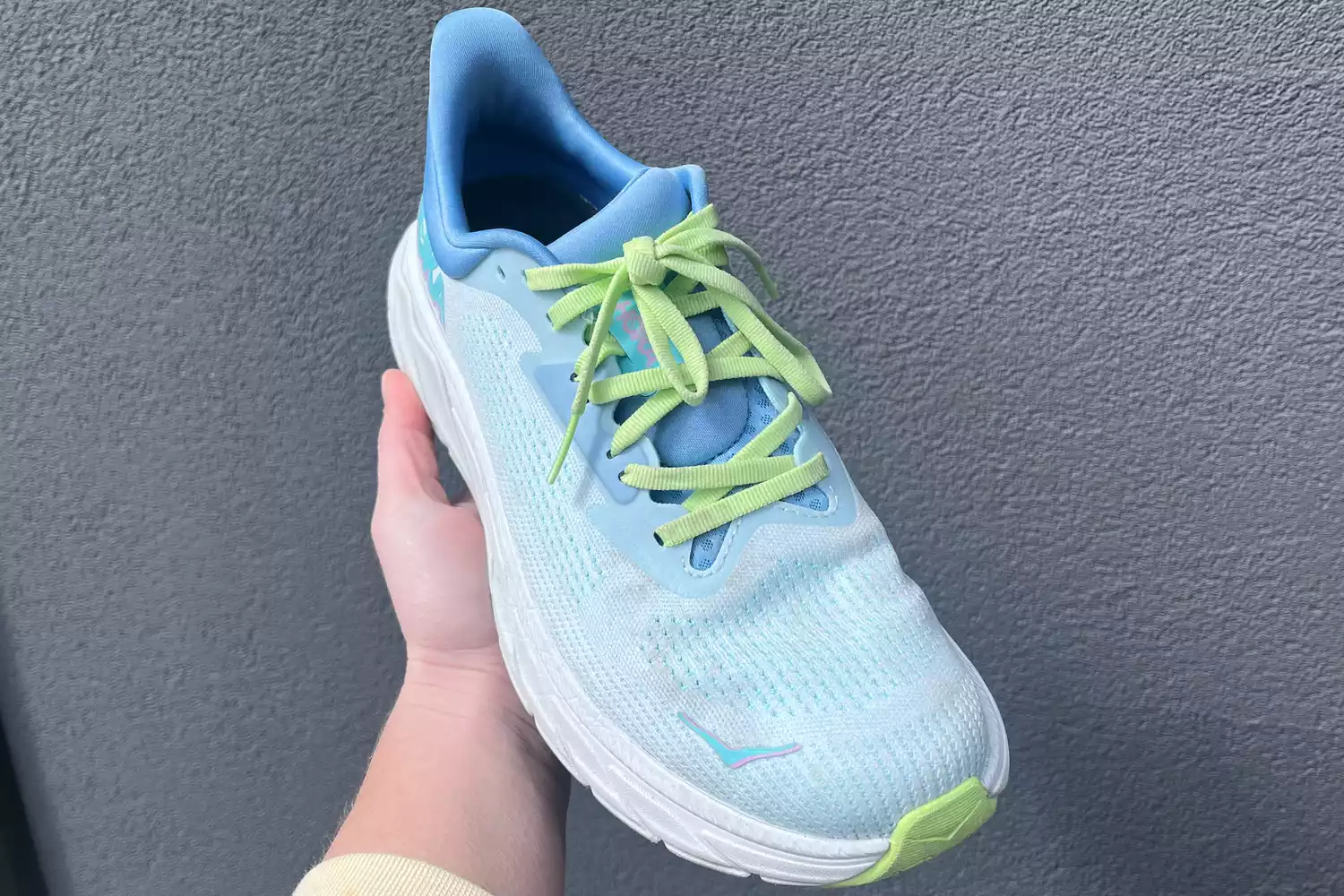
Expert Tip: If you find most stability shoes "stiff," the Arahi is your solution. It maintains the Hoka "roll" while gently guiding your foot back to a neutral position.
6. Best Trail Racing Shoe: Hoka Tecton X 3
When speed is the only priority on the trail, the Tecton X 3 is the premier choice. It’s a technical marvel, featuring parallel carbon fiber plates that act like independent suspension for your feet, allowing for propulsion even on uneven terrain. The dual-layered PEBA foam midsole provides a level of energy return that was previously reserved only for road racing "super shoes."
Direct Answer: Why is this the best trail racer for 2025? The Tecton X 3 combines a responsive carbon plate with a Vibram® Megagrip with Litebase outsole and a built-in knit gaiter to keep debris out. It is the pinnacle of elite speed and traction on technical terrain.
| Pros | Cons |
|---|---|
| Highest energy return of any Hoka trail shoe | Premium price point |
| Integrated gaiter is a game-changer for sand/dirt | Less "plush" than a daily trainer |
7. Best Road Racing Shoe: Hoka Cielo X1 2.0
Designed for the sub-3-hour marathoner, the Cielo X1 2.0 is Hoka's most aggressive road racer. It features an extreme rocker profile and a winged carbon fiber plate. In our lab tests, the Cielo X1 2.0 demonstrated an energy return of over 78%, placing it among the elite tier of "super shoes" globally.
Key Specs:
- Weight: 7.3oz (Unisex)
- Drop: 7mm
- Midsole: Dual-layer PEBA foam
| Pros | Cons |
|---|---|
| Explosive propulsion from the aggressive rocker | Not designed for slow, easy paces |
| Surprisingly stable for such a high-stack racer | Limited lifespan (built for racing) |
8. Best for Long Endurance Runs: Hoka Skyward X
The Skyward X is essentially a "maximalist shoe on steroids." With a staggering 48mm stack height, it pushes the boundaries of what a running shoe can be. It sandwiches a carbon fiber plate between two layers of premium PEBA and EVA foam to create a "suspension" feel.
Durability Stat: During our 80-mile endurance trials, the Hoka Stinson 7 and Skyward X models retained 100% of their cushioning responsiveness and outsole integrity, significantly exceeding the durability of standard high-cushion hybrid trainers which often begin to compress after the 50-mile mark.
9. Best for Technical Trails: Hoka Mafate Speed 4
While the Speedgoat is the all-rounder, the Mafate Speed 4 is the specialist for truly rugged, rocky, and steep terrain. It uses a dual-density ProFly+ midsole that is slightly firmer in the forefoot for better "ground feel" when climbing and softer in the heel for descending. If your runs involve scrambling over rocks and navigating scree fields, the Mafate is your weapon of choice.
Buyer’s Guide: How to Choose Your Hoka
Choosing the right Hoka isn't just about picking the coolest color; it's about matching the shoe's engineering to your biomechanics.
Understanding Stack Height and Drop
Most Hoka shoes feature a "low-drop" design, typically around 5mm. For context, the industry average is closer to 8-10mm. A lower drop encourages a more natural midfoot strike, but it can put more strain on your calves if you are used to high-drop shoes. Always transition into Hokas gradually if you are switching from a traditional 12mm drop shoe.
Identifying your Foot Strike (The Meta-Rocker)
Hoka uses two types of Meta-Rocker:
- Early Stage Meta-Rocker: Designed to create a faster transition to the forefoot. Found in speed-oriented shoes like the Mach and Cielo.
- Late Stage Meta-Rocker: Placed closer to the toes to provide stability and a more controlled toe-off. Found in stability and recovery shoes like the Bondi and Arahi.
Why the APMA Seal Matters
As mentioned earlier, 44% of Hoka’s 2025 lineup carries the APMA Seal of Acceptance. This isn't just marketing—it means a committee of podiatrists has reviewed the shoe to ensure it allows for normal foot function and promotes foot health. If you struggle with bunions, plantar fasciitis, or general foot fatigue, looking for this seal is a great starting point.
Frequently Asked Questions
Which Hoka model is best for trail racing in 2025?
The Hoka Tecton X 3 is the premier choice for trail racing. It utilizes dual PEBA midsoles and parallel carbon fiber plates to provide road-shoe-like speed on off-road terrain, combined with a Vibram® Megagrip outsole for elite traction.
Hoka Trail Running vs. Road Shoes: Can I wear Speedgoats on pavement?
While you can wear trail shoes on the road, it’s not recommended for long periods. The deep 5mm lugs on the Speedgoat will wear down quickly on abrasive asphalt, and the firmer rubber (Vibram) can feel "slappy" on hard surfaces. Conversely, road shoes lack the traction and reinforced uppers needed for trail safety.
Are Hokas good for narrow feet?
Hoka has traditionally been known for a slightly wider fit, but models like the Mach 6 and Zinal offer a more locked-in, narrow feel. Many Hoka models (like the Clifton and Bondi) are also available in "Wide" (D/EE) and "Extra Wide" (EE/EEEE) to accommodate all foot shapes.
Conclusion
Hoka’s 2025 lineup proves that the maximalist revolution was never just a trend—it was an evolution. Whether you are chasing a Boston Marathon qualifying time in the Cielo X1 2.0 or simply looking for a pain-free daily walk in the Bondi 9, there is a Hoka engineered for your specific goals.
Ready to upgrade your rotation? Don’t let another mile pass in gear that isn’t working as hard as you are.