Quick Facts
- Spastic CP Prevalence: Spastic cerebral palsy is the most prevalent clinical form, accounting for approximately 80% of all cases.
- Strength Gains: Research shows that progressive resistance training can improve lower limb strength in children with spastic diplegic cerebral palsy by approximately 35.5%.
- Manual Independence: Approximately 87% of children with spastic unilateral cerebral palsy achieve age-appropriate manual independence.
- Safety Standard: High-quality power racks should feature Westside 1-inch hole spacing to ensure safety and precise adjustment for adaptive athletes.
- Direct Answer: Adaptive fitness for high-functioning CP focuses on tailored exercise programs using dual-axis cables and isometric movements to enhance functional mobility and neuroplasticity for independent living.
Adaptive fitness for high-functioning cerebral palsy utilizes specialized equipment like functional trainers and dual-axis cable systems to build strength. These tools provide adjustable resistance and freedom of movement, allowing users to perform multi-plane exercises that improve functional mobility and daily independence. Effective exercises for high-functioning CP prioritize core stability, balance, and spasticity management. Bracing the core is essential for postural control, while incorporating upper body movements and isometric exercises helps regulate muscle tone. Pre-workout routines using foam rollers can further reduce tightness and enhance range of motion.
Understanding Adaptive Fitness for High-Functioning CP
In the world of athletic performance, we often talk about marginal gains. For an athlete with high-functioning cerebral palsy, these gains aren't just about a faster split time; they are about reclaiming autonomy. We are seeing a massive shift in the industry where we move away from purely clinical neurorehabilitation and toward adaptive fitness training. This transition treats the individual as an athlete rather than a patient, focusing on performance benchmarks that translate directly into activities of daily living.
The goal of an adaptive fitness session is to bridge the gap between clinical therapy and lifelong physical excellence. While traditional physical therapy might focus on basic gait, adaptive fitness training pushes for higher cardiovascular thresholds and greater mechanical efficiency. The CDC recommends 60 minutes of daily physical activity for all individuals, and for those with CP, this activity must be structured to counteract the high energy cost of movement. By shifting the narrative toward performance, we leverage neuroplasticity to hardwire more efficient motor patterns, moving the needle from assisted to unassisted functional tasks.
Core Stability and Postural Control: The Foundation
Everything in human movement starts from the center. For individuals managing spasticity, core strengthening for CP is not about getting a six-pack; it is about creating a stable platform for the limbs to operate. Without a rigid core, the extremities often overcompensate, leading to the increased muscle tone and fatigue common in spasticity management.
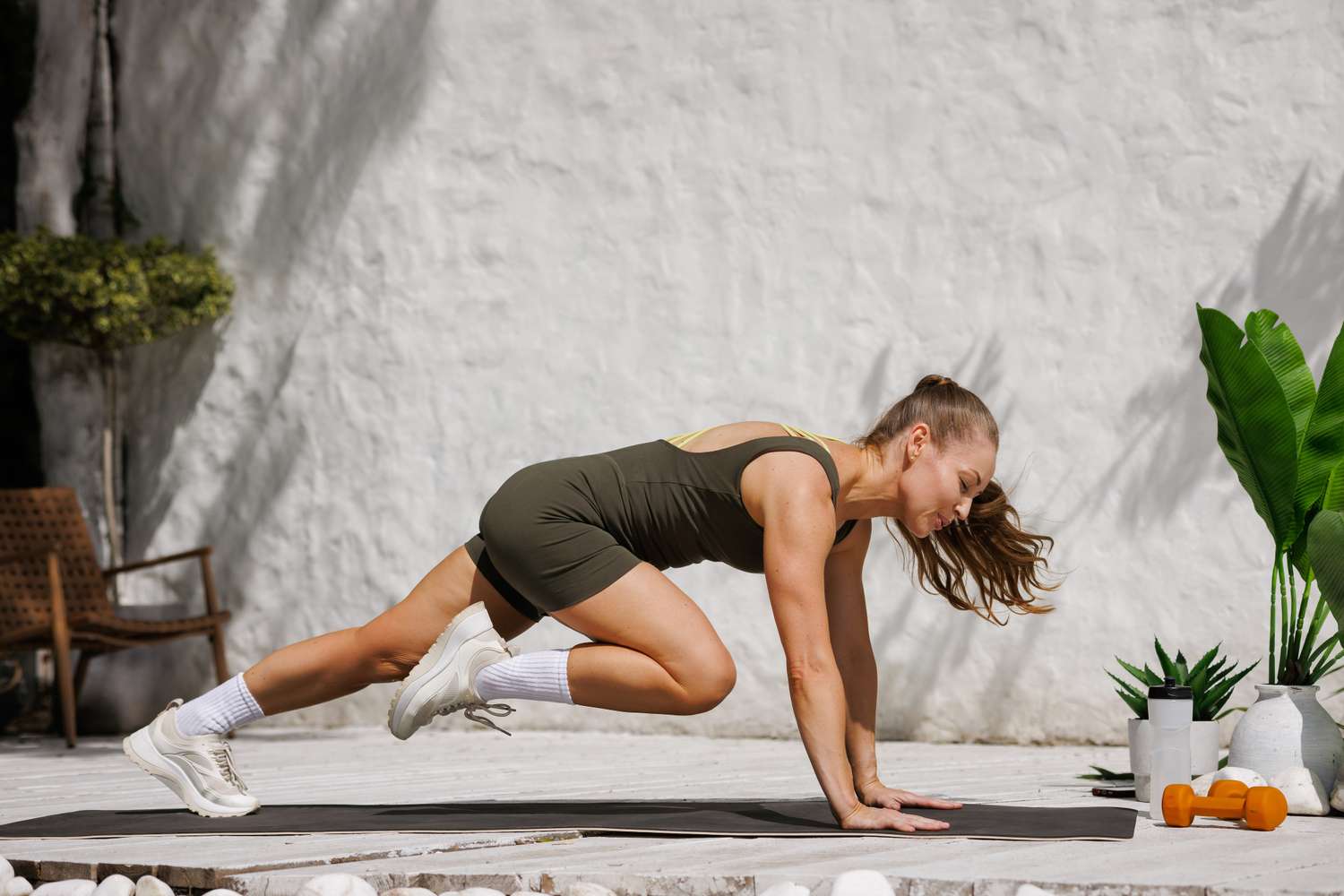
Effective postural control begins with a dedicated at home adaptive fitness routine for high functioning CP that emphasizes bracing and isometric exercises. Unlike dynamic crunches, which can sometimes trigger a spastic response, isometric holds allow for muscle tone regulation without the abrupt changes in muscle length that cause "catching."
The Pre-Workout Spasticity Protocol
Before jumping into heavy resistance, managing muscle tone is a prerequisite.
- Foam Rolling: Use a high-density foam roller on the hip flexors and calves to inhibit overactive muscles.
- Diaphragmatic Breathing: Spend three minutes focusing on deep belly breaths to calm the central nervous system.
- Dead Bug Holds: A regression where the athlete lies on their back and keeps the lower back pressed into the floor while slowly extending one limb at a time.
By mastering these foundational elements, you improve your body's ability to maintain an upright gait and reduce the cognitive load required to simply stand still.
Cardiovascular Health: Improving VO2 Max with Adaptive Tools
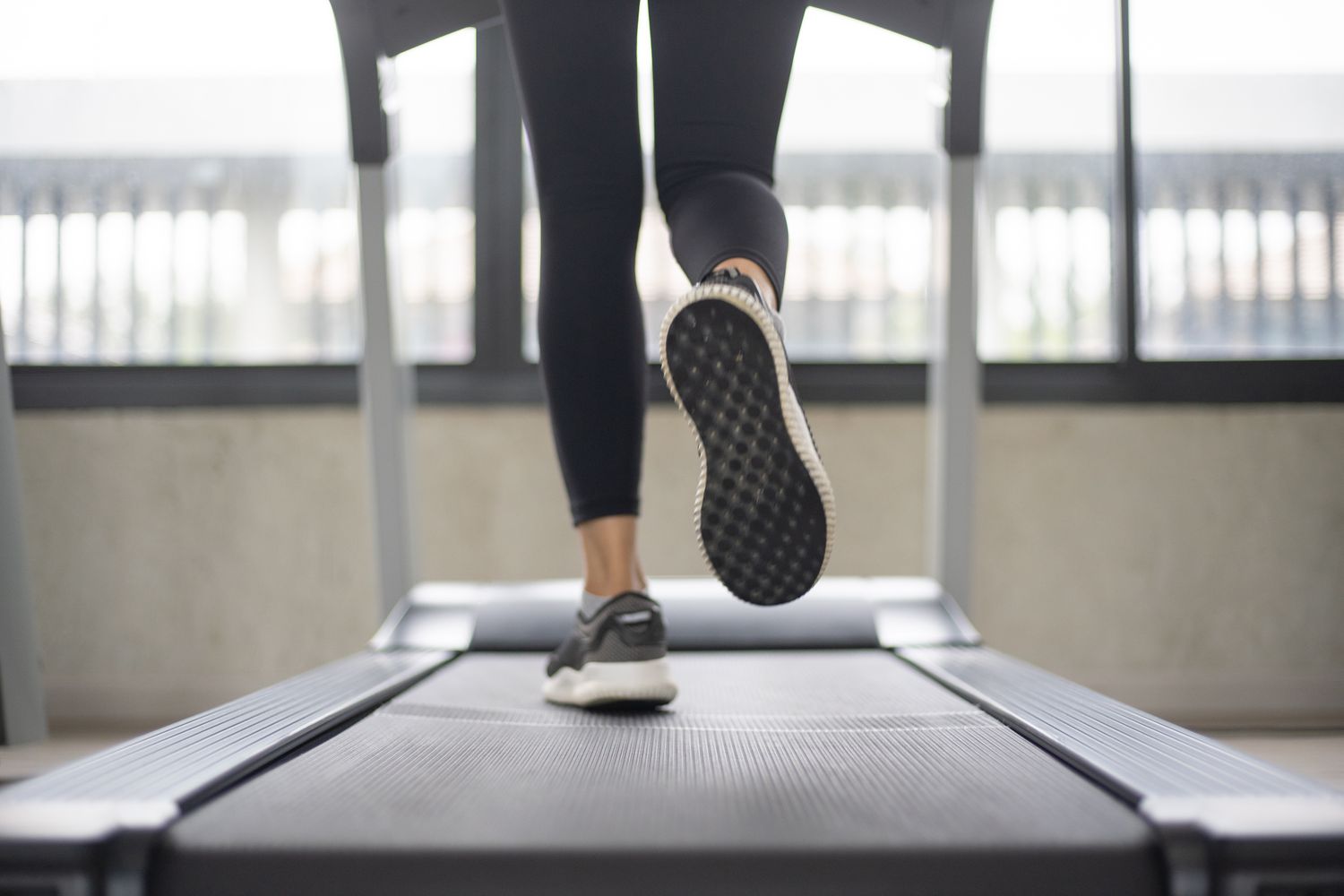
Cardiovascular health is often the most neglected pillar of fitness for those with CP, yet it has the highest impact on long-term vitality. Improving your VO2 max is a primary objective because it increases the efficiency of your oxygen delivery system, making every step you take feel lighter. However, traditional treadmills can be a barrier.
To solve this, we look toward upper body exercises for high functioning CP and specialized equipment like the SkiErg. The SkiErg allows for a high-intensity, low-impact workout that targets the lats, triceps, and core simultaneously. This is one of the most effective methods for cardiovascular training for cerebral palsy with adaptive equipment because it doesn't require complex lower-body coordination to reach a high heart rate. Handcycles are another excellent tool, providing a way to perform long-duration steady-state cardio that builds aerobic endurance without the joint stress associated with running.
Strategy for VO2 Max Improvement
- Interval Training: 30 seconds of high-intensity pulling on the SkiErg followed by 90 seconds of rest. Repeat for 6 rounds.
- Zone 2 Cardio: 20-30 minutes on a handcycle at a pace where you can still hold a conversation, building the base of your aerobic engine.
Strength Training: Balancing Push and Pull with Adaptive Equipment
When it comes to building muscle, the best adaptive fitness equipment for cerebral palsy involves systems that allow for a wide range of motion. Functional trainers and dual-axis cable systems are the gold standard. Unlike fixed-path machines, cables allow you to adjust the height and angle of resistance to match your specific gait mechanics and range of motion.
A common pitfall in CP fitness is over-training the "push" muscles (chest and anterior deltoids), which are often already tight due to spasticity. A balanced program should prioritize a 2:1 pull-to-push ratio. This means for every set of chest presses, you should perform two sets of rows or face pulls. This approach opens up the chest and improves postural control.
Equipment Tier Comparison
| Equipment Category | Tools Included | Best For |
|---|---|---|
| Starter | Resistance bands, Foam rollers | Spasticity management & home mobility |
| Intermediate | Dual-axis cables, Adjustable benches | Multi-plane strength & functional mobility |
| Pro/Tech | SkiErg, Cionic Neural Sleeve, AlterG | VO2 max & advanced neuroplasticity |
For those training in a power rack, always look for Westside 1-inch hole spacing. This allows you to set safety pins at the exact height needed to prevent injury if a limb experiences a sudden spasm during a lift. Implementing mobility exercises for cerebral palsy within this framework ensures that strength gains are functional and safe.
The Tech Edge: Bionics and Neuroplasticity Tools
The future of adaptive fitness exercises for independent living lies in the intersection of biology and technology. We are moving beyond simple braces into the era of bionic clothing and neuroplasticity-focused tools.
The Cionic Neural Sleeve, for example, uses Functional Electrical Stimulation (FES) to assist with foot drop, a common issue in CP. This isn't just a passive brace; it actively fires the muscles in sync with your gait, essentially "teaching" the brain and nerves how to communicate more effectively through neuroplasticity. Similarly, the AlterG anti-gravity treadmill allows athletes to practice walking or running at a fraction of their body weight, which is revolutionary for refining gait mechanics without the fear of falling.
Even small-scale tech like the MusicGlove—a gamified hand therapy tool—leverages proprioception to improve manual independence. By turning repetitive movements into a game, these tools make the high-volume training required for neural changes much more engaging. Whether you are using a high-end bionic sleeve or a simple functional trainer, the goal remains the same: use resistance and technology to force the nervous system to adapt.
FAQ
What is adaptive fitness?
Adaptive fitness refers to exercise programs and equipment specifically modified to accommodate the unique physical needs of individuals with disabilities. Unlike general fitness, it prioritizes functional mobility, neurorehabilitation, and the use of specialized tools like cable systems or bionics to ensure safety and effectiveness while treating the participant as an athlete.
What is the best exercise if you can't walk?
For those with limited lower-body mobility, the SkiErg and handcycle are the premier choices for cardiovascular health. For strength, seated cable rows and overhead presses on a functional trainer allow for significant muscle engagement and core stabilization without the need for standing balance.
What are the only 5 exercises you'll ever need?
For a comprehensive adaptive routine, focus on these five movements: 1. Dead Bug (core/posture), 2. Seated Cable Row (pulling/posture), 3. Face Pulls (shoulder health), 4. Isometric Wall Sits (lower body stability), and 5. SkiErg intervals (cardio/VO2 max). These cover the spectrum of strength, stability, and endurance.
What is the 3-3-3 rule at the gym?
The 3-3-3 rule is a protocol for safety and efficiency: spend 3 minutes warming up (foam rolling/breathing), perform 3 sets of your primary functional movement, and allow 3 minutes of rest between high-intensity intervals. This ensures the nervous system isn't overtaxed and reduces the risk of triggering spasticity during the workout.