Quick Facts
- Pace Over Volume: Research suggests that a brisk walking pace (3 to 4.5 mph) is more critical for cardiovascular health and longevity than merely hitting a 10,000-step target.
- The 11-Year Bonus: For previously sedentary individuals, increasing daily movement by approximately 111 minutes can add nearly 11 years to their life expectancy.
- The 4,400 Threshold: While 10,000 is the popular goal, significant mortality risk reduction (up to 41%) begins at just 4,400 steps per day.
- Walking Snacks: Breaking up sitting time with 3-minute bursts of movement every hour can reduce the risk of premature death by 30%.
- Survival Statistics: Highly active walkers (averaging 160 minutes of movement per day) can achieve an average life expectancy of 84 years.
The 10,000 Step Myth vs. Modern Science
For decades, the "10,000 steps a day" mantra has been the gold standard of fitness. It’s a clean, round number that looks great on a fitness tracker. But as a longevity editor, I’m often asked: where did that number actually come from? The answer isn't a lab; it’s a marketing department. In 1965, the Yamasa Clock and Instrument Company in Japan released a pedometer called the Manpo-kei, which translates to "10,000-step meter." The number was chosen because the Japanese character for 10,000 looks like a person walking—not because of a clinical trial.
Modern science offers a more nuanced, and frankly more encouraging, perspective. Recent studies, including landmark research from Harvard Medical School, show that the health benefits of walking begin to plateau well before the 10,000-step mark. Specifically, for older women, the risk of mortality significantly decreased at just 4,400 steps per day. While more movement generally correlates with better health, the "sweet spot" for longevity actually sits closer to 7,500 steps. Beyond this point, the incremental survival benefits begin to level off.
The takeaway isn't that you should stop at 7,500, but rather that the obsession with a five-digit number often obscures a more vital metric: intensity.
Why Intensity Outpaces Volume: The Power of Brisk Walking
If you want to move the needle on your biological age, you need to look at your speedometer, not just your odometer. Research consistently indicates that a brisk walking pace—defined as 3 to 4.5 mph, or roughly 100 steps per minute—is a more potent predictor of longevity than total step count.
Why does pace matter? Brisk walking forces the heart and lungs to work harder, improving VO2 max—the gold standard metric for aerobic fitness and a primary indicator of long-term health. When you walk with purpose, you’re not just moving; you’re engaging in a low-impact cardiovascular workout that strengthens the heart muscle and improves vascular elasticity.
Is intensity more important than step count for longevity? Yes. Large-scale cohort studies have shown that those who habitually walk at a brisk pace can gain 15 to 20 years of life expectancy compared to those who stroll at a leisurely pace, regardless of their total step count.
| Walking Metric | Slow/Leisurely Pace (<3 mph) | Brisk Walking (3 - 4.5 mph) |
|---|---|---|
| Primary Benefit | Basic calorie burn & joint mobility | Improved VO2 max & heart health |
| Mortality Risk | Moderate reduction | Significant reduction (up to 50% lower) |
| Effort Level | Can talk easily without breathlessness | Able to talk but slightly breathless |
| Impact on Longevity | Minimal effect on life extension | Can add 15–20 years to life expectancy |
'Walking Snacks': The Remedy for a Sedentary Life
Even if you hit the gym for an hour, sitting for the remaining ten hours of your workday creates a "sedentary debt" that exercise alone struggle to repay. This is where "walking snacks" come in. These are 2–3 minute bursts of activity or brisk movement taken every single hour.
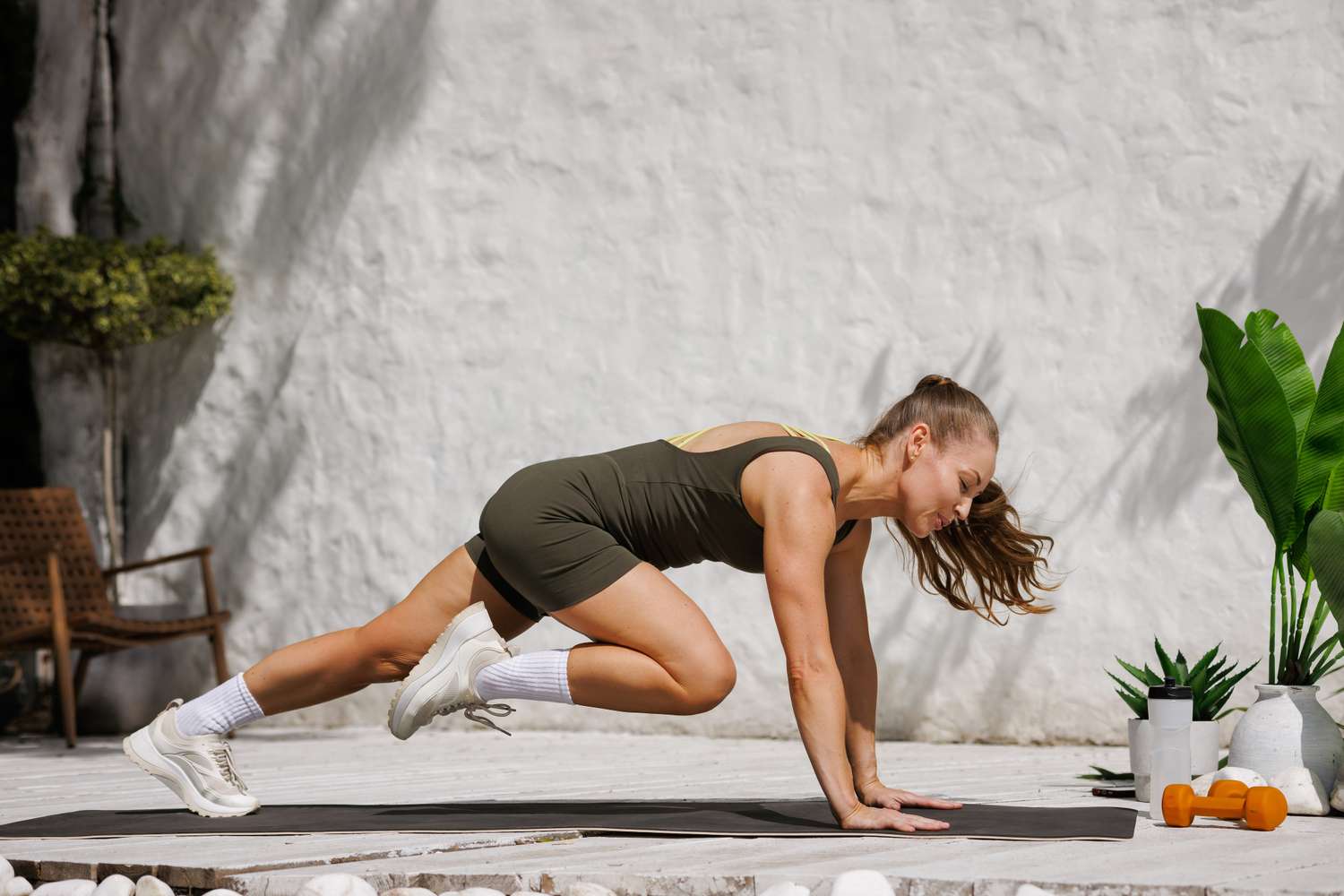
The science behind this is startling. Engaging in just three minutes of moderate movement per hour—a quick trip up the stairs, a lap around the office, or even a series of air squats—can reduce the risk of premature death by up to 30%. These micro-movements act as a metabolic reset, clearing glucose from the bloodstream and preventing the arterial stiffness that occurs during prolonged sitting.
Think of walking snacks as a "biological tax" you pay to offset the cost of modern desk work. It’s not about the distance covered in those three minutes; it’s about the physiological signal sent to your body to stay "active" rather than "hibernating."
Key Statistic: Breaking up sedentary time with three minutes of moderate movement every hour reduces the risk of premature death by 30%.
The Longevity Math: Adding a Decade to Your Life
When we talk about longevity, we are looking for the maximum "return on investment" for our time. New meta-analyses have quantified exactly how much walking influences your expiration date.
One of the most striking findings in recent years is what scientists call the "111-minute rule." Research published in the British Journal of Sports Medicine indicates that for individuals in the lowest activity groups, increasing daily walking by 111 minutes (roughly an hour and 50 minutes of cumulative movement throughout the day) can add a staggering 11 years to their life expectancy.
How does walking affect life expectancy? It’s a dose-response relationship. While the 11-year jump is most dramatic for those starting from zero, the benefits continue to scale. Highly active walkers who manage 160 minutes of moderate-intensity movement per day can reach an average life expectancy of 84 years, outliving their sedentary peers by more than a decade.
This doesn't mean you need to spend two hours on a treadmill. It means that every minute counts—the walk to the train, the stroll to get coffee, and the evening walk with the dog all aggregate into a powerful longevity shield.

Beyond Cardio: Why Strength Training is Non-Negotiable
While walking is the "wonder drug" for cardiovascular health, it is only one half of the longevity equation. As we age, we face a silent predator: sarcopenia, or the natural loss of muscle mass and strength. Starting in our 30s, we begin to lose 3% to 5% of our muscle mass per decade.
Walking, unfortunately, isn't enough to stop this decline. To truly optimize for a long, high-quality life, you must integrate strength training. Statistics show that combining regular walking with strength training twice a week reduces the risk of all-cause mortality by 46%—a much higher figure than walking alone.
Strength training provides the structural integrity that makes walking possible in your 80s and 90s. It protects your joints, improves bone density, and maintains the metabolic health required to process nutrients efficiently. A longevity routine without resistance work is like a car with a great engine but a crumbling chassis.
How to Measure and Track Your Progress
To turn these scientific insights into a sustainable habit, you need to move beyond simple step counting. I recommend focusing on the SMART framework—Specific, Measurable, Achievable, Relevant, and Time-bound.
Instead of saying "I will walk more," set a goal to "take a 10-minute brisk walk after lunch five days a week." This is actionable and easy to track.
- Choose Your Gear: If you want precision, move beyond the phone in your pocket. Advanced heart rate monitors or high-end fitness trackers (like a Garmin or Oura Ring) can help you track "Active Minutes" rather than just steps, ensuring you are hitting that brisk intensity.
- Visual Accountability: Use apps like Strava or MapMyWalk to visualize your progress. Seeing your weekly mileage or pace trends can provide the dopamine hit needed to keep the habit alive.
- The 'Talk Test': You don't always need technology. If you can speak in full sentences but can't sing, you’re in the "brisk" zone. If you’re not slightly breathless, pick up the pace.

FAQ
Q: Is it better to do one long walk or several short ones? A: From a longevity perspective, consistency and breaking up sedentary time are key. While one long walk is excellent for aerobic capacity, adding "walking snacks" throughout the day provides additional metabolic benefits by preventing insulin spikes and maintaining circulation.
Q: Does walking on an incline count as intensity? A: Absolutely. Walking on an incline is a fantastic way to reach the "brisk" intensity level without necessarily increasing your speed. It also engages more muscle groups, including the glutes and calves, providing a slight strength benefit.
Q: I’m over 60. Is it too late to see these life expectancy gains? A: Never. In fact, some of the most dramatic improvements in life expectancy and functional health are seen in older adults who transition from a sedentary lifestyle to a moderately active one. The "4,400-step" survival benefit was specifically observed in older populations.
Step Into Your Future
The science is clear: the path to a longer, more vibrant life isn't paved with a marketing slogan from the 1960s. It’s built through a combination of brisk intensity, consistent movement, and the occasional "snack" for your metabolism. You don't need a marathon; you just need to move with purpose.
Start today. Don't worry about hitting 10,000. Just pick up the pace, set your timer for your next walking snack, and remember that every minute you spend on your feet is an investment in a decade of your future.