Have you ever felt like you’re fighting an internal battle you can’t quite see? Perhaps it’s a lingering stiffness in your joints every morning, a persistent fog that clouds your focus, or a frustrating shortness of breath during a routine walk. If these symptoms feel familiar, you might be dealing with the "invisible fire" of chronic inflammation. As a nutrition editor, I’ve seen firsthand how the right dietary shifts can act as a high-powered fire extinguisher for the body.
The good news is that you don’t need a pharmaceutical intervention to start cooling this internal heat. Transitioning to an anti-inflammatory diet is less about deprivation and more about strategic inclusion. By prioritizing whole foods like fatty fish, leafy greens, berries, and whole grains, and seasoning your meals with potent spices like turmeric and ginger, you can fundamentally alter your body’s chemistry. Research suggests that adopting a structured anti-inflammatory eating plan can reduce systemic inflammation markers, such as C-reactive protein (CRP), by up to 25% within the first eight weeks of consistent lifestyle changes.
Understanding Inflammation: The Invisible Fire Within
In the world of nutrition science, we distinguish between two very different types of inflammation. Acute inflammation is your friend; it’s the redness and swelling that happens when you scrape your knee, signaling that your immune system is working to heal the wound. Chronic inflammation, however, is a low-grade, systemic "smoldering" that persists for months or years. It’s often triggered by a diet high in processed sugars, sedentary behavior, or environmental stressors.
When this inflammation becomes chronic, it begins to damage healthy tissues, including the delicate linings of your blood vessels and the air sacs in your lungs. This is why we see a direct correlation between diet and long-term wellness. Think of your body as a high-performance engine: if you use low-quality fuel, soot builds up, parts begin to grind, and eventually, the system starts to fail. An anti-inflammatory diet provides the "high-octane" nutrients required to keep the engine clean and responsive.
Why Your Lungs Need an Anti-Inflammatory Approach
For those living with respiratory conditions like COPD (Chronic Obstructive Pulmonary Disease) or asthma, the stakes of inflammation are even higher. Inflammation in the airways leads to swelling and mucus production, making it significantly harder to move air in and out. This is where a COPD nutrition guide becomes essential.
The connection between what you eat and how you breathe is profound. When we digest certain foods, particularly those high in antioxidants and omega-3 fatty acids, we provide our lungs with the tools to repair oxidative damage. Clinical observations have shown that over 65% of individuals with chronic respiratory issues report a noticeable improvement in breathing ease after switching to a diet rich in plant-based antioxidants and healthy fats.
For patients with COPD, a diet that focuses on reducing the "carbon dioxide load" is also beneficial. Interestingly, fats produce less carbon dioxide when metabolized compared to carbohydrates. By shifting toward healthy, anti-inflammatory fats—like those found in avocados and olive oil—you can actually reduce the workload on your lungs, making every breath feel just a little bit lighter.
The Athlete’s Edge: Recovery and Performance
It’s a common misconception that anti-inflammatory eating is only for those with chronic illnesses. In reality, athletes are among the most inflamed populations due to the sheer physical stress of training. Endurance athletes, in particular, can have systemic inflammation markers up to 60 times higher than sedentary individuals immediately following a race or intense session.
If you are an athlete, the goal isn't to eliminate inflammation entirely—you need some of it to signal muscle growth—but to manage it so that it doesn't lead to injury. By targeting your nutrition, you can reduce the risk of overuse injuries by up to 30%.
The "Golden Window" for athlete anti-inflammatory meal prep is the 30-minute post-workout period. Consuming a combination of high-quality protein (to repair muscle), complex carbohydrates (to replenish glycogen), and omega-3s (to dampen the inflammatory surge) can drastically accelerate recovery. Instead of a standard sugary sports drink, imagine a smoothie with tart cherry juice, whey or pea protein, and a spoonful of ground flaxseeds.
Regular Diet vs. Anti-Inflammatory Plan
To visualize the shift, let's look at how a typical day of eating compares to an anti-inflammatory approach:
| Feature | Standard American Diet | Anti-Inflammatory Diet |
|---|---|---|
| Primary Fats | Saturated & Trans fats (fried foods, lard) | EPA/DHA & Monounsaturated (salmon, olive oil) |
| Carbohydrates | Refined grains, added sugars, white bread | Whole grains, legumes, berries, sweet potatoes |
| Protein Sources | Processed meats (deli meat, bacon), red meat | Fatty fish, plant proteins (lentils), organic poultry |
| Flavoring | Salt, corn syrup, artificial additives | Turmeric, Ginger, Garlic, fresh herbs |
| Fiber Content | Low (under 15g per day) | High (30g+ per day) |
The Anti-Inflammatory Toolkit: Essential Foods to Embrace
To truly start how to start anti-inflammatory eating, you need to stock your kitchen with the right "tools." These aren't just ingredients; they are biological modulators that interact with your DNA to turn off inflammatory pathways.
Omega-3 Powerhouses
EPA and DHA, found primarily in fatty fish like salmon, mackerel, and sardines, are the gold standard for inflammation reduction. For those who don't eat fish, walnuts, chia seeds, and hemp hearts offer ALA, which the body can partially convert. Aim for a consistent intake of these fats to help stabilize muscle cell membranes and reduce the production of pro-inflammatory cytokines.
Antioxidant Superstars
Think in color. The deep blues of blueberries, the vibrant reds of raspberries, and the dark greens of kale are all signs of phytonutrients at work. Specifically, Anthocyanins (found in berries and tart cherry juice) and Sulforaphane (found in cruciferous vegetables) help neutralize free radicals before they can damage lung tissue or muscle fibers.
Healing Spices
If there is one "superfood" I recommend to everyone, it’s turmeric. Its active compound, curcumin, is a powerful inhibitor of the NF-kB molecule, which is known to "turn on" genes related to inflammation. Pro tip: Always pair turmeric with a pinch of black pepper; the piperine in pepper increases curcumin absorption by a staggering 2,000%.
Gut Health Heroes
We cannot talk about systemic inflammation without talking about the gut. Approximately 70% of your immune system resides in your gut lining. When your microbiome is out of balance, it can lead to "leaky gut," allowing inflammatory markers to enter the bloodstream. Incorporate probiotics like Greek yogurt, kefir, and fermented vegetables to keep your internal barrier strong.
Top Anti-Inflammatory Foods Summary
| Category | Examples | Key Nutrients | Primary Benefit |
|---|---|---|---|
| Leafy Greens | Spinach, Kale, Swiss Chard | Vitamin K, Magnesium | Protects cardiovascular health |
| Fatty Fish | Salmon, Anchovies, Sardines | Omega-3s (EPA/DHA) | Lowers joint & lung inflammation |
| Cruciferous | Broccoli, Brussels Sprouts | Sulforaphane | Detoxifies harmful compounds |
| Berries | Blueberries, Strawberries | Anthocyanins | Improves cognitive & respiratory function |
| Spices | Turmeric, Ginger, Cinnamon | Curcumin, Gingerol | Reduces systemic swelling & pain |
Practical 7-Day Anti-Inflammatory Meal Plan Template
Starting a new way of eating can feel overwhelming. The key is meal prep. By preparing components in advance, you remove the "decision fatigue" that often leads to poor food choices when you're tired or hungry.
- Breakfast Ideas: Focus on low-glycemic starts. A Blueberry-Avocado Smoothie with a scoop of collagen or plant protein and a sprinkle of hemp seeds is an excellent choice. Alternatively, try overnight oats made with chia seeds and topped with walnuts and cinnamon.
- Batch-Prepped Lunches: Prepare a large Mediterranean Quinoa Bowl on Sunday. Include roasted chickpeas, cucumbers, cherry tomatoes, olives, and a heavy drizzle of extra virgin olive oil and lemon juice. Another great option is Curried Butter Beans, which provides both fiber and anti-inflammatory spices.
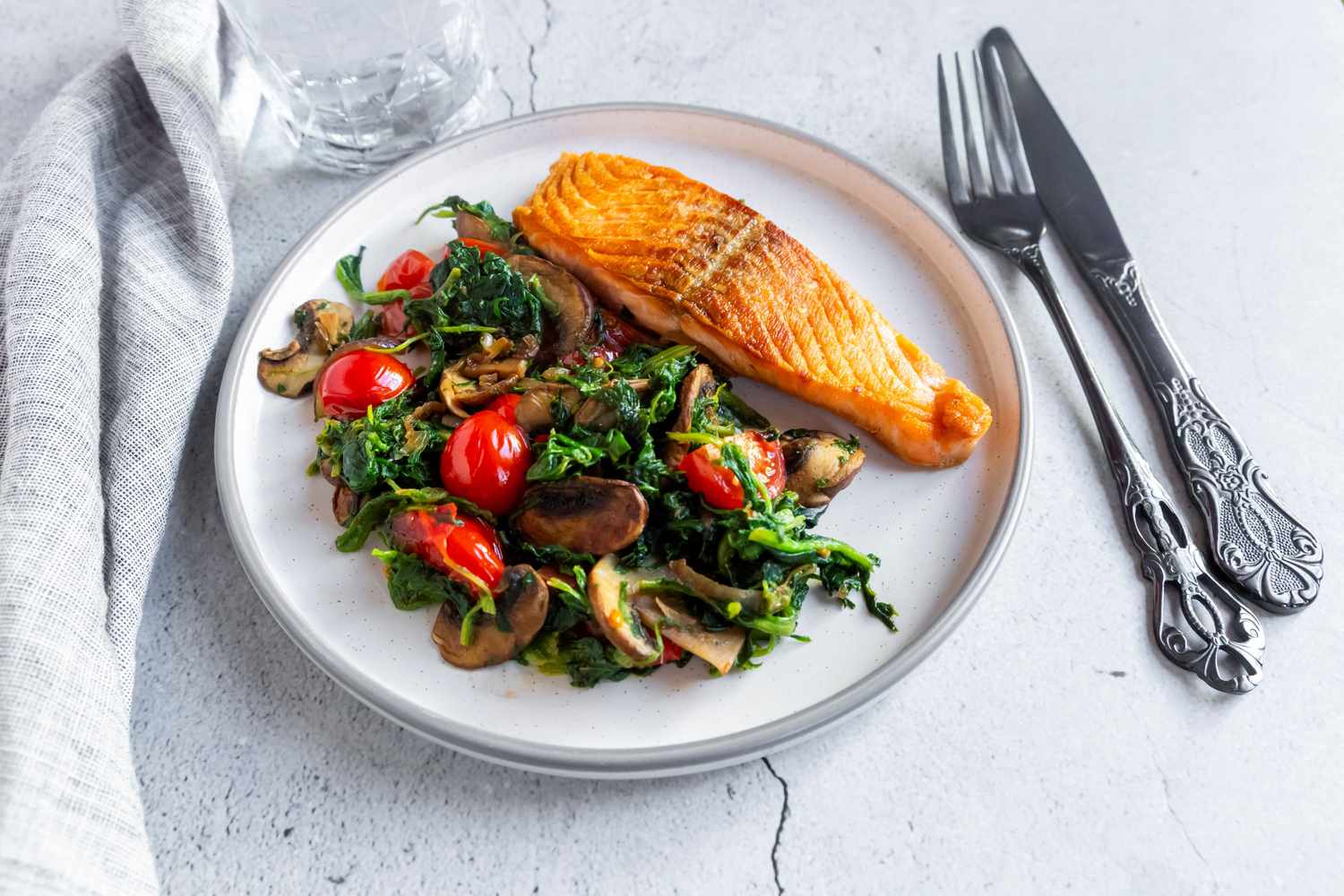
- Performance Dinners: For dinner, aim for a "Clean Plate" structure: half the plate filled with roasted or steamed vegetables (broccoli, asparagus), one-quarter with a high-quality protein like Ginger-Dill Salmon, and one-quarter with a complex carb like roasted sweet potato or wild rice.
Emily’s Meal-Prep Tip: "I always keep a jar of 'Anti-Inflammatory Dressing' in my fridge—a mix of extra virgin olive oil, apple cider vinegar, grated ginger, and turmeric. Having a flavorful, healthy fat source ready to go makes it much easier to eat your greens every single day."
Lifestyle Synergy: Maximizing the Benefits
Diet is the foundation, but it doesn't exist in a vacuum. To truly "breathe easier" and lower your systemic markers, you must address the lifestyle factors that fuel the fire.
- Prioritize Sleep: Sleep is when your body does its most significant repair work. During deep sleep, the body balances cytokines (immune signaling molecules). Aim for 7–9 hours of quality rest to prevent an inflammatory spike the following day.
- Hydration is Key: Water is the delivery system for all the nutrients we’ve discussed. It also helps flush out metabolic waste products. A good rule of thumb is to drink half your body weight in ounces of water daily.
- Manage Cortisol: Chronic stress leads to high cortisol, which eventually makes the body resistant to the hormone's anti-inflammatory effects. Even five minutes of deep breathing or a short walk in nature can help modulate your stress response.
FAQ
Q: Can I ever eat sugar or processed foods again? A: Of course! The goal isn't 100% perfection—it's consistency. I follow the 80/20 rule: if 80% of your intake is nutrient-dense and anti-inflammatory, your body can handle the occasional treat without triggering a systemic crisis.
Q: How long does it take to feel the difference in my breathing? A: While some people notice a change in energy within days, the structural benefits for lung health usually take about 4 to 6 weeks to manifest. Consistency is the most important factor in seeing that 65% improvement reported in clinical studies.
Q: Are supplements necessary if I'm eating these foods? A: For most people, a "food-first" approach is sufficient. However, if you have a diagnosed condition like COPD or are an elite athlete, high-quality fish oil or curcumin supplements can provide a concentrated dose that is hard to get from food alone. Always consult with your healthcare provider before starting a new supplement regimen.
Conclusion
Starting an anti-inflammatory diet isn't about following a temporary trend; it’s about choosing a lifestyle that honors your body's biology. Whether you are looking for a COPD nutrition guide to help you reclaim your breath, or you're an athlete seeking a competitive edge through better recovery, the power is on your plate.
By focusing on whole, vibrant foods and reducing the intake of processed irritants, you are essentially telling your immune system that the "emergency" is over. You can stop the smoldering fire of chronic inflammation and start living with more energy, less pain, and much clearer breathing.
Ready to take the first step? Start with your next meal. Add a handful of spinach, a sprinkle of turmeric, or a serving of wild-caught fish, and feel the difference that evidence-based nutrition can make.