The temperature drops, the sky turns a steely gray, and the instinct to hibernate under a weighted blanket becomes almost overwhelming. For most, winter is a season of metabolic slowdown—a time when fitness goals are put on ice until the spring thaw. But as a trainer, I look at a frost-covered morning and see something entirely different: a high-octane metabolic opportunity.
While most people see winter as a season for hibernation, it’s actually a window for a metabolic superpower. If you’re looking to lean out or break through a plateau, the cold isn't your enemy; it's your most effective training partner. Does walking in the cold actually burn more calories? The answer is a definitive yes. When you step into the cold, your body is forced to work overtime through a process called thermogenesis—generating internal heat to maintain a stable core temperature. This requires extra energy, effectively turning a standard stroll into a calorie-torching workout.

The Science of the 'Internal Furnace': Brown Fat Activation
To understand why cold weather walking is so effective, we have to look beneath the skin at our "internal furnace." Most of us are familiar with white fat (White Adipose Tissue), which stores excess energy. However, humans also possess Brown Adipose Tissue (BAT), or "brown fat." Unlike white fat, which is metabolically lethargic, brown fat is packed with mitochondria. Its primary purpose isn't to store energy—it’s to burn it to create heat.
When your skin sensors detect a significant drop in ambient temperature, they send a distress signal to the brain. The brain, in turn, activates BAT. This process "uncouples" energy production, meaning your body starts burning through glucose and fatty acids specifically to generate warmth. In the fitness world, we call this "passive caloric expenditure," but there is nothing passive about the results. Even before you start shivering—which is the body’s last-ditch effort to create heat through rapid muscle contraction—your brown fat is already hard at work, raising your resting metabolic rate.
| Feature | White Adipose Tissue (WAT) | Brown Adipose Tissue (BAT) |
|---|---|---|
| Primary Function | Energy storage and insulation | Thermogenesis (heat production) |
| Mitochondrial Density | Low | High (gives BAT its brown color) |
| Metabolic Activity | Low; stores calories for later | High; burns calories to create heat |
| Activation Trigger | Excess caloric intake | Cold exposure and exercise |
By walking in the cold, you are providing the dual stimulus of physical movement and thermal stress. This "metabolic stacking" ensures that you are burning more energy per step than you would on a climate-controlled treadmill.
Caloric Math: Why 30 Minutes in the Cold Beats 30 Minutes in the Heat
When we talk about results, we talk about numbers. Clinical data suggests that exposure to cold temperatures during moderate physical activity can increase the body's energy expenditure by approximately 5% to 15% compared to exercise in temperate conditions.
Think about the physics of a winter walk. Your body is navigating two simultaneous demands:
- Locomotion: The mechanical energy required to move your limbs, stabilize your core on potentially uneven ground, and propel your weight forward.
- Thermoregulation: The metabolic energy required to keep your heart, lungs, and brain at 98.6°F while the outside air is 30°F.
Furthermore, winter walking provides a unique form of "Vascular Training." In the cold, your peripheral blood vessels constrict (vasoconstriction) to keep warm blood near your vital organs. As you move and generate heat, those vessels dilate (vasodilation). This constant flux acts as a workout for your circulatory system, improving the elasticity of your blood vessels and forcing your heart to work more efficiently. It’s essentially a cardiovascular strength session masquerading as a walk in the park.
Beyond the Burn: The Holistic Health Dividend
The benefits of the "Winter Warrior" lifestyle extend far beyond the scale. In my years of coaching athletes, the psychological edge gained from cold-weather training is often more valuable than the physical lean-out.
- The Mood-Endorphin Connection: Walking in the cold triggers a robust release of endorphins and norepinephrine. This chemical cocktail is the body’s natural defense against the "winter blues" or Seasonal Affective Disorder (SAD). You’ll return from your walk feeling sharper, more alert, and significantly more resilient.
- The Vitamin D Factor: We often assume Vitamin D is only for the summer, but the midday winter sun is a critical resource. Clinical data indicates that just 15 to 30 minutes of midday winter sun exposure on the face and arms is sufficient for many individuals to maintain healthy Vitamin D levels, which are crucial for bone health and immune function.
- Circadian Rhythm Alignment: Exposure to bright, natural light in the morning—even on a cloudy winter day—helps suppress melatonin production and resets your internal clock. This leads to deeper, more restorative sleep at night, which is when the actual fat-burning and muscle-repair processes occur.
Expert Insight: "Walking in the cold allows the body to work harder metabolically without requiring you to work harder mechanically. It’s the ultimate efficiency hack for the time-crunched athlete."
The Winter Warrior’s Checklist: Safety and Gear
You can’t reap the metabolic rewards if you’re sidelined by frostbite or a slipped disc. Effective winter training requires a tactical approach to gear. Forget the heavy, sweat-trapping parka; you need a system that manages moisture and traps heat strategically.
The 3-Layer Rule:
- The Base Layer (Wicking): This is the most critical layer. Use synthetic fabrics or merino wool that pull sweat away from your skin. Avoid cotton at all costs—once cotton gets wet, it loses its insulating properties and will chill you to the bone.
- The Mid Layer (Insulating): This layer traps your body heat. A light fleece or down vest works perfectly. This is your "insulation" that keeps the core warm while allowing for mobility.
- The Shell (Protection): This should be a windproof and water-resistant jacket. It’s the barrier between you and the elements. Look for "breathable" shells that allow internal moisture to escape while keeping wind out.
Protecting the Extremities: When you’re in the cold, your body prioritizes blood flow to your internal organs. This means your hands and feet are the first to lose heat. Invest in high-quality thermal socks and wind-resistant gloves.
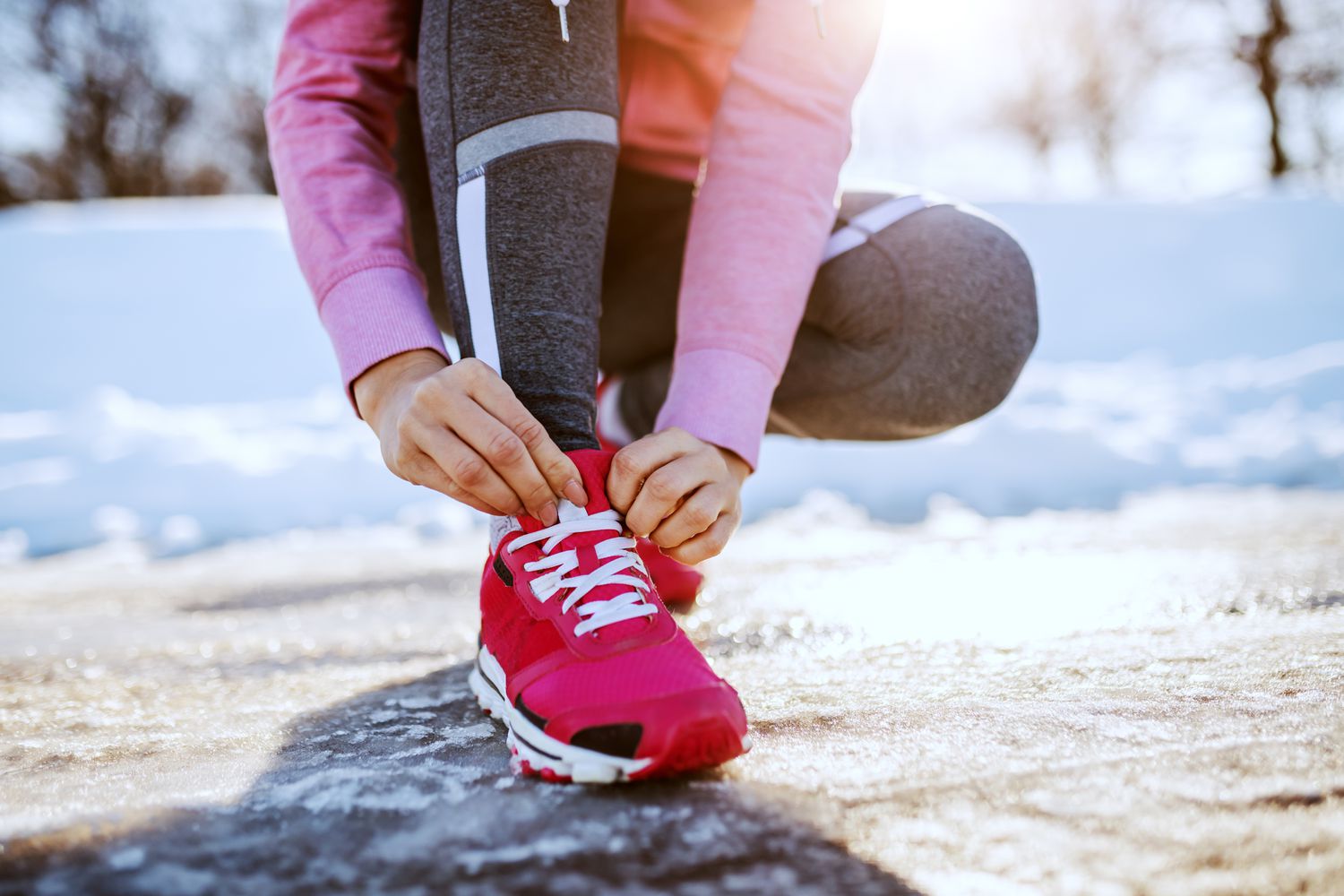
Surface Safety and Hydration: Winter surfaces are unpredictable. Black ice is a real threat to your joints. Choose footwear with deep lugs and high-traction rubber. If the trails are particularly icy, consider "micro-spikes" that slip over your shoes for extra grip. Finally, don't forget to hydrate. You might not feel thirsty like you do in July, but you are losing significant fluids through "breath vapor" (that mist you see when you exhale). If you can see your breath, you are losing water.
Sample Routine: The Thermogenic Power Walk
To maximize the brown fat activation and caloric burn, don't just walk at a leisurely pace. Use this structured approach to turn your walk into a legitimate training session.
1. The Dynamic Warm-up (Indoor - 5 Minutes) Never hit the cold air with "cold" muscles. Perform these in your hallway before heading out:
- 20 Leg Swings (each side)
- 15 Bodyweight Squats
- 20 Arm Circles
- 1 minute of marching in place with high knees
2. The Build (Outdoor - 10 Minutes) Start at a moderate pace. Let your body adjust to the air. Focus on deep, diaphragmatic breathing. This is where your vascular system begins to adapt.
3. The Metabolic Intervals (20 Minutes)
- Power Phase: Walk as fast as you can without breaking into a jog for 60 seconds. Focus on a powerful arm pump.
- Recovery Phase: Return to a steady, purposeful pace for 2 minutes.
- Repeat 6-8 times.
4. The Cool Down (Transition - 5 Minutes) As you approach your home, slow your pace. Once inside, immediately strip off damp layers. Spend 5 minutes doing static stretches for your calves and hip flexors, as cold air can cause these muscles to tighten more than usual.
FAQ: Common Winter Walking Questions
Is it safe to walk in sub-20-degree weather? For most healthy individuals, yes. However, the risk of frostbite increases as temperatures drop below freezing, especially if there is a high wind chill. Limit exposure to 20-30 minutes in extreme cold and ensure no skin is exposed. If you have underlying cardiovascular issues, consult your doctor, as the cold can put extra strain on the heart.
How do I prevent exercise-induced asthma in the cold? Cold, dry air can irritate the airways. The best solution is to wear a buff or a light scarf over your mouth and nose. This pre-warms and humidifies the air before it hits your lungs. Breathing through your nose also helps filter and warm the air naturally.
Can I really lose belly fat faster in the winter? While you cannot "spot reduce" fat, the activation of brown fat specifically targets the burning of white fat stores for fuel. Combined with a consistent caloric deficit, the metabolic boost from cold walking can certainly accelerate overall fat loss, including from the abdominal region.
Join the Winter Walking Challenge
Stop viewing the winter as a hurdle to your fitness. Instead, view it as a specialized training environment that is unavailable for the other nine months of the year. Every time you step out into the chill, you are upgrading your metabolic software, hardening your mental resolve, and burning more fuel than the person staying inside.
Your mission: Commit to three 30-minute cold-weather walks this week. Don't wait for the "perfect" weather—the cold is the point. Lace up, layer up, and ignite your internal furnace.