For most athletes, the silence of the pool is either a sanctuary or a psychological barrier. When you’re staring at the black line on the bottom of the pool for the 40th lap of a 3,000-meter set, the physical fatigue often takes a backseat to the mental monotony. This is where high-performance audio technology shifts from a luxury to a training necessity. By integrating the right waterproof headphones into your routine, you aren’t just listening to music; you are leveraging rhythmic stimulation to maintain a consistent stroke rate and significantly lowering your perceived exertion during high-intensity intervals.
The numbers back this up. The global waterproof headphones market is projected to grow at a compound annual growth rate (CAGR) of 7.2% through 2026. This isn't just a trend—it's a reflection of a surge in aquatic fitness technology as swimmers demand the same level of data and motivation as runners and cyclists. Whether you’re a collegiate athlete or a fitness enthusiast looking to shave seconds off your personal best, understanding the intersection of acoustics and aquatic performance is the first step toward transforming your time in the water.
The Performance Edge: How Audio Boosts Aquatic Training
The psychological shift that occurs when you introduce a driving beat to a swim set is profound. Music acts as a metronome for the body. Research in sports psychology suggests that synchronized music—where the tempo matches the desired movement frequency—can improve exercise efficiency by reducing the oxygen cost of the activity. For a swimmer, this translates to a more stable stroke cadence, preventing the inevitable "drift" that happens when fatigue sets in.
Beyond the rhythm, there is the factor of "dissociation." By focusing on a playlist or a podcast, you effectively distract the brain from the physiological signals of fatigue. You are still working hard, but the effort feels lower. This allows you to push through the final 200 meters of a set with the same intensity you had at the start. As an editor focusing on performance, I’ve seen athletes who previously dreaded long-distance cardio find a "new wave of motivation" simply by curating a high-BPM (beats per minute) playlist that matches their target stroke rate.
The Science of Underwater Sound: Bone Conduction vs. In-Ear
To understand the performance benefits, we must first decode the acoustic science of underwater audio. Water is approximately 800 times denser than air, which creates a massive hurdle for traditional sound waves. Standard earbuds rely on air displacement to move a diaphragm, but when water enters the ear canal or the seal is broken, the sound becomes muffled or disappears entirely.
This has led to the rise of two distinct technologies:
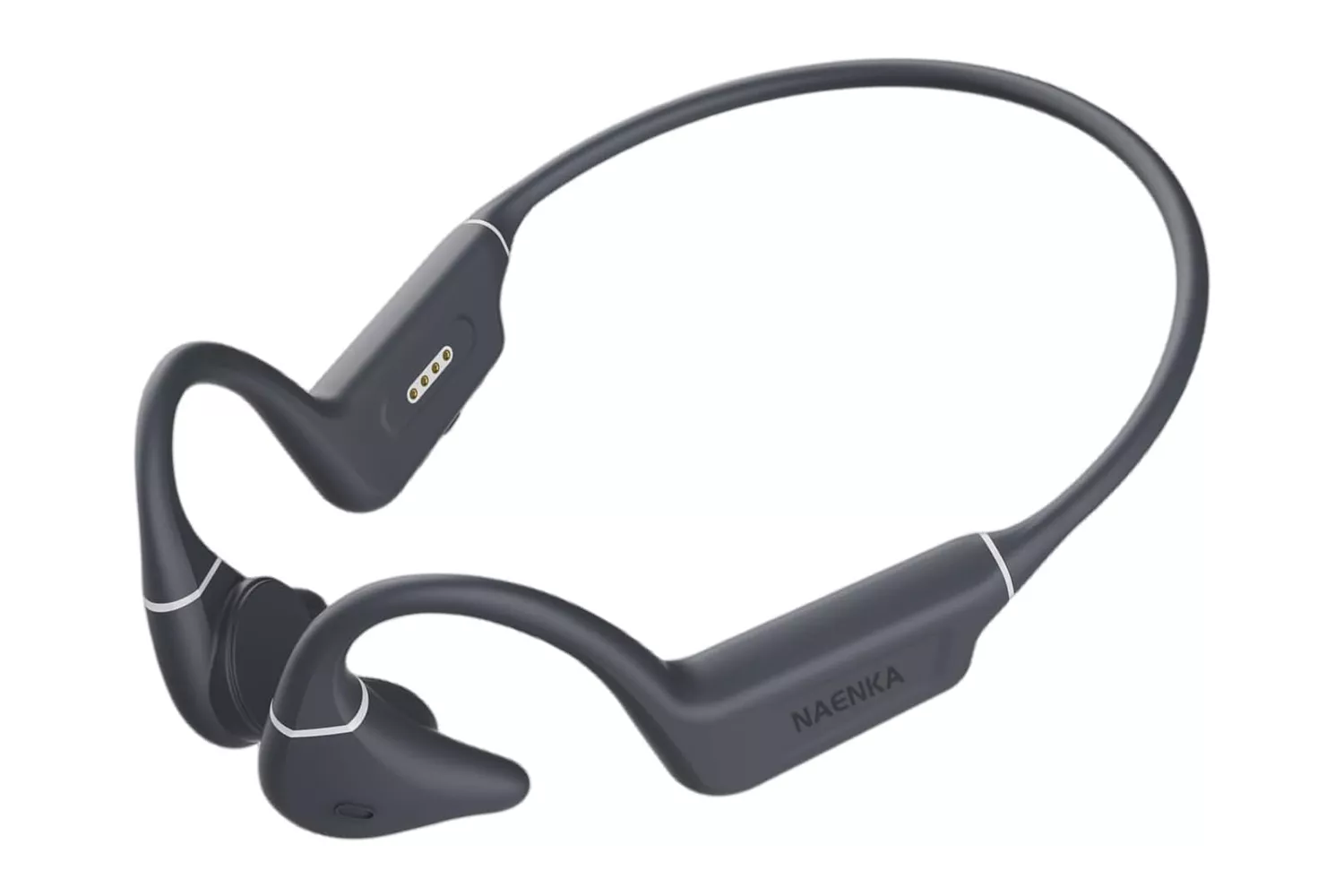
- Bone Conduction Technology: This is the current gold standard for many aquatic athletes. Instead of sending sound through the air into your ear canal, these devices use transducers to send vibrations through your temporal bone directly to the inner ear (cochlea). The primary advantage? It leaves your ear canal open. Expert evaluations suggest that swimmers utilizing bone conduction technology report a 25% increase in situational awareness compared to those using traditional noise-isolating earplugs. You can still hear the coach’s whistle or the splashing of a nearby swimmer while your music plays clearly in the "background" of your skull.
- Waterproof In-Ear Monitors (IEMs): These function like traditional earbuds but with a reinforced, watertight seal. They are excellent for those who want total sound isolation and a "sealed-in" bass response. However, maintaining that seal during a vigorous flip-turn can be challenging.
The Bluetooth Barrier & Integrated MP3 Storage
One of the most common frustrations for new users is discovering that their high-end Bluetooth earbuds don't work the moment they submerge their head. There is a hard physical limit here: Bluetooth signals operate at a frequency (2.4GHz) that is rapidly absorbed by water. In fact, a Bluetooth signal typically fails to transmit through more than 4 inches of water.
This makes integrated MP3 storage an absolute necessity for swimming headphones. To listen to audio while submerged, you need a device with internal NAND Flash storage. Most premium swimming headphones now offer between 8GB and 32GB of space, allowing you to store thousands of high-quality tracks directly on the device. While we’ve grown accustomed to streaming via Spotify or Apple Music, for the pool, you’ll need to kick it old school by downloading your files (MP3, WMA, or FLAC) and transferring them via USB.
Expert Tip: If you absolutely must use a streaming service, look for devices like the H2O Audio Tri 2 Pro, which features "Playlist+" technology. This allows the headset to "record" audio from a Bluetooth stream while you’re out of the water, saving it to internal memory for offline use in the pool.
Decoding IP Ratings: Why IPX8 is the Swimmer's Gold Standard
When shopping for gear, "waterproof" is a flexible marketing term; ingress protection (IP) ratings are the only objective truth. The IEC 60529 standard provides a clear breakdown of what a device can actually handle.
Tech-Breakout: Understanding IPX8
- IPX7: Can withstand immersion in up to 1 meter of water for 30 minutes. This is fine for heavy rain or a quick accidental drop, but risky for a 60-minute swim session.
- IPX8: The gold standard for swimmers. This rating signifies that the device can be fully submerged in water at depths greater than 1 meter (usually up to 3 meters) for extended periods without damage.
- Durability Factor: Beyond depth, IPX8 testing usually implies a higher level of resistance to the pressures of movement through water (dynamic pressure).
For those training in chlorine or saltwater, look for a "marine-grade" designation. Chlorine is a powerful oxidant, and salt can be highly corrosive. Even with an IPX8 rating, the longevity of your device depends on how well it resists chemical degradation over hundreds of hours in the pool.
Top Expert-Approved Picks for 2025
Choosing the right pair depends on your specific training environment—whether you're doing technical drills in a lane or grinding out miles in open water.
| Model | Technology | Storage | IP Rating | Battery Life | Best For |
|---|---|---|---|---|---|
| SHOKZ OpenSwim Pro | Bone Conduction | 32GB | IP68 | 9 Hours | Overall Performance |
| H2O Audio Tri 2 Pro | Bone Conduction | 8GB | IPX8 (3m) | 9 Hours | Professional Training |
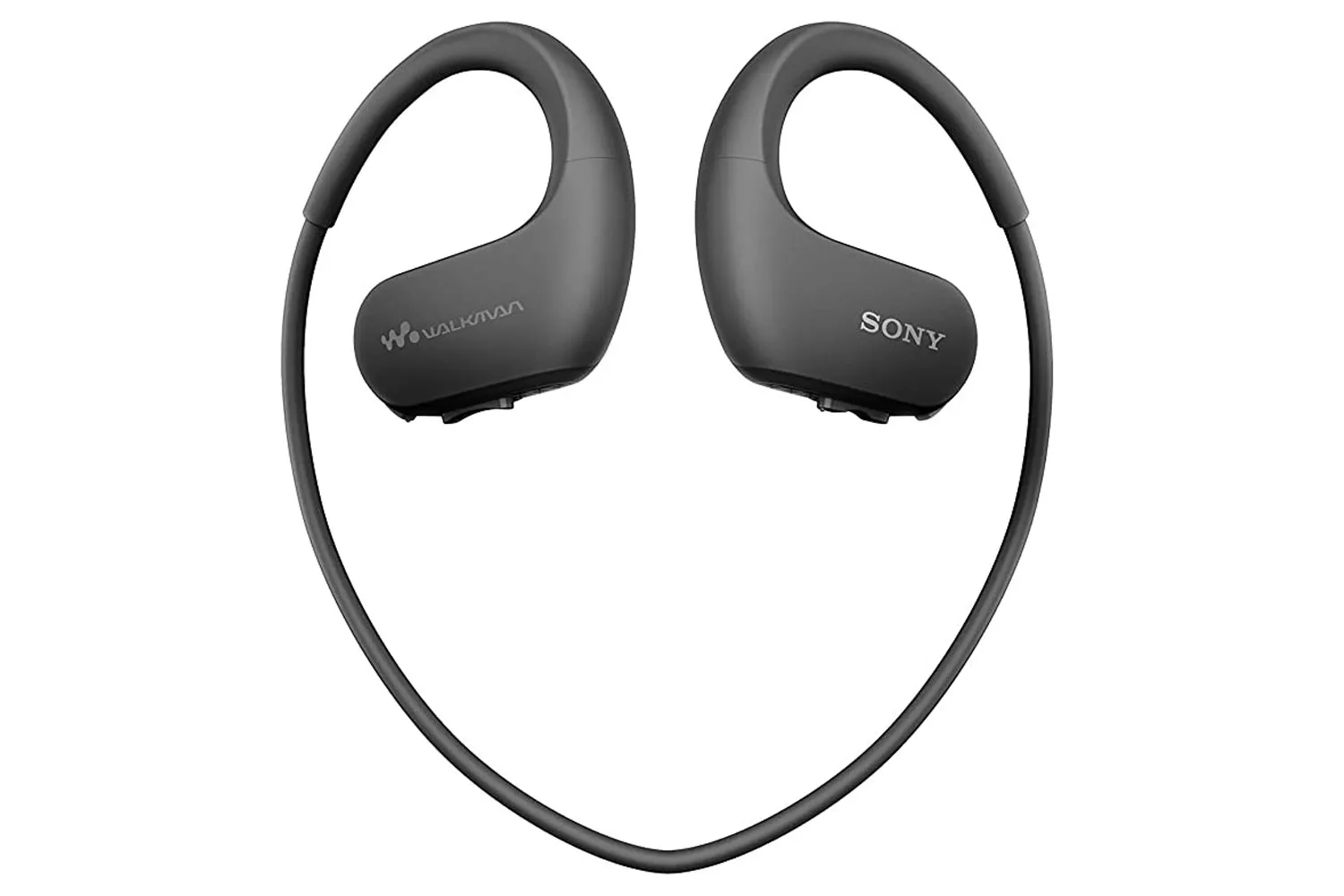
| Sony NW-WS413 | In-Ear (IEM) | 4GB | IP65/68 | 12 Hours | Sound Isolation |
| H2O Audio Sonar Pro | Bone Conduction | 8GB | IPX8 | 7 Hours | Goggle Attachment |
| Dnniakm Bone Conduction | Bone Conduction | 32GB | IPX8 | 8 Hours | Budget-Conscious |
1. Best Overall: SHOKZ OpenSwim Pro
Shokz (formerly AfterShokz) has perfected the ergonomics of bone conduction. The OpenSwim Pro is a dual-mode beast, offering Bluetooth for your dry-land warmups and 32GB of internal storage for the water. The fit is exceptionally secure, remaining stable even during high-velocity starts and turns. Check Price on Shokz →
2. Best for Professional Swimmers: H2O Audio Tri 2 Pro
H2O Audio has been in the aquatic game longer than almost anyone. The Tri 2 Pro is built for depth, rated for 3 meters (10 feet). Its standout feature is the Playlist+ tech, which solves the "streaming vs. MP3" dilemma by allowing you to record from your phone directly to the headset. View H2O Audio Collection →
3. Best In-Ear Sound: Sony Walkman NW-WS Series
If you can't stand the vibration of bone conduction and want deep, immersive audio, the Sony Walkman is the answer. It’s an all-in-one wearable that is both salt-waterproof and dustproof. The "Ambient Sound Mode" uses microphones to feed in external noise when you need it, giving you the best of both worlds. Shop Sony Walkman →
Critical Buying Criteria: Comfort, Battery, and Safety
Before you pull the trigger on a purchase, consider these three performance-critical factors:
1. Ergonomics and Hydrodynamics A pair of headphones that feels comfortable on land might drag or shift once you're moving at 1.5 meters per second. Look for designs that tuck neatly under your swim cap or clip directly to your goggle straps. Bone conduction units with a wrap-around titanium frame generally offer the most secure fit for vigorous flip-turns.
2. Battery Life & Quick Charge There is nothing more frustrating than arriving at the pool and realizing your gear is dead. Look for a minimum of 8 hours of battery life. High-end models from Sony offer a "Quick Charge" feature—a 3-minute charge can provide up to 60 minutes of playback, which is perfect for a standard workout duration.
3. Safety and Situational Awareness For open water swimmers, this is non-negotiable. If you are in a lake or the ocean, you must be able to hear boats, jet skis, or other swimmers. Bone conduction is the only safe choice here, as it doesn't obstruct your hearing. For pool swimmers, in-ear models can actually serve a dual purpose by acting as earplugs to prevent "swimmer’s ear" (otitis externa) while delivering audio.
Maintenance: Maximizing Your Device Longevity
Even the best IPX8-rated hardware will fail if neglected. Chlorine and salt are the enemies of electronics. Follow these three steps after every session:
- The Fresh Water Rinse: As soon as you finish your swim, rinse your headphones under cool, fresh tap water. This removes residual chlorine or salt that can eat away at the silicone seals and charging pins.
- Dry Before Charging: Never connect your headphones to a charger while the ports are wet. Most modern units use magnetic induction charging to eliminate open ports, but moisture can still cause short-circuiting or corrosion over time.
- Storage Care: Avoid leaving your headphones in a hot gear bag in the trunk of your car. High heat can degrade the lithium-polymer batteries and warp the plastic frames.
FAQ
Q: Can I use these headphones for diving? A: Generally, no. Most IPX8 swimming headphones are rated for a depth of 3 meters. Scuba diving involves significantly higher pressures that will breach the seals of standard swimming audio gear.
Q: Will the music sound different underwater? A: Yes. For bone conduction, the sound often becomes clearer and bassier once you submerge, as water acts as an excellent conductor for vibrations. Many swimmers find that wearing earplugs with bone conduction headphones creates a truly "hi-fi" experience.
Q: How many songs can 8GB actually hold? A: At a standard bit rate (128kbps), 8GB can hold roughly 2,000 songs. For a 32GB device like the Shokz OpenSwim Pro, you’re looking at upwards of 8,000 tracks—more than enough for even the longest marathon training blocks.
Conclusion
Waterproof headphones are no longer a gimmick; they are a sophisticated training tool that can transform your relationship with the pool. By leveraging the rhythmic benefits of audio and the safety of bone conduction technology, you can turn a monotonous workout into a high-performance session.
If you're ready to break the silence and boost your stroke rate, start with a pair that offers a minimum of IPX8 protection and integrated MP3 storage. Your next PR might just be one playlist away.
Ready to upgrade your swim? Browse the Top Rated Swimming Headphones →