The Shift to Movement-Based Fitness: Why Life is the Ultimate Athletic Event
Think of your daily life not as a series of chores, but as a high-stakes athletic event. Every time you hoist a heavy bag of groceries, climb three flights of stairs, or reach into the backseat of your car to grab a laptop bag, you are performing complex physical maneuvers. Traditional gym culture has long prioritized muscle isolation—think bicep curls or leg extensions—which may look good in the mirror but often fails to translate into real-world resilience. This is where functional strength training (FST) changes the game.
Functional strength training focuses on multi-joint movement patterns—like squats, lunges, and hinges—that mimic real-world activities to improve overall physical performance and stability. Unlike machine-based training that locks you into a fixed path, functional fitness teaches your muscles to work in an integrated system. It is about building a body that doesn't just look strong but functions flawlessly under the demands of modern life.
As we look toward the future of health, the industry is witnessing a massive pivot. Functional fitness training has been ranked as the #10 global fitness trend for 2026 by the American College of Sports Medicine (ACSM). This shift highlights a significant industry move toward longevity and holistic health. We are moving away from the "bodybuilding" era and into the "performance for life" era. By mastering the six foundational movement patterns—the hinge, squat, lunge, push, pull, and rotate—you are not just working out; you are bulletproofing your body against injury and ensuring pain-free movement for decades to come.
The 6 Foundational Movement Patterns for Peak Performance
To train effectively, we must stop thinking in terms of "chest day" or "leg day" and start thinking in terms of movements. The human body is designed to move in specific ways, and every exercise you do should reinforce one of these six primary patterns.
1. The Squat: The Key to Independence
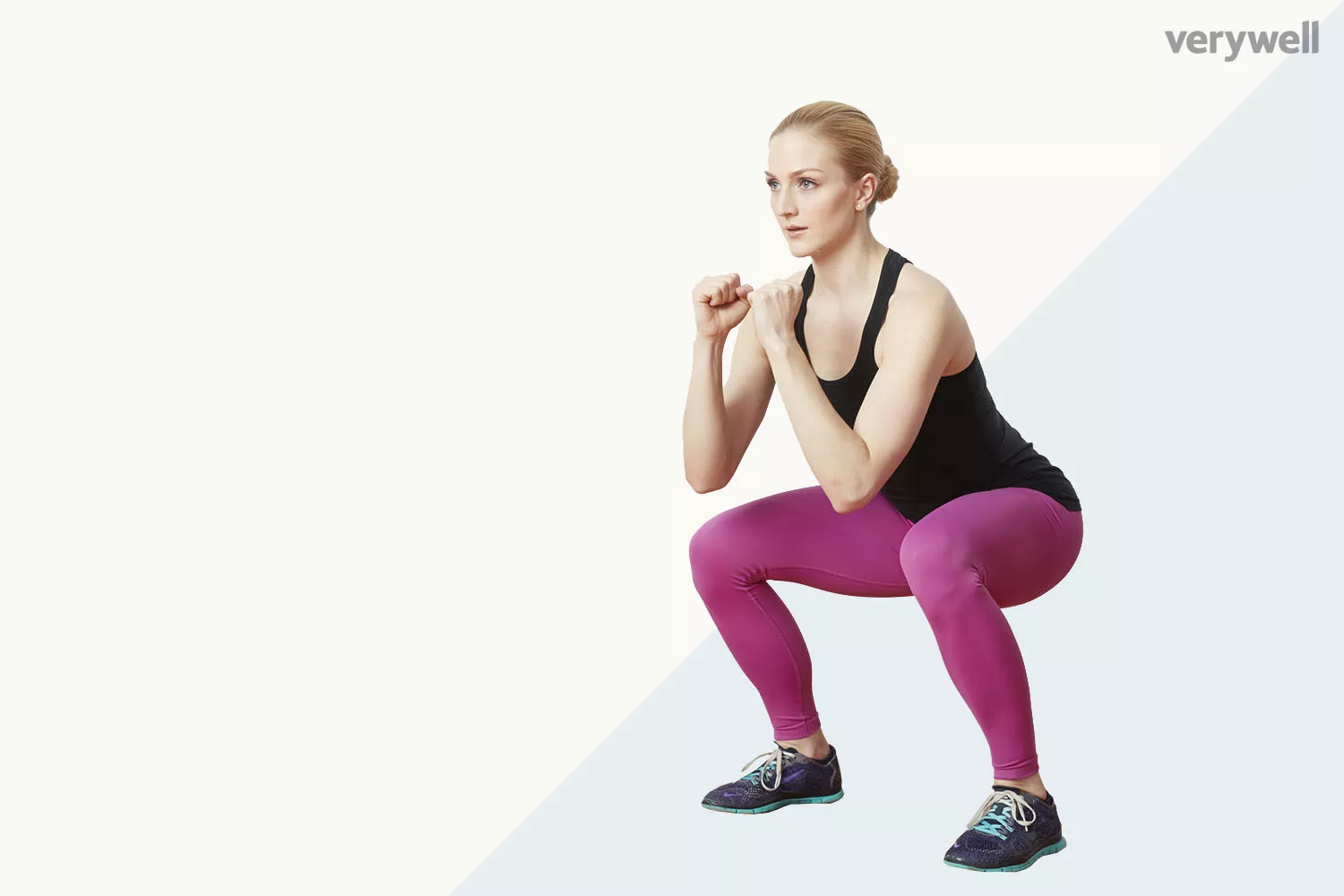
The squat is arguably the most essential movement for human independence. From sitting down in a chair to getting up from a low sofa, your ability to perform a deep, stable squat dictates your mobility as you age. It targets the quadriceps, hamstrings, glutes, and core.
To perform a functional squat, keep your chest up, shift your hips back, and ensure your knees track over your toes. Whether you are using just your body weight or a heavy barbell, the mechanics remain the same: maintain a neutral spine and drive through your heels.
2. The Hinge: Protecting the Back
If the squat is about "sitting," the hinge is about "folding." The hip hinge is the most misunderstood yet vital movement for spinal health. It involves pushing your hips back while keeping your shins vertical, primarily engaging the posterior chain (hamstrings, glutes, and lower back). Mastering the hinge—through exercises like deadlifts or kettlebell swings—is what prevents you from "throwing your back out" when picking up a child or a heavy delivery box.
3. The Lunge: Navigating Uneven Terrain
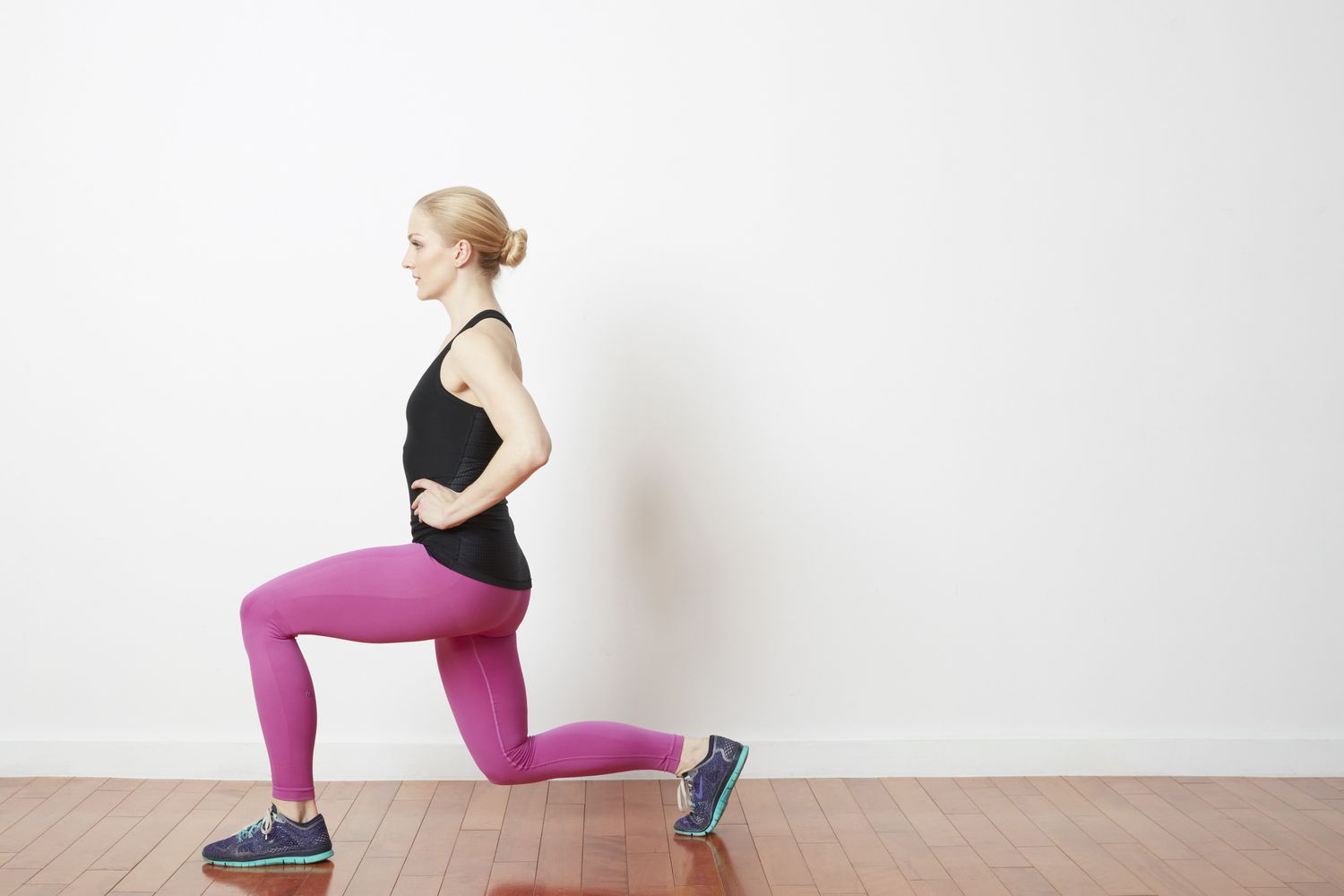
Life rarely happens on two feet perfectly balanced. We walk, we climb stairs, and we step over obstacles. The lunge is a unilateral (single-leg) movement that challenges your balance and stability. It mimics the stride pattern and strengthens the stabilizer muscles around the hips and knees, which are crucial for preventing falls.
4. & 5. The Push and Pull: Postural Alignment and Power
These two patterns are the pillars of upper-body function.
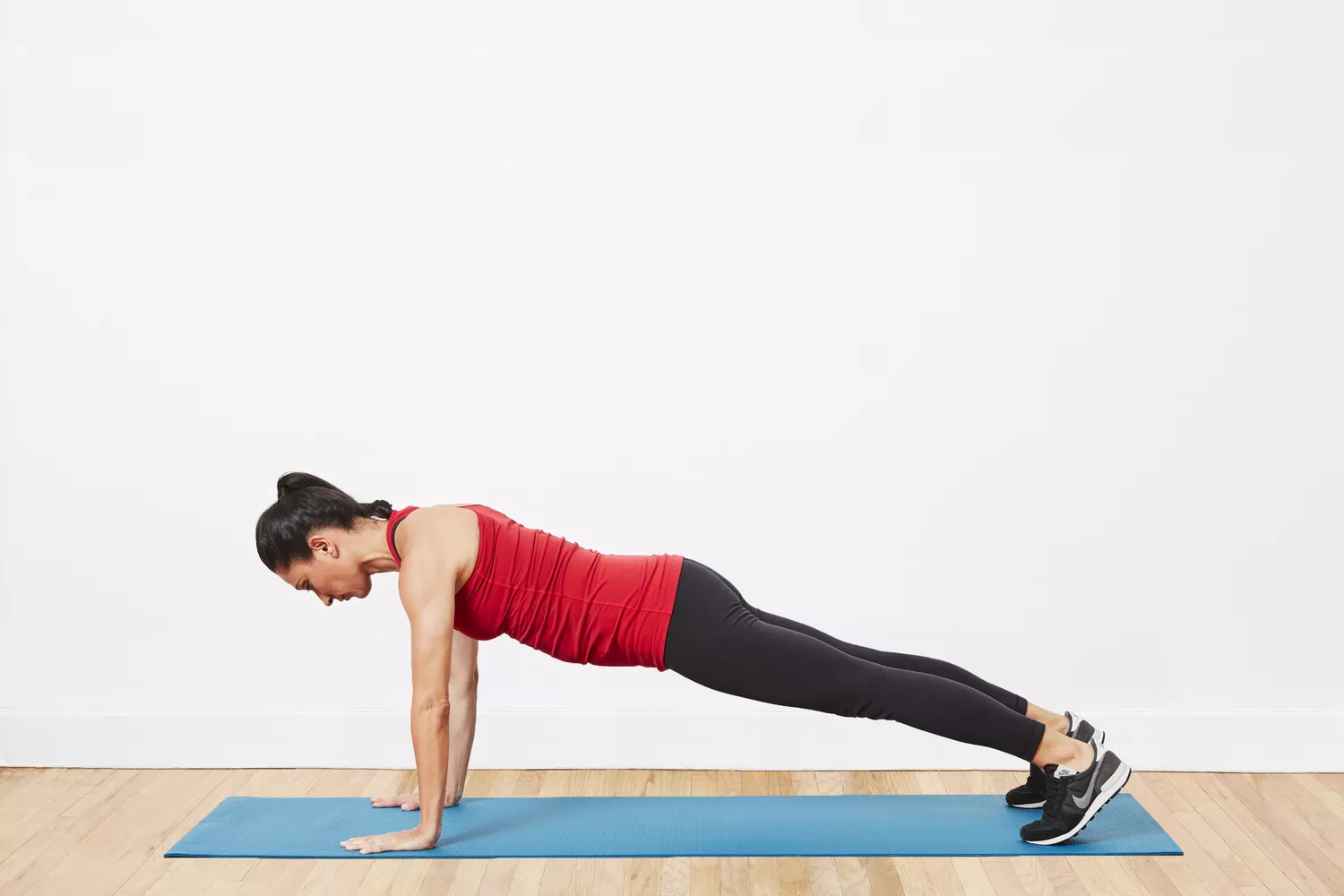
- The Push: Horizontal pushes (push-ups) and vertical pushes (overhead presses) are essential for moving objects away from the body or lifting items onto high shelves.
- The Pull: Perhaps even more critical in our sedentary, "shoulders-forward" society, pulling movements strengthen the upper back and improve posture. Exercises like rows and pull-ups counteract the slouching caused by hours at a desk.

6. The Rotate: Core Stability for Reaching and Twisting
Most injuries occur in the transverse plane—when we twist. Functional rotation isn't just about moving your torso; it’s about "anti-rotation" and core stability. It’s the strength required to carry a heavy suitcase in one hand without leaning (anti-lateral flexion) or the power to swing a golf club or tennis racket. A strong, stable core acts as the anchor for all other movements.
Longevity: Why Movement Mastery is the Ultimate Insurance Policy
Functional fitness is highly beneficial for longevity as it enhances balance, improves bone density, and increases core strength, which collectively reduce the risk of injury and support independence during aging. As a trainer, I often tell my clients that functional strength is an "insurance policy" for their future selves.
While traditional cardio is great for the heart, it doesn't provide the structural integrity needed to prevent frailty. Resistance training using multi-joint movements places a healthy "stress" on the skeletal system, which triggers osteoblast activity—the process of building new bone. This is critical for preventing osteoporosis.
Longevity Sidebar: The Data on Active Aging
- Trend Factor: Functional fitness is projected as a top 10 trend for 2026, signaling a move toward "Healthspan" rather than just "Lifespan."
- Metabolic Boost: Research suggests that engaging in full-body functional strength training twice weekly can optimize recovery times and improve resting metabolic rate (RMR) through increased muscle mass.
- Afterburn Effect: High-intensity functional movements trigger EPOC (Excess Post-exercise Oxygen Consumption), keeping your metabolism elevated long after you leave the gym.
Furthermore, these movements have a profound impact on metabolic health. By engaging multiple muscle groups simultaneously, you demand more energy from the body, leading to a higher caloric burn during and after the workout. This helps manage weight and improves insulin sensitivity, two key factors in long-term health.

2026 Tech Integration: Data-Driven Functional Training
The future of training isn't just about how much you lift, but how well you recover. In 2026, the #1 fitness trend is wearable technology. We are now able to integrate sophisticated data—like Heart Rate Variability (HRV) and sleep quality—directly into our functional programming.
For the modern athlete, this means "Autoregulation." If your wearable device shows a low HRV score, indicating your nervous system is stressed, you might swap a heavy deadlift session (Hinge) for a mobility-focused bodyweight flow. This biofeedback loop prevents overtraining and ensures that your functional training stays... well, functional.
Hybrid training is also on the rise. Many athletes now combine two days of heavy compound lifts in a gym setting with "functional snacks" at home—short, 15-minute bodyweight routines that reinforce movement patterns like the squat and lunge during the workweek.
Building Your Routine: Expert Tips for Consistency
To see results, you don't need to live in the gym. Consistency beats intensity every single time. Here is how I recommend structuring a functional program for the best results:
Frequency and Volume
Research and industry data (ACSM/NYT) suggest that twice-weekly full-body sessions are the sweet spot for most people. This frequency allows for enough stimulus to build muscle and bone density while providing ample time for recovery.
| Component | Goal | Recommendation |
|---|---|---|
| Frequency | Consistency | 2-3 times per week |
| Focus | Movement Quality | Master form before adding weight |
| Duration | Efficiency | 45-60 minutes per session |
| Progression | Growth | Increase resistance every 2-4 weeks |
Priority: Form Over Weight
In functional training, "how" you move is more important than "how much" you move. If your knees cave in during a squat, or your back rounds during a hinge, you aren't building strength—you're building a future injury. Start with bodyweight exercises to "grease the groove" of the movement pattern. Once the movement feels natural and stable, introduce external resistance.
Progression: The Ladder to Success
Progression is key to preventing plateaus. Start with bodyweight, then move to resistance bands or light dumbbells. As your stability improves, transition to compound movements with barbells or kettlebells. For example, a chair squat becomes a goblet squat, which eventually becomes a weighted front squat. This progression maximizes metabolic benefits and bone density.

FAQ
Q: Is functional strength training suitable for seniors?
A: Absolutely. In fact, it is essential. Functional movements like squats and lunges directly address the muscle loss and balance issues that lead to falls in older age. The key is to start with supported movements (like using a chair for squats) and progress as stability increases.
Q: Do I need a gym membership for functional training?
A: No. Many of the most effective functional exercises can be done with bodyweight, a pair of dumbbells, or even common household items like water jugs. The goal is to master the movement pattern, not necessarily to lift the heaviest weights in the room.
Q: How quickly will I see results?
A: You will likely feel "neurological" results within 2-3 weeks—meaning you will feel more stable, coordinated, and "lighter" on your feet. Physical changes in muscle tone and metabolic rate typically become visible within 8-12 weeks of consistent training twice a week.
Take Action Today
Your body was designed to move, not to be static. By mastering these six foundational patterns, you are reclaiming your physical autonomy and investing in a future of independence and vitality. Don't wait for a "new year" or the perfect moment. Start today by performing 10 controlled bodyweight squats and 10 lunges.
Master the movement, and the strength will follow.