Quick Facts
- The Secret Sauce: Success lies in "Component Prepping"—cooking versatile building blocks rather than rigid, individual recipes.
- Time Efficiency: You can prepare a full week of meals (21 servings plus snacks) in approximately 110 minutes with a strategic timeline.
- Nutritional Power: A well-planned plant-based menu provides 80–95 grams of protein daily from sources like lentils, tofu, and hemp seeds.
- Environmental Impact: Switching to a plant-forward diet can reduce your individual carbon footprint by up to 70%.
- Health Win: Plant-based patterns are linked to a 43% lower risk of colorectal cancer and significant improvements in heart health markers.
We have all been there: It is 6:00 PM on a Tuesday, your energy is flagging, and the thought of chopping vegetables feels like a Herculean task. This is the moment where even the best intentions for healthy eating often crumble in favor of takeout. But what if your fridge was already stocked with nutrient-dense, plant-based building blocks ready to be assembled in five minutes? As a nutrition editor, I’ve seen that the barrier to a plant-based lifestyle isn't a lack of willpower—it’s a lack of a system.
Transitioning to a plant-forward kitchen is one of the most impactful decisions you can make for your health and the planet. Research shows that moving toward plant-based eating patterns can lead to a 70% reduction in individual greenhouse gas emissions. Beyond sustainability, the clinical evidence is staggering: these diets are associated with a 43% lower risk of colorectal cancer when they include diverse plant proteins and fish. To help you bridge the gap between "wanting to eat better" and "actually doing it," we’ve refined a 120-minute strategy that guarantees a week of delicious, science-backed nutrition.
Mastering 'Component Prepping' for Speed
The biggest mistake beginners make is trying to cook five different complex recipes on a Sunday afternoon. This leads to "kitchen burnout" and a mountain of dishes. Instead, we advocate for Component Prepping. This method involves batch-cooking 4–5 versatile "building blocks" (grains, proteins, roasted vegetables, and a signature sauce) that can be mixed and matched throughout the week. It’s the difference between being a short-order cook and being a chef with an expertly prepped mise en place.
When we focus on components, we also ensure nutritional density. A common concern with plant-based diets is the potential for deficiencies in Vitamin B12, Iron, and Calcium. By prepping whole, minimally processed foods—think dark leafy greens, legumes, and fortified seeds—we create a safety net for these nutrients. For example, batch-cooking a pot of lentils provides a significant iron boost, while a tahini-based dressing offers a surprising amount of calcium.
Furthermore, let’s debunk the protein myth. You do not need animal products to hit your macros. By utilizing diverse sources like extra-firm tofu, chickpeas, and quinoa, a typical 2,000-calorie plant-based menu can easily provide 80-95 grams of protein daily. Component prepping allows you to see exactly where your protein is coming from, ensuring every bowl you assemble is balanced and satiating.
Your Strategic Shopping List
Efficiency starts at the grocery store. To keep your prep under two hours, your shopping list should be divided into categories that correspond to how you will cook them.
- The Grains (The Foundation): Look for "ancient" grains like quinoa, farro, or sprouted brown rice. These offer more fiber and protein than white varieties.
- The Proteins (The Muscle): Grab two blocks of extra-firm tofu, two cans of organic chickpeas, and a bag of dry red lentils.
- The Produce (The Micronutrients): To save time, don't be afraid of the "shortcuts." Pre-washed baby spinach, bagged kale, and pre-chopped butternut squash are worth the extra dollar for the time they save.
- The Pantry Staples (The Flavor): This is where you keep things interesting. Nutritional yeast (for a cheesy flavor), tahini, almond butter (we love the 365 by Whole Foods creaminess), and low-sodium tamari.
Editor’s Tip: When buying canned beans, look for "no salt added" versions. This allows you to control the sodium levels during your prep, which is crucial for managing blood pressure and reducing water retention.
The 2-Hour Action Plan: A Step-by-Step Timeline
To finish in under 120 minutes, you need to work in "waves." We start with the items that take the longest (grains and roasting) and finish with the quick-hit items like sauces and fresh chopping.
| Time Interval | Focus Area | Key Actions |
|---|---|---|
| 0:00 - 0:15 | The Simmer | Start your quinoa and lentils on the stove. Use vegetable broth instead of water for extra minerals and flavor. |
| 0:15 - 0:45 | The Roast | Crank the oven to 400°F. Line two trays: one with cubed tofu and chickpeas, the other with broccoli and sweet potatoes. Season generously. |
| 0:45 - 1:15 | The Chop | While the oven does the work, chop your raw veggies (bell peppers, cucumbers) and wash your greens. Prepare your fruit for snacks. |
| 1:15 - 1:45 | The 'Magic' Sauces | Whisk together a Lemon-Tahini dressing and a Spicy Peanut sauce. These are the "glue" that prevents meal-prep boredom. |
| 1:45 - 2:00 | The Assembly | Let everything cool (crucial for food safety!) before portioning into glass containers. |
7-Day Beginner Plant-Based Meal Plan Ideas
Once your components are prepped, the "cooking" for the rest of the week is simply assembly. Here is how those building blocks transform into a diverse weekly menu:
| Day | Breakfast | Lunch | Dinner |
|---|---|---|---|
| Mon | Overnight Oats w/ Hemp Seeds | Quinoa & Chickpea Power Bowl | Roasted Tofu & Broccoli over Brown Rice |
| Tue | 5-Minute Tofu Scramble | Chickpea "Tuna" Salad Wrap | Lentil Pasta with Roasted Cauliflower |
| Wed | Overnight Oats w/ Berries | Roasted Veggie & Quinoa Salad | Black Bean & Sweet Potato Burrito Bowl |
| Thu | Tofu Scramble with Spinach | Lentil & Veggie Grain Bowl | Tofu Stir-fry with Peanut Sauce |
| Fri | Nut Butter & Banana Toast | Chickpea "Tuna" Wrap | Roasted Veggie Pasta with Nutty Pesto |
| Sat | Smoothie Bowl w/ Seeds | DIY Burrito Bowl | "Everything" Kitchen Sink Grain Bowl |
| Sun | High-Protein Pancakes | Leftover Lentil Stew | Roasted Veggie & Hummus Flatbread |
Breakfast Spotlight: The 5-Minute Win
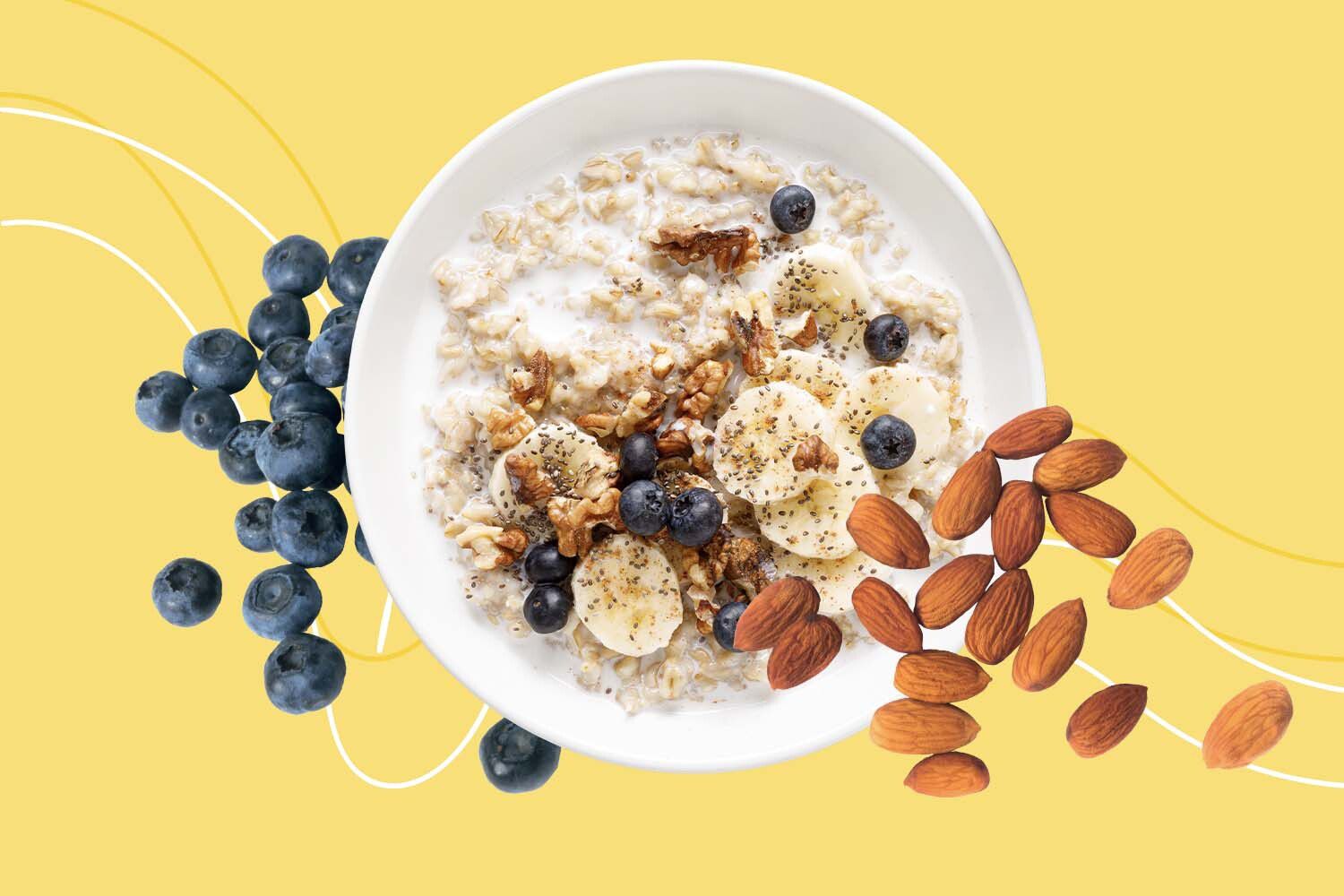
Don't overlook the power of hemp seeds in your overnight oats. Just three tablespoons add 10 grams of complete protein and a healthy dose of Omega-3 fatty acids, which are essential for brain health on a plant-based diet.
Lunch & Dinner Pivot
If you find yourself mid-week and "don't feel like a bowl," pivot. Take your roasted sweet potatoes and black beans, mash them slightly, and tuck them into a corn tortilla for instant tacos. The magic of component prepping is that the ingredients are neutral enough to change cuisines on a whim.
Storage, Freezing, and Reheating Hacks
To keep your food tasting "just cooked" on Thursday and Friday, follow these editor-vetted storage rules:
- The Cooling Rule: Never put hot food directly into the fridge. The steam creates condensation, which leads to soggy vegetables and faster bacterial growth. Let your roasted trays sit for 20 minutes first.
- Glass over Plastic: For plant-based meals, glass containers are superior. They don't absorb the smells of garlic or spices, and they reheat more evenly.
- The "Air" Factor: When storing greens like kale or spinach, tuck a piece of paper towel into the container. It absorbs excess moisture, keeping your leaves crisp for up to 6 days.
- Freezing Logic: If you’ve prepped too many lentils or grains, freeze them in flat silicone bags. They defrost in minutes and maintain their texture much better than frozen tofu or watery vegetables.
Reheating Pro-Tip: When reheating grains in the microwave, add a single ice cube on top of the rice/quinoa and cover it. The ice won't melt completely, but it creates a "steam oven" effect that perfectly re-hydrates the grains without making them mushy.

FAQ
Q: How do I ensure I'm getting enough Vitamin B12 on this plan? A: Since B12 is primarily found in animal products, we recommend incorporating nutritional yeast into your sauces or choosing fortified plant milks. However, for a strictly plant-based lifestyle, a daily B12 supplement is a science-backed necessity. Consult with your healthcare provider for the dosage that's right for you.
Q: Can I meal prep for just 3 days instead of 7? A: Absolutely. If you prefer your food at its absolute freshest, you can use the same 2-hour timeline but halve the quantities. This "mini-prep" usually takes only 60 minutes and is great for people who enjoy a bit of light cooking on Wednesday nights.
Q: Will plant-based meal prep actually save me money? A: Yes. Statistics show that plant-based staples like beans, lentils, and grains are significantly cheaper per pound than meat and poultry. By buying in bulk and minimizing food waste through prepping, most of our readers report saving $30–$50 on their weekly grocery bill.
Start Your Plant-Forward Journey Today
Meal prepping isn't about perfection; it’s about giving your future self a helping hand. By spending just two hours this Sunday on "Component Prepping," you aren't just making food—you're reclaiming your time, supporting your long-term health, and contributing to a more sustainable planet.
Chop once, eat all week, and feel the difference that evidence-based nutrition can make in your daily energy levels.