You are standing in the snack aisle, surrounded by vibrant wrappers promising "high protein," "zero sugar," and "guilt-free indulgence." It is the ultimate convenience trap. As a nutrition editor, I’ve spent years dissecting the "nutritionally engineered" snack market, and I can tell you that the front of a protein bar package is marketing, but the back—the ingredient list and the nutrition facts panel—is the truth. Too often, what we perceive as a health food is actually a candy bar in disguise, masquerading behind a high protein claim while harboring inflammatory oils and gut-disturbing sweeteners.
To cut through the noise, a nutritionist-approved protein bar should ideally contain less than 7 grams of added sugar, provide at least 10–20 grams of high-quality protein, and feature a short list of recognizable whole-food ingredients like nuts, oats, and egg whites. If you can’t pronounce half the ingredients, your body likely won't know how to process them efficiently either.

I. The 'Must-Haves': What a Nutritionist Looks for First
When I flip a bar over, I don't start with the calories. I start with the source of the protein. Not all protein is created equal. For those who tolerate dairy, Whey Protein Isolate is the gold standard because it contains all essential amino acids and is rapidly absorbed by the muscles. If you are plant-based, look for a blend—such as pea and brown rice protein—to ensure you’re getting a complete amino acid profile.
Next, I look for fiber. Fiber is the unsung hero of the protein bar world; it slows down the absorption of sugar and keeps you feeling full. The "sweet spot" is 3–5 grams per bar. This amount supports gut health without causing the bloating that often comes with bars that "over-fortify" with 15+ grams of synthetic fibers like polydextrose.
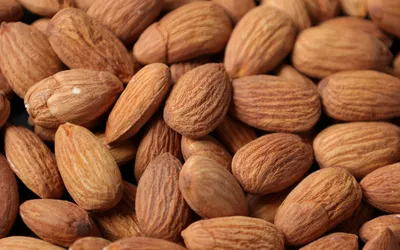
Finally, there is the "Front of Label" test. Can you see the ingredients in your mind’s eye? High-quality bars rely on recognizable whole foods. When the first few ingredients are almonds, oats, or egg whites, you are getting a complex matrix of micronutrients and healthy fats alongside your protein.
Nutritionist Tip: Leading nutritionists recommend keeping added sugar below 7 grams per serving. This isn't just a random number—it’s the threshold to prevent the insulin spikes and subsequent energy crashes that turn a "healthy snack" into a productivity killer.
II. The 5 Red Flags: Ingredients to Avoid
The industry is clever at hiding less-than-ideal ingredients under names that sound benign. If you see these five red flags, put the bar back on the shelf.
1. Excessive Sugar Alcohols Erythritol, xylitol, and maltitol are favorites for "low-carb" bars because they provide sweetness with fewer calories. However, they are not fermented well in the gut. Excessive sugar alcohols are a leading cause of digestive upset, gas, and bloating. If a bar has more than 5 grams of sugar alcohols, proceed with caution.
2. Artificial Sweeteners While sucralose and acesulfame potassium (Ace-K) are FDA-approved, they raise significant transparency concerns for those seeking a clean diet. Some studies suggest these high-intensity sweeteners can alter gut microbiota and even trigger cravings for sweeter, more caloric foods later in the day.
3. Highly Processed Fillers Watch out for "polydextrose," "soy lecithin," and "modified plant oils." These are often used as cheap bulking agents or emulsifiers to give a bar a shelf life of two years. If the ingredient list looks like a chemistry textbook, it’s a processed food, not a whole-food snack.
4. 'Protein Blends' of Lower Quality Many brands use "collagen" to pad their protein numbers. While collagen is great for skin and joints, it is an incomplete protein, meaning it lacks the amino acid tryptophan. If collagen is the primary protein source, the bar won't be as effective for muscle repair as one using whey or egg whites.
5. Hidden Saturated Fats To achieve that "melt-in-your-mouth" texture, manufacturers often use palm kernel oil or coconut oil additives. While coconut oil has its fans, the highly processed version used in snack bars is often just a source of unnecessary saturated fat that offers little nutritional value.

III. The Lean Macro Profile: Efficiency for Weight Loss and Muscle
The most common mistake I see is people choosing a "protein bar" that is actually 70% carbohydrates and fats. To understand how to read protein bar labels like an expert, you must look at the Protein-to-Calorie Ratio.
For weight loss or lean muscle goals, you should aim for a "lean macro" profile. This means protein remains the primary macronutrient. I look for bars offering approximately 20–28 grams of protein for every 150–200 calories.
Consider the math: Protein has 4 calories per gram. If a bar has 20 grams of protein, that’s 80 calories from protein. If the total bar is 150 calories, more than half of its energy comes from protein. That is an efficient, high-performance snack. In contrast, many popular bars offer only 10 grams of protein for 250 calories—meaning you’re consuming 210 calories of mostly sugar and fat just to get a small hit of protein.
Top-tier performance bars now achieve a high protein efficiency ratio, delivering up to 28 grams of protein within a 150-calorie limit, significantly surpassing the industry average of 10-15 grams.
Macro Comparison: Candy Bar Profile vs. Nutritionist Approved
| Metric | "Candy Bar" in Disguise | Nutritionist-Approved Bar |
|---|---|---|
| Protein Source | Soy protein nuggets / Collagen | Whey isolate / Egg whites / Pea protein |
| Protein Amount | 8–10g | 15–25g |
| Total Calories | 250–300 kcal | 150–200 kcal |
| Added Sugar | 15g+ (High Fructose Corn Syrup) | < 7g (Monk fruit or Stevia) |
| Fiber | 1g or less | 3–7g |

IV. Selecting for Your Specific Goals
Your choice of bar should change based on what your body needs at that specific moment. A bar for a hiker is not the same as a bar for someone sitting at a desk all day.
- For Muscle Building: Focus on leucine-rich sources. Whey protein is the king here. Look for "Whey Protein Isolate" as the first ingredient to trigger muscle protein synthesis effectively post-workout.
- For Weight Management: Prioritize the protein-to-calorie ratio. You want the highest amount of protein for the lowest number of calories to stay satiated while maintaining a deficit.
- For Gut Health: Look beyond the protein. Identifying resistant starch (from ingredients like green bananas or oats) and prebiotics like inulin can help feed your beneficial gut bacteria. However, start slow to ensure your digestive system adapts.
- For Post-Workout Recovery: You actually want some sugar here. An optimal 2:1 carb-to-protein ratio helps replenish glycogen stores. A bar with 20g of protein and 40g of complex carbs (like those from dates or honey) is ideal after an intense session.
Emily’s Recommendation: If you are looking for a bar that hits the "lean macro" sweet spot without the chemical aftertaste, I often recommend RXBAR for its transparency or Quest Nutrition (the Hero line specifically) for those who need high protein and high fiber with minimal sugar.

V. Practical Label Decoding: A 30-Second Checklist
You don't need a degree in biochemistry to make a better choice. The next time you’re at the store, follow this 30-second audit:
- Step 1: The Rule of Three. Look at the first three ingredients. If any form of sugar (syrup, cane sugar, fructose) or a highly processed oil is in the top three, put it back. You want protein or a whole food (like nuts) to lead the pack.
- Step 2: The Net Carb Calculation. Subtract the fiber and half of the sugar alcohols from the Total Carbohydrates. If the "Net Carbs" are still over 20g and you aren't about to run a marathon, the bar is likely too carb-heavy for a standard snack.
- Step 3: Verify Added Sugars. Don't just look at "Total Sugars," which includes natural sugars from fruit. Look specifically at "Added Sugars." If it’s over 7 grams, it's essentially a dessert.
FAQ
Q: Are plant-based protein bars as good as whey bars?
A: Nutritiously, yes—if they use a blend. Because most plant proteins are "incomplete," a mix of pea and rice or hemp ensures you get all the amino acids your body needs for muscle repair. Just be aware that plant bars often have higher fat content due to the nut bases used for texture.
Q: What is the deal with "Net Carbs"? Is it just a marketing gimmick?
A: It’s half-marketing, half-science. Net carbs represent the carbs your body actually digests into glucose. Since fiber and most sugar alcohols don't spike blood sugar the same way, subtracting them gives a more accurate picture of the bar's glycemic impact. However, don't use "low net carbs" as an excuse to ignore a mile-long list of artificial ingredients.
Q: Can I replace a meal with a protein bar?
A: Occasionally, yes, but most protein bars lack the volume and micronutrient diversity of a real meal. If you must use one as a meal replacement, look for a bar with at least 300 calories and 20g of protein, and pair it with a piece of real fruit or some raw veggies to add volume and antioxidants.
Ready to upgrade your snack game?
The key to long-term health isn't perfection; it's informed choices. Use this guide to audit your pantry today. If your current "go-to" bar fails the 5 Red Flags test, it's time to find a new favorite that actually fuels your goals.