We’ve all been there: hobbling down the stairs 48 hours after a heavy squat day or feeling that nagging tightness in our shoulders after a high-volume upper body session. For years, the standard prescription was "embrace the pain" with a traditional high-density foam roller. But as we move into 2025, the recovery landscape has shifted. If you aren't using myofascial release vibration technology, you’re essentially using yesterday’s tools to solve today's performance problems.
Vibrating foam rollers represent a significant leap in sports science, moving recovery from a passive, often painful chore to an active, tech-driven protocol. Unlike traditional rollers that rely solely on manual pressure and body weight, these devices utilize high-frequency mechanical oscillations. This vibration does more than just feel good; it actively engages your neural pain systems, allowing you to achieve deeper myofascial release with significantly less discomfort.
Whether you’re a professional athlete or a weekend warrior, understanding how to use a vibrating foam roller for muscle soreness is the key to reducing downtime and hitting your next PR.
Quick Facts: The 2025 Recovery Breakdown
- The Mechanism: Vibrating rollers use mechanical oscillations to increase blood flow and "blind" the nervous system to pain, allowing for deeper tissue work.
- The 60-Second Rule: Research suggests a minimum of 60 seconds per muscle group is required to fully recruit muscle fibers and maximize the activation of mechanoreceptors.
- DOMS Reduction: A landmark 2024 study confirmed that vibration therapy significantly mitigates Delayed Onset Muscle Soreness (DOMS) compared to static rolling.
- Versatility: Effective as a pre-workout tool to increase elasticity and a post-workout tool to flush metabolic waste.
Understanding the Vibration Advantage
The transition from manual to mechanical rolling isn't just a trend; it's a fundamental change in how we address soft tissue health. Traditional foam rolling works through autogenic inhibition—using the pressure of the roller to signal the muscle to relax. However, the limitation has always been the pain threshold. If the rolling hurts too much, the muscle tenses up, defeating the purpose.
Vibration technology solves this by utilizing the Gate Control Theory of Pain. The high-frequency vibrations travel faster to the brain than pain signals do. By "occupying" the nervous system with vibration, you can apply greater pressure to trigger points without the wincing. Furthermore, the vibration causes the muscle fibers to contract and relax dozens of times per second, which increases local circulation far more effectively than static pressure ever could.
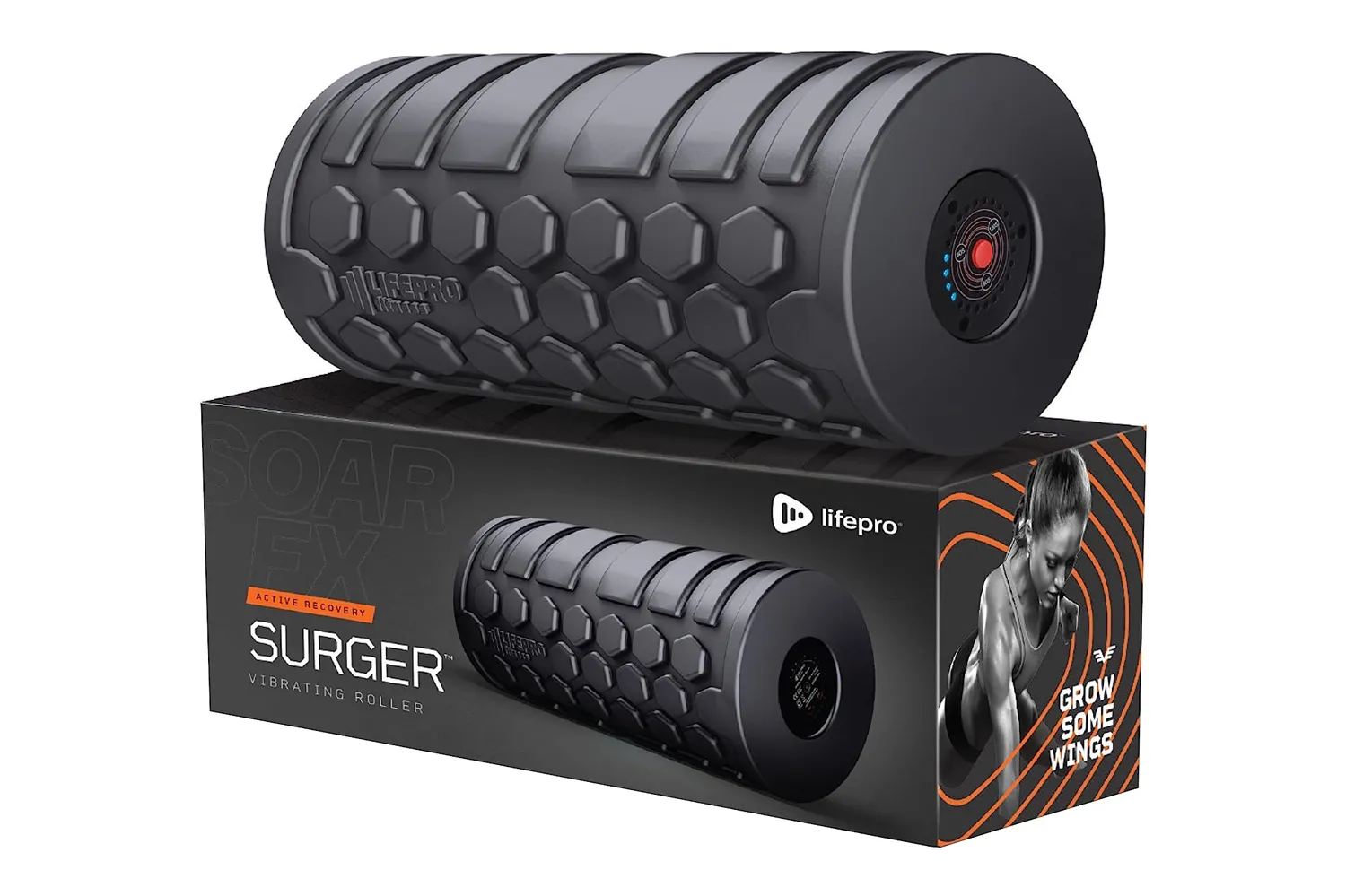
Expert Tip: When choosing between vibrating foam rollers vs traditional models, look at the frequency (Hz). High-quality rollers for 2025 usually offer variable speeds ranging from 2,000 to 4,000 RPM (Rotations Per Minute). Lower speeds are ideal for sensitive areas, while higher speeds are necessary for dense muscle groups like the glutes and quads.
The Science of Faster Recovery
Why are the best electric foam rollers of 2025 becoming staples in every elite locker room? It comes down to cellular and neural responses.
A 2024 study published in Scientific Reports confirmed that foam rolling—specifically when augmented by vibration—supports both immediate and prolonged recovery in athletes. The study highlighted that vibration increases the temperature of the muscle tissue more rapidly, which improves the "creep" or elasticity of the fascia.
Activating Mechanoreceptors
Our muscles are loaded with sensory neurons called mechanoreceptors. When you use a vibrating roller, you are essentially "tuning" these receptors. By stimulating the Pacinian corpuscles (which respond to high-frequency vibration), you inhibit the overactive muscle spindles that cause tightness. This leads to an immediate increase in range of motion (ROM) without the temporary loss of power that sometimes accompanies long-duration static stretching.
Reducing DOMS
Delayed Onset Muscle Soreness is caused by micro-trauma to the muscle fibers and the subsequent inflammatory response. Vibration therapy helps "flush" the area, accelerating the removal of lactic acid and other metabolic byproducts. By increasing lymphatic drainage, you aren't just masking the soreness; you are physically speeding up the biological repair process.
How to Use a Vibrating Foam Roller Like a Pro
To get the most out of your device, you need to move past "just rolling around." Precision is what separates a warm-up from a recovery session.
The Expert Rule: 60 Seconds
Medical experts and athletic trainers now recommend a minimum duration of 60 seconds per muscle group. This isn't an arbitrary number. It takes roughly 30 to 45 seconds for the nervous system to downregulate and for the vibration to penetrate through the superficial fascia into the deeper muscle layers.
Step-by-Step Techniques for Key Areas
1. Quadriceps: Managing Knee Mobility
If you’re a runner or a lifter, your quads are likely your tightest muscle group. Tight quads pull on the patellar tendon, leading to "jumper's knee" and general joint discomfort.
- Action: Lie face down with the roller under one thigh.
- Technique: Start near the hip and slowly crawl forward, letting the vibration penetrate. When you hit a "hot spot," stop and hold for 30 seconds before continuing toward the knee.
- Pro Tip: Bend your knee slowly while the roller is on a tender spot to perform an "active release" maneuver.
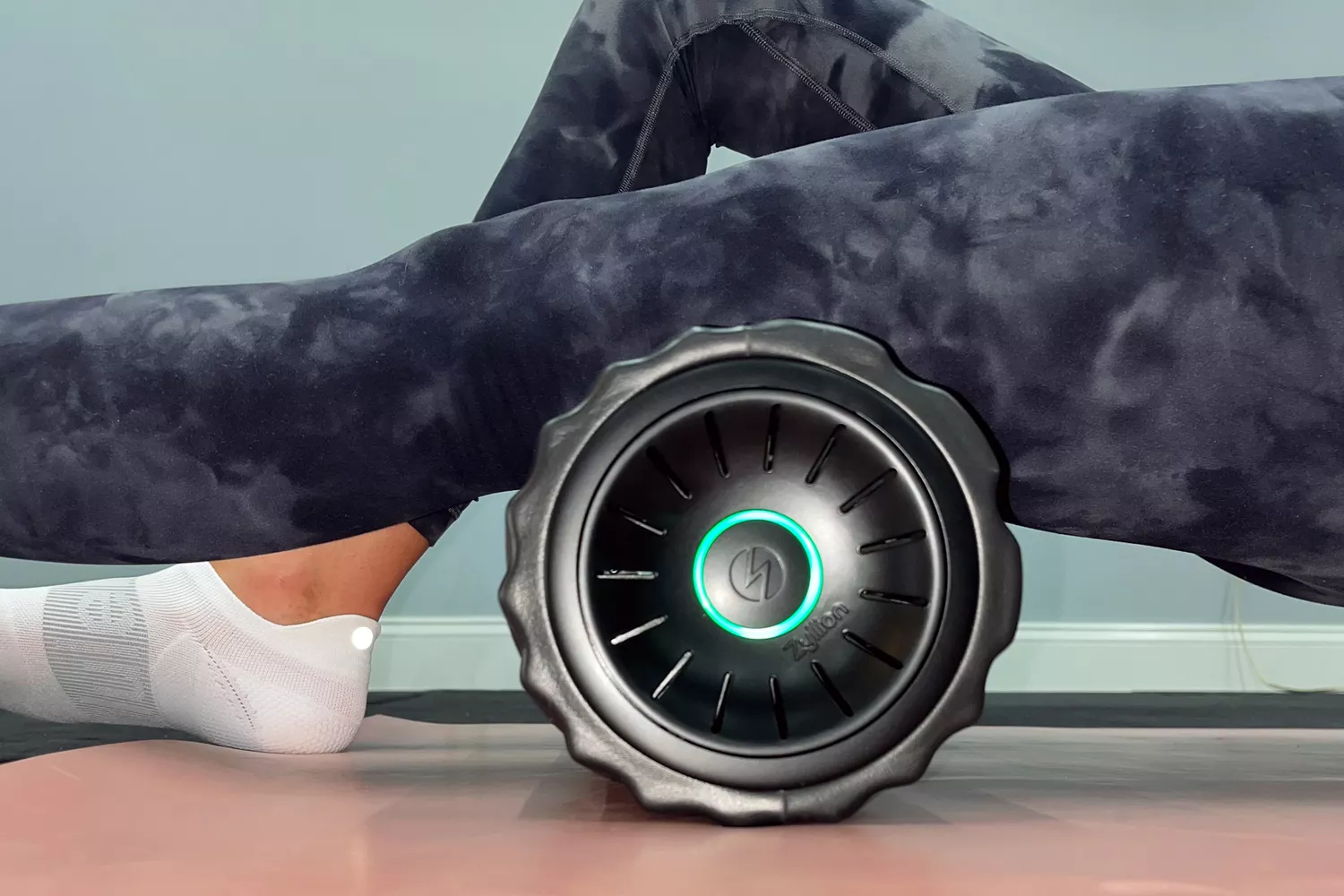
2. IT Band & Glutes: Breaking Up Deep Adhesions
The Iliotibial (IT) band is notoriously difficult to "stretch." Vibration is the only way to effectively reach the interface between the IT band and the vastus lateralis.
- Action: Side-lie with the roller under your hip.
- Technique: Use your top leg as a kickstand for balance. Move in small, 2-inch increments.
- Benefit: Vibration helps break up deep-seated adhesions that contribute to hip impingement.
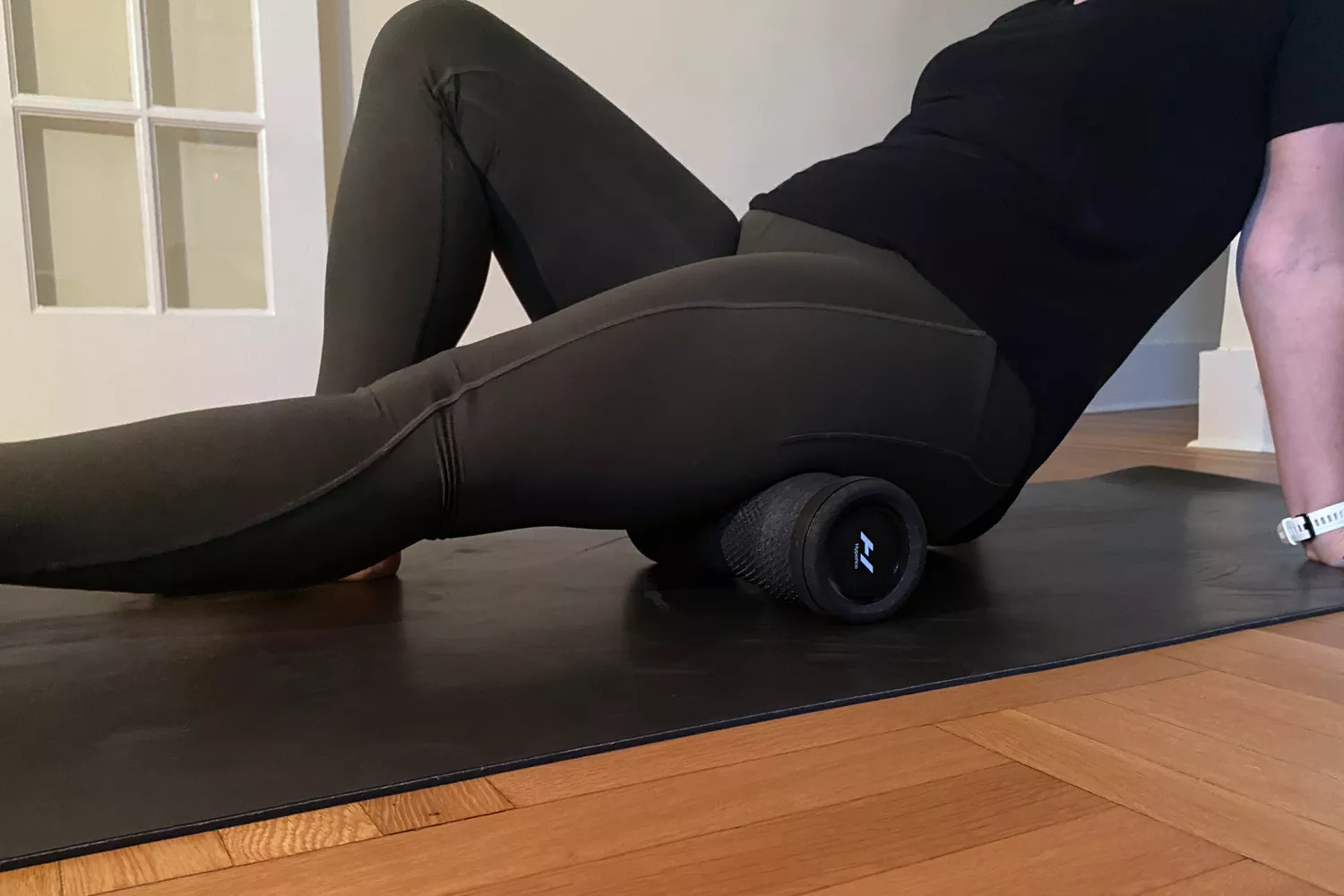
3. Calves & Hamstrings
Crucial for explosive movements and preventing Achilles tendonitis.
- Action: Sit on the floor with legs extended over the roller.
- Technique: Cross one leg over the other to increase the downward pressure. Rotate your ankle in circles while the vibration is active to recruit different fibers of the gastrocnemius.
4. Upper & Lower Back
Avoid the lumbar spine if you have existing disc issues. Instead, focus on the thoracic spine (upper back).
- Action: Place the roller horizontally across your shoulder blades.
- Technique: Support your head with your hands. Use the vibration to "melt" the tension in the rhomboids and traps. Many 2025 rollers feature a "spinal groove" to protect your vertebrae.
Comparison: Traditional vs. Vibrating Foam Rollers
| Feature | Traditional Foam Roller | Vibrating Foam Roller (2025) |
|---|---|---|
| Pain Level | Can be high (inhibiting relaxation) | Significantly lower (Gate Control Theory) |
| Blood Flow | Moderate (compression-based) | High (oscillation-based) |
| Time Required | 2-3 minutes per muscle | 60-90 seconds per muscle |
| Pre-Workout | May decrease power output | Increases elasticity and "wakes up" nerves |
| Depth of Reach | Superficial | Deep (penetrates through thick fascia) |
Choosing the Right Tech for Your Routine
As the editor here, I see dozens of these devices every year. In 2025, the market has matured, and you need to choose based on your specific training lifestyle.
Texture Matters
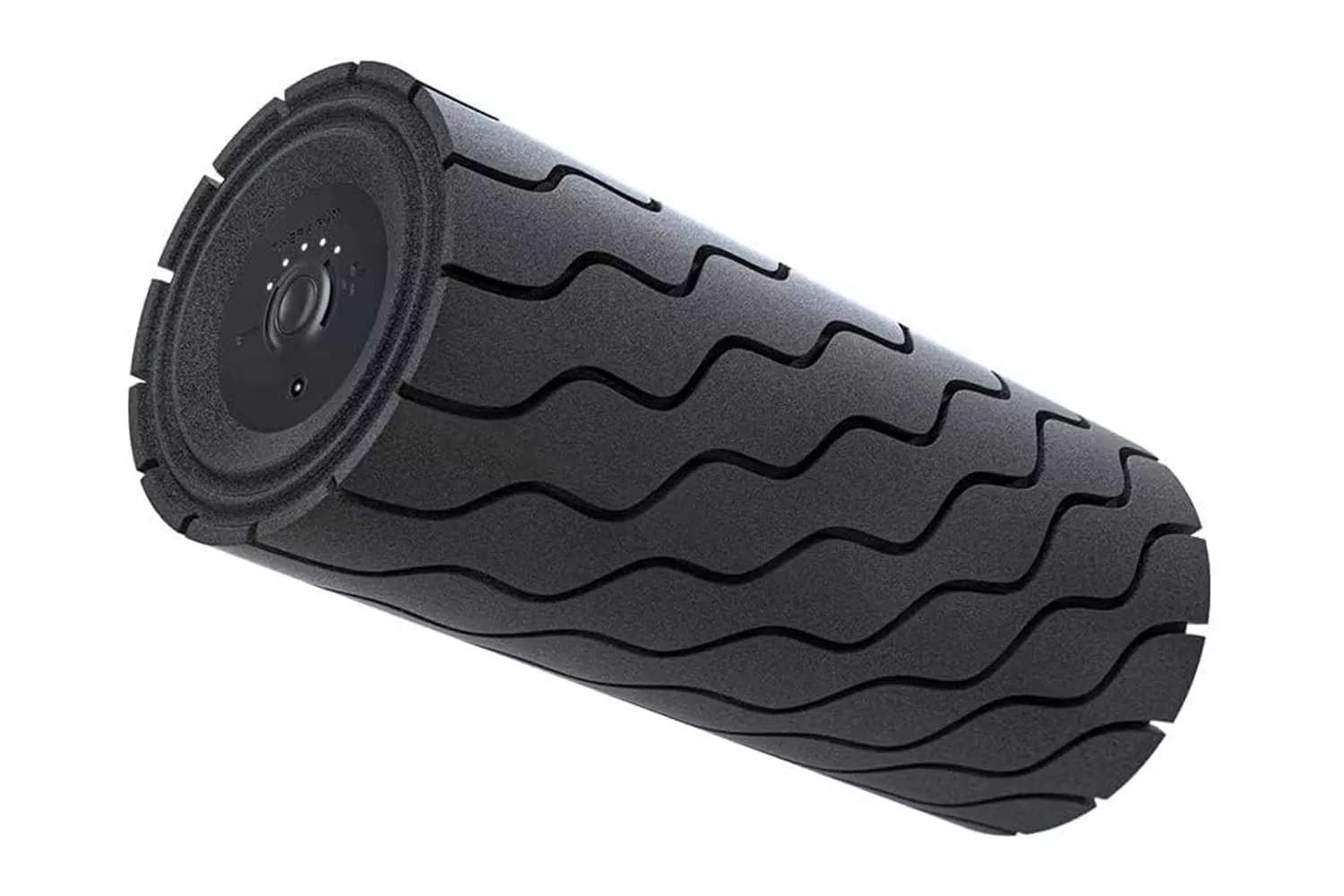
Not all surfaces are created equal. If you are new to recovery tech, a smooth silicone surface provides a more uniform, comfortable vibration. However, if you are a heavy lifter with significant muscle mass, you’ll want a grid texture. These "trigger point" patterns mimic the fingers of a massage therapist, digging into the fascia while the vibration works its magic.
Portability vs. Power
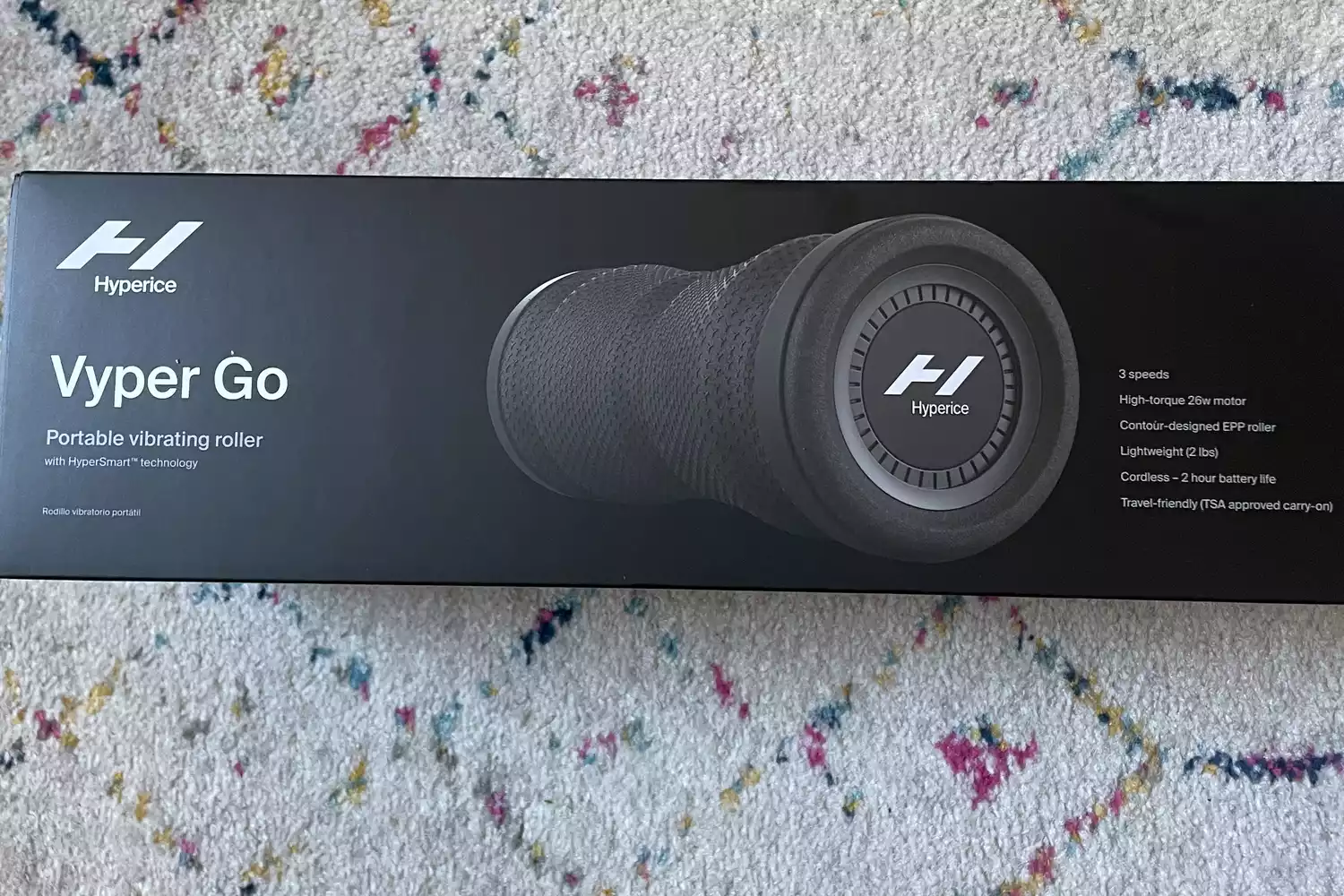
If you travel for races or competitions, a full-sized roller is a hassle. The "Mini" revolution has arrived. Many brands now offer TSA-approved, compact rollers that fit in a gym bag but still pack enough RPM to flush your quads after a flight.
Smart Features
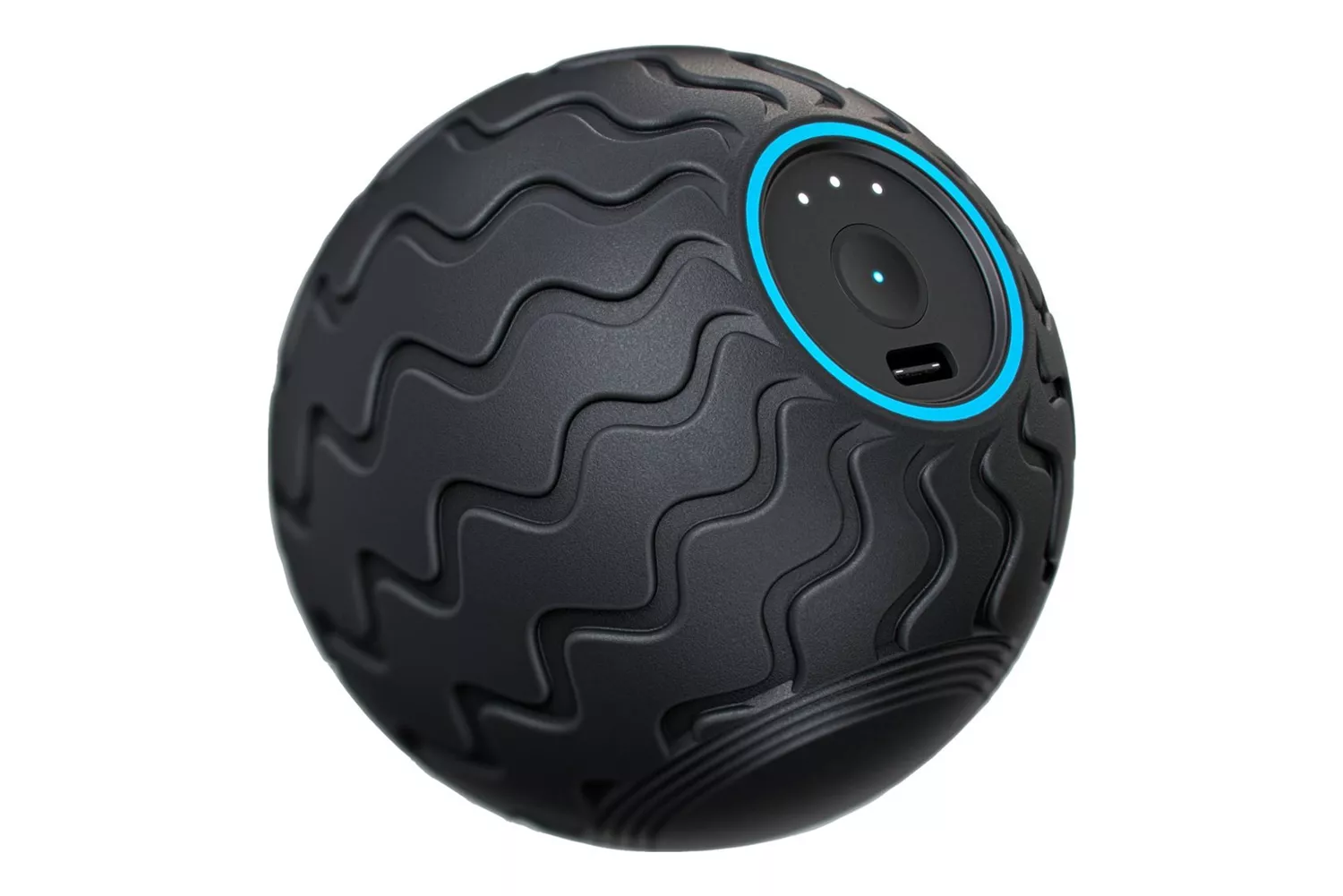
We are seeing more Bluetooth-enabled rollers that connect to apps (like the Hyperice or Therabody ecosystems). These apps guide you through routines based on your Strava or Apple Health data. If you ran 10 miles, the app automatically suggests a 10-minute vibrating roller routine specifically for your legs.
Shop High-Performance Vibrating Rollers →
Safety and Contraindications
While vibration is a game-changer, it isn't for everyone. As an expert, I have to emphasize safety:
- Avoid Acute Injuries: Never use vibration on a fresh muscle tear, sprain, or fracture.
- Bony Prominences: Do not vibrate directly on bones (kneecaps, shins, or the spine itself unless using a contoured roller).
- Medical Conditions: If you have a pacemaker, are pregnant, or suffer from deep vein thrombosis (DVT), consult a physician before using vibration therapy.
- Nerve Sensitivity: If you feel "pins and needles" or numbness, stop immediately. You may be compressing a nerve rather than a muscle.
Frequently Asked Questions (FAQ)
1. Can I use a vibrating foam roller every day? Yes. Unlike heavy strength training, recovery work can be done daily. In fact, using a vibrating roller for 5-10 minutes before bed can improve sleep quality by downregulating the nervous system.
2. Is it better than a massage gun? They serve different purposes. A massage gun (percussive therapy) is great for pinpointing a specific knot. A vibrating foam roller is superior for treating large chains of muscle (like the entire posterior chain) and for integrating into movement-based stretching.
3. How long does the battery usually last? Most premium 2025 models offer 2 to 3 hours of continuous use on a single charge. Given that most sessions last 10 minutes, you’ll likely only need to charge it once every two weeks.
Conclusion: Level Up Your Recovery
The days of rolling around on a piece of hard plastic and hoping for the best are over. The evidence is clear: vibrating foam rollers for recovery offer a faster, more effective, and significantly less painful path to muscle health. By committing to the "60-second rule" and utilizing high-frequency oscillations, you aren't just recovering; you're preparing for your next peak performance.
Don't let soreness dictate your training schedule. Invest in a tool that works as hard as you do.