There is a specific kind of serenity that only comes with a late-night or pre-dawn run. The streets are quiet, the air is crisp, and the usual chaos of the day has faded into a rhythmic thud of sneakers on pavement. But as a coach, I’ve seen too many athletes treat visibility as an afterthought. Whether you are training for a spring marathon or just getting your base miles in, being seen isn't just a courtesy—it’s a survival skill.
To help you navigate the dark safely, our team performed real-world testing on 26 different pieces of reflective running apparel and accessories to rank the top performers for 2025. We didn't just look at how "shiny" they were in a showroom; we tested them on unlit backroads, under rainy city streetlights, and through the eyes of drivers to see what truly makes a runner stand out.
Quick Facts: Night Running Safety at a Glance
- The Gold Standard: The Noxgear Tracer2 is our top-rated choice, utilizing flexible fiber-optic cables for true 360-degree illumination.
- Biomotion is Key: Research shows drivers recognize "human" movement faster when lights or reflective strips are placed on moving joints like ankles and wrists.
- High-Vis vs. Reflective: High-visibility (neon) gear is for daytime and dusk; reflective gear (which bounces light back) is essential for total darkness.
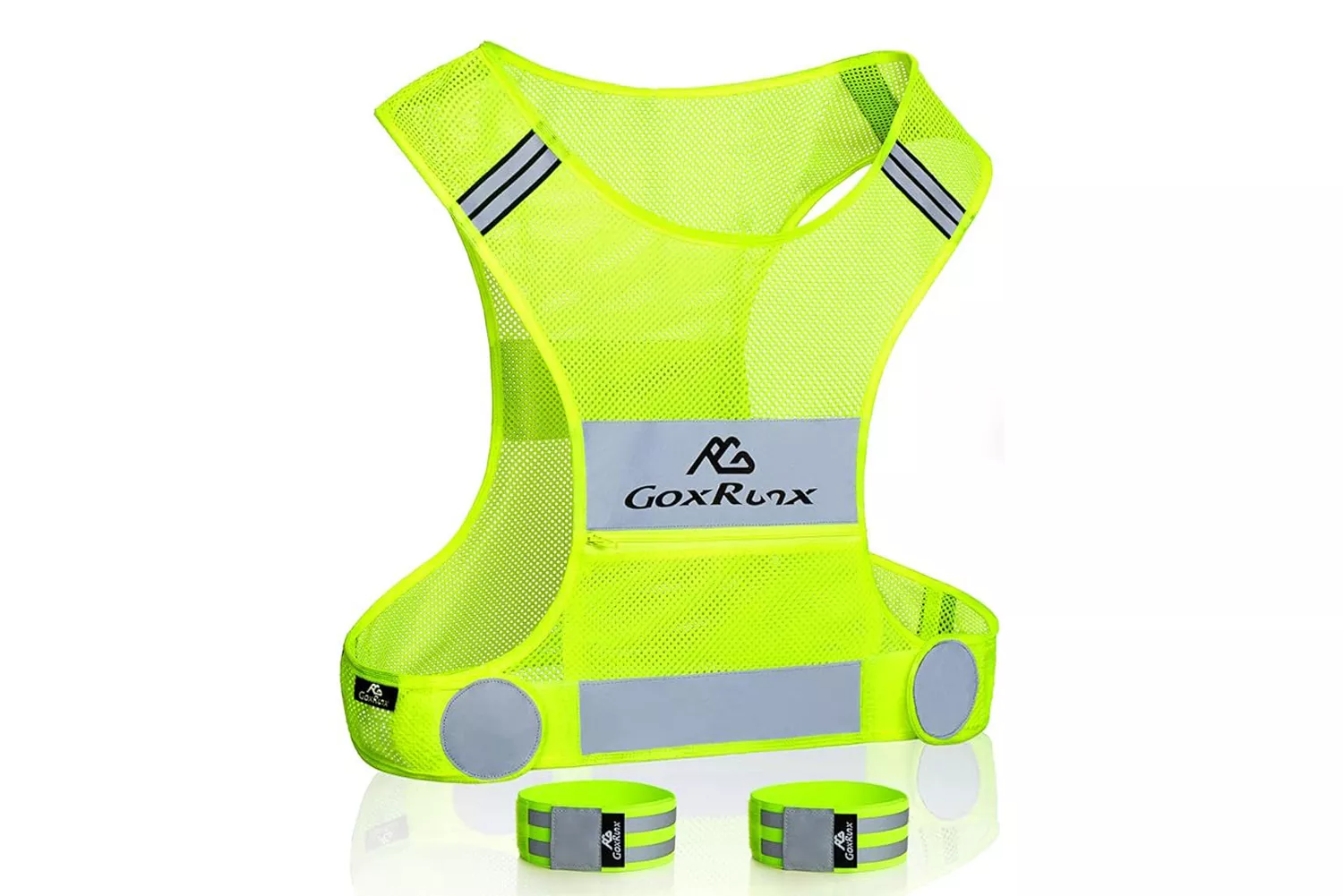
- Distance Matters: Quality vests like the GoxRunx model are designed to alert motorists from distances of up to 800 feet.
The Core Essential: Best Reflective Vests
The foundation of any night-running kit is the vest. It provides the largest surface area for reflective material and sits at the driver's eye level. In our testing, we looked for three things: 360-degree coverage, breathability, and "no-bounce" fit.
| Product | Best For | Top Feature | Price Range |
|---|---|---|---|
| Noxgear Tracer2 | Maximum Visibility | 360° Fiber Optics | $$$ |
| GoxRunx Vest | Budget/Value | 800ft Visibility | $ |
| Amphipod Xinglet | Minimalism | Lightweight Straps | $$ |
The Top Pick: Noxgear Tracer2
What is the best reflective gear for maximum night visibility? The Noxgear Tracer2 is the undisputed champion. Unlike traditional vests that rely solely on a car’s headlights hitting them, the Tracer2 is active. It uses flexible fiber-optic cables that glow in multiple colors, making you visible before a car’s beams even reach you.
In our testing, the Tracer2 was the only piece of gear that felt truly "set and forget." It weighs next to nothing, fits over a heavy winter parka or a thin summer singlet, and the battery life lasts through several weeks of training.
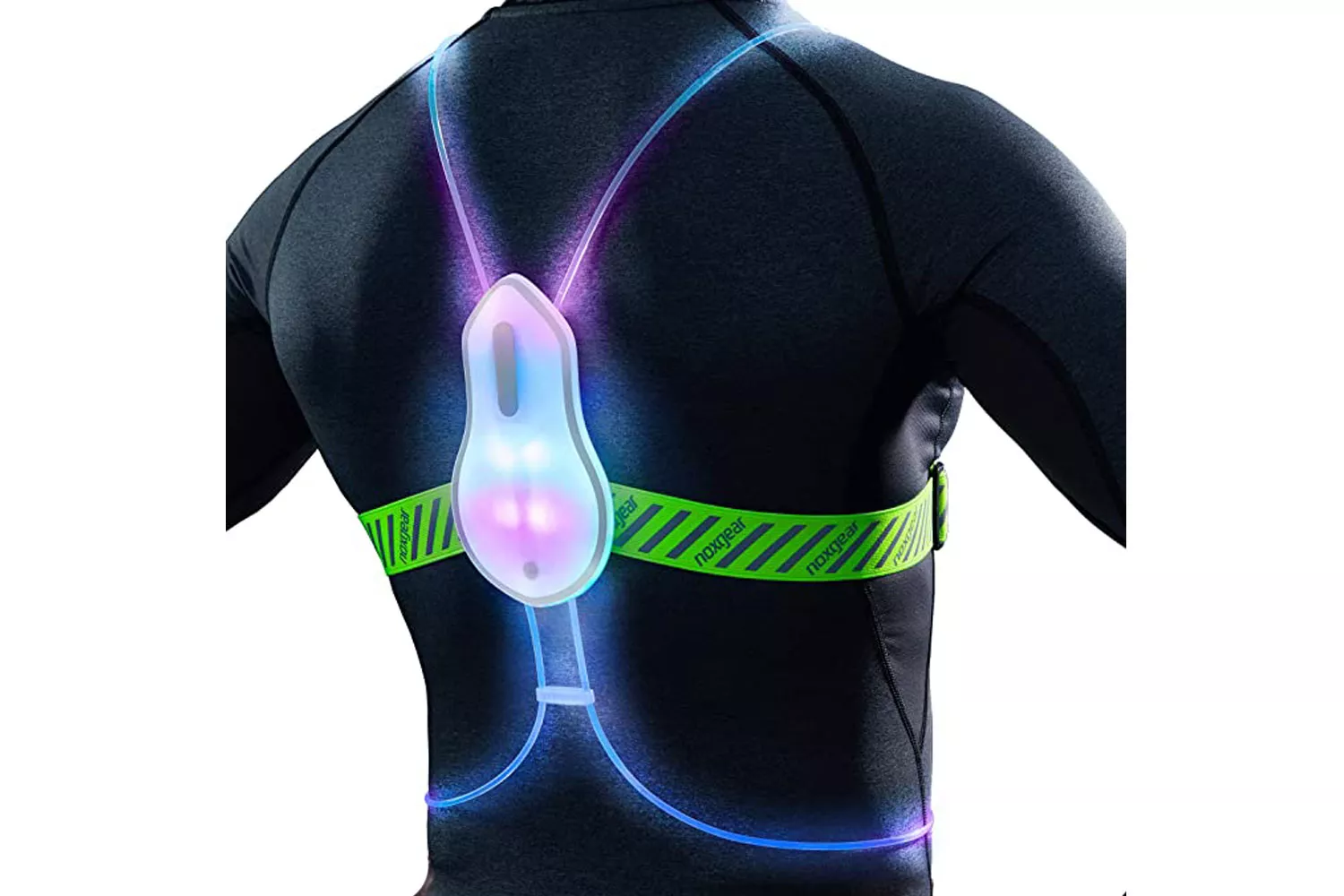
Tester Insight: "During a rainy night run, I noticed cars were slowing down and giving me a wider berth than usual. The pulsing LED light identifies you as a human, not just a road sign."
The Budget Choice: GoxRunx Reflective Vest
If you want effective protection without the electronic price tag, the GoxRunx is our go-to. It uses a classic "H-pattern" of high-intensity reflective tape. While it's a passive system—meaning it needs light to shine back—its 360-degree coverage ensures you are seen from 800 feet away in clear conditions.
High-Visibility Outerwear: Jackets for All Elements
When the temperature drops, your outer layer needs to do double duty: protect you from the elements and ensure you don't disappear into the shadows.
Best Overall: Brooks Run Visible Convertible Jacket
Brooks has invested heavily in "biomotion" technology. The Run Visible series isn't just bright; it places high-contrast fluorescent colors and 3M™ Scotchlite™ Carbon Black reflectivity in strategic areas—like the elbows and shoulders—to help the human brain recognize a runner in motion.
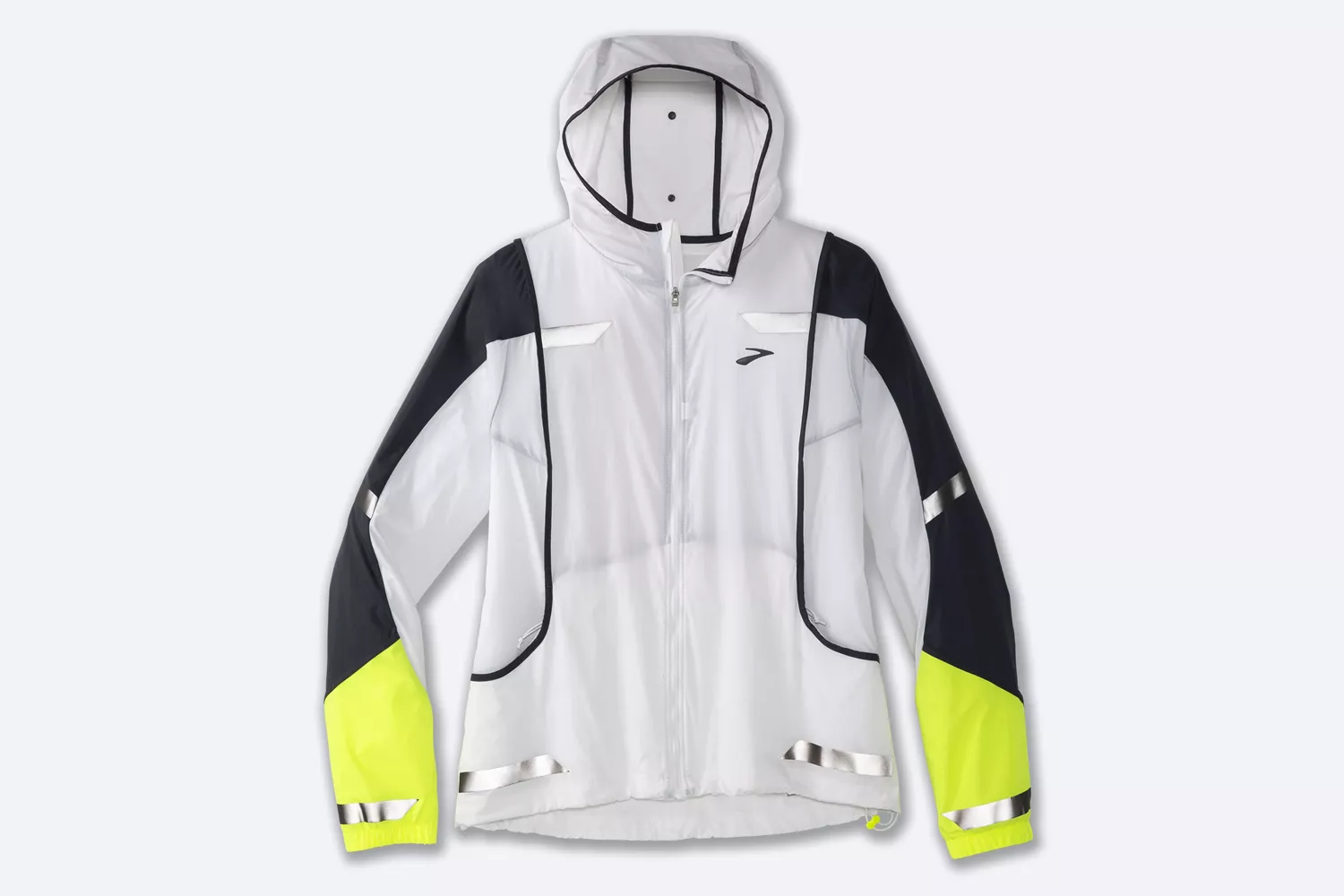
This jacket is particularly versatile because it converts into a vest, making it a three-season staple for any serious athlete.
Best for Chilly Weather: Sugoi Zap 2 Training Jacket
The Sugoi Zap 2 is legendary in the training community. To the naked eye in daylight, it looks like a standard, stylish running jacket. But when hit by headlights, the entire surface "pops" because it’s embedded with millions of micro-glass lenses. It offers a level of surface-area reflectivity that is almost impossible to beat.
Pros:
- Water-resistant and windproof.
- Full-surface reflectivity (360 degrees).
- Excellent thermal regulation for temps below 40°F.
Cons:
- Can feel slightly stiff compared to standard nylon windbreakers.
- Higher price point.
Reflective Bottoms: Highlighting Movement
One of the most common mistakes I see runners make is only focusing on their upper body. From a driver's perspective, moving legs are the clearest indicator that there is a person—not a stationary object—ahead.
| Product | Best For | Material | Top Feature |
|---|---|---|---|
| Tracksmith Turnover | Style & Performance | Inverno Blend | Subtle reflective hits |
| Smartwool Active Fleece | Extreme Cold | Merino/Synthetic | Windproof panels |
| Nike Flex Stride | Warm Weather | Recycled Polyester | Breathable mesh |
Best Overall Tights: Tracksmith Turnover Tights
Tracksmith is known for its "New England Aesthetic," but the Turnover Tights are a workhorse for winter miles. They utilize a premium Italian fabric called Inverno, which is brushed on the inside for warmth while remaining incredibly soft.
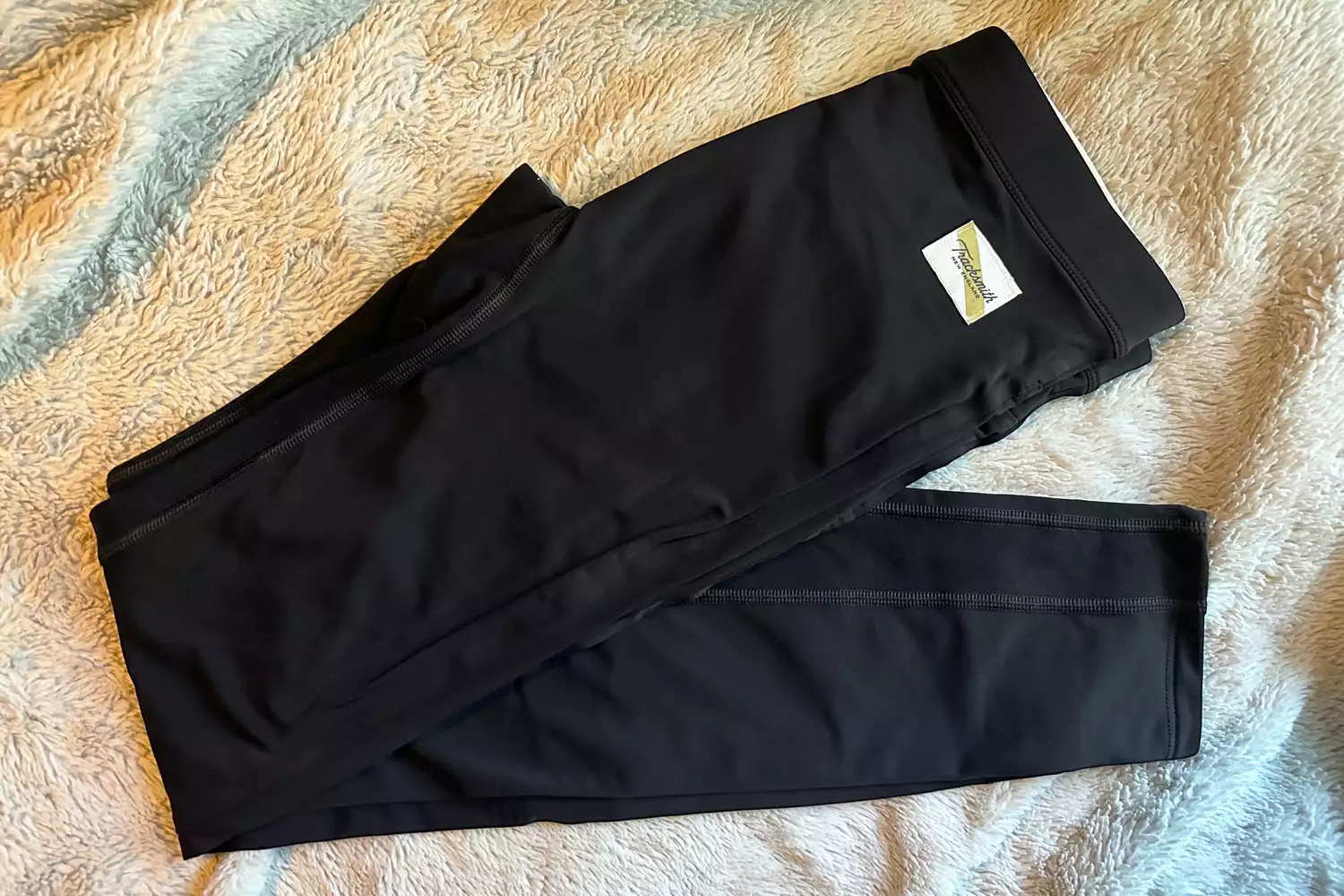
The reflectivity here is sophisticated—small, high-intensity strips on the backs of the calves that catch the light with every stride.
Strategic Accessories: From Head to Toe
Safety gear doesn't have to be a full outfit. Sometimes, the most effective tools are the ones you add to your existing kit to fill the "dark spots."
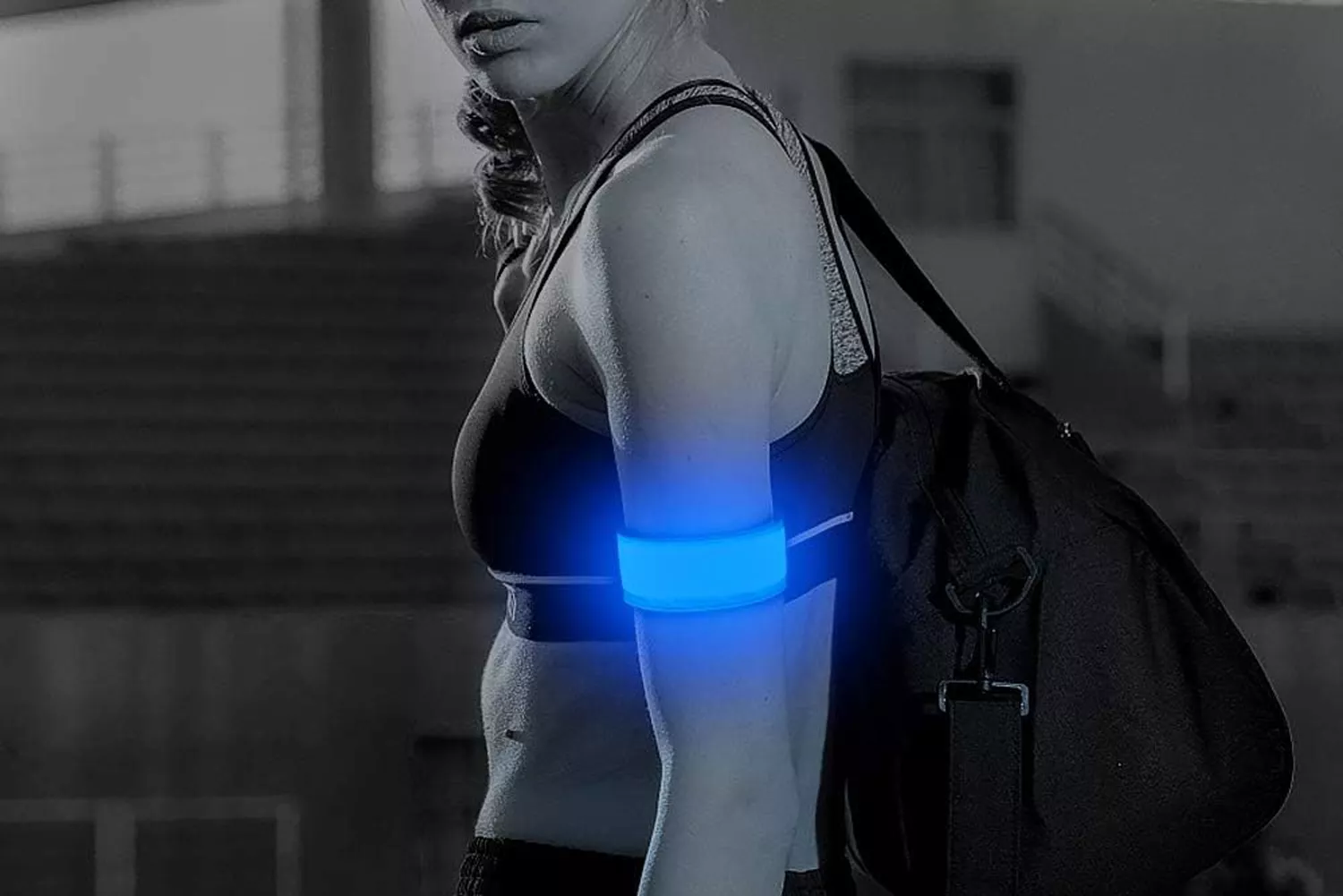
- Arms & Legs: BSeen LED Slap Armbands. These are a coach favorite because they are inexpensive and target the "moving parts" of the body. By placing these on your ankles, you create a distinct "up-and-down" light pattern that drivers instantly recognize as a human gait.
- Lighting Essentials: Black Diamond Sprinter 500 Headlamp. Don't just be seen—see where you're going. The Sprinter 500 is specifically balanced for runners to prevent bouncing. It features a bright front beam to spot potholes and a red rear flasher so you’re visible from behind.
- Hand Protection: Reflectoes Reflective Running Gloves. These are brilliant for urban running. If you need to signal a turn to a driver, the entire back of the glove is reflective, making your hand signals visible even in pitch black.
Professional Safety Tips for Night Runners
As an editor and a coach, I always tell my athletes: Gear is your secondary defense; awareness is your primary defense.
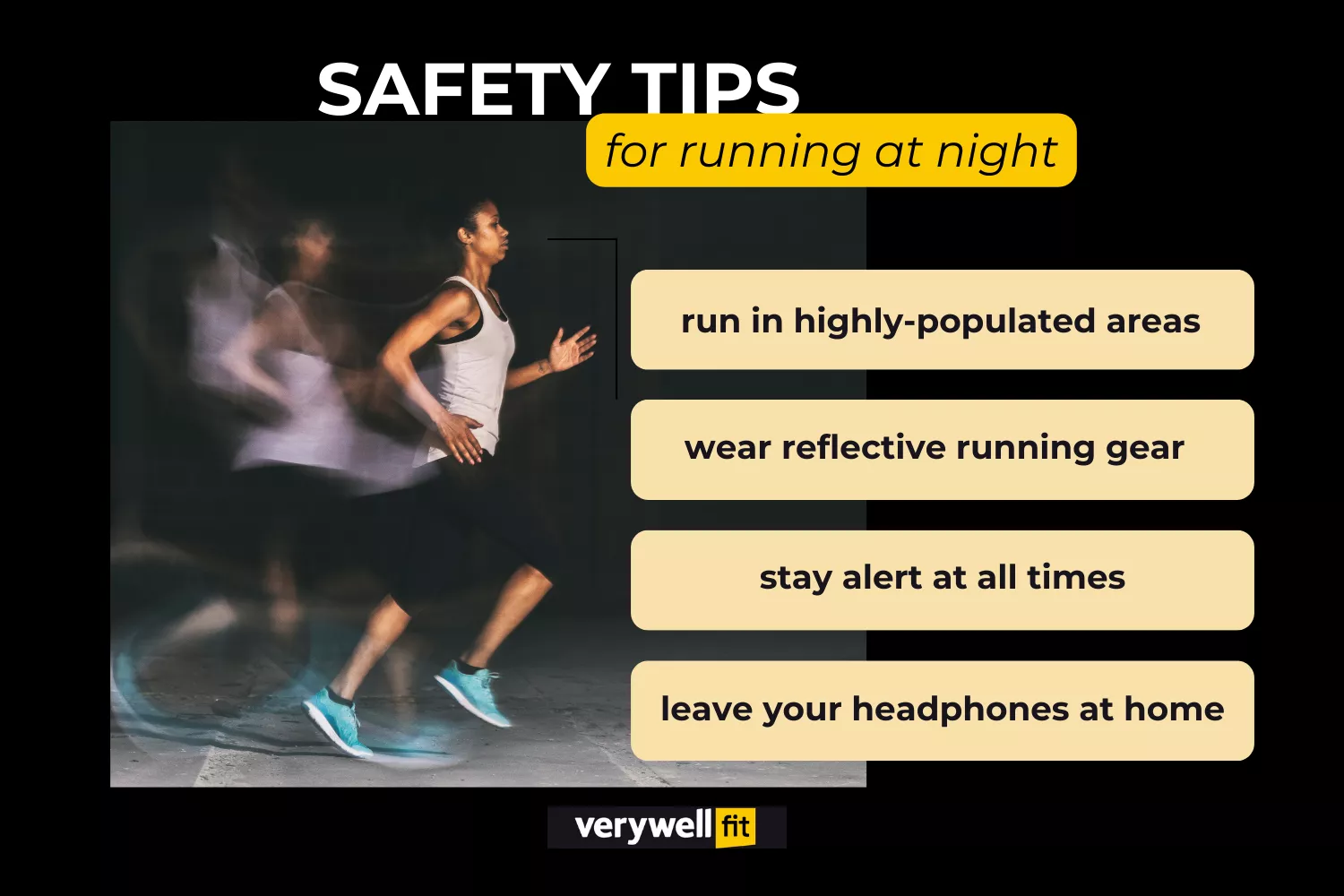
How can I increase my safety while running at night? Beyond wearing 360-degree reflective gear, experts recommend following these three non-negotiable rules:
- Illuminate the Extremities: Put lights on your wrists and ankles. This "biomotion" lighting helps drivers identify you as a runner 3x faster than a single light on your chest.
- Ditch the Noise-Canceling Buds: If you must listen to music, use bone-conduction headphones like Shokz or leave one ear free. You need your ears to hear the hybrid car sneaking up behind you or the dog that just jumped a fence.
- The "Against Traffic" Rule: Always run facing traffic when there is no sidewalk. This gives you the ability to see oncoming headlights and react by jumping onto the shoulder if a driver seems distracted.
Buyer’s Guide: What to Look for in 2025
Before you hit "buy" on that neon shirt, remember the science of visibility. Here is what you should look for in high-performance gear this year:
1. High-Visibility vs. Reflective: Know the Difference
High-visibility gear uses neon colors (fluorescent yellow, orange, pink) to stand out in daylight, dawn, or dusk. These colors "convert" invisible UV light into visible light. However, in total darkness, neon colors look like dark grey. Reflective gear uses specialized panels—often made of glass beads or prisms—to bounce light back to sources like headlights. For 2025, the best gear (like the Brooks Run Visible line) combines both.
2. Moisture-Wicking and Layering
Night runs are often colder. Look for moisture-wicking synthetics or merino wool. Avoid cotton at all costs; if it gets wet from sweat or rain, it stays wet, which can lead to chafing and a dangerous drop in core temperature.
3. Fit and Adjustability
Visibility gear is useless if it’s so uncomfortable that you leave it in the closet. Look for vests with adjustable straps that can expand to fit over a winter jacket or tighten for a summer tee. Ensure your headlamp has a "top strap" if you find standard bands slip during high-intensity intervals.
FAQ
Q: Is a headlamp enough for night running safety? A: No. A headlamp is excellent for helping you see the ground, but it has a narrow beam. If a car is approaching from the side or behind, they may not see your headlamp. You need 360-degree reflective gear to be seen from all angles.
Q: Do reflective clothes wear out? A: Yes. The glass beads or reflective coatings on many garments can degrade over time, especially with frequent washing. To extend the life of your gear, wash it on a delicate cycle and always hang it to dry—the heat of a dryer is the number one killer of reflective materials.
Q: Should I wear a blinking light or a steady light? A: Research suggests a combination is best. A steady light helps a driver judge your distance and speed, while a blinking light is better at grabbing their attention initially. If your gear allows it, use one of each.
Conclusion
The "perfect" night running setup isn't about one single piece of gear; it’s about creating a "halo" of visibility around your body. Start with a 360-degree active light source like the Noxgear Tracer2, add reflective accents to your moving joints, and always carry a phone with a tracking app enabled.
The dark shouldn't be a reason to skip your workout. With the right gear and a "safety-first" mindset, those midnight miles can become the most rewarding part of your training week. Stay seen, stay safe, and keep chasing those PRs.
Ready to upgrade your kit? Check out our full Training Gear Guide for more expert-tested reviews.