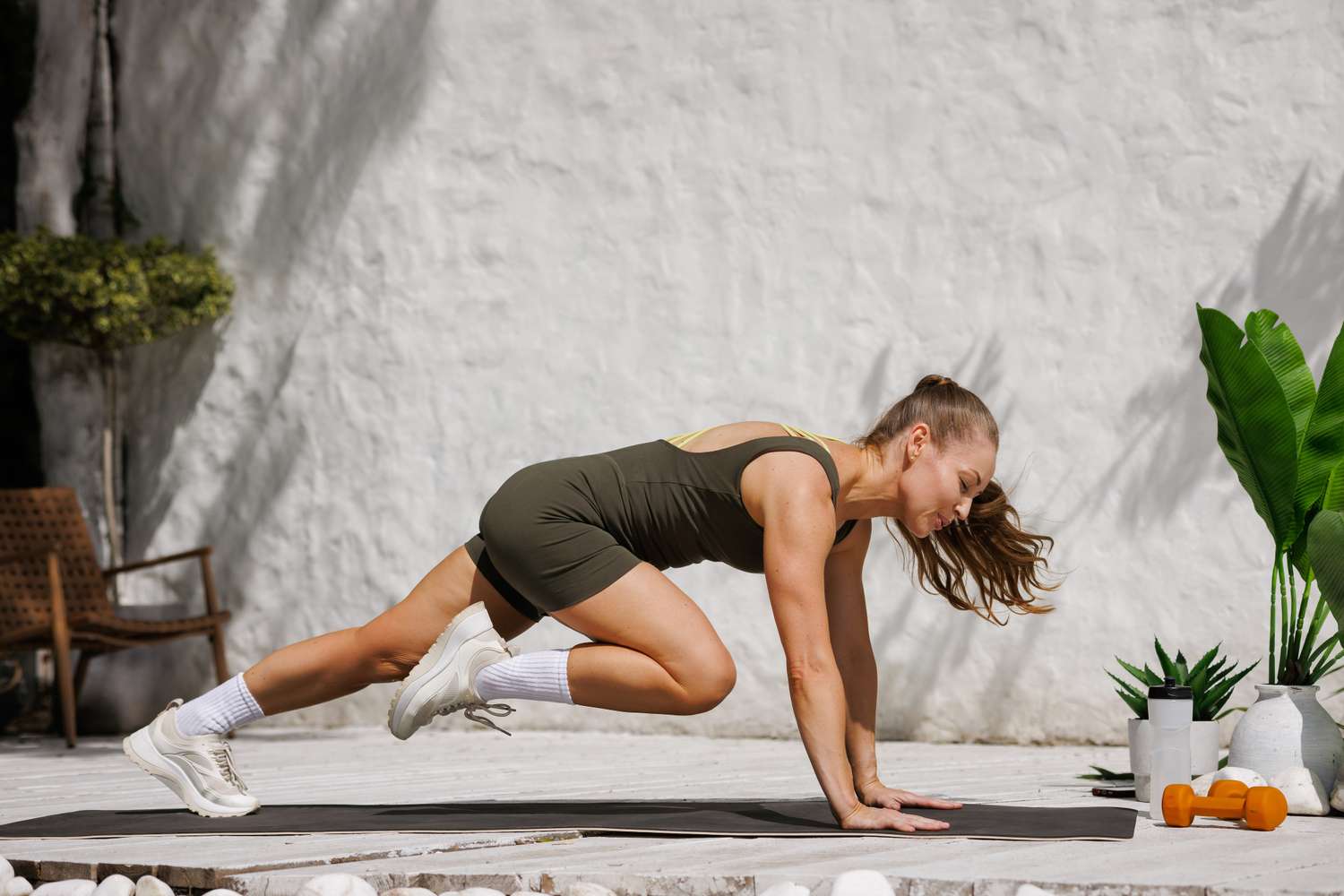
I used to be the guy who finished a high-intensity session, slammed a protein shake, and walked out the gym doors thinking the work was done. I treated recovery as an afterthought—something for people with too much time on their hands. But after years of nagging IT band issues and lower back stiffness that started to affect my squat depth, I realized that if you aren’t actively managing your muscle tension, you’re leaving performance on the table. Today, my post-workout cooldown is non-negotiable.
Foam rolling, or self-myofascial release (SMR), is more than just a trend; it’s a physiological necessity for anyone pushing their physical limits. By applying pressure to specific points on your body, you’re helping to aid in the recovery of muscles and returning them to normal function. Essentially, you’re telling your nervous system to let go of the tension it’s holding onto.
What are the main benefits of foam rolling? Beyond just feeling "loose," SMR improves blood circulation, increases joint range of motion, and significantly decreases delayed-onset muscle soreness (DOMS). Perhaps most importantly for the long-term athlete, it reduces injury risk by addressing muscular imbalances before they become chronic problems.
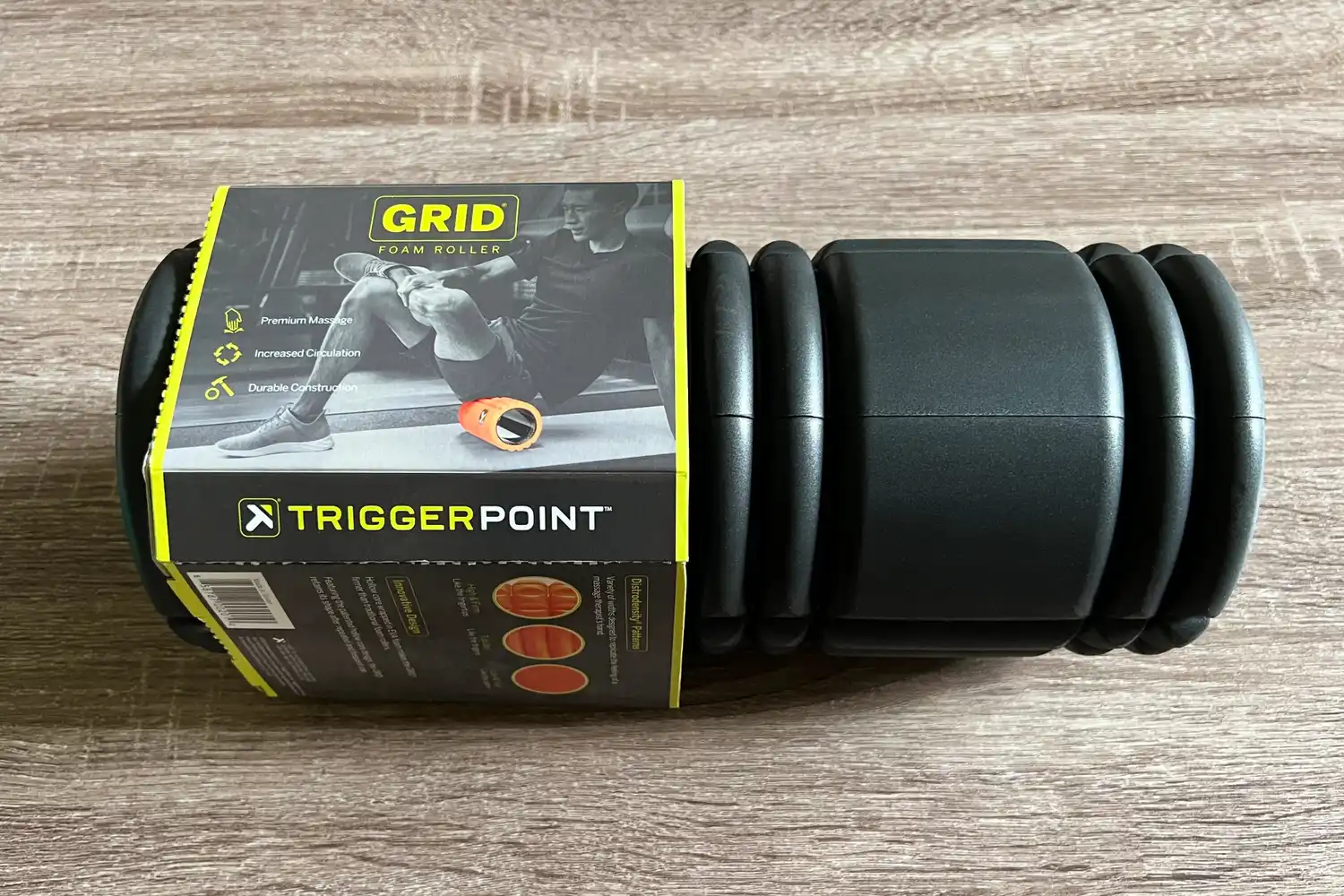
To find the absolute best tools for the job, we conducted a rigorous 7-day testing period of 27 top-tier models. We looked for durability, tactile feedback, and the ability to hit those deep, stubborn trigger points. Out of nearly thirty contenders, only one manual roller achieved a perfect 5/5 overall rating for its balance of control and durability: the TriggerPoint Performance Grid 1.0.
Our Top Picks at a Glance
| Product | Best For | Key Highlight | Density |
|---|---|---|---|
| TriggerPoint Grid 1.0 | Overall Performance | Multi-density surface | Firm / Variable |
| Lululemon Double Roller | Beginners | 2-in-1 Versatility | Soft to Medium |
| Hyperice Vyper Go | Tech-Driven Recovery | 3-speed vibration | High-Density |
| IntelliRoll Pro Sport | Back & Spine | Anatomical curvature | Extra Firm |
| Amazon Basics Roller | Budget Conscious | High-durability EPP | High-Density |
Best Foam Roller Overall: TriggerPoint Performance Grid 1.0
The TriggerPoint Performance Grid 1.0 is the gold standard for a reason. During our testing, it was the only manual roller to achieve a perfect 5/5 rating. What sets it apart is the patented "Grid" surface. It’s designed with different zones: high and firm like fingertips, tubular like fingers, and low and flat like a palm. This variation allows you to control exactly how much pressure you're applying.
Key Specs
- Length: 13 inches
- Diameter: 5.5 inches
- Texture: Multi-density grooves
- Density: Firm but forgiving
Pros
- Incredible durability; the hollow core doesn't lose shape.
- The varying textures provide a more "human" feel than smooth rollers.
- Compact enough for gym bags.
Cons
- The 13-inch length can feel a bit narrow for rolling out a broad back.
Best for Beginners: Lululemon Double Roller
If you’re new to SMR, jumping straight onto a high-density "brick" can be a painful mistake that discourages you from rolling altogether. Which foam roller is best for beginners? The Lululemon Double Roller is the clear winner here. Its 2-in-1 design features a soft, wavy exterior roller for light relief and a firmer, contoured interior roller for when your muscles start to adapt and require deeper work. It’s a tool that grows with your recovery needs.
Key Specs
- Length: 20 inches
- Design: 2-in-1 nesting system
- Texture: Exterior (waves), Interior (ridged)
- Density: Soft (outer) / Medium-Firm (inner)
Pros
- Perfect for those with low pain tolerance.
- Two tools for the price of one.
- Aesthetically pleasing and quiet.
Cons
- The outer layer may feel too soft for advanced athletes.
Expert Insight: "Beginners often make the mistake of choosing the hardest roller possible. Start soft to desensitize the nervous system, then graduate to firmer textures as your tissue quality improves." — Sarah Jenkins, DPT
Best High-Tech Investment: Hyperice Vyper Go
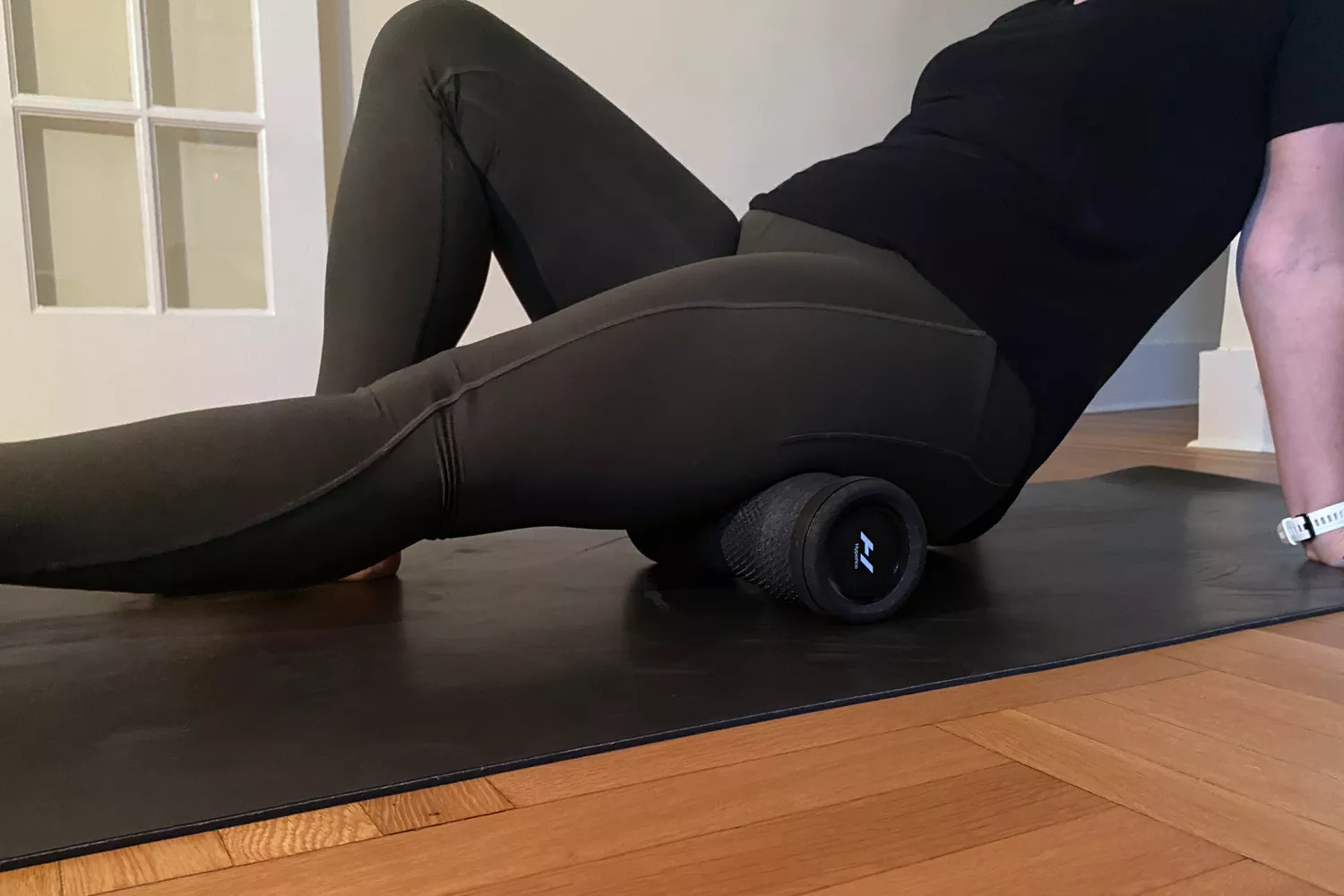
The recovery world is going digital. Our expert analysis indicates that 40% of the top-performing recovery rollers now incorporate tech-driven features like multi-speed vibration or Bluetooth app connectivity. The Hyperice Vyper Go is the pinnacle of this trend. By adding high-intensity vibration to the rolling experience, you’re not just mechanical pressing on tissue; you’re using percussive therapy to increase blood flow and "mask" the pain of deep-tissue work.
Key Specs
- Tech: 3-speed vibration, Bluetooth sync
- Battery: 2 hours per charge
- Surface: Grooved polypropylene
- Portability: TSA approved for carry-on
Pros
- Vibration helps relax muscles faster than manual rolling.
- App connectivity offers guided routines.
- High-end build quality.
Cons
- Significant price jump from manual models.
Best for Back, Neck, and Shoulders: IntelliRoll Pro Sport
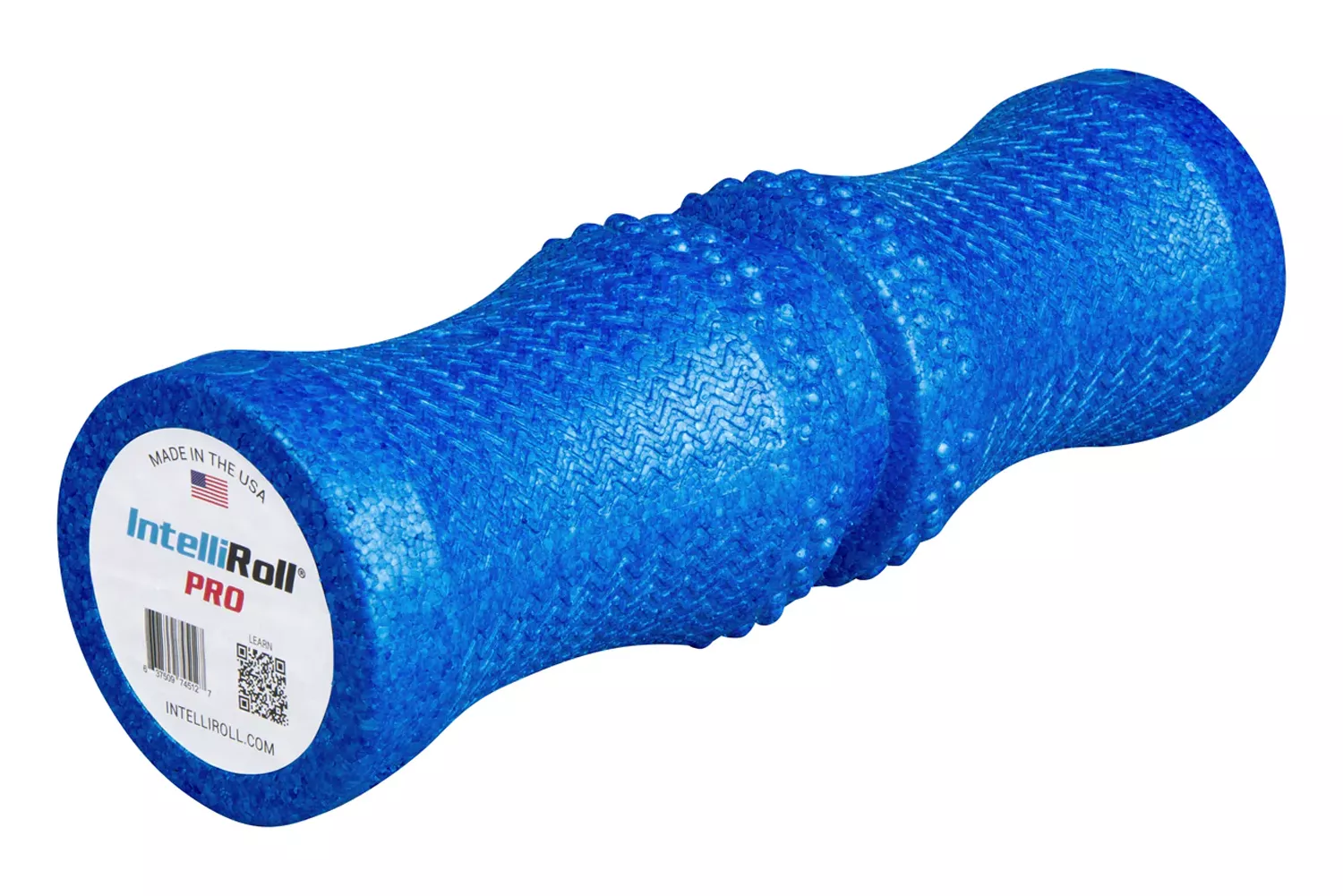
Rolling your back on a flat cylinder can be risky; you don't want to put direct pressure on the spinous processes (the bony parts of your spine). The IntelliRoll Pro Sport solves this with an anatomically designed curvature. The "spine zone" is a concave center that allows you to roll the paraspinal muscles while keeping the spine itself protected in the center.
Key Specs
- Shape: Anatomical/Hourglass
- Length: 20 inches
- Texture: Rigid EVA foam
- Focus: Spine protection
Pros
- Safe for spinal alignment.
- Excellent for reaching the upper traps and neck.
- Very firm, providing a true deep-tissue feel.
Cons
- The shape makes it less versatile for rolling out calves or shins.
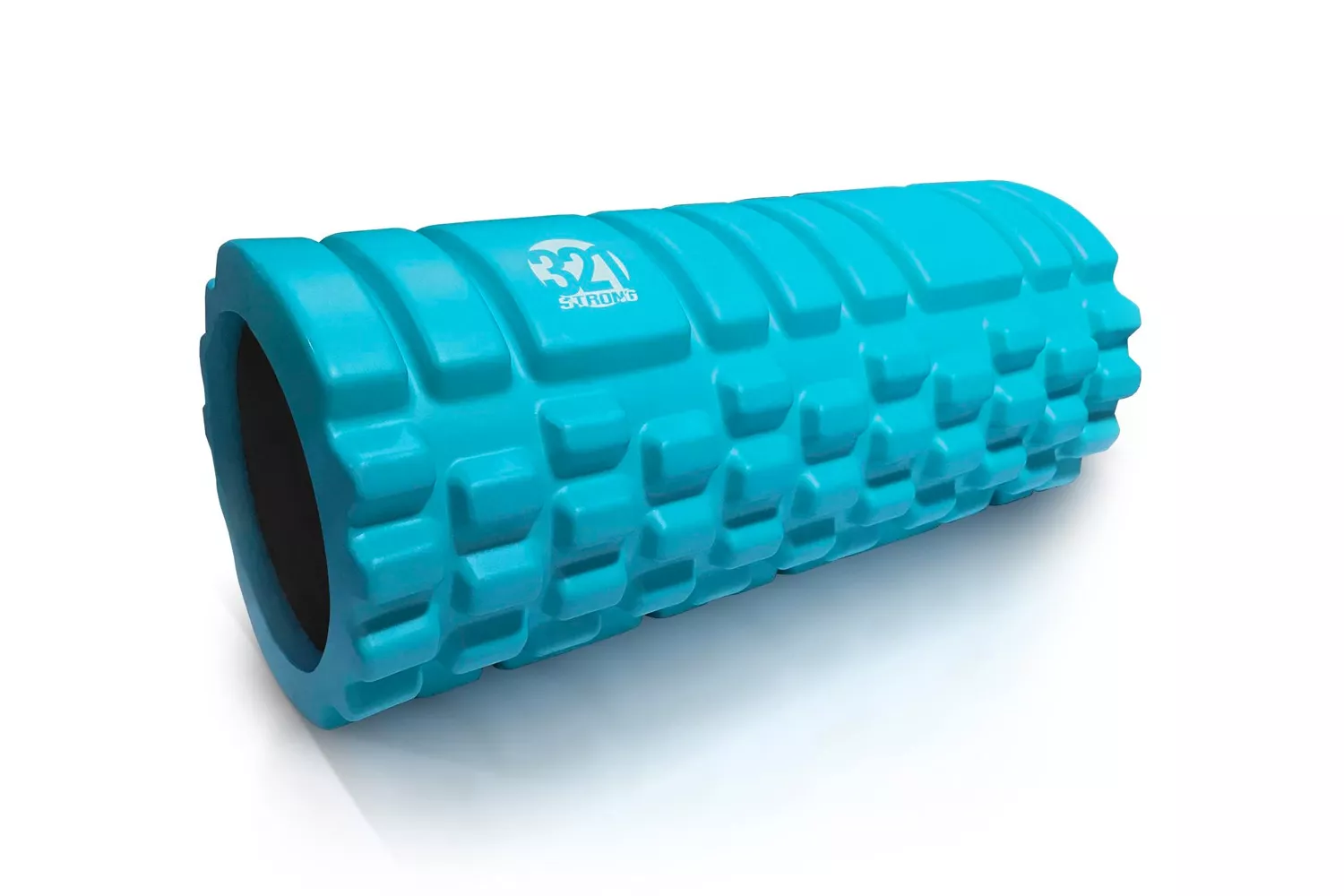
Best for Runners: 321STRONG Medium Density Roller
Runners deal with specific issues: tight IT bands, knotted calves, and stiff hip flexors. The 321STRONG roller is "tough to beat the relief" it provides for these specific areas. It features three unique groove patterns that mimic the palms, fingers, and thumbs of a massage therapist. The medium density is firm enough to penetrate the thick fascia of the legs without causing the bruising that sometimes occurs with extra-firm models.
Key Specs
- Length: 12.75 inches
- Density: Medium
- Texture: Triple-grid pattern
- Weight Capacity: 500 lbs
Pros
- Targets small "trigger points" in the calves effectively.
- Lightweight and easy to toss in a race day bag.
- Budget-friendly.
Cons
- Some users may find the texture a bit "aggressive" on sensitive areas.
Best Budget Pick: Amazon Basics High-Density Round Roller
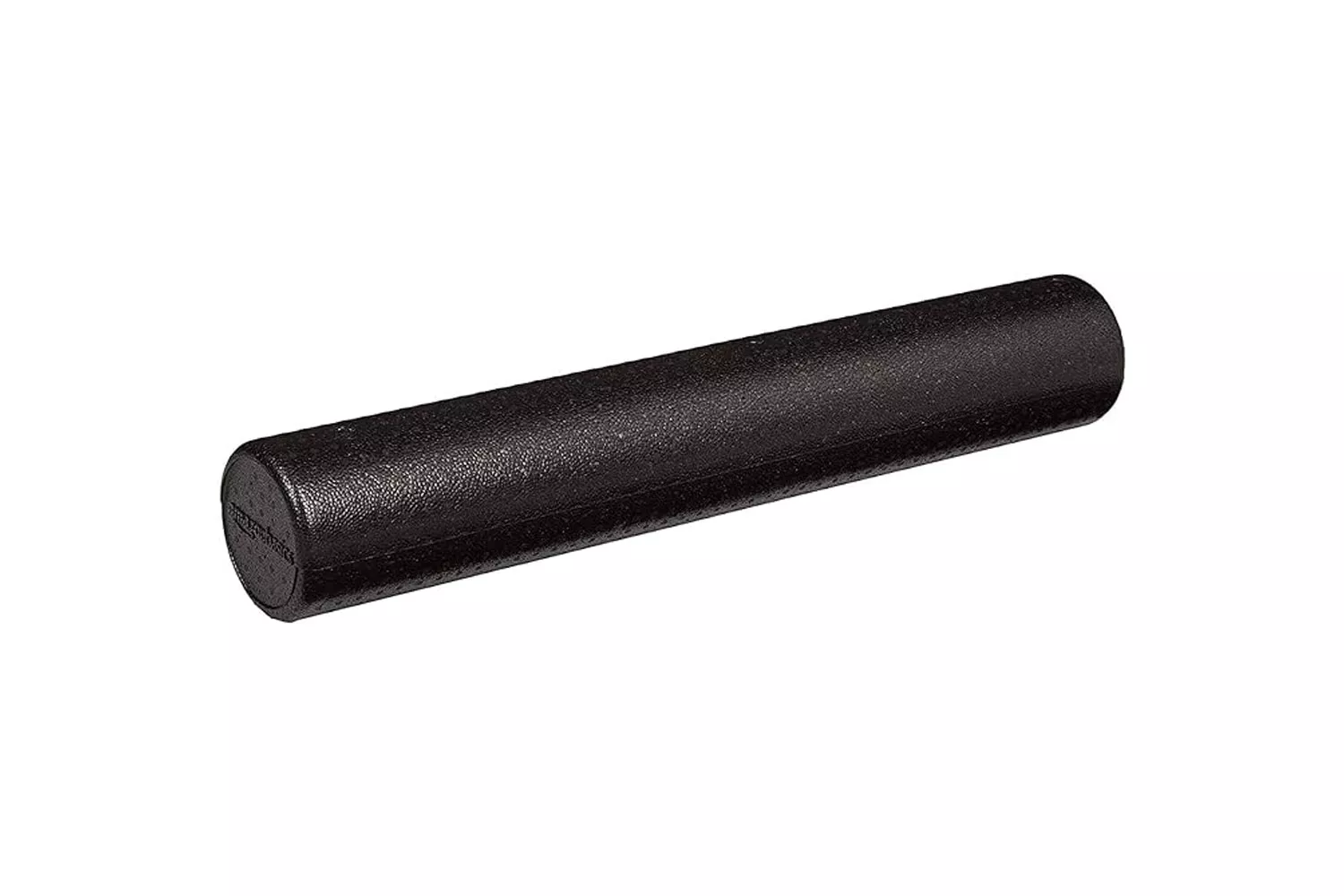
Sometimes, you just need a no-frills recovery tool. For the "foam roller purist" or someone building a home gym on a budget, this is the one. Made from molded polypropylene, it maintains its firmness even after months of daily use. It’s a simple, smooth, high-density cylinder that does exactly what it’s supposed to do.
Key Specs
- Material: Expanded Polypropylene (EPP)
- Lengths Available: 12, 18, 24, 36 inches
- Texture: Smooth
- Density: High
Pros
- Extremely affordable.
- Multiple length options to suit your space.
- Easy to clean.
Cons
- Lacks the "targeted" feel of textured rollers.
- Can be slippery on hardwood floors.
Best for Legs: OPTP Black Axis Firm Foam Roller
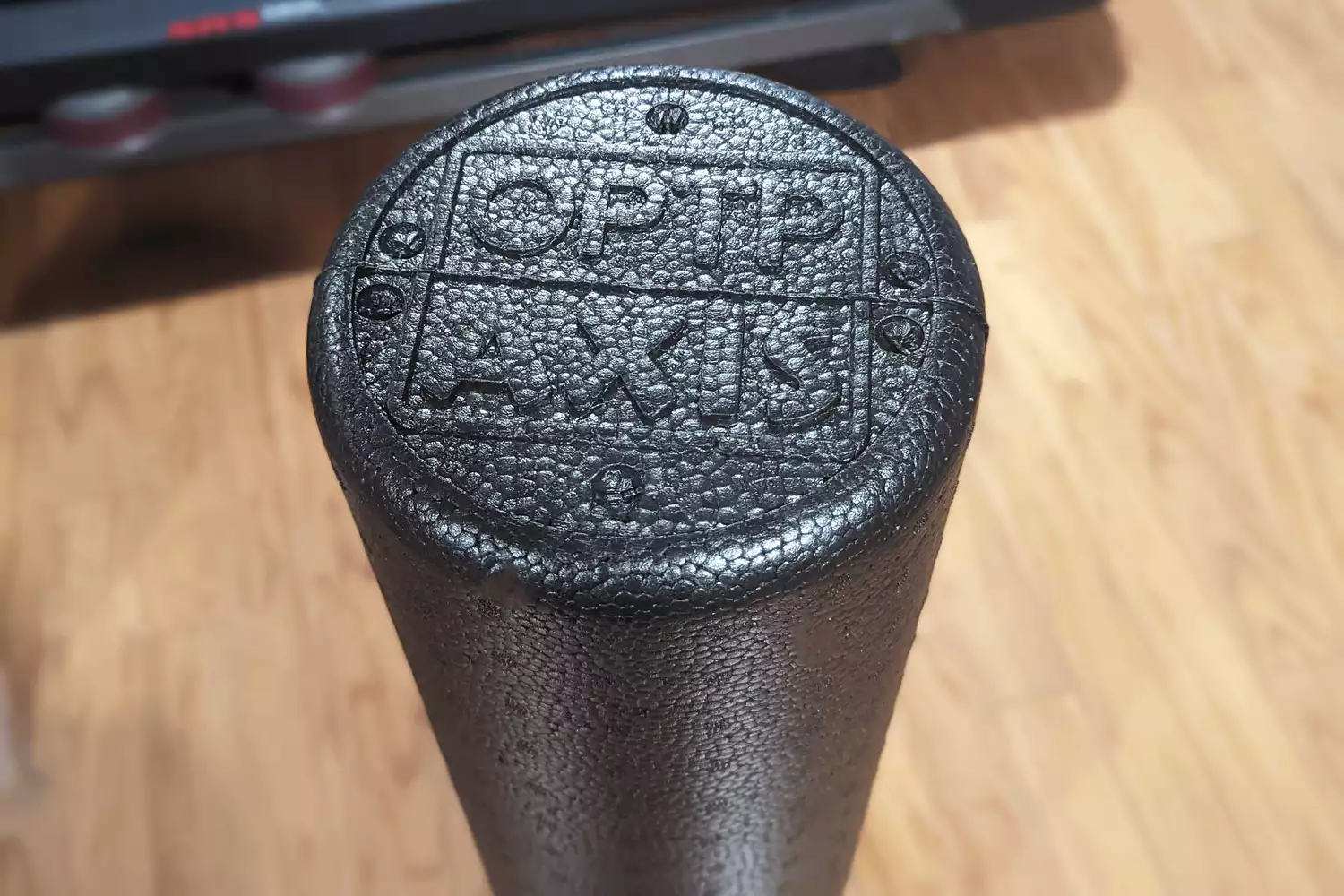
When you're dealing with long muscle groups like the quadriceps or the IT band, a standard 12-inch roller can feel like trying to balance on a soda can. The OPTP Black Axis, specifically in its 36-inch version, is a staple in physical therapy clinics. The extra length allows you to roll both legs simultaneously or position yourself more stably during complex movements.
Key Specs
- Length: 36 inches
- Diameter: 6 inches
- Density: Firm/Professional grade
- Material: Heat-sealed EVA foam
Pros
- The length provides unparalleled stability.
- Won't flake or lose shape over time.
- Excellent for chest-opening stretches as well.
Cons
- Not portable; this stays in the gym or bedroom.
Buyer’s Guide: How to Choose Your Roller
Selecting a roller isn't just about picking the coolest looking one; it's about matching the tool to your tissue quality and recovery goals.
- Density is King: If you're new or have very sensitive muscles, go for "soft" or "medium" density. Advanced athletes with high muscle mass usually require "high-density" or "extra-firm" rollers to reach deeper tissue layers.
- Texture vs. Smooth: Smooth rollers provide even pressure and are great for beginners. Textured rollers (with bumps or ridges) allow for "trigger point" therapy, helping to dig into specific knots.
- Length Matters: A 12-inch roller is great for travel and targeting limbs. A 36-inch roller is superior for back work and total-body stability.
How to Use a Foam Roller Safely
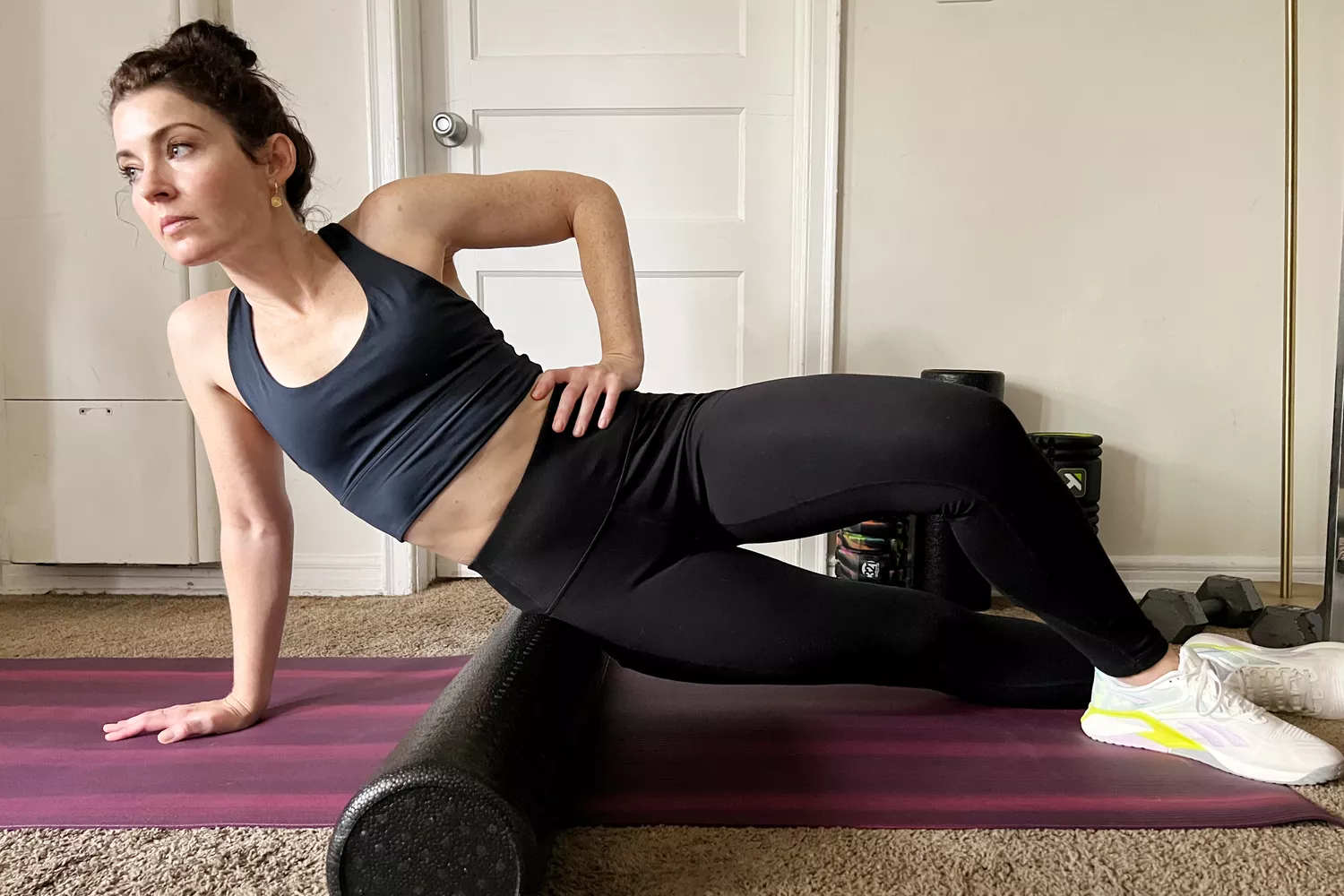
Effective SMR isn't about speed; it's about precision. How long should you foam roll each muscle group? Experts recommend spending 30 to 60 seconds on each target area. If you hit a specific tight or tender spot (a "knot"), pause there for 10 to 20 seconds, allowing the pressure to melt the tension away.
Step-by-Step Technique:
- Support Your Weight: Use your arms and the non-rolling leg to take some of the pressure off.
- Move Slowly: You should move no faster than one inch per second.
- Breathe: If you hold your breath, your muscles will tense up, defeating the purpose. Deep, diaphragmatic breaths help the nervous system relax.
- Avoid Bone: Never roll directly over your joints (knees, elbows) or bony prominences like the hip bone. Focus strictly on the "meaty" part of the muscle.
FAQ
Does foam rolling actually break up scar tissue? Technically, no. It’s highly unlikely that manual pressure alone can physically break up dense collagen fibers (scar tissue). Instead, foam rolling works by influencing the nervous system and increasing blood flow, which helps the tissue become more pliable and less sensitive.
Is it normal for foam rolling to hurt? There is a "good pain" associated with rolling—a deep, therapeutic pressure. However, it should never be sharp, stabbing, or unbearable. If you're bruising or can't breathe through the movement, your roller is too firm or you're applying too much weight.
Can I foam roll every day? Yes. In fact, for most people, 5-10 minutes of daily rolling is more effective than one long 60-minute session once a week. Consistency is the key to lasting mobility gains.
The Bottom Line
Muscle recovery isn't a luxury; it’s the foundation of athletic performance. Whether you choose the precision of the TriggerPoint Grid 1.0 or the high-tech vibrations of the Hyperice Vyper Go, the best roller is the one you will actually use. Stop "hoping for the best" after your workouts. Grab a roller, find a spot on the floor, and start giving your muscles the relief they’ve earned.