As we step into 2026, the landscape of women’s healthcare is undergoing its most significant transformation in a decade. For many of us, the "Annual Wellness Visit" has historically felt like a chore—a quick box to check between work, family, and the demands of daily life. But this year, a series of landmark federal updates and clinical guideline shifts are turning that routine check-up into a powerful tool for longevity and financial protection.
Navigating your health shouldn't feel like deciphering a foreign language. Whether you are scheduling your first mammogram, managing the complexities of perimenopause, or simply trying to understand why your doctor ordered a specific scan, 2026 is the year to take the driver’s seat. New regulations under the Affordable Care Act (ACA) and the Health Resources and Services Administration (HRSA) are finally closing the gaps that have long left women with "hidden" costs for essential follow-up care. This guide is your roadmap to navigating these changes with confidence.
1. The 2026 Wellness Checklist: Your Annual Well-Woman Exam
A comprehensive well-woman exam is far more than just a pelvic exam; it is an annual preventive visit that serves as the foundation of your long-term health. It covers your reproductive and sexual wellness, but it also monitors vital signs, provides mental health screenings, and offers a dedicated space to discuss hormonal fluctuations. Starting in 2026, these visits are being reimagined as "Health Audits," where the focus shifts from reactive treatment to proactive prevention.
During this visit, your provider will assess your overall physical health, but the real value lies in the specialized screenings tailored to your age and risk factors.
The Well-Woman Checklist:
- [ ] Vital Sign Baseline: Monitoring blood pressure and BMI to track cardiovascular risks.
- [ ] Reproductive & Sexual Health History: Discussing menstrual cycles, libido, and contraceptive needs.
- [ ] Clinical Breast Exam (CBE): A manual examination to check for lumps or skin changes.
- [ ] Pelvic Health Assessment: Checking the health of the uterus and ovaries.
- [ ] Mental Health Screening: Addressing postpartum depression, anxiety, or menopausal mood shifts.
- [ ] Immunization Review: Ensuring you’re up to date on HPV, Tdap, and flu vaccines.
The Exam Room Experience
I often hear from readers who feel a sense of "white coat hypertension" when entering the OB-GYN office. It’s important to remember that this time is yours. In 2026, providers are encouraged to spend more time on patient education—explaining not just what they are doing, but why.

Updated Pap and HPV Guidelines
The rules for cervical cancer screenings have evolved to be more precise. For most women, the "every year" Pap smear is a thing of the past, replaced by more effective testing intervals:
- Ages 21–29: Pap test every 3 years.
- Ages 30–65: The "Gold Standard" is now co-testing (Pap + HPV test) every 5 years, or an HPV test alone every 5 years.
Editor’s Note: If you have a history of abnormal results, your provider will likely recommend a more frequent cadence. Never hesitate to ask for your specific pathology report for your records.
2. Essential Cancer Screenings and Preventive Visits
Preventive care is our most effective weapon against the leading health threats to women. In 2026, the emphasis is on early detection through high-tech imaging and bone health monitoring.
Screening Mammograms The consensus has solidified: women at average risk should begin annual screening mammograms at age 40. However, if you have a family history of breast cancer or known genetic markers (like BRCA1/2), your "baseline" scan should happen much earlier.
Bone Density (DEXA) Scans Osteoporosis is often called a "silent disease" because you don't feel your bones thinning. The standard benchmark for a DEXA scan is age 65, but for many women, the transition into menopause triggers rapid bone loss. If you are post-menopausal and have risk factors like a small frame or tobacco use, talk to your doctor about a scan in your late 50s.
STI Testing and Sexual Wellness Sexual health is a lifelong journey. Integrating STI testing into your 2026 routine is no longer just for those in their 20s. Routine screenings for Chlamydia, Gonorrhea, and HIV are recommended for all sexually active women, ensuring that your reproductive system remains healthy and inflammation-free.
3. Major Policy Shifts: Expanded No-Cost Imaging in 2026
The most significant news for women’s health this year involves your wallet. For years, women have faced a "diagnostic trap": a screening mammogram was covered at 100%, but if that scan showed dense breast tissue or a suspicious spot, the follow-up ultrasound or MRI could cost hundreds—or even thousands—of dollars out-of-pocket.
As of plan years beginning after December 31, 2025, several critical changes take effect:
- Zero-Cost Follow-up Imaging: ACA-compliant health plans must now cover follow-up breast cancer imaging, such as MRIs and ultrasounds, at no cost to the patient beyond the initial mammogram. This removes the financial barrier that often causes women to delay life-saving diagnostic steps.
- No-Cost Pathology: Updated federal regulations now require group health insurance to provide zero-cost pathology evaluations for cancer follow-ups. If a biopsy is needed, the laboratory analysis should no longer result in a surprise bill.
- Patient Navigation Services: In a groundbreaking move, 2024 HRSA-supported guidelines mandate 100% no-cost coverage for patient navigation services for breast and cervical cancer screenings starting in 2026. This means you can have a dedicated professional help you coordinate appointments, understand results, and manage insurance paperwork—all covered by your plan.
Pro-Tip: When scheduling a follow-up MRI or ultrasound, use the phrase: "I am aware that under the 2026 ACA updates, this diagnostic follow-up should be covered as preventive care. Can you verify this with my provider?"
4. Deciphering Diagnostic Imaging: PET vs. CT vs. MRI
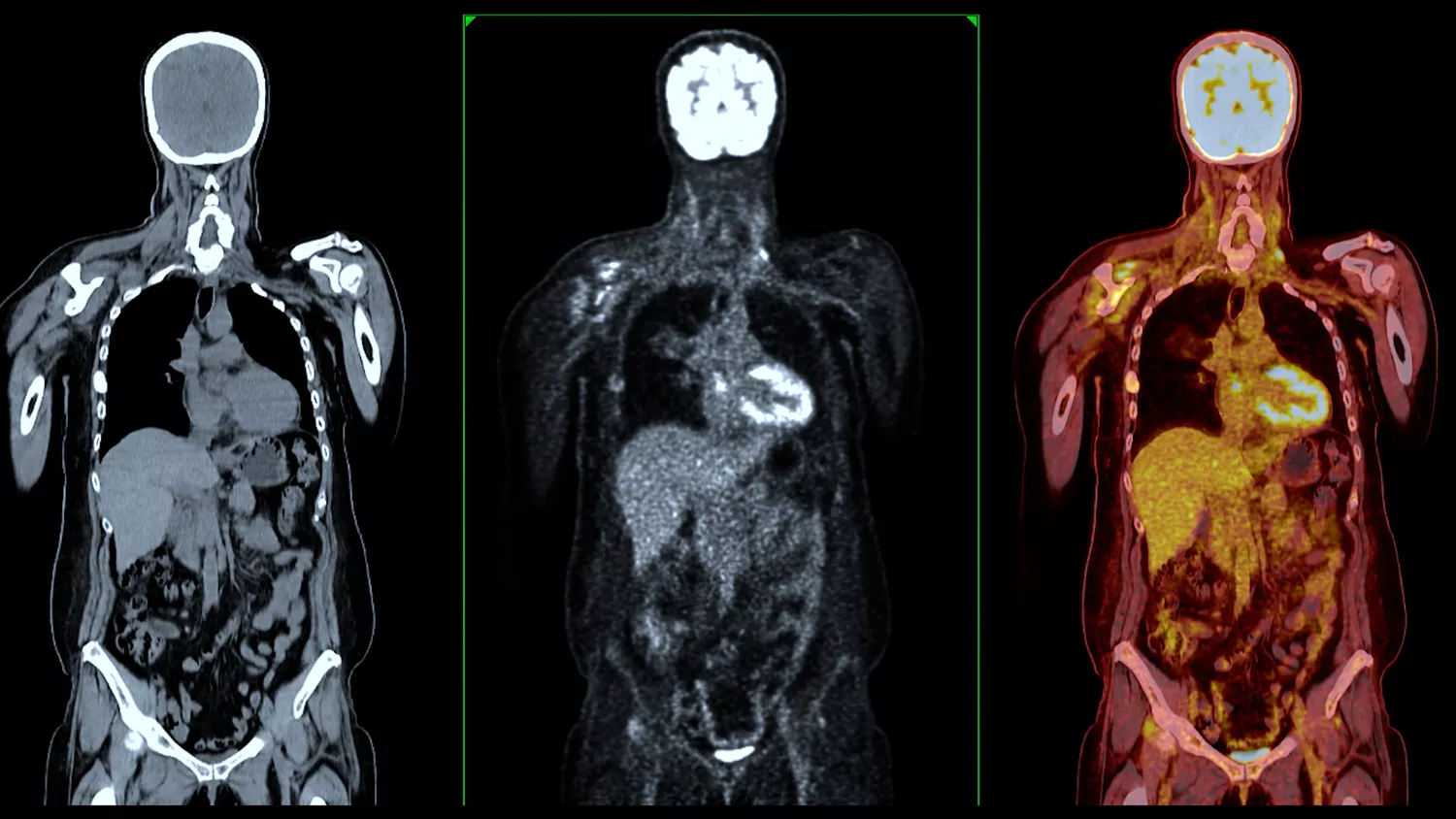
When a screening turns into a diagnostic investigation, your doctor might use terms like CT, PET, or MRI. Understanding the difference can help alleviate the "scanxiety" that comes with advanced imaging.
The primary difference between imaging types is that CT scans show detailed structural images of organs and bones (the "what"), while PET scans detect metabolic changes and cellular activity (the "how").
Comparison: CT vs. PET Scans
| Feature | CT Scan (Computed Tomography) | PET Scan (Positron Emission Tomography) |
|---|---|---|
| Primary Goal | Visualizing anatomy and structure. | Visualizing function and metabolism. |
| How it Works | Uses X-rays from multiple angles. | Uses a radioactive tracer (radiopharmaceutical). |
| Best For | Detecting tumors, bone fractures, or internal bleeding. | Seeing how tissues use energy; identifying active cancer cells. |
| Duration | Very fast (minutes). | Longer (1–2 hours for tracer absorption). |
Navigating Follow-up Tools for Dense Breast Tissue
If you have dense breast tissue (which is common in about 40-50% of women), a standard mammogram may not be enough.
- Ultrasound: Often the first follow-up. It uses sound waves to distinguish between a fluid-filled cyst and a solid mass.
- MRI: The most sensitive tool for high-risk screening. It provides highly detailed images of soft tissue without using radiation.
Contrast Considerations: Safety and Myths
Many imaging tests require "contrast" (a dye) to make images clearer.
- Iodine/Shellfish Myth: It was once believed that a shellfish allergy meant you couldn't have CT contrast. We now know these are unrelated. Most modern contrast agents are very safe, though you should always disclose any history of kidney issues.
- Gadolinium Safety: Used in MRIs, gadolinium is generally safe, but if you are pregnant or have severe kidney disease, your doctor will weigh the risks carefully.
5. Specialized Consultations: Life-Stage Management
Your relationship with your OB-GYN should grow as you do. Beyond the annual exam, 2026 is the year to seek "Specialized GYN Consults" for specific life stages.
- PCOS & Endometriosis: If you struggle with irregular periods, pelvic pain, or infertility, don't settle for "that's just part of being a woman." Specialized consults can involve hormonal panels and targeted ultrasounds to create a management plan.
- The Menopause Transition: Perimenopause can begin in your late 30s or 40s. A specialized consult can address hot flashes, brain fog, and bone health, often incorporating Hormone Replacement Therapy (HRT) discussions that are now more evidence-based and personalized than ever before.
Managing these transitions proactively is the difference between surviving your day and thriving in your body.
FAQ
Q: Will my insurance really cover a breast MRI for free in 2026? A: Yes, provided your plan is ACA-compliant and the MRI is a follow-up to a screening mammogram or part of high-risk preventive protocol. This change officially takes effect for plan years starting after December 31, 2025.
Q: How often do I actually need a pelvic exam? A: While the Pap smear frequency has changed (every 3–5 years), the American College of Obstetricians and Gynecologists (ACOG) still recommends an annual well-woman visit. Your doctor may still perform a manual pelvic exam annually to check for abnormalities in the ovaries or uterus, even if a Pap isn't performed.
Q: Do I need to fast before my PET or CT scan? A: Usually, yes. For a PET scan, you typically need to avoid sugar and caffeine for 24 hours and fast for 6 hours prior, as the tracer relies on your body’s glucose metabolism. Always follow the specific instructions provided by your imaging center.
Conclusion & Next Steps
Your health is your most valuable asset, and the 2026 regulations are designed to help you protect it without financial fear. By understanding the difference between structural scans like CT and metabolic scans like PET, and knowing your rights regarding no-cost follow-up imaging, you are empowered to navigate the healthcare system with authority.
Your Action Plan:
- Call your provider today: Schedule your 2026 Wellness Visit early in the year to ensure you maximize your coverage benefits.
- Verify your plan: Confirm that your insurance has updated its 2026 preventive care list to include no-cost follow-up imaging and pathology.
- Prepare your questions: Write down any symptoms regarding hormones, mood, or pain to discuss during your specialized consult.
Don't wait for a symptom to become a problem. Take advantage of the new navigation services and the expanded coverage available to you this year. You deserve a healthcare experience that is as comprehensive and resilient as you are.