Are you feeling chronically exhausted despite getting eight hours of sleep? Do you occasionally feel a strange "pins and needles" sensation in your hands or feet, or perhaps notice your heart fluttering for no apparent reason? While these symptoms are often dismissed as the inevitable byproduct of a stressful lifestyle or simply "getting older," they are frequently the quiet alarms of a Vitamin B12 deficiency. As a nutrition editor, I’ve seen countless cases where patients spend years chasing a diagnosis for "mystery fatigue" only to find the solution was a simple, overlooked micronutrient. Vitamin B12 is essential for DNA synthesis and the health of your nervous system, yet it is one of the most common nutrient gaps in the modern diet.
The Hidden Epidemic: Why B12 Deficiency Goes Unnoticed
Vitamin B12, also known as cobalamin, is a powerhouse nutrient that plays a critical role in the formation of red blood cells and the maintenance of the myelin sheath—the protective coating around your nerves. Despite its importance, deficiency is a "hidden epidemic" because the symptoms often manifest slowly and mimic other conditions like anemia, thyroid issues, or even clinical depression.
The common signs of Vitamin B12 deficiency include chronic fatigue, heart palpitations, pale skin, and the distinct "pins and needles" sensations (paresthesia) in the hands and feet. Because the body can store B12 in the liver for several years, a person transitioning to a plant-based diet might not feel the effects of a low intake for three to five years. By the time the symptoms appear, the deficiency is often advanced.
Expert Tip: Don't wait for the "crash." If you have transitioned to a vegan or vegetarian diet, your B12 stores are a ticking clock. Early supplementation is far more effective than trying to "catch up" once neurological symptoms appear.
The 'Mystery' Symptoms: Physical vs. Neurological Signs
Understanding B12 deficiency requires looking beyond simple tiredness. Registered Dietitians often categorize symptoms into three distinct "buckets" to help readers identify the nuances of their own health.
Physical Manifestations
When B12 levels drop, the body struggles to produce enough red blood cells to transport oxygen. This results in megaloblastic anemia, where red blood cells are large and underdeveloped.
- Pale or Jaundiced Skin: A lack of healthy red blood cells can give the skin a pale or slightly yellow (jaundiced) tint.
- Glossitis: This is a condition where the tongue becomes swollen, red, and smooth, losing the tiny bumps (papillae) that contain taste buds.
- Heart Palpitations: Without enough oxygen-carrying cells, the heart beats faster to circulate the blood it does have, leading to a racing or fluttering sensation.
Neurological and Psychological Signs
The most concerning aspect of B12 deficiency is its impact on the nervous system. Because B12 is vital for the myelin sheath, a deficiency can lead to actual nerve damage.
- Paresthesia: The classic "pins and needles" feeling. This occurs because the nerves are struggling to send signals properly.
- Balance and Coordination Issues: Over time, low B12 can affect your proprioception—your body's ability to sense its position in space—leading to frequent stumbles.
- The "Brain Fog" Spectrum: This ranges from mild irritability and forgetfulness to severe depression and cognitive decline that can, in extreme cases, be mistaken for early-onset dementia.
Why Vegans and Vegetarians are at Highest Risk
There is a common misconception that certain plant foods, like fermented soy or unwashed produce, can provide adequate B12. As an editor specializing in evidence-based nutrition, I must be clear: Vitamin B12 is primarily found in animal products (meat, fish, eggs, and dairy). Plant foods are not natural sources of this nutrient unless they have been fortified.
While some algae like nori or chlorella contain B12-like compounds, these are often "pseudo-B12" (analogs) that actually block the absorption of true B12 in the human body. This creates what we call a "functional deficiency." You might have B12 appearing in your bloodwork, but it is the inactive form that your cells cannot use.
For those on a plant-based journey, the risk is significantly higher. Without consistent intake of fortified foods (like nutritional yeast, plant milks, or cereals) or a reliable supplement, a deficiency is almost inevitable over time.
Decoding Absorption: Cyanocobalamin vs. Methylcobalamin
When shopping for supplements, you will likely encounter two main forms: Cyanocobalamin and Methylcobalamin.
- Cyanocobalamin: A synthetic form that is highly stable and cost-effective. The body must convert it into methylcobalamin to use it. It is the most researched form and is excellent for most people.
- Methylcobalamin: The "active" form found in nature. While some claim it is superior because it doesn't require conversion, clinical evidence suggests both forms are effective at raising B12 levels in the blood.
The real secret to B12 supplementation isn't just the type, but the absorption rate. The human digestive system relies on a protein called Intrinsic Factor to absorb B12. However, this system is easily saturated.
While high-dose B12 supplements often contain 1,000 mcg, the human digestive system only absorbs approximately 1.3% (13 mcg) of that dose at one time. This "1.3% Factor" is why you see such massive doses on labels compared to the Recommended Dietary Allowance (RDA) of 2.4 mcg. To get the 2.4 mcg your body actually needs, you often need to ingest a much larger amount to account for the poor absorption rate.
Top RD-Recommended B12 Supplements
Choosing the right supplement depends on your lifestyle, dietary restrictions, and how your body responds to different delivery methods. Here are my top picks for the year based on purity, third-party testing, and bioavailability.
| Product Name | B12 Form | Dosage | Best For |
|---|---|---|---|
| Nature Made Sublingual | Cyanocobalamin | 1,000 mcg | Overall Value & USP Certified |
| Future Kind Vegan Essential | Methylcobalamin | 400 mcg | Plant-based multi-nutrient support |
| Garden of Life mykind Spray | Methylcobalamin | 500 mcg | High absorption & Whole-food based |
| Nature Made Time Release | Cyanocobalamin | 1,000 mcg | Steady-state maintenance |
| Jarrow Formulas Chewable | Methylcobalamin | 1,000 mcg | Active form & Great taste |
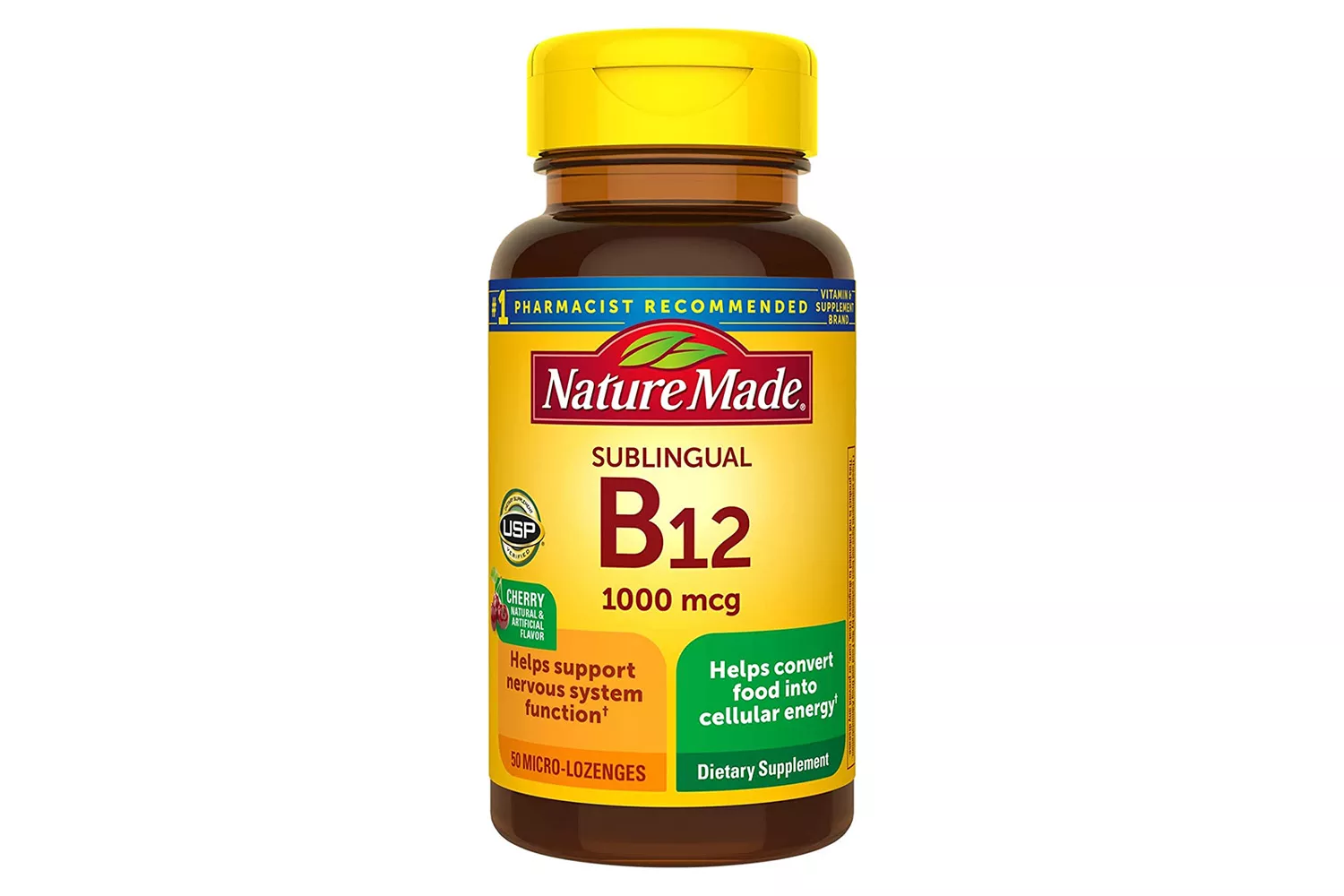
Best Overall: Nature Made Sublingual B12 (1,000 mcg)
This is my gold-standard recommendation for most adults. It carries the USP (U.S. Pharmacopeia) verified seal, meaning what is on the label is exactly what is in the bottle. The sublingual format allows the tablet to dissolve under the tongue, which some evidence suggests may help those with minor digestive absorption issues.
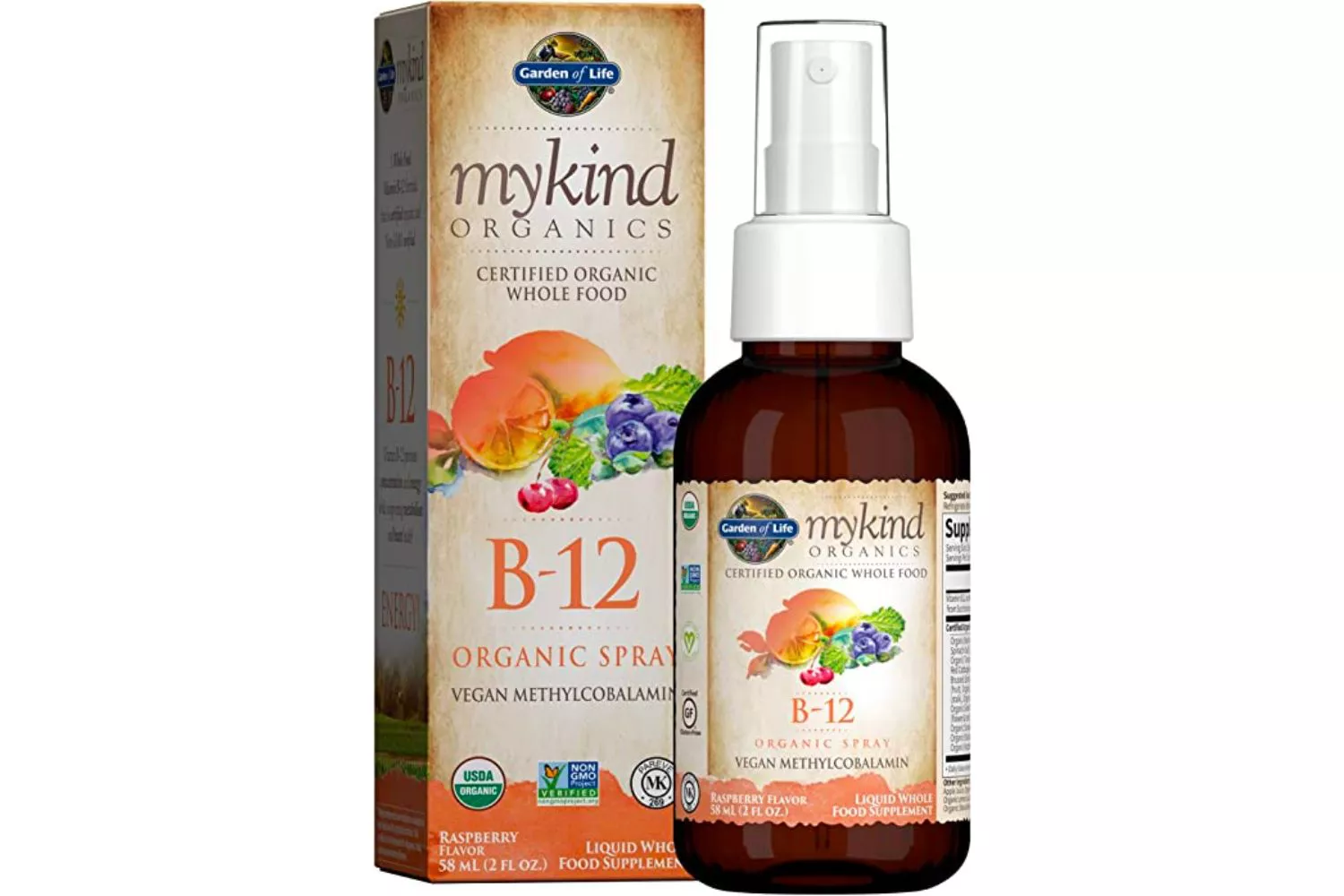
Best for High Absorption: Garden of Life mykind Organic B12 Spray
For those who struggle with pills or have sensitive stomachs, a spray is an excellent alternative. This formula uses methylcobalamin derived from organic whole foods. The spray format makes it easy to adjust your dose—one spray provides 500 mcg, allowing for the "split dosing" that RDs often recommend for maximum absorption.
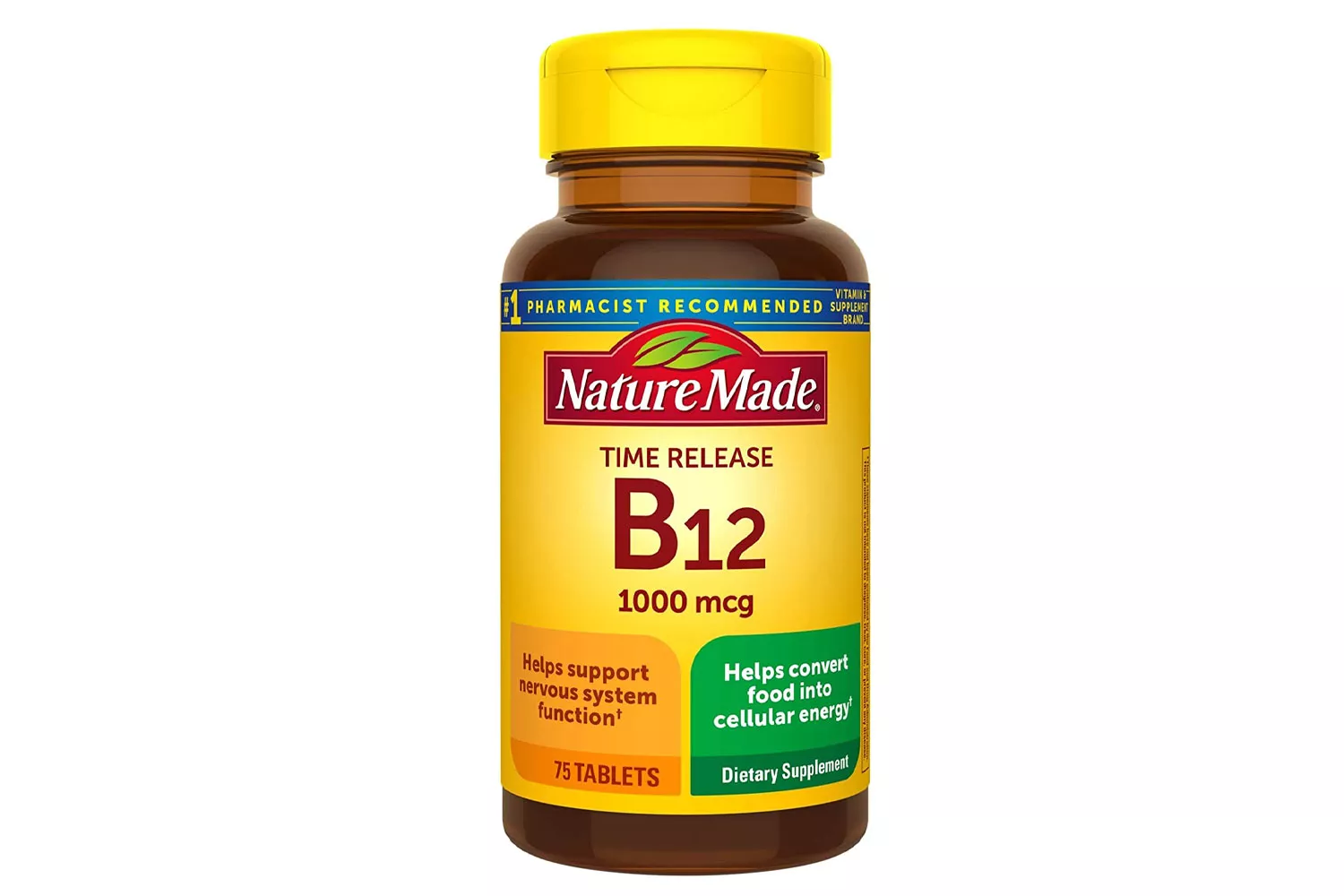
Best Budget Choice: Nature Made Time Release Tablets
If you are looking for a simple, cost-effective way to maintain your levels long-term, time-release tablets are the way to go. These are designed to release the B12 slowly into your system, which can potentially help bypass the saturation of the Intrinsic Factor, though the evidence on time-release B12 is still evolving.
Shop Nature Made Time Release →
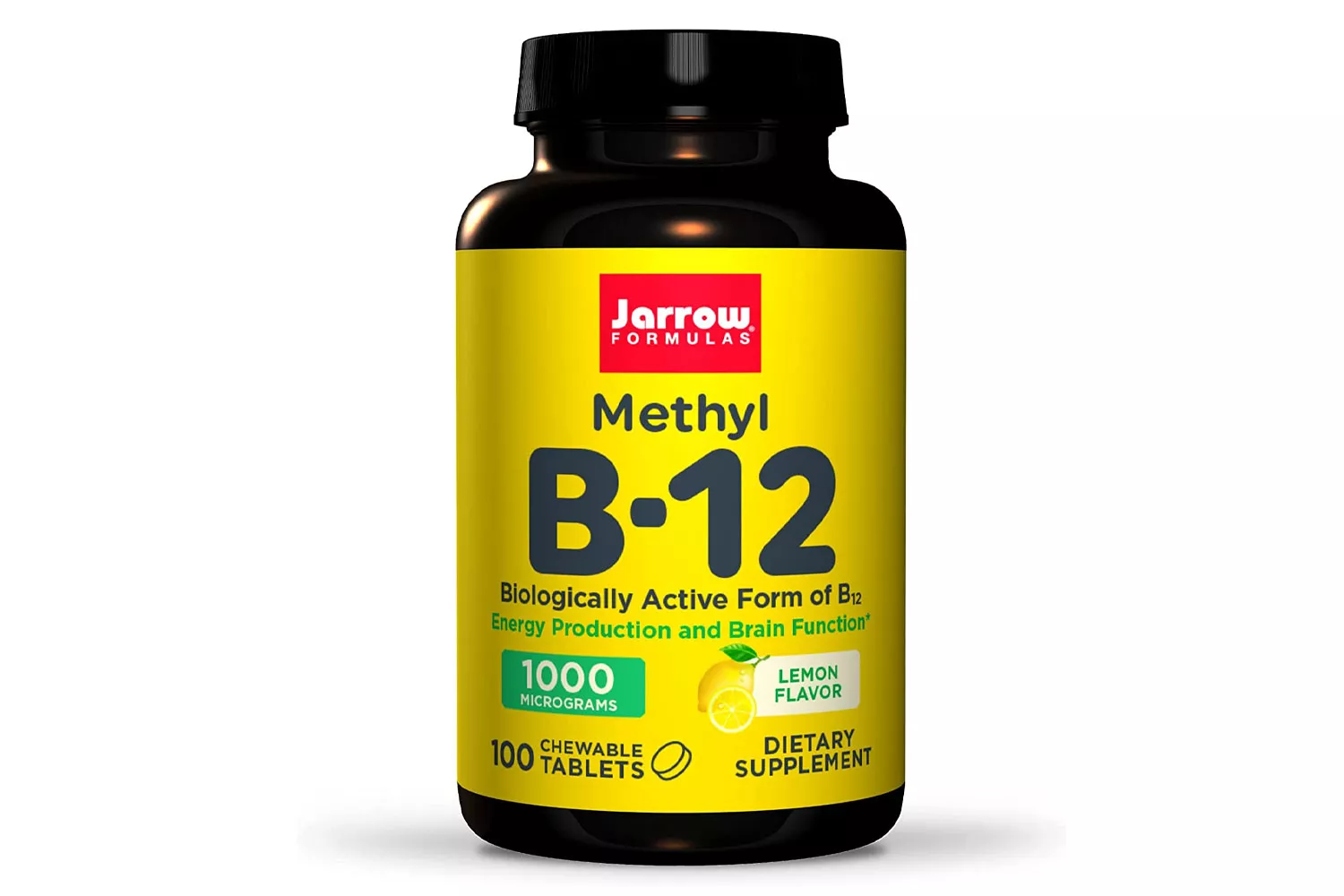
Best Bioavailable: Jarrow Formulas Methyl B12 Chewables
Jarrow Formulas is a favorite among clinical nutritionists because they use the biologically active methylcobalamin form. These chewables are particularly useful for individuals who may have genetic variations (like MTHFR) that make it slightly harder for their bodies to convert the synthetic cyanocobalamin form.
Shop Jarrow Formulas Methyl B12 →
Dosage Guidelines: How Much Do You Actually Need?
The Recommended Dietary Allowance (RDA) for Vitamin B12 is 2.4 mcg for healthy adults. However, this requirement increases to 2.6 mcg during pregnancy and 2.8 mcg during lactation to support the neurological development of the infant.
For those on a vegan diet, the standard "2.4 mcg" doesn't translate directly to supplement labels because of the absorption math we discussed earlier. Registered Dietitians generally recommend that vegans aim for approximately 2,000 mcg of Vitamin B12 per week. For the best results, this should be split into two 1,000 mcg doses taken at different times during the week. This allows the body’s absorption receptors to "reset" between doses.
If you are already experiencing symptoms of deficiency, your doctor may prescribe much higher daily doses (up to 5,000 mcg) or B12 injections to bypass the digestive system entirely and replenish your liver stores quickly.
Beyond the Serum Test: Better Ways to Check Your Levels
If you suspect a deficiency, a standard "Serum B12" blood test may not give you the full picture. Serum tests measure the total B12 in your blood, including the inactive analogs mentioned earlier. You can have a "normal" serum reading while your cells are actually starving for B12.
To get a definitive answer, ask your healthcare provider for two additional tests:
- Methylmalonic Acid (MMA): This is a specific marker for B12 activity. If B12 levels are low, MMA levels rise. It is considered the "gold standard" for detecting early or functional deficiency.
- Homocysteine: While not exclusive to B12 (it also involves Folate and B6), elevated homocysteine is a strong indicator that your B cells are not functioning optimally, posing a risk to cardiovascular health.
Expert Tip: Always get tested before you start high-dose supplementation. Once you take a supplement, it will artificially inflate your serum B12 levels, making it much harder for your doctor to diagnose the root cause of your symptoms.
FAQ
Q: Can I get enough B12 from nutritional yeast? A: Only if it is fortified. Natural nutritional yeast does not contain B12. Check the label—most major brands add about 100% of the RDA per tablespoon, but you would need to eat it consistently every day to maintain levels.
Q: Is it possible to take too much B12? A: Vitamin B12 is water-soluble, meaning your body generally excretes the excess through urine. There is no established "Tolerable Upper Intake Level" (UL) because the toxicity risk is extremely low. However, excessively high doses are unnecessary for most people and are simply "expensive urine."
Q: Should I choose a spray, a pill, or a gummy? A: For most healthy adults, the format doesn't matter as much as the dose and consistency. If you have digestive issues (like Crohn's or Celiac) or are over the age of 50, a sublingual pill or spray may be slightly more effective as they allow for some absorption through the mucous membranes in the mouth.
Take Action Today
If you relate to the symptoms of brain fog, unusual fatigue, or tingling extremities, don't wait for your next annual physical. Start by tracking your intake of animal products or fortified foods. If you are plant-based, choosing a high-quality supplement like the Nature Made Sublingual or Garden of Life Spray is a low-cost, high-reward investment in your long-term neurological health. Remember, nutrition is most powerful when it’s proactive—feed your nerves before they start to complain.