For decades, creatine was relegated to the back shelves of local gym shops, whispered about as a "bulking" secret for bodybuilders. But as we move into 2026, the narrative has fundamentally shifted. As a sports dietitian, I’ve watched creatine evolve from a niche muscle-builder to a foundational longevity tool. Today, it is recognized not just for its ability to help you squeeze out that final repetition in the squat rack, but for its profound impact on cognitive health, bone density, and metabolic resilience—particularly for women navigating the hormonal shifts of midlife.
If you are looking for a supplement that is backed by thousands of clinical trials and offers a genuine return on investment for your health, creatine is the gold standard. In this guide, we’ll cut through the marketing noise to identify the best formulations on the market and explain exactly how to use them for your specific goals.
Quick Summary: Direct Answers for 2026
- What is the best form of creatine to take? Creatine monohydrate remains the gold standard. It is the most extensively researched, affordable, and effective form for improving muscle strength, power, and recovery.
- How much should I take daily? A daily maintenance dose of 3 to 5 grams is recommended for most individuals to maintain optimal muscle saturation levels.
- Is a loading phase necessary? No. While taking 20g daily for a week speeds up muscle saturation, a steady dose of 3 to 5g daily reaches the same levels within 2 to 4 weeks without the potential GI distress of high-dose loading.
- Who is it for? Everyone from elite athletes to women over 40 and vegans seeking to bridge dietary gaps.
The Dietitian’s Perspective: What is Creatine?
Creatine is not a steroid, nor is it a synthetic laboratory creation. It is a naturally occurring compound—made of three amino acids (arginine, glycine, and methionine)—found in our muscle cells. Its primary job is to help your body produce ATP (adenosine triphosphate), the fundamental energy currency of your cells. During high-intensity bursts of activity, your body uses ATP faster than it can regenerate it. Creatine acts like a backup battery, donating a phosphate group to turn used-up ADP back into functional ATP.
The shift into the mainstream is well-deserved. Modern clinical data shows that consistent creatine supplementation increases the performance of high-intensity or repetitive exercise by 10% to 20%. Beyond the gym, we are seeing it used to support brain health during sleep deprivation and to protect against age-related muscle loss.
Expert Insight: I often tell my clients to think of creatine as "energy insurance." Whether you’re sprinting for a bus, lifting a heavy grocery bag, or trying to stay sharp during a long afternoon meeting, creatine ensures your cells have the fuel they need to perform.
The Multi-Faceted Benefits of Creatine
While most people start creatine for muscle gains, the systemic benefits are what keep my clients taking it long-term.
1. Athletic Performance and Recovery
By increasing the availability of ATP, creatine allows you to perform more work over time. This leads to greater adaptations in muscle strength and power. Furthermore, it helps reduce inflammation following intense exercise, allowing you to bounce back faster for your next session.
2. Cognitive Function
The brain is one of the most metabolically active organs in the body. Emerging research suggests that creatine supplementation can improve short-term memory and reasoning, particularly in individuals under stress or those following a plant-based diet.
3. Longevity and Sarcopenia
As we age, we naturally lose muscle mass—a condition known as sarcopenia. Creatine, when paired with resistance training, is one of the most effective ways to combat this decline. It helps maintain the functional strength necessary for independence in later life.
4. Bridging the Dietary Gap
Creatine is primarily found in red meat and seafood. Consequently, vegetarians and vegans often have lower baseline muscle creatine stores. For this demographic, supplementation doesn't just provide an "extra" boost; it brings their levels up to what would be considered a functional baseline, often resulting in more dramatic performance leaps than those seen in omnivores.
Focus: Best Creatine for Women Over 40 & 50
For my female clients in their 40s and 50s, creatine is a non-negotiable. During perimenopause and menopause, declining estrogen levels can lead to a decrease in muscle mass, bone density, and insulin sensitivity.
Creatine helps mitigate these changes by supporting muscle protein synthesis and potentially improving bone mineral density when combined with weight-bearing exercise. It’s also being studied for its role in mood regulation and "brain fog," which are common complaints during the menopausal transition.
Top Sports Dietitian-Approved Picks for 2026
When selecting a supplement, I look for three things: purity (third-party testing), solubility, and value. Here are the top performers for 2026.
| Product | Price/Serving | Certification | Primary Benefit |
|---|---|---|---|
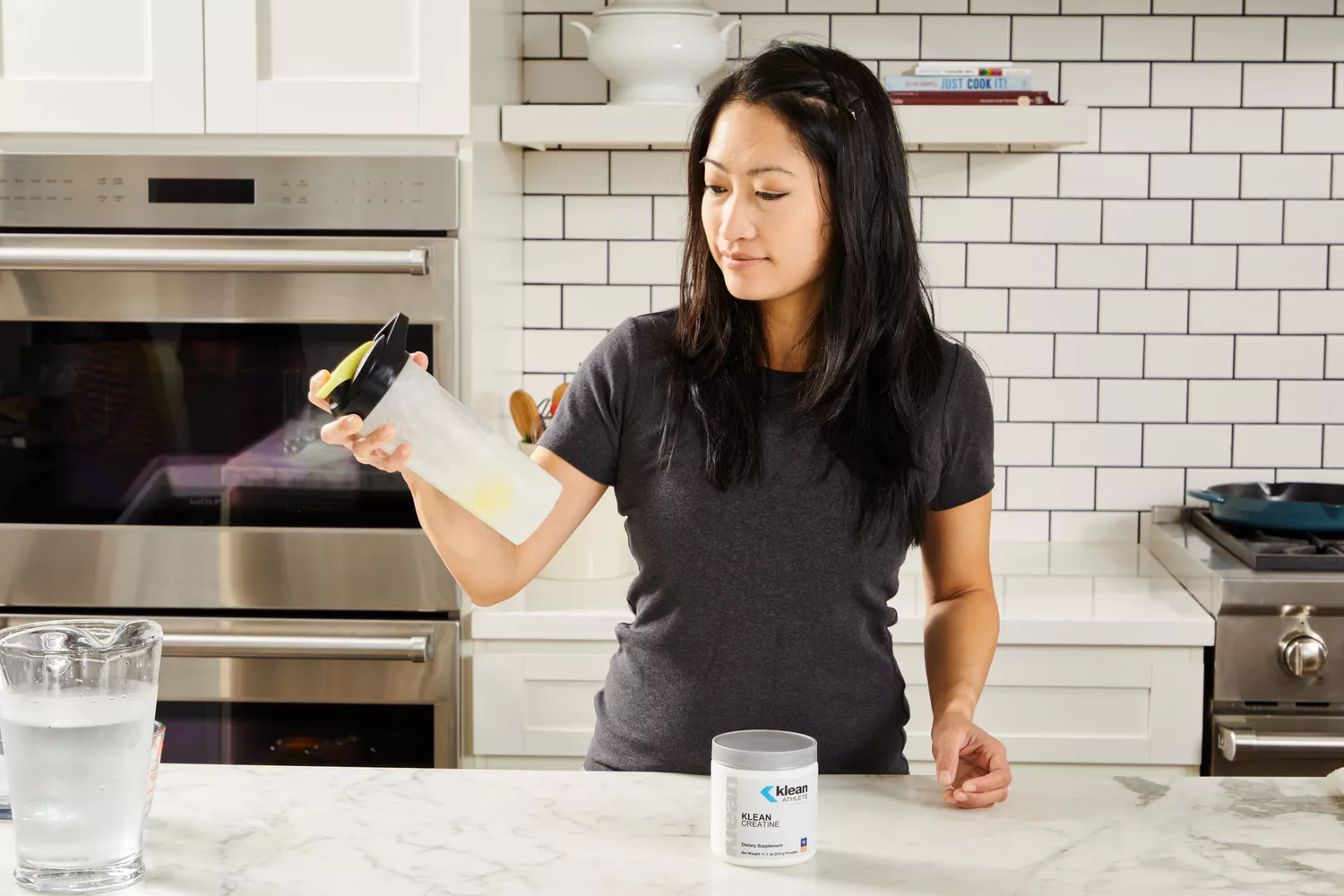
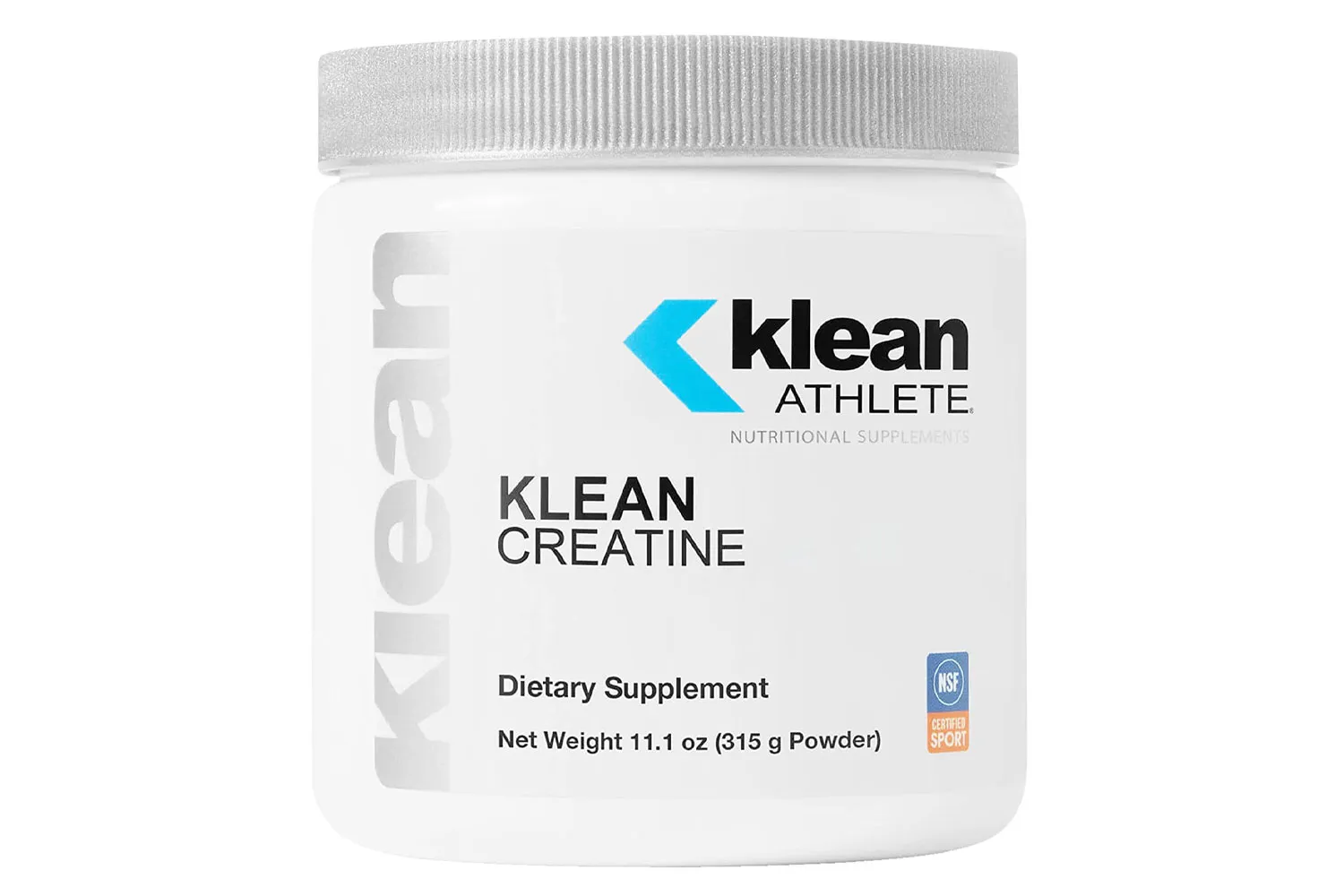
| Klean Athlete Klean Creatine | ~$0.55 | NSF Certified for Sport | Best Overall Purity |
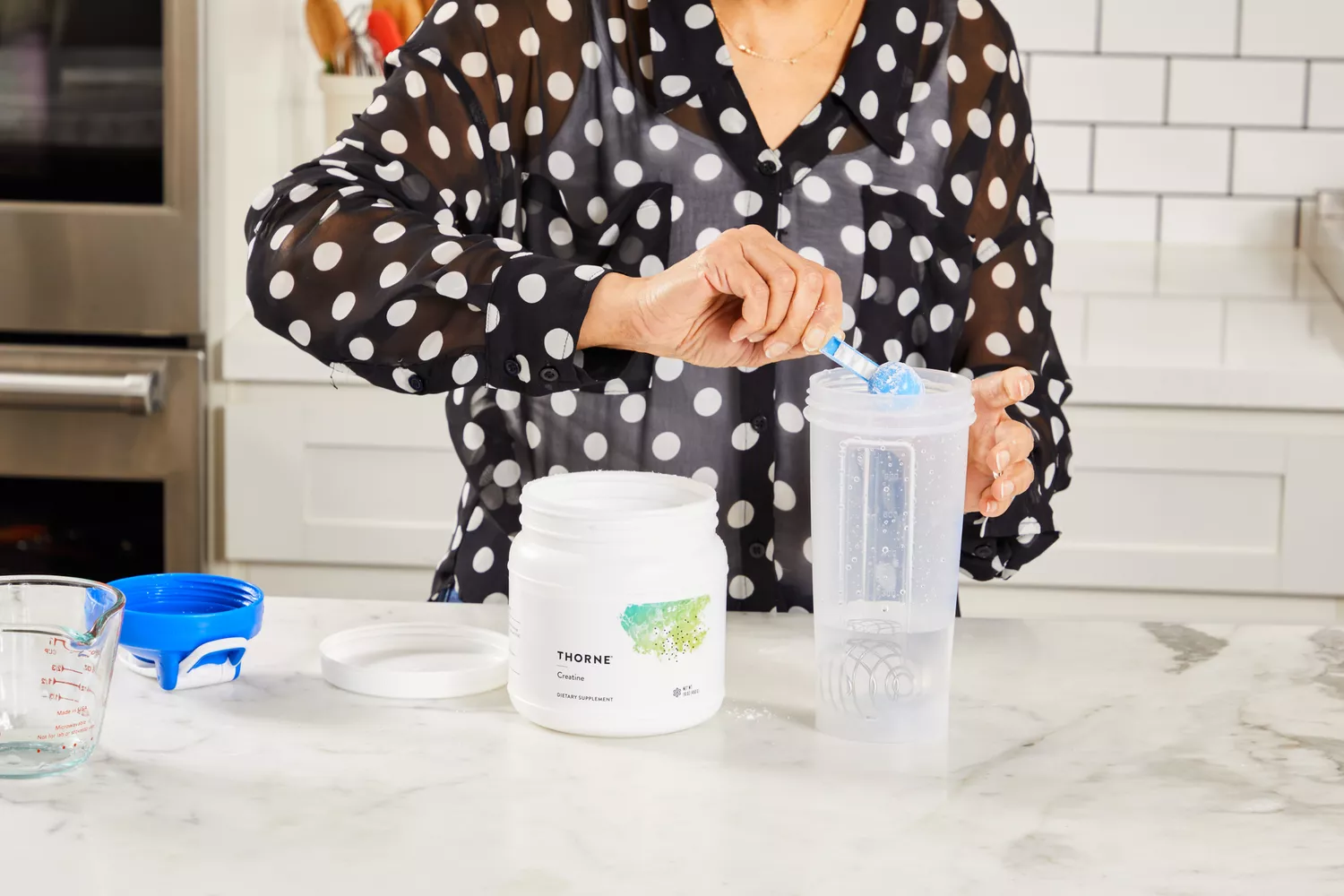
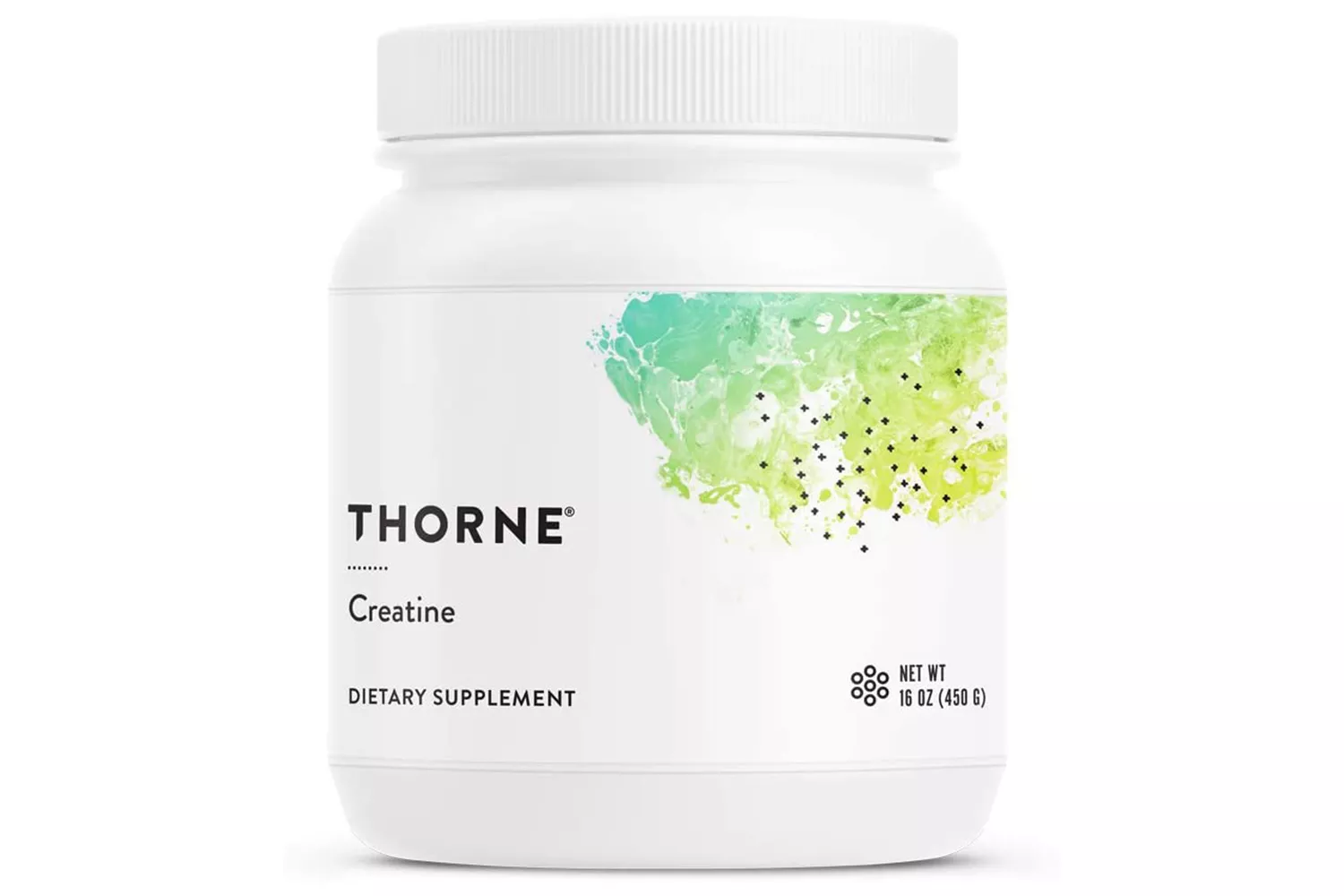
| Thorne Creatine | ~$0.65 | NSF Certified for Sport | Best for Competitive Athletes |
| Crazy Nutrition CRN-5 | ~$1.30 | GMP Certified | Best for Women 40+ |
| BulkSupplements Monohydrate | ~$0.18 | Third-Party Tested | Best Budget |
| Bloom Creatine Gummies | ~$1.10 | Third-Party Tested | Best Convenience |
1. Best Overall: Klean Athlete Klean Creatine
Klean Athlete is a brand I trust implicitly. Their creatine is a pure monohydrate that is NSF Certified for Sport, meaning it has been tested for over 280 substances banned by major athletic organizations. It is unflavored and dissolves completely in water or coffee without that "gritty" texture.
2. Best for Competitive Athletes: Thorne Creatine
Thorne is the "gold standard" in professional sports. Their monohydrate is micronized, which means the particles are smaller and easier to digest. For athletes who have sensitive stomachs, Thorne’s formula is often the best-tolerated.
3. Best for Women 40+: Crazy Nutrition Ultimate CRN-5
While I usually prefer simple monohydrate, CRN-5 offers a unique "5-creatine blend" combined with essential electrolytes like magnesium, sodium, and potassium. For women over 40 who may struggle with hydration or muscle cramping, this all-in-one approach supports both muscle preservation and fluid balance.
4. Best Budget-Friendly: BulkSupplements.com Monohydrate
If you want the benefits of creatine without the premium price tag, BulkSupplements is the way to go. By stripping away fancy packaging and marketing, they offer high-quality monohydrate at a fraction of the cost—often as low as $0.15 to $0.25 per serving.

5. Best Convenience: Bloom Creatine Gummies
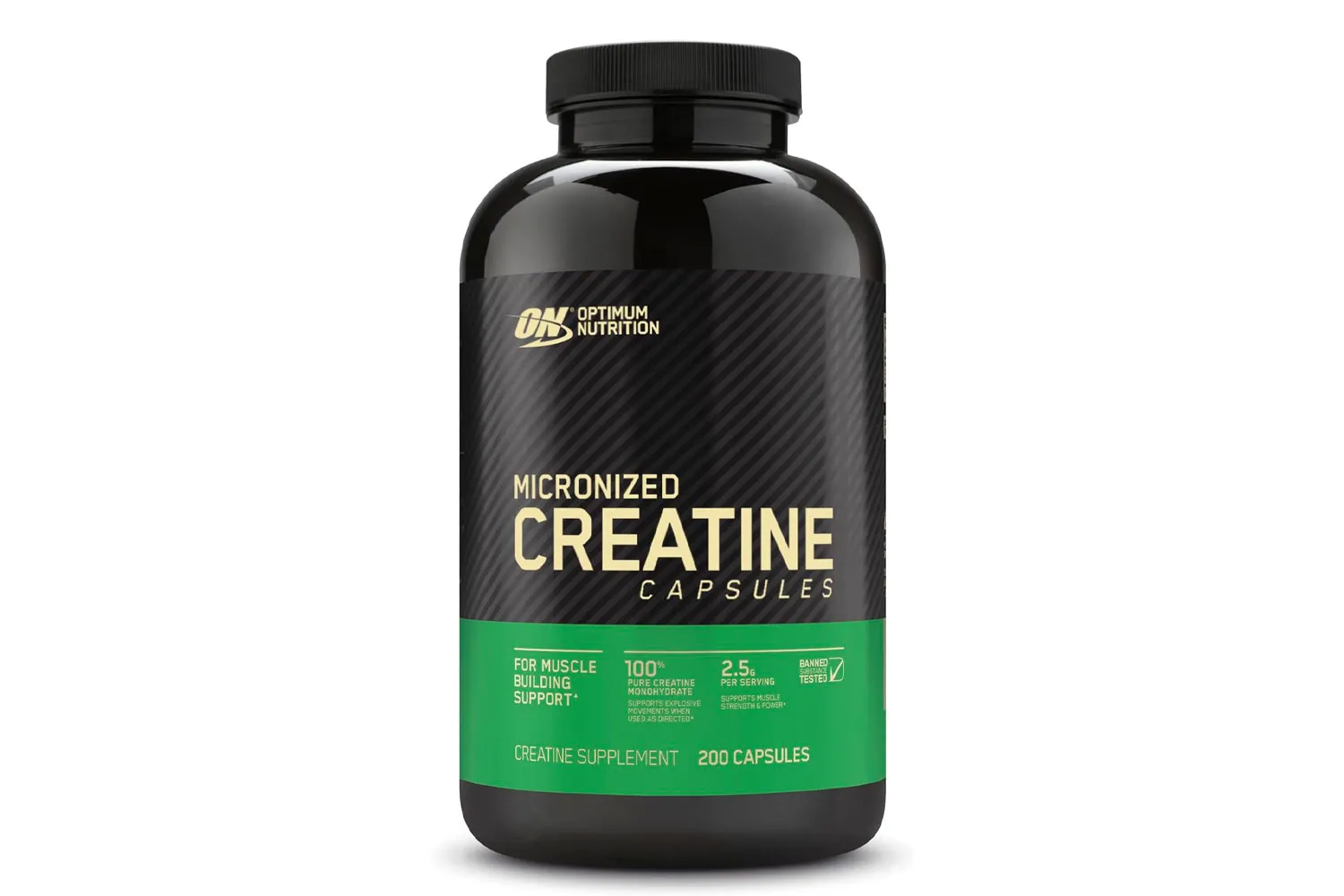
Not everyone wants to mix a powder. Bloom’s gummies or NOW Sports capsules are fantastic for travel or for those who simply find the ritual of a "morning gummy" easier to stick to. Each serving provides the requisite 5g dose without the mess.
Buying Guide: What to Look For
With thousands of products on Amazon, how do you choose? Follow these three dietitian rules:
- Look for Third-Party Testing: Because the FDA does not regulate supplements for safety and efficacy before they hit the market, you must look for seals like NSF Certified for Sport, Informed Choice, or USP. This ensures that what is on the label is actually in the bottle.
- Stick to Monohydrate: You will see Creatine HCL, Creatine Ethyl Ester, and buffered creatine. These are often more expensive and marketed as "better absorbing." However, clinical data consistently shows that they are no more effective than standard, affordable creatine monohydrate.
- Check for Fillers: Your creatine should ideally have one ingredient: Creatine Monohydrate. Avoid "proprietary blends" that hide the actual dosage of the active ingredient behind a wall of fluff.
How to Use Creatine Correctly
Maximizing the benefits of creatine is about consistency, not complexity.
The Dosage
For 90% of the population, a 3 to 5-gram daily maintenance dose is perfect. If you are a larger individual (over 200 lbs) with significant muscle mass, you might scale that up to 10 grams to maintain full muscle saturation.
The Myth of Loading
While some protocols suggest taking 20g a day for the first week, I typically advise against it for general fitness enthusiasts. It often causes bloating and gastric upset. Simply taking 5g daily will get you to the same saturation point within a month.
Timing and Pairing
While you can take creatine at any time, research suggests a slight advantage to taking it post-workout. Pairing your creatine with a source of carbohydrates or protein triggers an insulin response, which can help "drive" the creatine into the muscle cells more efficiently.
Frequently Asked Questions (FAQ)
Does creatine cause hair loss? There is no strong clinical evidence linking creatine to hair loss. This myth originated from a single 2009 study on rugby players that showed an increase in DHT (a hormone linked to hair loss), but the results have never been replicated, and no study has directly observed hair loss as a result of supplementation.
Will it make me look bulky or bloated? Creatine does cause "water retention," but it is intracellular, meaning the water is drawn into the muscle cells, not under the skin. This actually makes muscles look fuller and more hydrated, not "soft" or bloated. Any initial weight gain is typically just water volume, not fat.
Can I take it on rest days? Yes. Creatine works through accumulation. You must take it on rest days to keep your muscle stores saturated. Think of it like a daily vitamin, not a pre-workout stimulant.
The Bottom Line
Creatine is one of the few supplements that actually lives up to the hype. Whether you are an athlete looking for a 10% to 20% performance boost, a woman over 40 looking to protect your muscle mass, or someone simply wanting to support cognitive longevity, creatine monohydrate is a safe, evidence-based, and cost-effective tool.
Ready to start? Pick a high-quality, third-party tested monohydrate like Klean Athlete or Thorne, stick to a 5g daily dose, and give it 30 days. Your future, stronger self will thank you.