We’ve all been there—the 5:00 AM alarm goes off, your joints feel like they’re filled with concrete, and your motivation is non-existent. Yet, the voice in your head, fueled by decades of "no days off" gym culture, tells you to lace up and push through. In the old days of Gold’s Gym, this was called grit. Today, we call it a fast track to injury, hormonal imbalance, and the dreaded plateau. As a trainer, I’ve seen more progress destroyed by overtraining than by under-training. The difference between the athlete who peaks and the one who burns out isn't just hard work; it’s the ability to listen to what their body is saying before it starts screaming.
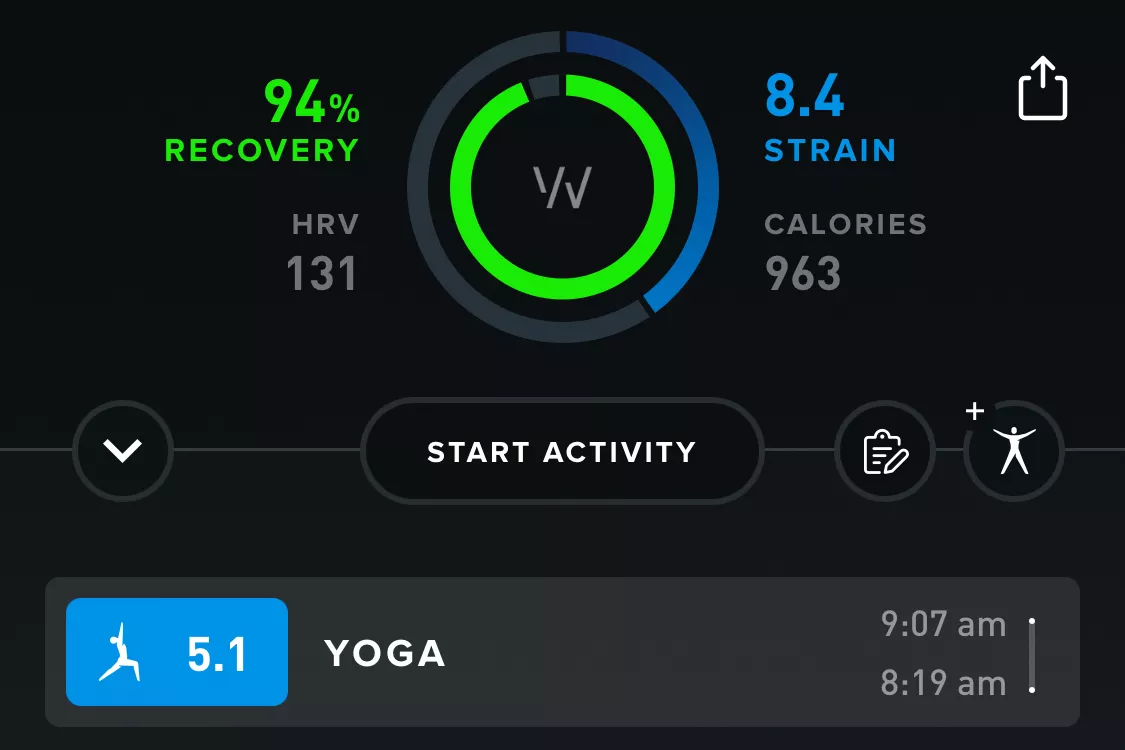
Enter the Whoop 4.0. Unlike traditional fitness trackers that focus on how many steps you took to the grocery store, Whoop is a screen-free physiological co-pilot designed for one specific purpose: optimizing the relationship between stress and recovery. It prevents overtraining by utilizing a proprietary Recovery Score, calculated from your heart rate variability (HRV), resting heart rate (RHR), and sleep performance. By synthesizing these metrics, it tells you exactly how much 'Strain' your body can handle each day, ensuring you only push the throttle when your engine is actually ready for it.
Decoding the Science: The Core Whoop 4.0 Recovery Metrics
To understand how to stop overtraining, we first need to look under the hood. Whoop doesn't just guess how you feel; it measures the state of your Autonomic Nervous System (ANS). The core metrics tracked include Heart Rate Variability (HRV), Resting Heart Rate (RHR), Respiratory Rate, Blood Oxygen levels, and Sleep Performance. These are distilled into a daily Recovery percentage—your green light to go hard or your red light to stay in bed.
The heavy hitter here is Heart Rate Variability (HRV). This is the measure of the variation in time between each heartbeat. A high HRV indicates that your nervous system is balanced and capable of adapting to stress, whether that’s a heavy set of deadlifts or a high-pressure meeting. Conversely, a low HRV suggests your sympathetic nervous system (fight or flight) is dominant, meaning you’re already overtaxed.
The Essential Metrics Explained:
- Heart Rate Variability (HRV): The gold standard for measuring recovery. It tracks the millisecond intervals between heartbeats. The more "variable" the timing, the more recovered you are.
- Resting Heart Rate (RHR): A consistent spike in your RHR is often the first sign of overtraining or an impending illness, even before you feel symptoms.
- Respiratory Rate: While usually stable, an increase in breaths per minute can signal that your body is working overtime to recover from a previous day’s strain.
- Sleep Performance: Whoop compares the sleep you needed (based on previous strain) to the sleep you actually got.
Expert Tip: Don't obsess over a single day's HRV score. Look at your 7-day baseline. If your HRV is trending downward for three consecutive days despite "feeling" fine, your central nervous system is likely red-lining. This is the moment to swap your HIIT session for a long walk or mobility work.
Sleep Performance: The Engine of Muscle Repair
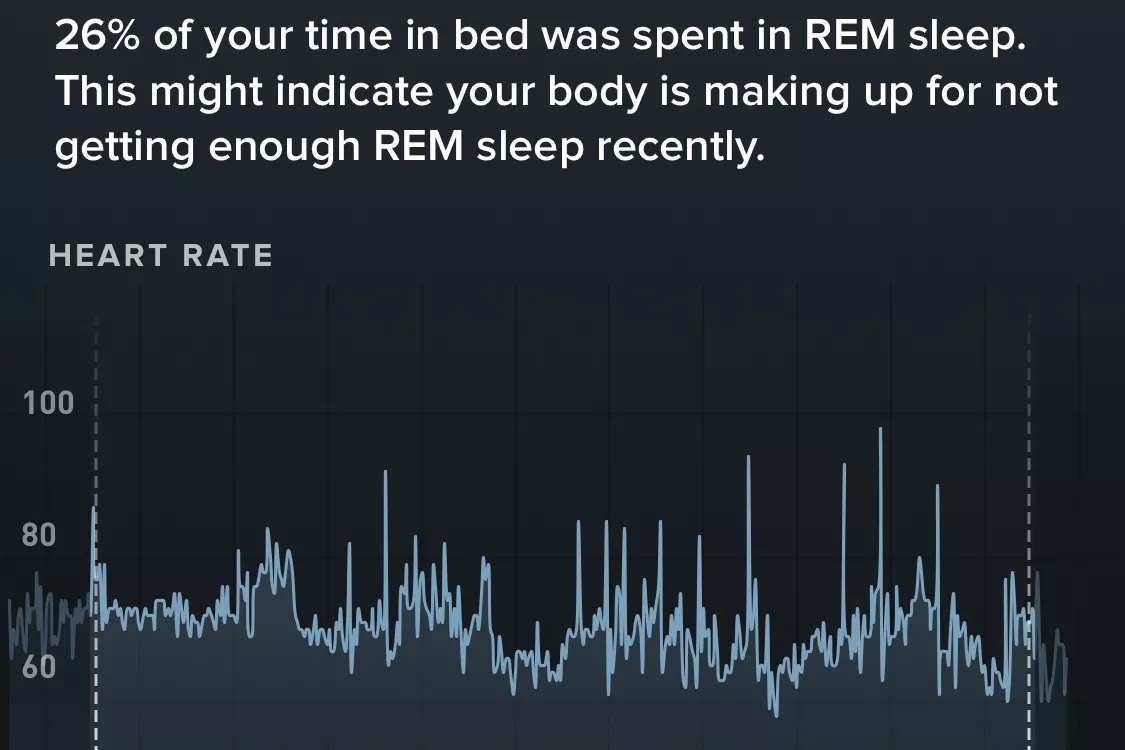
You don't grow in the gym; you grow in your sleep. This is a mantra I repeat to every athlete I coach. Whoop 4.0 features a "Sleep Coach" that is arguably the most sophisticated in the wearable market. It doesn't just tell you that you slept seven hours; it breaks down your time in REM and Deep Sleep—the stages where muscle tissue is repaired and growth hormones are released.
By analyzing these stages, Whoop calculates your "Sleep Debt." If you’ve been burning the candle at both ends, the device will adjust your recovery score downward, even if your HRV looks decent. It understands that a lack of quality sleep fundamentally lowers your ceiling for physical strain.
Balancing the Scales: Whoop Strain vs. Recovery Scores
The real magic happens when Whoop balances your morning Recovery Score against your daily "Strain." Strain is Whoop’s measure of cardiovascular load, calculated on a scale of 0 to 21. If you wake up with a 90% "Green" recovery, the app might recommend a Strain of 14-16 (a high-intensity training day). If you wake up at 30% "Red," it might suggest keeping Strain below 6.0.
This is the "Metric-to-Action Bridge." Instead of walking into the gym with a rigid program, you use the data to pivot. For example, if it's "Leg Day" but your recovery is in the tank, you don't skip the gym entirely—you adjust. You might reduce the volume, lower the intensity, or focus on technique rather than a new Personal Record (PR). This approach respects your biology and ensures that every session actually moves the needle forward rather than digging a deeper hole of fatigue.
Using the Daily Journal to Identify Trends
One of the most underrated features of the Whoop 4.0 is the Daily Journal. Every morning, the app asks you a series of customizable questions: Did you drink alcohol? Did you take magnesium? Were you on your phone in bed? Over time, Whoop’s AI identifies how these behaviors specifically impact your recovery.
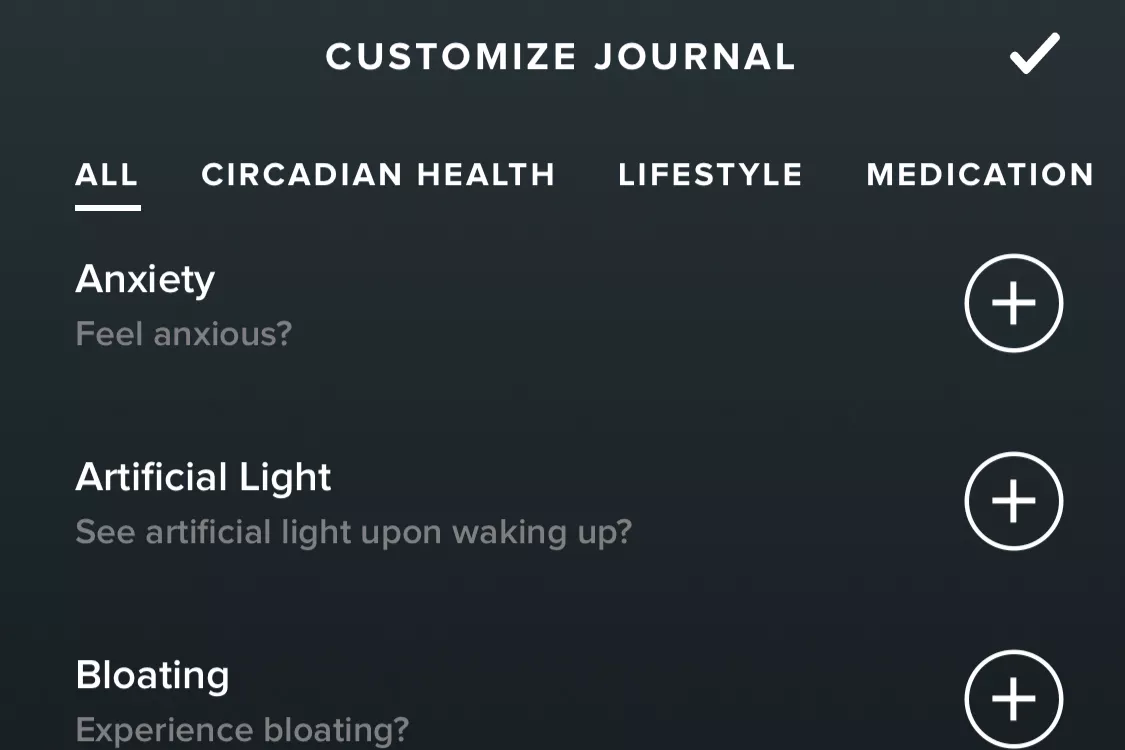
Many athletes are shocked to find that even two glasses of wine can drop their HRV by 20% the next day, or that a 10-minute meditation session before bed consistently boosts their Deep Sleep. This level of granularity is why the Whoop 4.0 earned a high 4.8 out of 5 rating for fitness tracking depth, significantly outperforming casual trackers that simply count calories.
Whoop 4.0 vs. The Competition: Why Athletes Choose Specialized Data
When people ask me if they should get a Whoop or a Fitbit, I ask them one question: "Are you trying to be more active, or are you trying to optimize performance?"
Fitbit is a fantastic tool for the general population. It’s great for step counting, has a beautiful screen, and offers a battery life that can last up to 10 days (compared to Whoop's 5 days). However, for the serious athlete, Fitbit can be a bit "noisy." It gives you badges for walking 10,000 steps, but it doesn't tell you if those steps are hindering your recovery for tomorrow's marathon prep.
Whoop 4.0 is better for recovery because it provides a more nuanced look at physiological stress. It removes the distractions of notifications and screens, acting more like a "Digital Coach" than a watch.
| Feature | Whoop 4.0 | Fitbit Sense 2 | Apple Watch Ultra 2 |
|---|---|---|---|
| Primary Focus | Recovery & Strain | Wellness & Activity | Smart Features & Sport |
| Tracking Depth | 4.8 / 5 | 3.5 / 5 | 4.2 / 5 |
| HRV Monitoring | Continuous & Detailed | Spot-check / Nightly | Continuous |
| Battery Life | 5 Days | 6-10 Days | 36-72 Hours |
| Screen | None (Distraction-free) | AMOLED Touchscreen | Bright Retina Display |
| Subscription | Required | Optional (Premium) | None |
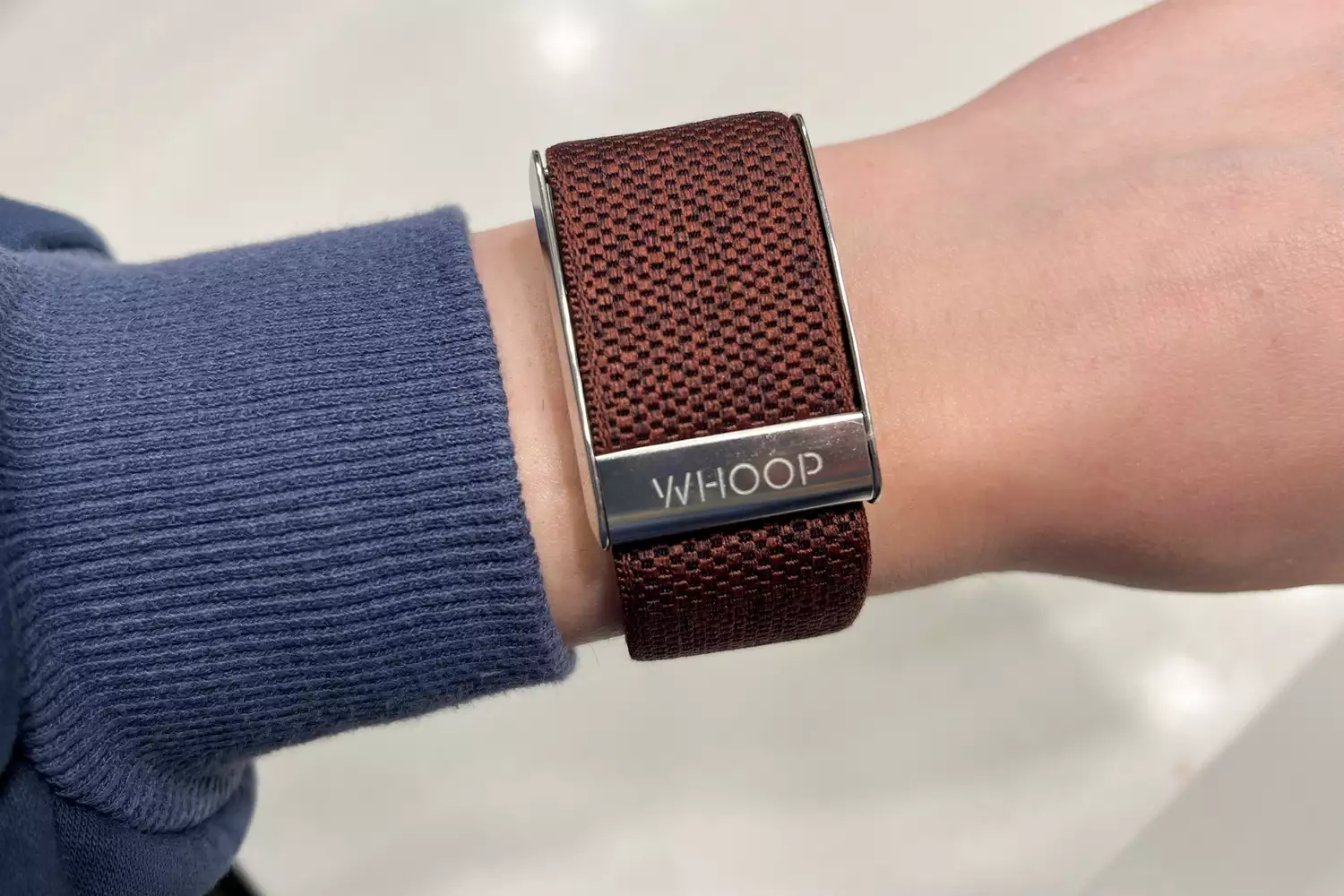
While the subscription model of Whoop can be a deterrent for some, I argue that the monthly cost is cheaper than a single session with a high-end coach, and it provides 24/7 data that even the best coach can’t see.
Join Whoop and Start Your Recovery Journey →
The Future of Recovery: 2026 Trends and Long-Term Longevity
As we look toward 2026, the trend in fitness is shifting from "more intensity" to "better recovery." We are entering an era of hyper-personalization where static training plans are becoming obsolete. AI-driven programming, like the insights provided by Whoop, allows for adaptive training that changes in real-time based on your body's readiness.
Furthermore, we are seeing a massive surge in "Active Aging." Athletes in their 40s, 50s, and 60s are using recovery metrics to preserve joint stability and muscle mass. By avoiding the systemic inflammation caused by chronic overtraining, these athletes are staying in the game decades longer than previous generations. Recovery is no longer seen as a "break" from training; it is understood as the engine that powers the training itself.
Conclusion: Moving Smarter, Not Harder
The "No Days Off" era is dead. If you want to reach peak performance, you have to embrace the science of rest. The Whoop 4.0 isn't just a wearable; it’s a mindset shift. It moves you away from the ego-driven "grind" and toward a data-driven "flow." By tracking your HRV, RHR, and sleep with surgical precision, you can finally stop guessing and start knowing.
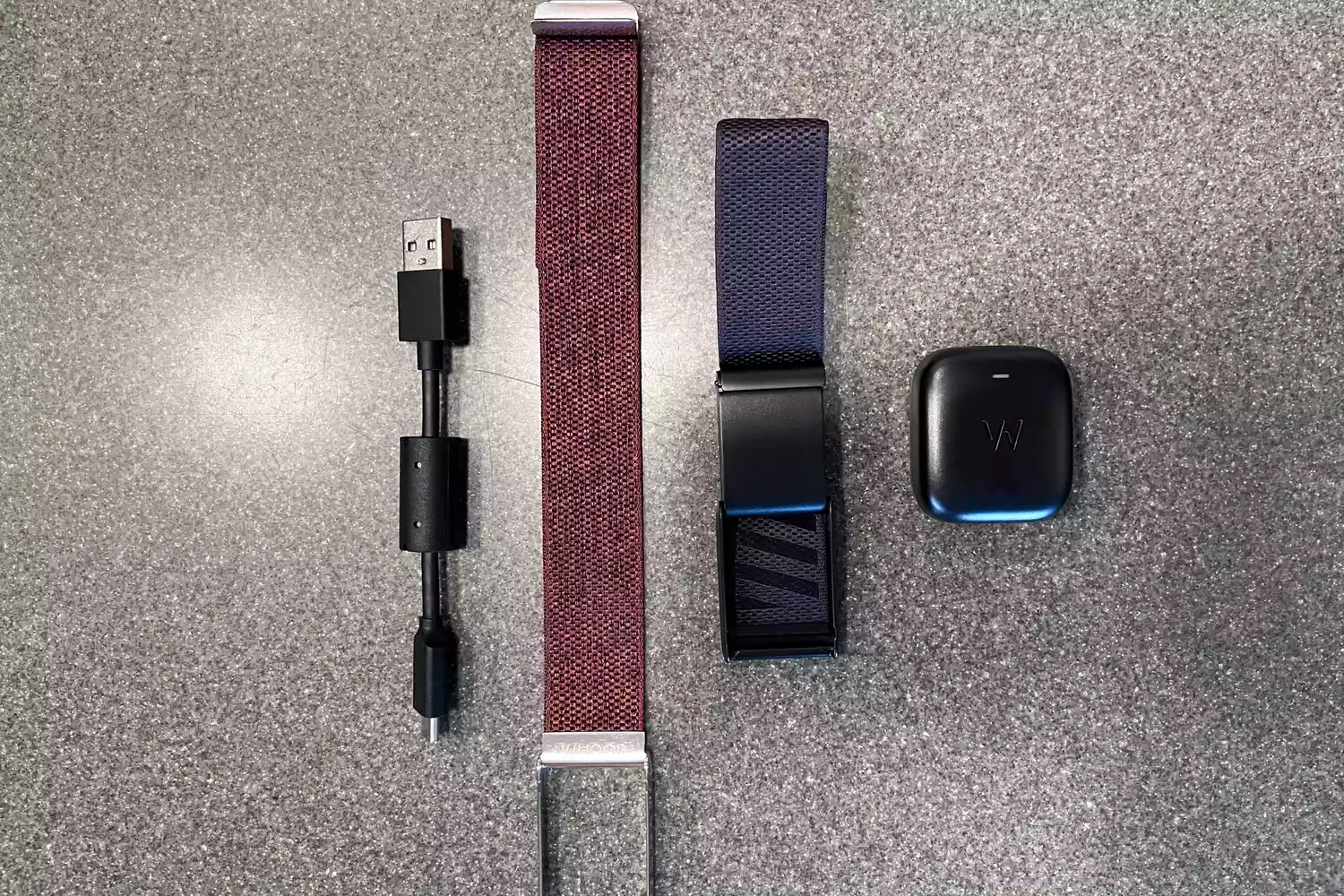
The 5-day battery life might be shorter than some competitors, but the trade-off is a system that allows for 24/7 data collection through a unique modular battery pack—meaning you never have to take it off, even to charge. For the serious performer, this continuity of data is priceless.
FAQ
How long does it take for Whoop to calibrate? Whoop requires a 4-day calibration period to establish your baseline HRV and RHR. After 30 days, the data becomes highly personalized as it learns your body's specific responses to stress.
Can I wear Whoop somewhere other than my wrist? Yes. Whoop offers "Any-Wear" technology, allowing you to place the sensor in specially designed apparel like bicep bands, sports bras, or boxers. For weightlifters, the bicep band is often more accurate as it eliminates "wrist noise" during heavy lifts.
Does Whoop track GPS for running? Whoop does not have built-in GPS. However, it can pull GPS data from your phone if you carry it during your run, allowing you to see your route and pace alongside your cardiovascular strain.
Stop guessing. Start recovering. Peak your performance.