For decades, the term "stability shoe" was synonymous with a heavy, stiff, and uninspiring slab of foam designed to force your foot into submission. If you were an overpronator, you were essentially prescribed a pair of orthotic-style boots that felt like running in a cast. But as we step into 2026, the narrative has shifted entirely. Gear is no longer a battle of willpower against your own anatomy; it is a sophisticated extension of it.
The modern stability running shoe has evolved from a rigid "blocker" into a dynamic guidance system. Today’s top-tier models leverage high-rebound foams, geometric engineering, and adaptive support to keep you moving efficiently without sacrificing the plush energy return that neutral runners have enjoyed for years. Whether you are battling flat feet or looking to mitigate joint stress during high-volume marathon training, the 2026 lineup offers more precision than ever before.
Understanding Stability: More Than Just a Shoe Category
At its core, stability running shoes are specialized footwear engineered to provide enhanced arch support, midsole cushioning, and a wider base to prevent the foot and ankle from rolling excessively inward—a movement known as overpronation. By incorporating structural features like medial posts, integrated guide rails, and firm heel counters, these shoes align the foot and reduce the mechanical loading on your lower limb joints.
In 2026, the "stability" label has undergone a technological revolution. We have moved away from the binary choice of "neutral" or "stability." Instead, manufacturers are adopting a holistic approach. Rather than fighting the foot's natural motion, modern shoes use "guidance systems" (like the ASICS 4D Guidance System or Brooks GuideRails) that only intervene when your form begins to break down. This means you get the support you need when you're fatigued at mile 20, without feeling restricted at mile one.
What is Overpronation? The Biomechanics of the Inward Roll
To choose the right gear, you must first understand the problem it is solving. Overpronation occurs when the arch collapses excessively as the foot hits the ground, causing the ankle to roll inward and the big toe to take on the majority of the push-off load. While some pronation is a natural part of shock absorption, overpronation can lead to a "domino effect" of misalignment up the kinetic chain.
Biomechanical research suggests that these stability features, such as the 4D Guidance System, can significantly reduce joint stress by adapting to pronation changes throughout the gait cycle. This creates a more balanced run, preventing the internal rotation of the tibia that often leads to runner's knee, shin splints, and plantar fasciitis.
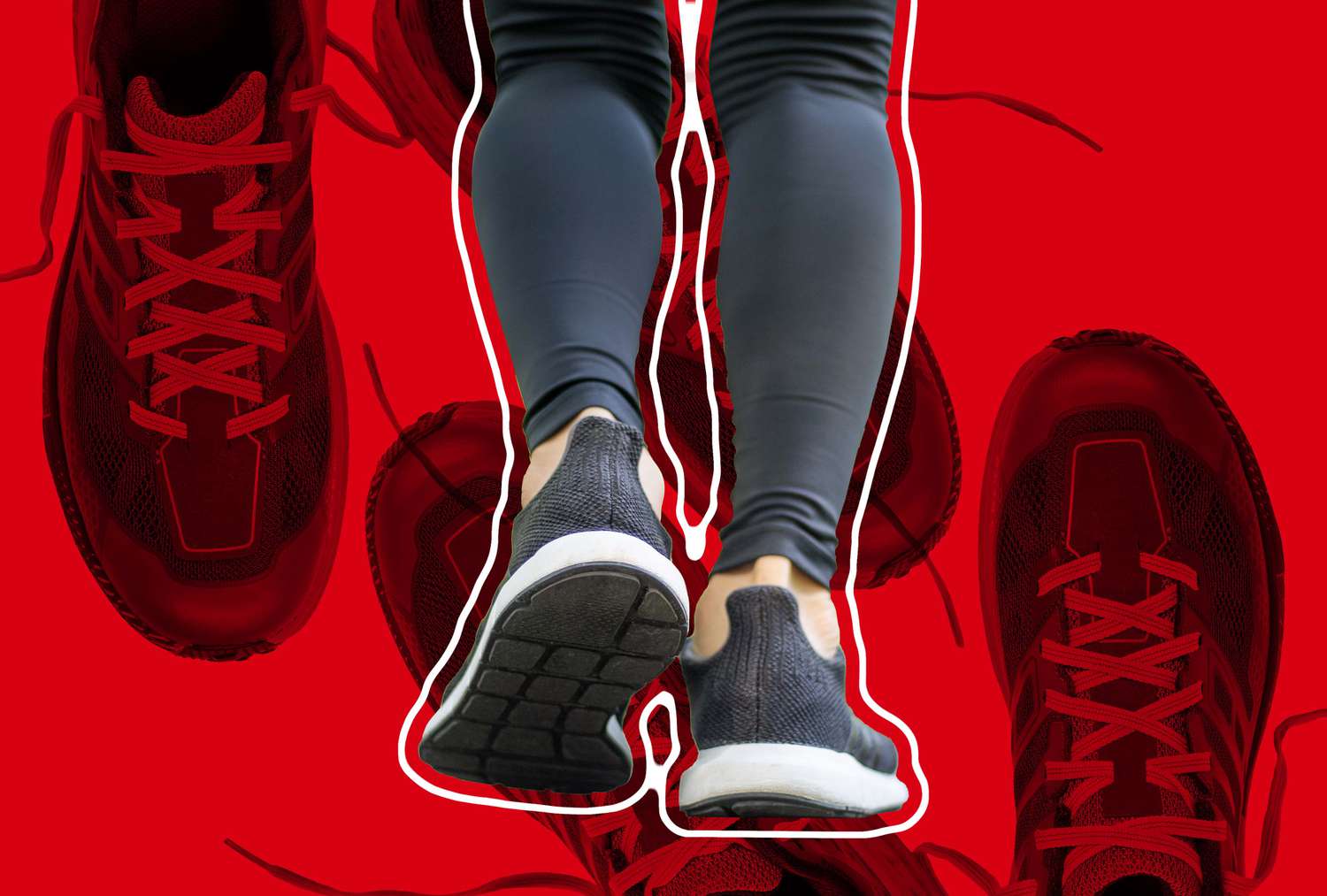
The impact of wearing the correct gear isn't just theoretical. A comparison study published in the British Journal of Sports Medicine indicates that runners using stability shoes experience significantly fewer missed training days due to injury compared to those in neutral shoes. For the serious athlete, this translates to consistency—and consistency is the ultimate driver of performance.
Stability vs. Motion Control: Choosing Your Level of Support
One of the most common points of confusion for my clients is the difference between stability and motion control footwear. Here is the David Park breakdown:
- Stability Shoes: Designed for mild-to-moderate overpronators. These shoes offer a blend of cushioning and support. They usually feature "guidance" technology or subtle medial posts that provide arch support without being overly stiff.
- Motion Control Shoes: These are for runners with severe overpronation or very flat, flexible feet. They are built on a straighter "last" (the shape of the shoe) and feature maximum stiffness and heavy-duty medial support to virtually eliminate inward rolling.
Expert Tip: If you aren't sure where you fall, look at the wear pattern on your old shoes. If the inner side of the sole is significantly more worn down than the outer side, you are likely an overpronator in need of stability or motion control features.
Key Features of 2026 Stability Technology
The "magic" of a 2026 stability shoe lies in its geometry. We are no longer just stuffing hard plastic under the arch. Instead, we see three pillars of support:
- Wide Landing Platforms: By widening the "crash pad" at the midfoot and heel, shoes like the HOKA Arahi create a naturally stable base that is harder to tip over.
- Adaptive Guidance: Technologies like Brooks’ GuideRails act like bowling alley bumpers. They stay out of the way if your stride is straight but kick in to support your heel and knee if you start to roll.
- Active Decoupling: Midsole grooves that allow the shoe to flex in specific directions while remaining rigid in others, ensuring the foot moves through the gait cycle without unnecessary torque.
Statistical Insight: Research into the ASICS 4D Guidance System has shown that by using a softer foam insert in the medial area that "rebounds" quickly, the shoe can reduce joint loading by up to 12% compared to traditional rigid posting.
The Best Stability Running Shoes of 2026: Top Picks
To help you navigate the crowded market, I’ve road-tested and analyzed the top performers for this season. Here is how the heavy hitters stack up:
| Model | Primary Tech | Heel-to-Toe Drop | Best For |
|---|---|---|---|
| Mizuno Wave Horizon 7 | Enerzy Core + Asymmetrical Plate | 8mm | Best Overall Stability |
| ASICS Gel-Kayano 32 | 4D Guidance System | 10mm | Severe Overpronation |
| New Balance 860v14 | Fresh Foam X + EVA Film | 8mm | Wide Feet & Comfort |
| Brooks Adrenaline GTS 25 | DNA LOFT v3 + GuideRails | 12mm | Moderate Support |
| Saucony Tempus 2 | PWRRUN Frame + PEBA Foam | 6mm | Speed & Racing |
| HOKA Arahi 7 | J-Frame Technology | 5mm | Budget-Friendly Support |
Best Overall: Mizuno Wave Horizon 7
The Wave Horizon 7 is a masterpiece of "geometric stability." Instead of a hard plastic post, it uses two layers of foam with different densities in a wave shape. This provides a buttery-smooth transition while preventing the arch from collapsing. Shop Mizuno Wave Horizon 7 →
Best for Severe Overpronation: ASICS Gel-Kayano 32
The Kayano remains the gold standard for those who need maximum intervention. The 4D Guidance System is incredibly clever—it uses a lateral "subtraction" in the midsole to encourage the foot to stay centered. It’s plush, premium, and built for the long haul. Shop ASICS Gel-Kayano 32 →
Best for Speed: Saucony Tempus 2
For a long time, stability runners were left out of the "super shoe" revolution. The Tempus 2 changes that. It wraps a core of ultra-bouncy PEBA foam (the stuff used in marathon racers) inside a firmer PWRRUN frame. It’s light, snappy, and stable. Shop Saucony Tempus 2 →
Expert Buying Guide: How to Test for Your Perfect Fit
Buying a stability shoe based on a review isn't enough; you need to feel the "hug." When you try on a shoe, look for what I call the "Supportive Embrace." It should feel like a firm hand holding your arch, not a pebble in your shoe.
I always recommend a professional gait analysis. Most specialized running stores now use 3D pressure mapping to show exactly where your foot is exerting force. If you can't get to a store, perform the "Wet Foot Test": wet your sole, step on a piece of cardboard, and look at the imprint. A full, wide footprint usually indicates a flat foot and a need for stability gear.

When to Consider Insoles
Sometimes, a stability shoe alone isn't enough, or perhaps you’ve found a neutral shoe you love but need a bit more "omph." In these cases, combining a neutral shoe with a high-quality medical-grade insole can offer a customized level of arch support footwear that off-the-shelf shoes can't match.
Strengthening Beyond the Shoe
As an editor and a coach, I have to be honest: footwear is a tool, not a cure-all. While the right stability shoe can prevent injury and improve comfort, it shouldn't be your only line of defense.
Long-term stability comes from the ground up. I tell my athletes to focus on "foot intrinsic" exercises. Simple movements like towel scrunches (using your toes to pull a towel toward you) and calf raises can strengthen the posterior tibialis—the muscle primarily responsible for supporting your arch. A strong foot in a great shoe is an unbeatable combination.
FAQ
Q: Can I wear stability shoes if I have "normal" arches? A: It's generally not recommended. If you don't overpronate, the added support can push your foot too far outward (supination), which can lead to ankle strains and stress fractures on the outer side of the foot.
Q: How often should I replace my stability running shoes? A: Most modern stability shoes lose their structural integrity between 300 and 500 miles. Because the support structures are often built into the foam, once the foam compresses, the stability "correction" vanishes.
Q: Do stability shoes feel heavier than neutral shoes? A: In the past, yes. However, with 2026 technology like Saucony’s PEBA frames and HOKA’s lightweight J-Frame, the weight gap has narrowed significantly. Most runners won't notice a difference in weight, only a difference in feel.
Take the Next Step
Stop letting overpronation dictate your training schedule. The technology of 2026 has finally caught up to the needs of the athletic community, proving that you can have world-class cushioning and rock-solid stability in the same package.
Ready to upgrade your run? Head to your local running lab for a gait analysis, or check out our top-rated picks above to find the perfect match for your stride. Your joints will thank you.