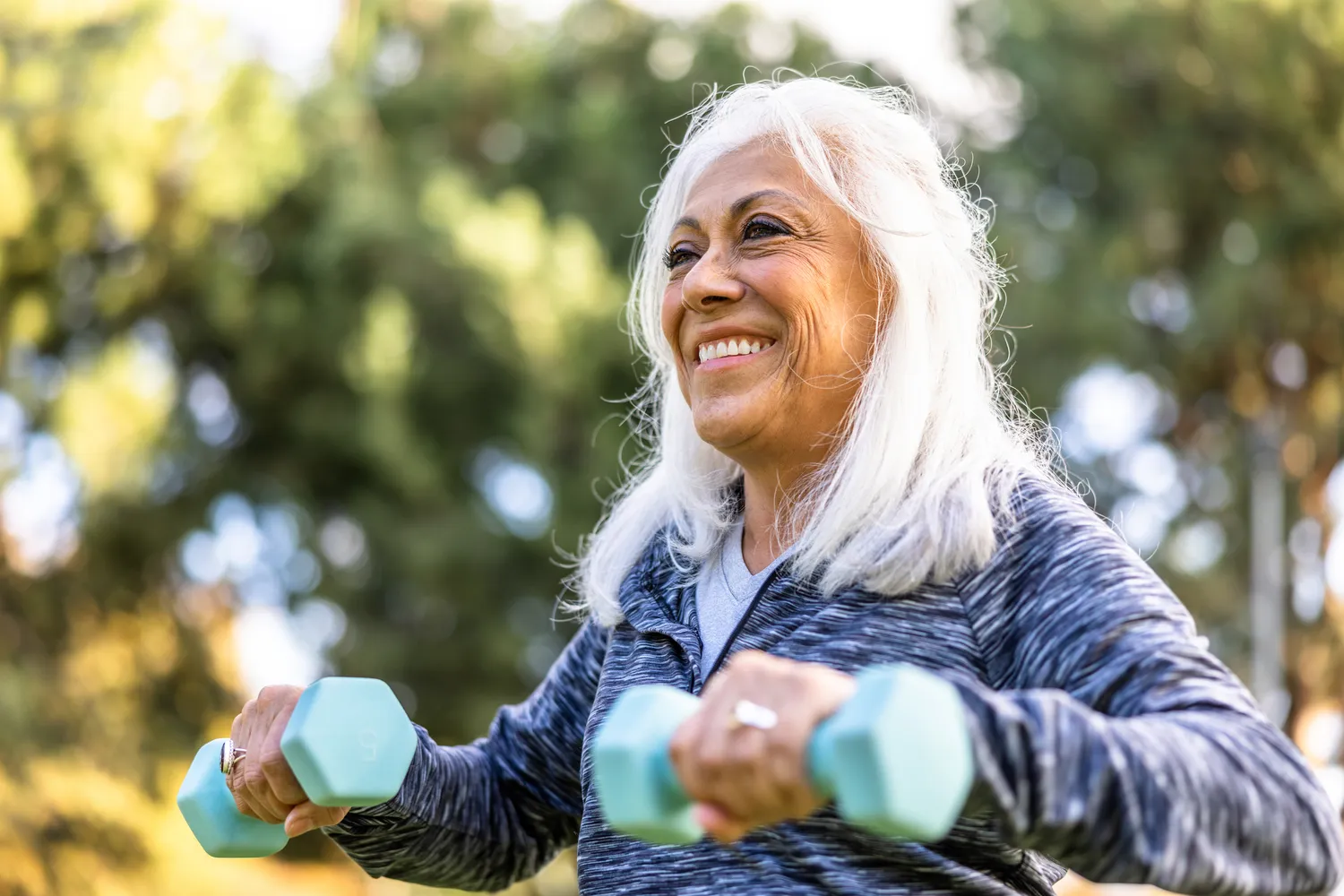
Whether you are power-walking to balance your cortisol levels, navigating a busy commute, or hitting the trails for some much-needed mental clarity, your shoes are the most critical piece of equipment you own. As women, our biomechanics are unique—we typically have wider hips, which affects our "Q-angle" and how our feet strike the ground, and we are often more prone to conditions like plantar fasciitis and bunions. Using the wrong footwear isn't just a matter of discomfort; it’s a recipe for injury.
To help you find your perfect fit, our team conducted a rigorous month-long testing phase. We tasked 42 different testers with evaluating over 100 unique pairs of walking shoes in real-world conditions. From city pavements to rugged trails, we looked for the "holy grail" of footwear: the perfect balance of support, style, and longevity.
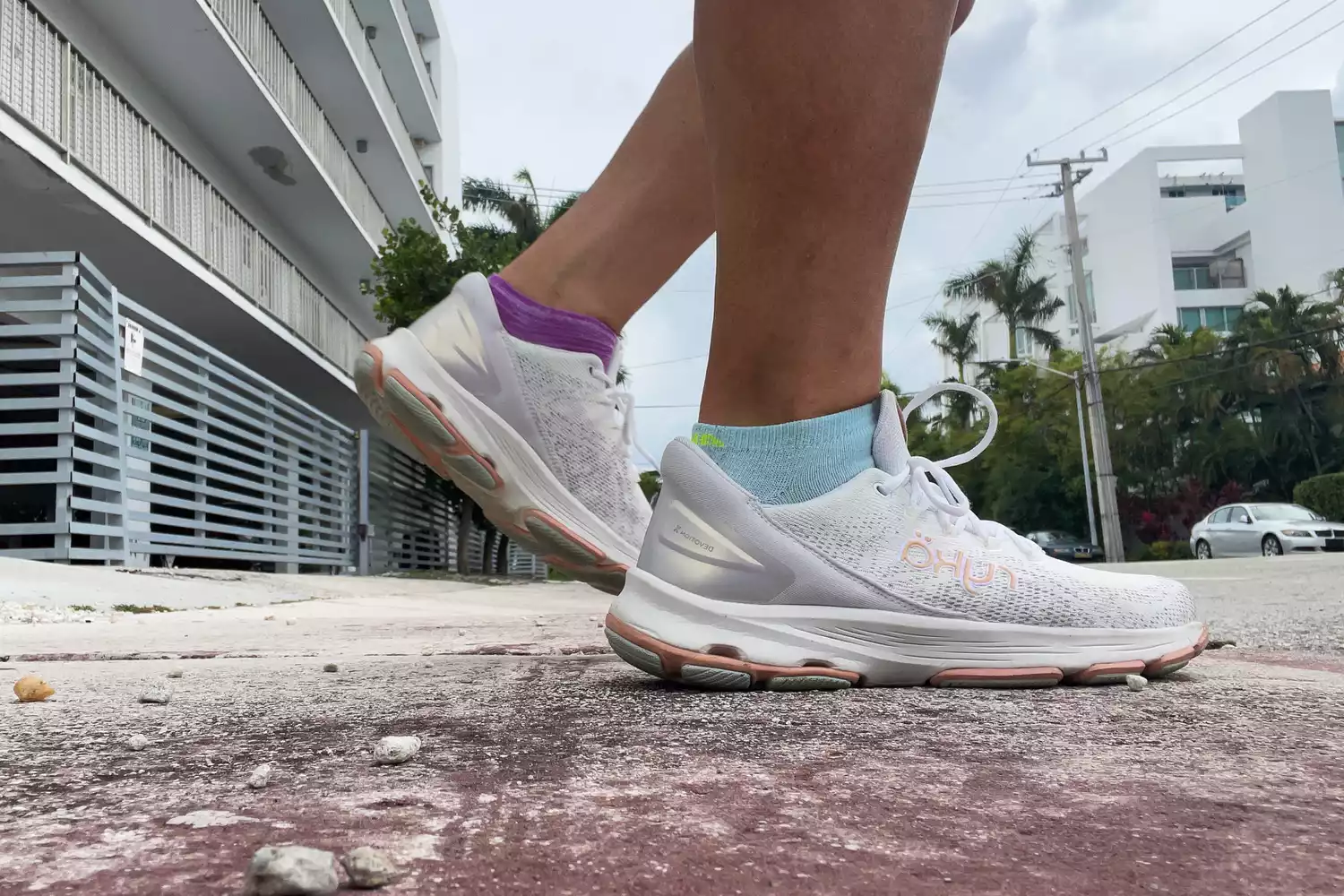
If you’re looking for the short answer, the Ryka Devotion X is our top overall pick for 2025. It stands out for its exceptional responsiveness and a design built specifically for the female foot shape. However, because every foot tells a different story, we’ve categorized our favorites to help you find exactly what you need.
2025 Best Walking Shoes at a Glance
| Category | Shoe Model | Key Feature |
|---|---|---|
| Best Overall | Ryka Devotion X | Female-specific fit & high energy return |
| Best Budget | Skechers Go Walk Flex | Pillow-like comfort & machine washable |
| Best Cushioned | ASICS GEL-Nimbus 27 | Maximum shock absorption for joints |
| Best for Flat Feet | Vionic Captivate | Podiatrist-designed arch support |
| Best for Trails | Altra Lone Peak 9 | Zero-drop with superior trail grip |
| Best Rocker | Nike Motiva | Effortless forward-motion geometry |
The 12 Best Walking Shoes for Women
1. Best Overall: Ryka Devotion X
Ryka has always been a brand "for women, by women," and the Devotion X is the pinnacle of that mission. Unlike many brands that simply "shrink and pink" a men's shoe, the Devotion X is built on a narrower heel and a roomier forefoot to accommodate the natural female foot shape. During our testing, this shoe received the highest marks for its "RE-ZORB" responsive cushioning, which provides a springy feel that prevents foot fatigue even after 10,000 steps.
- Key Specs: 8.7 oz, 10mm drop, breathable mesh upper.
- Best For: Daily fitness walkers who need consistent support and responsiveness.
- Pros: Exceptional arch support; narrow heel prevents slipping; lightweight.
- Cons: Aesthetics are very "athletic," might not pair well with non-gym clothes.
2. Best Budget: Skechers Go Walk Flex Alani
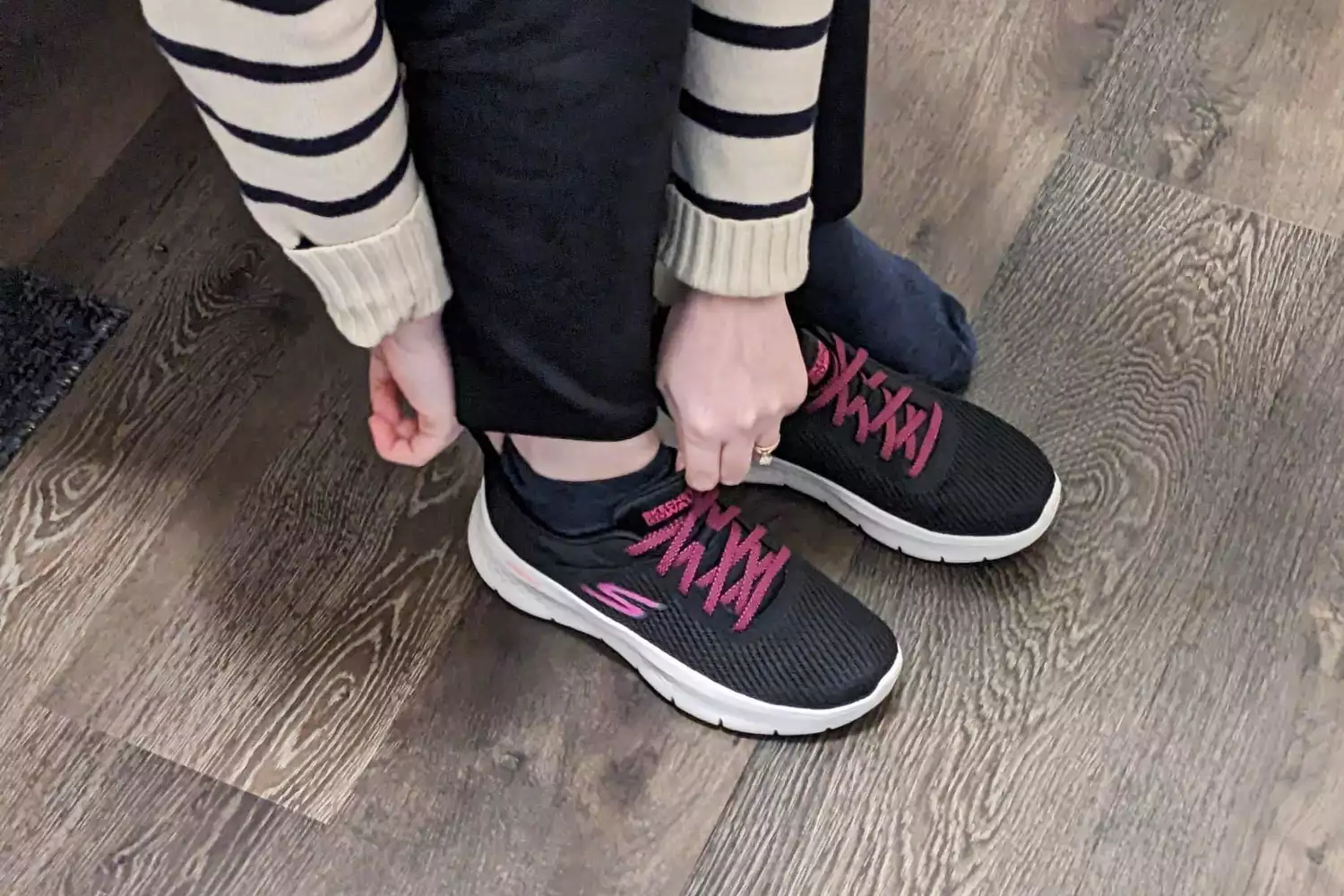
You don't have to spend a fortune to protect your joints. The Skechers Go Walk Flex Alani is proof that high-level comfort can be accessible. Our testers loved the "step-in" feel of these shoes, noting that they felt like wearing a supportive pair of clouds. The bungee laces mean no fumbling with knots, making them a favorite for busy moms and seniors alike.
- Key Specs: 7 oz, 9mm drop, machine-washable materials.
- Best For: Casual daily wear, errands, and short-to-medium walks.
- Pros: Extremely affordable; very lightweight; easy to clean.
- Cons: Lacks the structured stability needed for long-distance power walking.
3. Best Lightweight: On Women’s Cloud 6
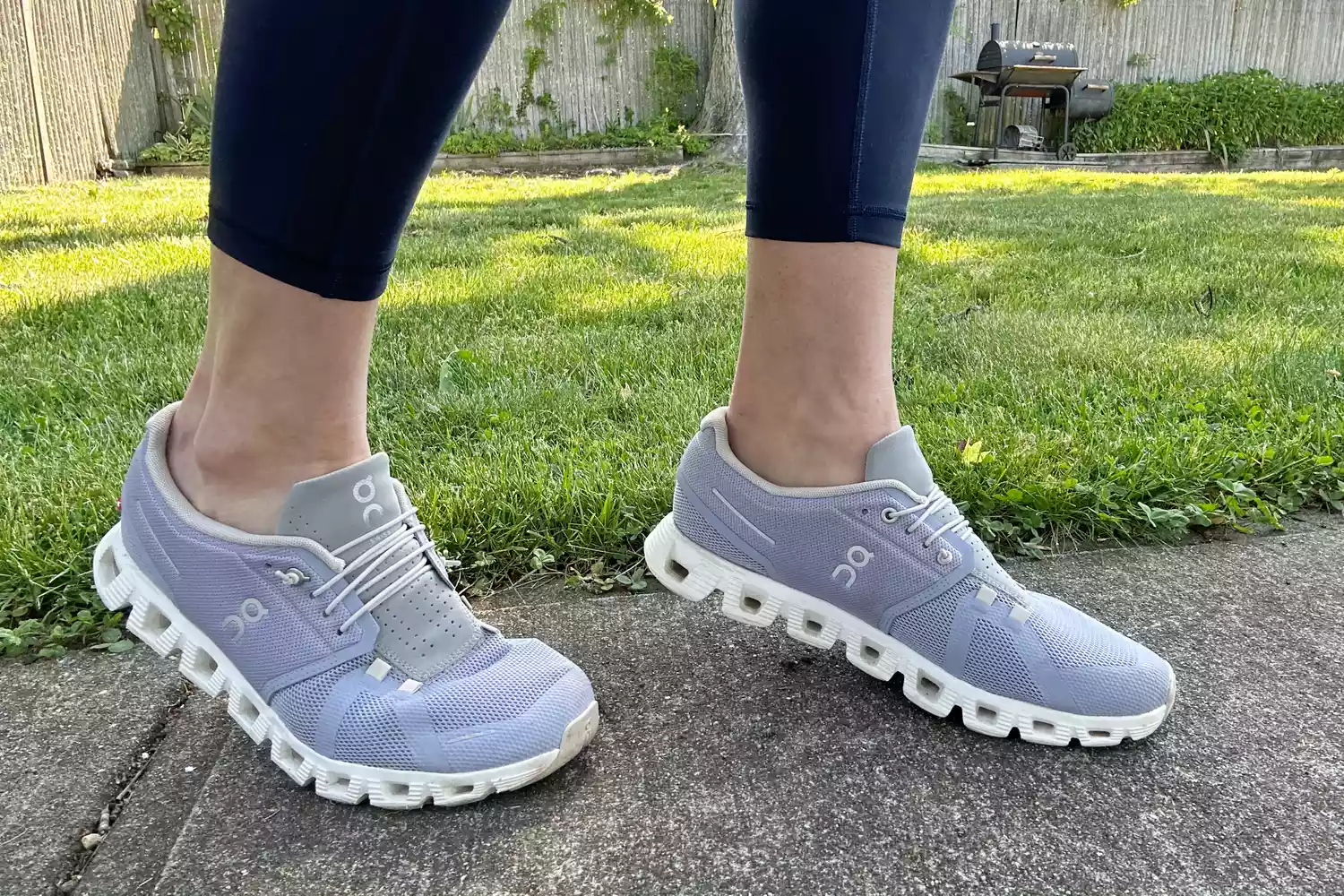
If you prefer a shoe that feels like an extension of your foot rather than a heavy boot, the On Cloud 6 is a standout. Using their signature CloudTec® technology, these shoes provide "cushioned landings and explosive takeoffs." They are incredibly breathable, making them our top choice for summer walks or humid climates.
- Key Specs: 7.2 oz, 7mm drop, recycled mesh.
- Best For: Warm weather and those who prioritize a minimalist, stylish aesthetic.
- Pros: Trendy design; signature speed-lacing system; highly breathable.
- Cons: Stones can sometimes get stuck in the "cloud" pods of the outsole.
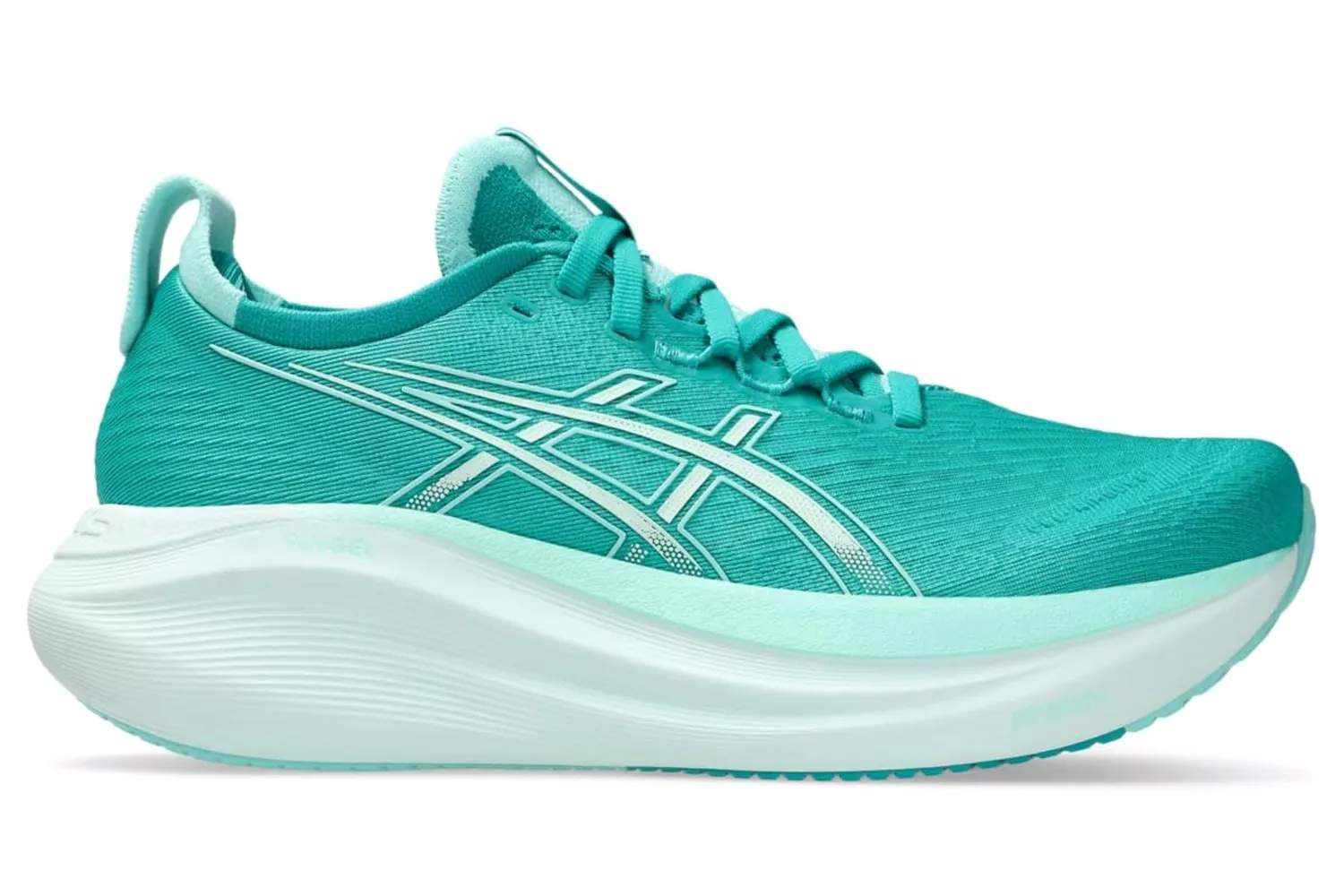
4. Best Cushioned: ASICS GEL-Nimbus 27
For those of us dealing with joint sensitivity or who spend long hours on hard pavement, the GEL-Nimbus 27 is a lifesaver. ASICS has packed this model with FF Blast Plus foam, which creates a plush, maximalist feel. It’s designed to absorb the impact that would otherwise travel up your shins and into your knees.
- Key Specs: 9.3 oz, maximum stack height.
- Best For: Long-distance walking on concrete and recovery days.
- Pros: Unrivaled impact protection; smooth heel-to-toe transition.
- Cons: Higher stack height can feel slightly less stable on uneven ground.
5. Best for Plantar Fasciitis: Orthofeet Kita Hands-Free
Plantar fasciitis can be debilitating, often feeling like a sharp stab in the heel every morning. The Orthofeet Kita is medically engineered to solve this. It comes with a premium orthotic insole that includes anatomical arch support and a padded heel seat. Our testers with chronic foot pain reported a significant reduction in discomfort within just one week of use.
- Key Specs: 9.7 oz, 12mm drop, available in narrow, medium, and wide.
- Best For: Women dealing with heel pain, diabetes, or arthritis.
- Pros: Hands-free entry (no bending over); includes extra arch boosters.
- Cons: Heavier than a standard sneaker; therapeutic look.
Sophie’s Note: If you struggle with plantar fasciitis, look for a shoe with a firm heel counter. If you can push the back of the shoe in easily with your thumb, it likely doesn't have the stability you need to protect your fascia.
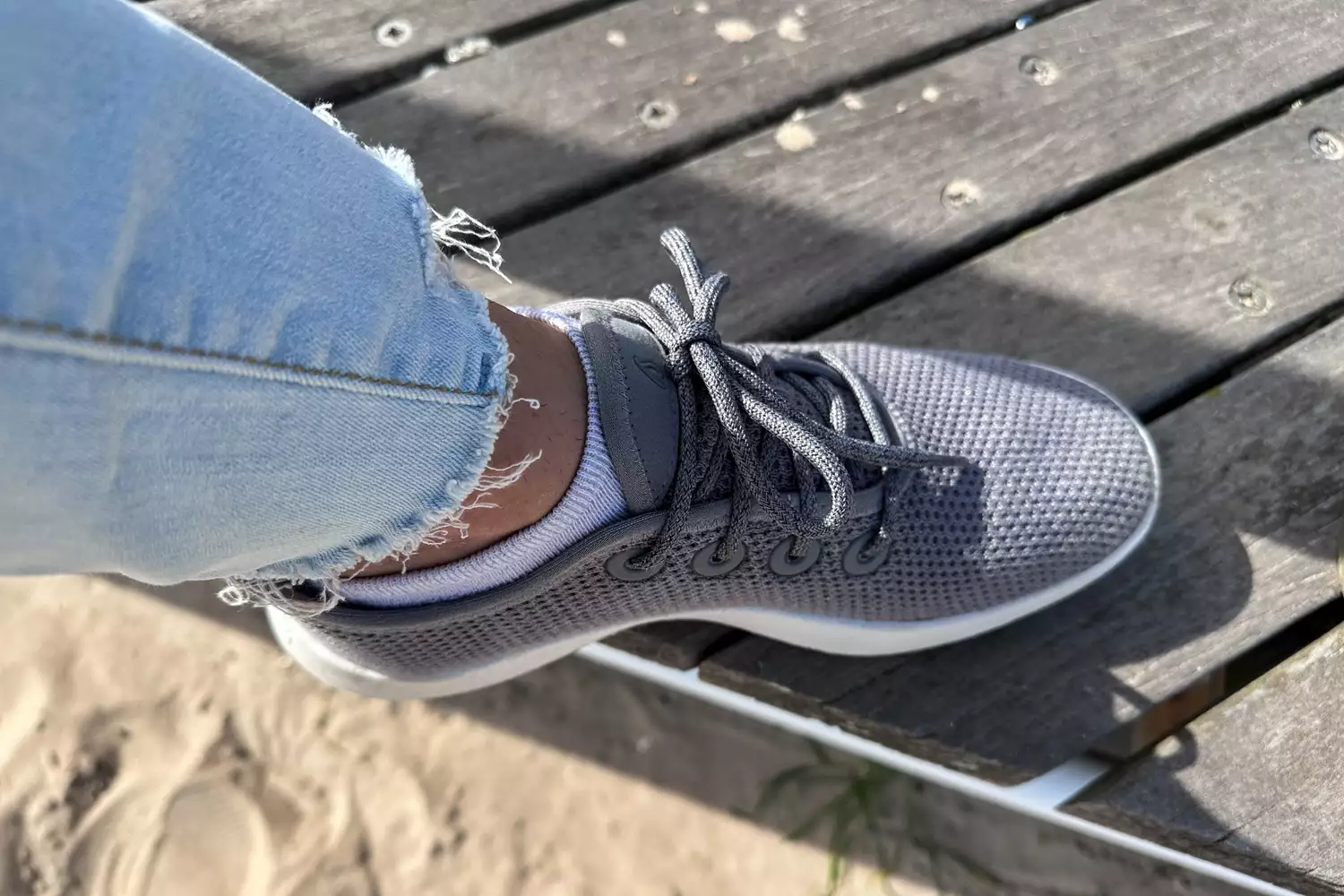
6. Best for Travel: Allbirds Tree Runners
When packing for a trip, space and versatility are key. The Allbirds Tree Runners are made from sustainable eucalyptus tree fiber, which is naturally cooling and odor-resistant. They are flexible enough to be squashed into a carry-on but supportive enough for a 20,000-step day exploring a European city.
- Key Specs: 8 oz, renewable materials.
- Best For: Sightseeing, airports, and light walking.
- Pros: Machine washable; eco-friendly; stylish enough for casual dinners.
- Cons: Not enough support for vigorous exercise or hilly terrain.
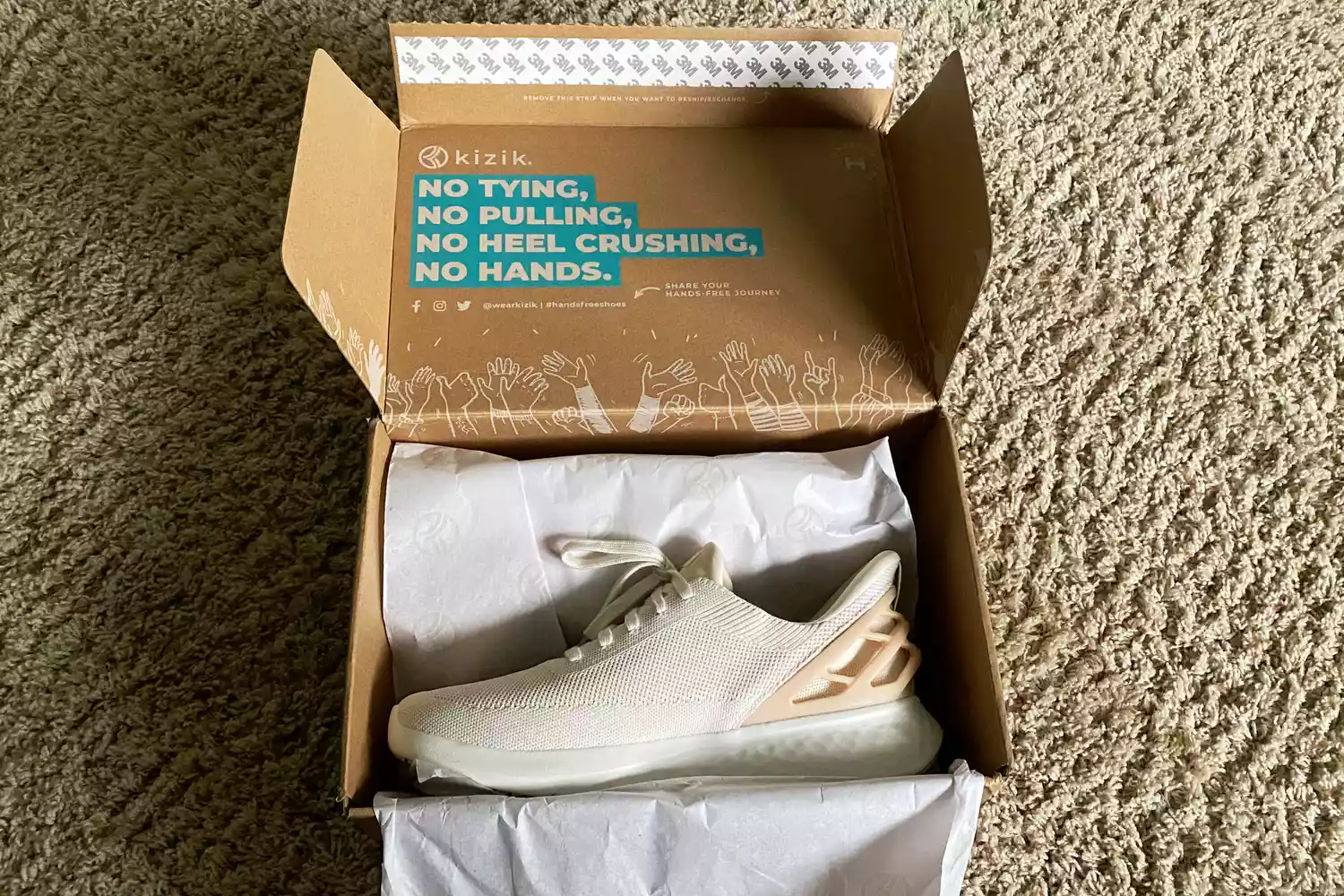
7. Best for Wide Feet: Kizik Athens 2
Finding a shoe that doesn't squeeze the life out of your metatarsals can be a challenge. Kizik’s Athens 2 offers a generous toe box that is perfect for women with wider feet or those prone to bunions. The real magic, however, is the "Heel Rebound" technology, which allows you to step into the shoe without using your hands or a shoehorn.
- Key Specs: 11.2 oz, wide sizes available.
- Best For: Accessibility needs and wide-foot comfort.
- Pros: Truly hands-free; spacious fit; durable outsole.
- Cons: The "pop-up" heel adds a bit of weight to the back of the shoe.
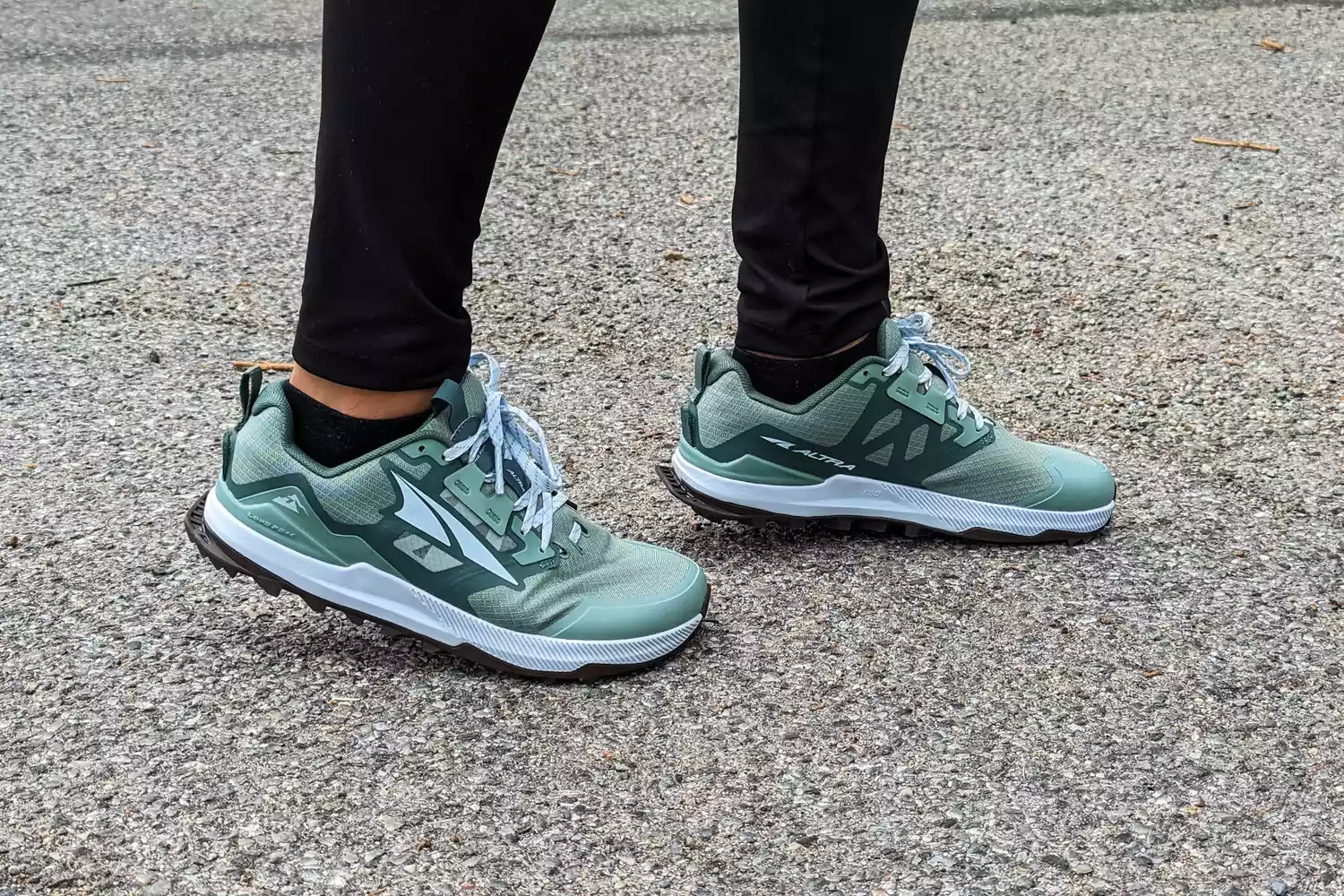
8. Best for Trails: Altra Lone Peak 9
Walking in nature requires a different kind of support. The Altra Lone Peak 9 features a "Zero Drop" platform, meaning your heel and forefoot are at the same height, mimicking your natural barefoot position. Its MaxTrac outsole with multi-directional lugs provides incredible grip on mud, loose gravel, and steep inclines.
- Key Specs: 8.7 oz, 0mm drop.
- Best For: Hiking, trail walking, and off-road adventures.
- Pros: Wide "FootShape" toe box allows toes to splay naturally; excellent traction.
- Cons: Zero-drop shoes require a transition period if you're used to high heels.
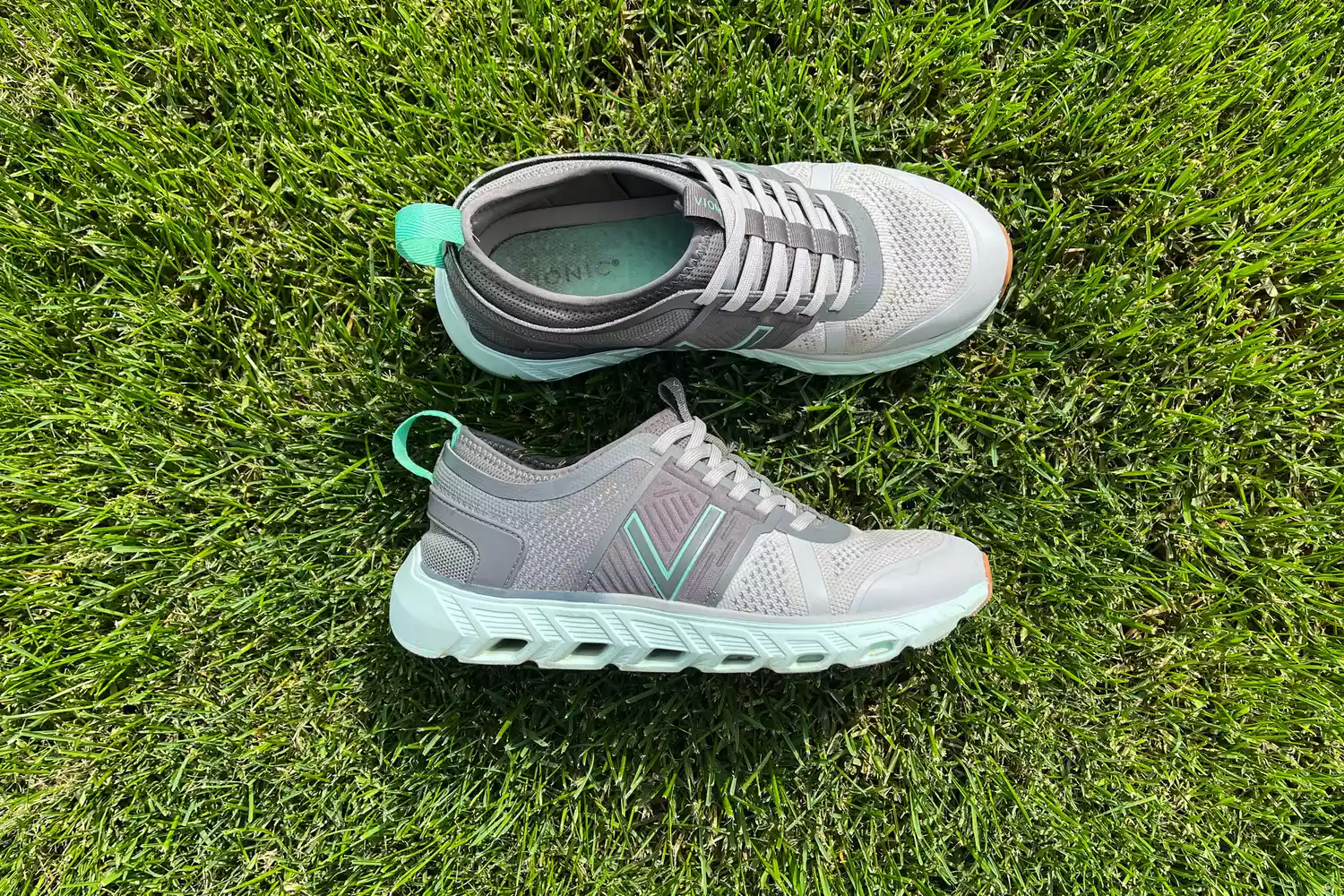
9. Best for Flat Feet: Vionic Captivate
For women with flat feet (low arches), support is everything. Without it, the foot "overpronates"—rolls inward—causing a chain reaction of pain in the ankles and knees. The Vionic Captivate features podiatrist-designed Vio-Motion technology. It’s earned the APMA (American Podiatric Medical Association) Seal of Acceptance for its ability to promote proper alignment.
- Key Specs: 9 oz, APMA-approved.
- Best For: Overpronation and low arches.
- Pros: Deep heel cup for stability; firm yet comfortable arch support.
- Cons: The firm insole can feel "stiff" to those used to memory foam.
10. Best Performance Runner/Walker: Brooks Ghost 17
Many walkers prefer the structure of a running shoe. The Brooks Ghost 17 is a legendary neutral shoe that transitions perfectly from a morning jog to a brisk walk. It uses DNA Loft v3 nitrogen-infused foam, which provides a balanced feel—neither too soft nor too firm.
- Key Specs: 9 oz, DNA Loft v3 foam.
- Best For: Hybrid workouts and those who like a traditional sneaker feel.
- Pros: Reliable durability; high-quality mesh upper; very stable.
- Cons: Traditional 12mm drop might feel too "steep" for some.
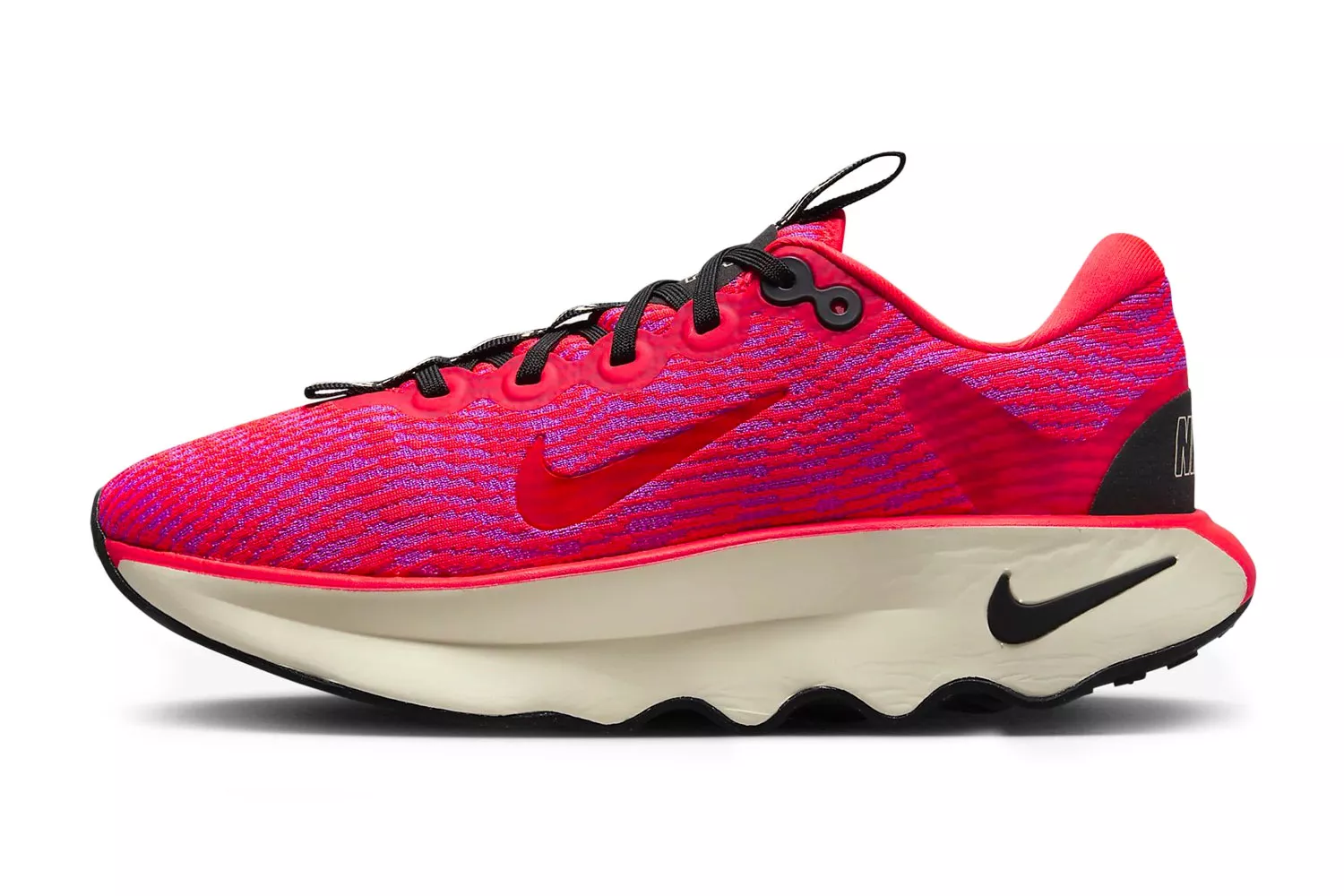
11. Best Rocker Design: Nike Motiva
Nike conducted extensive research on the biomechanics of walking to create the Motiva. It features a unique "rocker" geometry that literally helps propel your stride forward. This reduces the energy required for each step, making long walks feel shorter and more efficient.
- Key Specs: 8.9 oz, exaggerated rocker outsole.
- Best For: Fast-paced walking and reducing fatigue on long treks.
- Pros: Distinctive, modern look; helps maintain a consistent pace.
- Cons: The rocker shape can feel "wobbly" if you are standing still for long periods.
12. Best for Maximum Stability: Hoka Gaviota 5
If you are an overpronator who needs serious corrective support, the Gaviota 5 is the answer. It uses Hoka's "H-Frame" technology to keep your foot centered without the harsh feel of traditional stability posts. It's plush, wide, and incredibly secure.
- Key Specs: 9.1 oz, H-Frame stability.
- Best For: Severe overpronation and those needing a wide, stable base.
- Pros: Corrects gait without sacrificing cushioning; very comfortable.
- Cons: High-volume "chunky" look isn't for everyone.
Buying Guide: How to Choose Your Perfect Walking Shoe
Finding the right shoe is an investment in your long-term health. Here is what I tell my readers to look for before they hit the checkout button:
1. The Sandwich Test
This is the quickest way to tell if a shoe is supportive. Hold the shoe by the heel and the toe and try to fold it in half. If the shoe bends completely in the middle like a sandwich, it lacks the structural integrity to support your arches. A good walking shoe should only bend at the forefoot (where your toes naturally flex).
2. Understanding "Drop"
The "heel-to-toe drop" is the difference in height between the heel and the forefoot.
- High Drop (10mm-12mm): Great for people with Achilles tendon issues or those who strike heavily on their heels.
- Low/Zero Drop (0mm-5mm): Better for a more "natural" gait, but requires stronger calves and a transition period.
3. When to Say Goodbye
Support is not infinite. Walking shoes should be replaced every 350 to 500 miles. For the average person walking 3–5 miles a day, that translates to every 6 to 8 months. Even if the treads look fine, the internal foam "deadens" over time, losing its ability to absorb shock.
4. Know Your Arch
- Flat Feet: Look for "Stability" or "Motion Control" shoes with firm arch support (e.g., Vionic, Hoka Gaviota).
- High Arches: You need "Neutral" shoes with extra cushioning to absorb the shock that your rigid arches cannot (e.g., ASICS GEL-Nimbus).
- Neutral Arches: You have the most flexibility, but still need a shoe with a firm heel counter and moderate cushioning.
How We Tested
Our testing process for the 2025 list was our most comprehensive yet. We recruited 42 testers—ranging in age from 24 to 72—with various foot types, including flat feet, high arches, and those recovering from plantar fasciitis.
Over a four-week period, each tester wore a minimum of three different pairs of shoes, logging at least 50 miles per pair. We evaluated them on five key metrics:
- Fit: Was there any rubbing, slipping, or toe-pinching?
- Cushioning: Did the foam maintain its "bounce" after 50 miles?
- Stability: Did the shoe feel secure on uneven surfaces?
- Breathability: Did feet overheat during long, brisk walks?
- Durability: Did the outsole or upper show premature signs of wear?
We also consulted with three board-certified podiatrists to ensure that our recommendations align with medical standards for foot health and injury prevention.
FAQ
Are running shoes and walking shoes the same? Not exactly. Runners land with more force and usually strike the midfoot or forefoot, while walkers land on their heels with about 1.5 times their body weight. Walking shoes are designed with more heel cushioning and more flexibility in the forefoot to accommodate the "rolling" motion of a walking stride.
Can I wear walking shoes if I have bunions? Yes, but look for shoes with a "wide toe box" or knit uppers that can stretch. Avoid shoes with heavy overlays or stitching across the widest part of the foot, as these will cause friction and pain.
Do I need to buy a half-size larger? Often, yes. Your feet naturally swell during a long walk. We recommend having about a thumb’s width of space between your longest toe and the end of the shoe.
Final Thoughts
Your health starts from the ground up. Whether you choose the all-around excellence of the Ryka Devotion X or the orthotic support of the Vionic Captivate, the most important step is simply to start. Walking is one of the most effective, low-impact ways to improve your cardiovascular health, regulate your mood, and strengthen your bones.
Don't let foot pain be the reason you stay on the couch. Invest in a pair of shoes that makes you feel excited to head out the door. Your body will thank you ten thousand steps from now.
Ready to start your journey? Grab your favorite pair from the list above and join our [Walking for Wellness Community] for weekly tips and motivation!