In the world of modern wellness, we’ve moved past the "low-fat, high-cardio" obsession of the early 2000s and into an era focused on metabolic flexibility. Two giants dominate this landscape: Intermittent Fasting (IF) and the Ketogenic Diet (KD). While they are often grouped together in social media hashtags, they operate on fundamentally different principles. If you’re looking to optimize your health in 2025, the real question isn't just about which one helps you lose weight faster, but which one helps you keep it off while feeling your best.
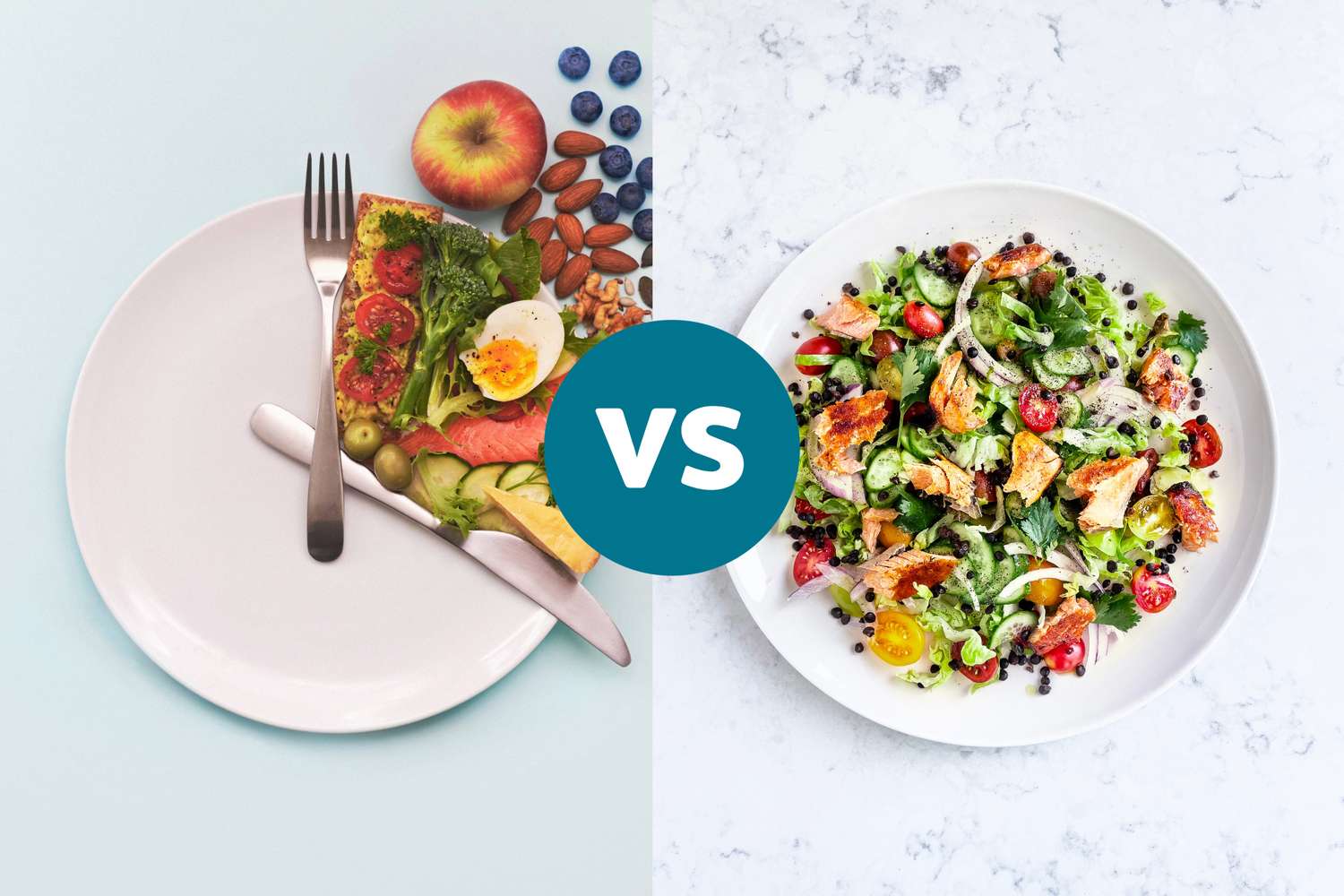
The primary difference is simple but profound: Intermittent fasting regulates when you eat, while the ketogenic diet dictates what you eat. Fasting focuses on time-restricted feeding windows to let your insulin levels drop, whereas keto focuses on a high-fat, ultra-low-carbohydrate intake to force your body into a state of nutritional ketosis. While both are powerful tools for fat loss and metabolic health, their impact on your daily life, hormones, and long-term adherence varies significantly.
The Metabolic Switch: How They Work
To understand which diet is right for you, we have to look at what actually happens inside your body. Both methods aim to flip the "metabolic switch"—moving the body from burning glucose (sugar) for energy to burning ketones (fat).
Intermittent Fasting works by extending the period your body spends in a fasted state. When you don't eat for 16 hours (a common 16:8 approach), your insulin levels plummet, and your body begins to tap into stored glycogen in the liver. Once those stores are low, it starts mobilizing fat for fuel. It’s less about restricting calories and more about hormonal timing.
The Ketogenic Diet takes a different route. By consuming roughly 70–75% of your calories from fat and keeping carbohydrates under 50 grams per day, you keep insulin chronically low. This forces the liver to produce ketones constantly. Unlike fasting, where you might dip in and out of ketosis, a strict keto diet aims to keep you in that fat-burning state 24/7.
| Feature | Intermittent Fasting (IF) | Ketogenic Diet (KD) |
|---|---|---|
| Primary Focus | When you eat (Timing) | What you eat (Composition) |
| Metabolic State | Intermittent Ketosis | Sustained Nutritional Ketosis |
| Typical Macros | Flexible (Anything goes in the window) | 75% Fat, 20% Protein, 5% Carbs |
| Primary Benefit | Digestive rest and simplicity | Rapid fat loss and hunger suppression |
| Ease of Adherence | High (fewer food restrictions) | Moderate to Low (requires tracking) |
Weight Loss Performance: Short-Term vs. Long-Term
If you are looking for the best diet for fat loss 2025, the data suggests that speed and sustainability don't always go hand in hand.
In the short term—specifically the first 12 weeks—the ketogenic diet almost always wins on the scale. This is partly due to rapid fat oxidation, but also because of water loss. Since carbohydrates hold onto water in your muscles, cutting them out leads to a significant "whoosh" of weight early on. Research consistently shows that the high fat and protein content of keto is incredibly satiating, making it easier to maintain a calorie deficit without the "hangry" feelings associated with traditional dieting.
However, when we look at the 6-month and 1-year marks, the narrative shifts toward Intermittent Fasting. Why? Because IF doesn't require you to give up bread, fruit, or social dinners. Clinical reviews indicate that while keto is highly effective for rapid fat loss, intermittent fasting is often considered more sustainable long-term. Those utilizing time-restricted feeding report higher long-term adherence rates because they can still enjoy a wider variety of nutrients and food groups.
Editor’s Note: If you have a wedding or an event in three months, Keto might be your go-to. If you want a lifestyle change you can still follow three years from now, Fasting is the stronger candidate.
The Power of the "Keto-Fasting" Synergy
Here is where the science gets really exciting for 2025. You don’t actually have to choose one or the other. In fact, combining intermittent fasting with a ketogenic diet can synergistically accelerate the metabolic switch to ketosis, potentially improving insulin sensitivity and weight loss efficiency.
When you are already in a state of nutritional ketosis, your body is "fat-adapted." This means that when you enter your fasting window, your body doesn't panic. It simply continues to burn fat. This eliminates the sluggishness many people feel during the first few hours of a fast.
Furthermore, clinical reviews indicate that combining intermittent fasting with nutritional ketosis can reduce metabolic inflammation markers by up to 25% compared to standard diets. This combination is particularly effective for those dealing with "metabolic syndrome" or pre-diabetes, as it attacks insulin resistance from two different angles: timing and composition.
Strategies for "Keto-Fasting" in 2025:
- The 16:8 Keto Plan: Eat high-fat, low-carb meals between 12:00 PM and 8:00 PM.
- Cyclical Keto: Stay in ketosis during the week and use a 5:2 fasting split (five days of keto, two days of calorie restriction).
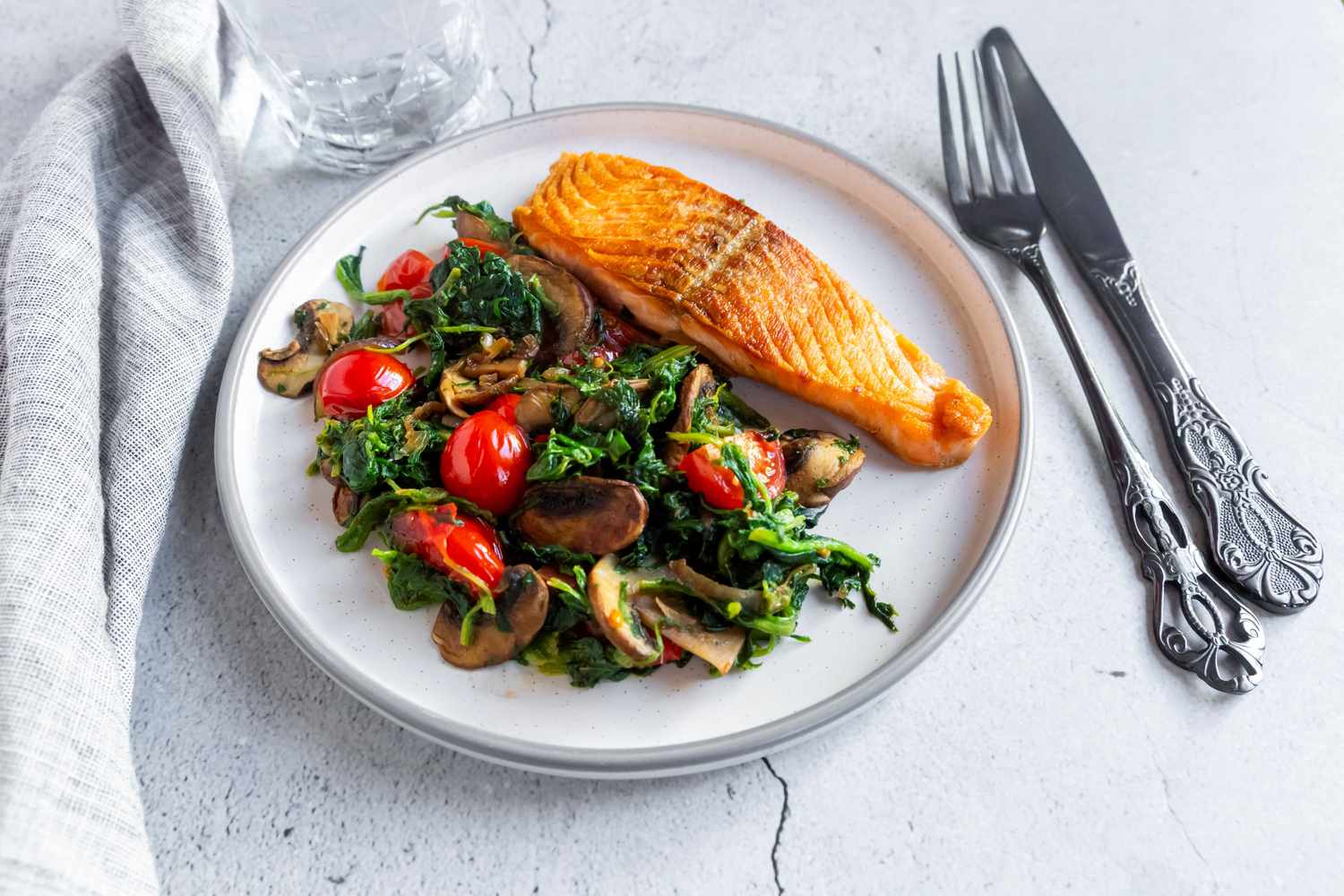
- The Workout Buffer: Break your fast with a high-protein, high-fat meal after a morning workout to maximize muscle preservation.
Health Risks and Reality Checks
No diet is a magic pill, and both IF and Keto come with "fine print" that most influencers ignore.
The most common hurdle is the "Keto Flu." Research suggests that approximately 65% of individuals on a strict ketogenic diet experience symptoms like fatigue, headaches, and brain fog during the first week. This happens as the body loses electrolytes (sodium, magnesium, and potassium) along with that initial water weight. It’s an empathetic reminder that shifting your entire metabolism is hard work for your internal organs.
Then there are the nutrient gaps. A strict ketogenic diet can often be low in fiber, which is essential for gut health. If you aren't careful, you might also see a rise in LDL cholesterol or an increased risk of kidney stones due to high protein and fat intake without sufficient hydration.
Intermittent fasting isn't without its risks, either. For some, especially women, extremely short feeding windows (less than 8 hours) can lead to hormonal disruptions or increased cortisol levels. It can also be a slippery slope for those with a history of disordered eating, as the "fast and feast" cycle can sometimes trigger binging behaviors.
Who Should Choose Which?
The "best" diet is the one you can actually stick to without losing your mind—or your health. Based on the latest metabolic research, here is how I recommend choosing:
Recommended for Athletes and Biohackers: The Ketogenic Diet
If your goal is peak physical performance, specifically in endurance sports, or if you need to manage blood sugar issues strictly, Keto is a powerful tool. It provides a steady stream of energy that prevents the "bonking" or "hitting the wall" often felt by carb-reliant athletes.
Recommended for Busy Professionals: Intermittent Fasting (16:8)
If you have a high-stress job and a packed social calendar, the simplicity of 16:8 fasting is unmatched. You don't have to worry about the hidden carbs in a business lunch or the macros in a quick airport snack. You simply manage the clock. It provides mental clarity during the morning "fasted" hours without the social isolation that often comes with strict keto.
FAQ
Can I drink black coffee while fasting? Yes. In fact, black coffee can enhance the effects of fasting. The caffeine can slightly boost metabolism, and because it contains no calories or macronutrients, it does not spike insulin or break your fasted state. Just skip the sugar and cream!
Is 'Dirty Keto' as effective as 'Clean Keto'? "Dirty Keto" refers to reaching ketosis by eating processed foods (like fast food burgers without the bun). While you will still lose weight because you are in ketosis, you miss out on the anti-inflammatory benefits of "Clean Keto," which focuses on whole foods like avocado, grass-fed meats, and leafy greens. Long-term health depends on the quality of your fats.
Is keto-fasting safe for everyone? No. Individuals with a history of disordered eating, Type 1 diabetics, pregnant or breastfeeding women, and those with advanced kidney disease should avoid these restrictive patterns unless under direct medical supervision. Always consult your doctor before making a significant metabolic shift.
The Bottom Line
In the battle of intermittent fasting vs keto, there isn't a single winner—only the right tool for your specific lifestyle. If you want rapid fat loss and have the discipline to track every bite, the ketogenic diet is incredibly effective. If you want a flexible, sustainable way to improve your metabolic health and simplify your life, intermittent fasting is likely your best bet.
However, for those looking to truly master their metabolism in 2025, the "middle ground" of a low-carb lifestyle paired with a moderate fasting window offers the best of both worlds: the fat-burning power of ketones with the long-term sustainability of time-restricted eating. Whatever path you choose, remember that consistency will always outperform intensity. Listen to your body, prioritize whole foods, and give your metabolism the time it needs to adapt.