Quick Summary
- The Root Causes: Delayed wound healing often stems from systemic issues like poor circulation, unmanaged blood sugar, or chronic stress that suppresses the immune response.
- Nutritional Gaps: Deficiencies in Vitamin C, Zinc, B12, and Protein act as missing building blocks for tissue regeneration.
- Lifestyle Interference: Smoking, poor sleep, and dehydration significantly restrict oxygen delivery and cellular repair.
- The Healing Process: Recovery occurs in four distinct stages; a disruption in any one of these—Hemostasis, Inflammation, Proliferation, or Remodeling—can cause a wound to stall.
- Key Action: Improving protein intake (up to 1.5g per kg) and managing cortisol levels are essential expert-backed strategies for faster repair.
We often think of our skin as a simple protective barrier, but in the world of preventive healthcare, we view it as a "biological mirror." When a minor kitchen nick, a stubborn acne mark, or a surgical incision refuses to close after several weeks, your skin is attempting to communicate a deeper message about your internal physiological state. Most of the time, slow-healing wounds aren’t just a localized skin problem; they are a sign that your body’s complex repair machinery is being hindered by underlying factors like poor circulation, high blood sugar, or elevated cortisol from chronic stress.
Understanding why your skin isn't healing requires us to look beyond the bandage. In my years focusing on lifestyle optimization, I’ve found that the most "surprising" reasons for delayed recovery are often found in our daily routines—what we eat, how we sleep, and even the medications we take for unrelated issues.
The Four Stages of Repair: What Happens When You Bleed
To understand why repair stalls, we must first appreciate the intricate choreography of wound healing. It is not a single event but a four-act play. If one actor misses their cue, the entire production comes to a halt.
| Stage | Process | Typical Duration | Potential Disruptors |
|---|---|---|---|
| 1. Hemostasis | Blood vessels constrict; platelets form a plug (clot). | Seconds to Minutes | Anticoagulants, Aspirin, Vitamin K deficiency. |
| 2. Inflammation | White blood cells flood the area to kill bacteria. | 1 to 4 Days | Chronic stress (high cortisol), Steroids, Autoimmune issues. |
| 3. Proliferation | New tissue (granulation) and collagen fill the wound. | 4 to 24 Days | Low Vitamin C, Zinc deficiency, Poor oxygen/circulation. |
| 4. Remodeling | Collagen is reorganized and the scar strengthens. | 21 Days to 2 Years | Inadequate protein, Lack of sleep, Dehydration. |
Medical Conditions That Block Recovery
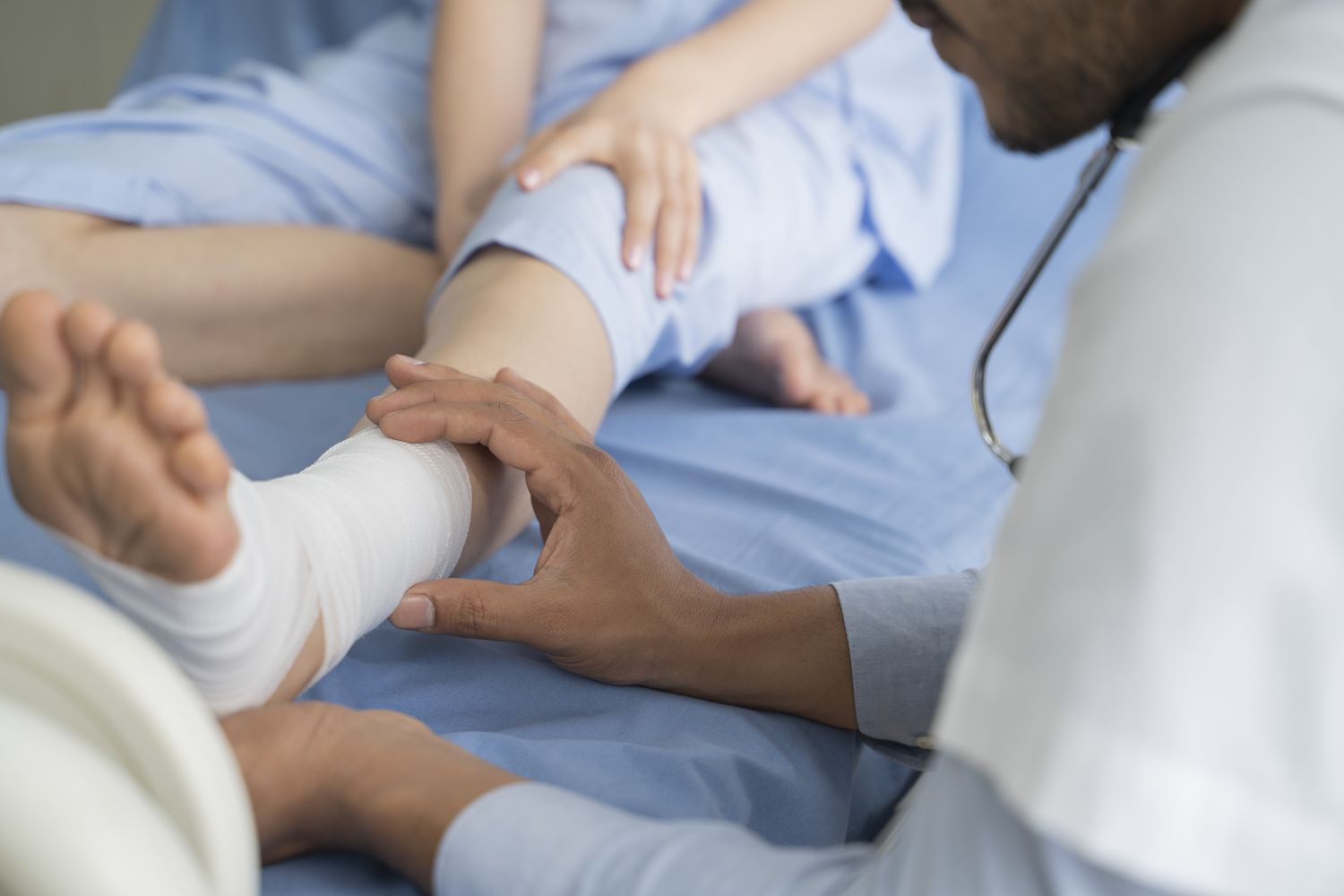
When a patient tells me, "This cut just won't go away," my first instinct is to look at their systemic health. Often, the body is willing to heal but lacks the delivery system to get the necessary "supplies" to the wound site.
1. Poor Circulation & Vascular Issues
Healing is an oxygen-intensive process. Blood is the vehicle that carries oxygen, white blood cells, and nutrients to the site of injury. If you have peripheral artery disease (PAD) or venous insufficiency, the delivery truck simply isn't reaching its destination. Without adequate blood flow, the "Proliferation" stage stalls because cells cannot generate the energy needed to build new tissue.
2. Unmanaged Diabetes
This is perhaps the most significant medical barrier to healing. High blood sugar (hyperglycemia) causes the cell walls to become stiff and rigid, impairing microcirculation. Furthermore, elevated glucose levels negatively affect the function of white blood cells, which are your body's primary defense against wound infection. Statistics show that up to 15% of individuals with chronic conditions like diabetes face a significantly higher risk of non-healing skin ulcers due to this impaired microcirculation.
3. Undiagnosed Anemia
If blood flow is the "delivery truck," hemoglobin is the "cargo box" for oxygen. When you are iron-deficient or anemic, the blood that reaches the wound is "empty." Without oxygen, collagen synthesis—the scaffolding of your skin—cannot occur. If you feel chronically fatigued and your wounds are slow to heal, a simple blood panel to check ferritin and hemoglobin levels is a vital first step.
4. Autoimmune Factors
Conditions like Lupus, Rheumatoid Arthritis, or Psoriasis can put the immune system in a state of confusion. Instead of focusing on the "Cleanup" during the Inflammation stage, the body may over-react or even attack the healthy new tissue being formed. This creates a cycle of chronic inflammation where the wound never progresses to the rebuilding phase.

Nutritional Deficiencies: The Missing Building Blocks
In the context of holistic wellness, I often tell my readers: "You cannot build a house without bricks and mortar." Your body views wound healing as a high-energy construction project. If you are missing key micronutrients, the construction site will be abandoned.
5. Low Vitamin C
Vitamin C is much more than an immune booster; it is the essential cofactor for collagen synthesis. Specifically, it helps "cross-link" collagen fibers, giving your new skin its strength. Without it, the wound might "close" but will remain fragile and prone to reopening.
6. Zinc Deficiency
Zinc is required for cell division and protein synthesis. Every time a cell replicates to fill a wound gap, it uses zinc. Even a marginal deficiency can delay the Proliferation stage by several days. If you notice your skin feels "thin" or takes weeks to heal from a simple scratch, consider your intake of zinc-rich foods like pumpkin seeds, legumes, or lean meats.
7. Vitamin B12 & Protein Gaps
Protein is the literal "building block" of every tissue in your body. During recovery, your body's demand for amino acids (specifically arginine and glutamine) skyrockets. Vitamin B12, on the other hand, is crucial for creating the red blood cells that transport the "building materials." I refer to Vitamin C, Zinc, B12, and Protein as the Healing Quartet—if one is missing, the music stops.
Expert Tip: Many people under-consume protein during recovery because they don't feel "hungry" while injured. However, this is precisely when your metabolic demand is highest. Focus on "nutrient density" over "calorie count."
The Impact of Modern Lifestyle & Habits
We often underestimate how our daily choices—many of which seem unrelated to skin health—dictate our body's ability to repair itself.
8. Chronic Stress & Cortisol
When you are stressed, your body enters "survival mode," prioritizing immediate energy for the brain and muscles while de-prioritizing "non-essential" functions like skin repair. Chronic stress floods the body with cortisol, a hormone that is naturally anti-inflammatory. While that sounds good, controlled inflammation is actually required during Stage 2 of healing to kill bacteria. Excessive cortisol suppresses this essential phase, leaving the wound vulnerable and slow to progress.
9. Poor Sleep Quality
Regeneration happens while you sleep. This is when the body releases Growth Hormone (GH), which stimulates the production of the cells that repair skin. If you are surviving on five hours of interrupted sleep, you are essentially cutting your body’s "repair shift" in half.
10. Dehydration & Alcohol
Skin needs hydration to maintain its elasticity and to allow cells to migrate across the wound bed. Alcohol is a double-threat: it dehydrates the body and acts as a peripheral vasodilator, which can increase swelling and interfere with the initial clotting process (Hemostasis).
11. Vaping & Smoking
Nicotine is a potent vasoconstrictor—it literally "shrinks" your blood vessels. Research has shown that even a single cigarette can reduce tissue oxygenation for nearly an hour. For a wound to heal, it needs a constant, wide-open "highway" of blood flow, which smoking effectively bottlenecks.
12. Surprising Medication Factors
Finally, we must consider what’s in your medicine cabinet. Some medications, while necessary for other conditions, can have the "side effect" of slowing your skin's repair mechanisms:
- Glucocorticoids (like Prednisone): These are designed to stop inflammation, but as we’ve discussed, some inflammation is necessary for healing.
- Chemotherapy: These drugs target fast-dividing cells. Unfortunately, the cells trying to heal your skin are also fast-dividing.
- GLP-1 Drugs (Weight Loss Medications): While revolutionary for metabolic health, rapid weight loss can sometimes lead to temporary protein malabsorption or "muscle wasting" if not managed with high-protein intake, indirectly delaying wound repair.
Expert Protocol: How to Speed Up Skin Repair
If you find yourself struggling with slow-healing wounds, it’s time to move from a "wait and see" approach to an active recovery protocol.
- Optimize Your Protein Intake: Clinical data suggests that increasing protein intake to 1.5g per kg of body weight can accelerate collagen synthesis by approximately 20-30% in post-surgical recovery. If you weigh 70kg, that's about 105g of protein per day.
- The "Moist" Environment Myth: Many people think they should "let the wound air out" to form a scab. In the world of modern dermatology, we know that a moist environment—achieved with a thin layer of petroleum jelly and a clean bandage—allows skin cells to migrate across the wound up to 50% faster than if a hard scab is in the way.
- Supplement Strategically: After consulting with your doctor, consider a targeted "skin support" regimen involving Vitamin C and Zinc during the first two weeks of a significant wound.

The "Red Flag" Checklist: When to See a Specialist
While lifestyle changes do wonders, some wounds require immediate medical intervention. Seek help if you notice:
- [ ] Spreading Redness: The redness is moving away from the wound in streaks.
- [ ] Heat: The area feels hot to the touch compared to the surrounding skin.
- [ ] Odor or Pus: Foul-smelling discharge or thick yellow/green fluid.
- [ ] The "3-Week Rule": The wound shows no sign of closure or improvement after 21 days.
- [ ] Fever: Unexplained chills or fever accompanying a wound.
FAQ
Q: Can stress really stop a physical wound from healing? A: Yes. High cortisol levels inhibit the production of cytokines—small proteins that act as signals for the immune system. Without these signals, the "cleanup crew" (white blood cells) doesn't know where to go, stalling the entire process.
Q: Is it better to use alcohol or hydrogen peroxide to clean a wound? A: Actually, no. Both can be too harsh and can actually damage the healthy cells trying to repair the wound. Mild soap and running water are generally recommended for the initial cleaning.
Q: Does age always mean slower healing? A: While skin repair naturally slows as we age due to thinner skin and reduced collagen production, lifestyle factors (nutrition, hydration, and activity) often play a larger role than the number on your birth certificate.
Take Charge of Your Recovery
Your skin is a living, breathing organ that requires a steady supply of nutrients, oxygen, and rest to perform its duties. If your healing has stalled, don't just reach for a bigger bandage—look at your plate, your sleep schedule, and your stress levels. By addressing the internal environment, you give your body the tools it needs to restore its natural protective shield.
For more personalized advice on building a resilient lifestyle, subscribe to our wellness newsletter.