Starting a GLP-1 receptor agonist journey—whether with semaglutide (Ozempic, Wegovy) or tirzepatide (Mounjaro, Zepbound)—often feels like a significant step toward long-term metabolic health. However, for many, that step is met with a common and frustrating roadblock: the "GLP-1 headache." While gastrointestinal issues like nausea often get the most attention, persistent head pain can be equally disruptive to your daily routine. The good news is that these headaches are rarely a permanent fixture of the treatment.
To stop headaches caused by GLP-1 medications like Ozempic or Wegovy, the most effective approach is to focus on gradual dose titration as recommended by clinical guidelines, while prioritizing consistent hydration and stable blood sugar levels. Headaches from GLP-1 receptor agonists are frequently associated with the initial adjustment period as your body acclimates to the hormone. If symptoms persist, consulting a healthcare provider for a medical reason to adjust your dose strength or slow your titration schedule can often remediate these side effects and help you stay on track with your wellness goals.
Understanding the 'Ozempic Headache'
When you begin a GLP-1 medication, you aren't just changing your appetite; you are altering the signaling pathways between your gut and your brain. GLP-1 receptor agonists mimic a naturally occurring hormone that slows gastric emptying and signals satiety to the brain. During the first few weeks, or whenever you move up to a higher dose strength, your central nervous system and metabolic processes undergo a recalibration.
These headaches are often a secondary symptom of other physiological changes. For instance, because GLP-1s significantly reduce hunger and can even suppress the sensation of thirst, many people inadvertently become dehydrated or experience dips in blood sugar. These "hunger headaches" or "dehydration headaches" are the body’s way of signaling that its basic needs aren’t being met under the new medication protocol. Understanding that the headache is often a symptom of a manageable lifestyle factor is the first step toward relief.
Step 1: Master the Titration Schedule
The most common reason for Wegovy headache relief being necessary is a titration schedule that moves too fast for an individual’s unique biology. Clinical guidelines emphasize a "start low, go slow" approach. This allows the GLP-1 receptors in both the gut and the brain to desensitize to the initial influx of the medication.
If you find that your headaches are debilitating every time you increase your dose, it is vital to speak with your provider. There is often a "medical reason" to remain at a lower dose for an extra month rather than following the standard 4-week escalation. Slowing down the titration gives your vascular system and blood sugar levels more time to stabilize.
| Medication | Typical Starting Dose | Titration Interval | Common Maintenance Dose |
|---|---|---|---|
| Ozempic (Semaglutide) | 0.25 mg | Every 4 weeks | 0.5 mg, 1.0 mg, or 2.0 mg |
| Wegovy (Semaglutide) | 0.25 mg | Every 4 weeks | 2.4 mg |
| Zepbound (Tirzepatide) | 2.5 mg | Every 4 weeks | 5 mg, 10 mg, or 15 mg |
| Saxenda (Liraglutide) | 0.6 mg | Every 1 week | 3.0 mg |
Pro Tip: Keep a "symptom diary" during the first 72 hours after your injection. If headaches consistently peak 24 hours post-dose, this is valuable data to share with your doctor to justify a slower titration.
Step 2: Strategic Hydration and Electrolytes
One of the most overlooked GLP-1 side effects is the suppression of thirst. Because you feel full, you may forget to drink water, leading to a drop in blood volume and subsequent tension headaches or dizziness. Aiming for at least 64 ounces of water daily is a baseline, but the way you hydrate matters as much as the amount.
On GLP-1 medications, your body may excrete sodium and water more readily. Simple tap water might not be enough if your electrolyte balance is off. Integrating water-rich foods and electrolyte supplements can provide a more sustained form of hydration that keeps the brain’s "thirst centers" satisfied.

To optimize your hydration:
- SIP, DON'T GULP: Drinking large amounts of water at once can lead to feelings of over-fullness or nausea. Sip consistently throughout the day.
- ELECTROLYTE BOOST: Consider adding a sugar-free electrolyte powder to one bottle of water per day, especially during the first two days after your injection.
- HYDRATING FOODS: Incorporate cucumbers, celery, and brothy soups into your meals to increase fluid intake without feeling bloated.
Step 3: Stabilizing Blood Sugar with Dietary Tweaks
Low blood sugar (hypoglycemia), even if it doesn't reach clinically dangerous levels, is a primary trigger for GLP-1 related headaches. Because these medications improve insulin sensitivity and slow down how fast food leaves your stomach, your blood sugar levels become much more stable—but they can also dip lower than you are used to, especially if you are skipping meals.
Preventing "hunger headaches" requires a shift in how you view "eating for fuel." Even if you aren't hungry, your brain needs a steady supply of glucose. High-fat and high-sugar foods can actually trigger increased intracranial sensitivity and inflammation, potentially worsening a headache. Instead, focus on small, complex-carbohydrate-rich snacks.
Practical Dietary Adjustments:
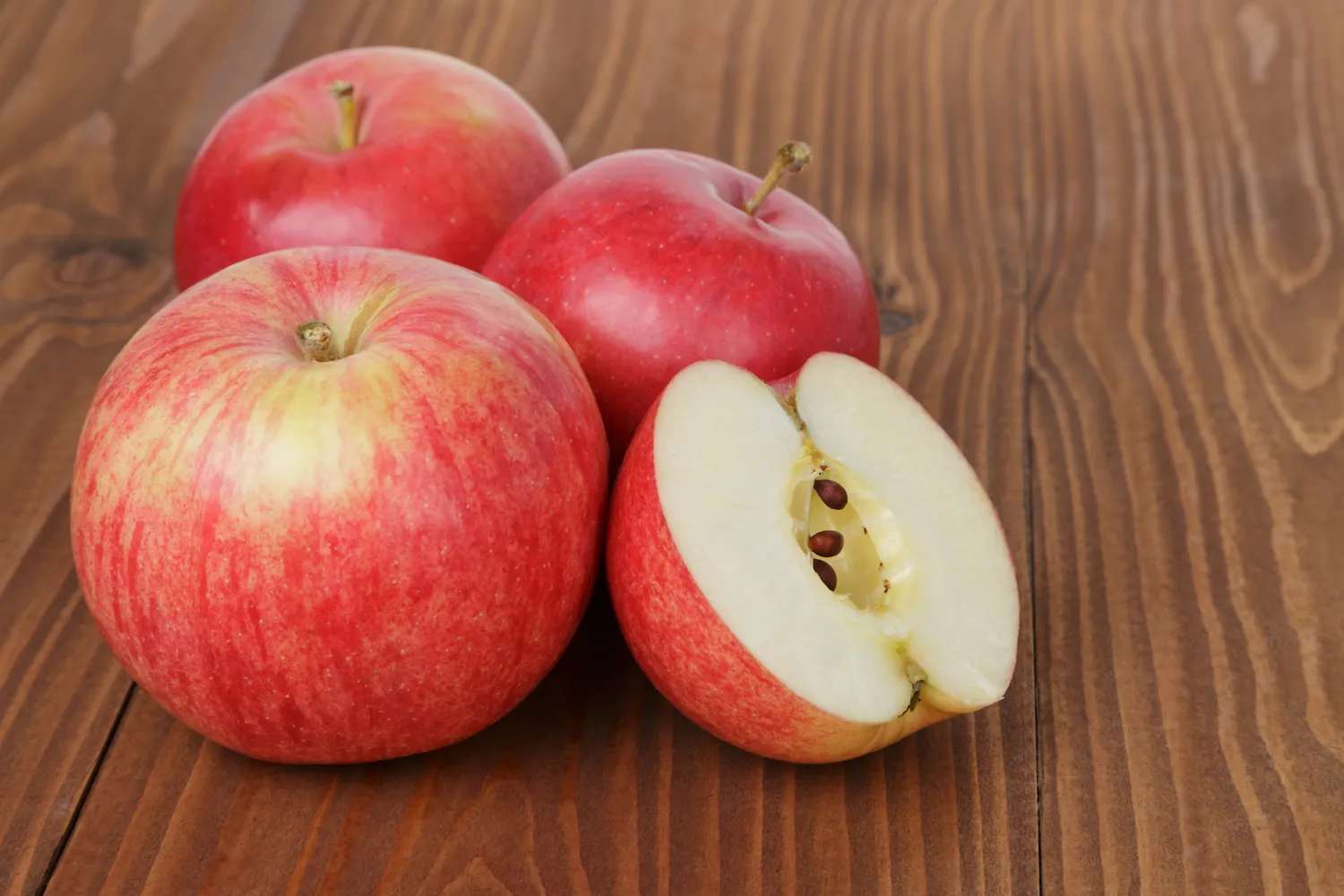
- The 30-Minute Rule: If you experience nausea or headaches shortly after your dose, try eating a small, bland snack—like a few whole-grain crackers or a sliced apple—30 minutes after your injection.
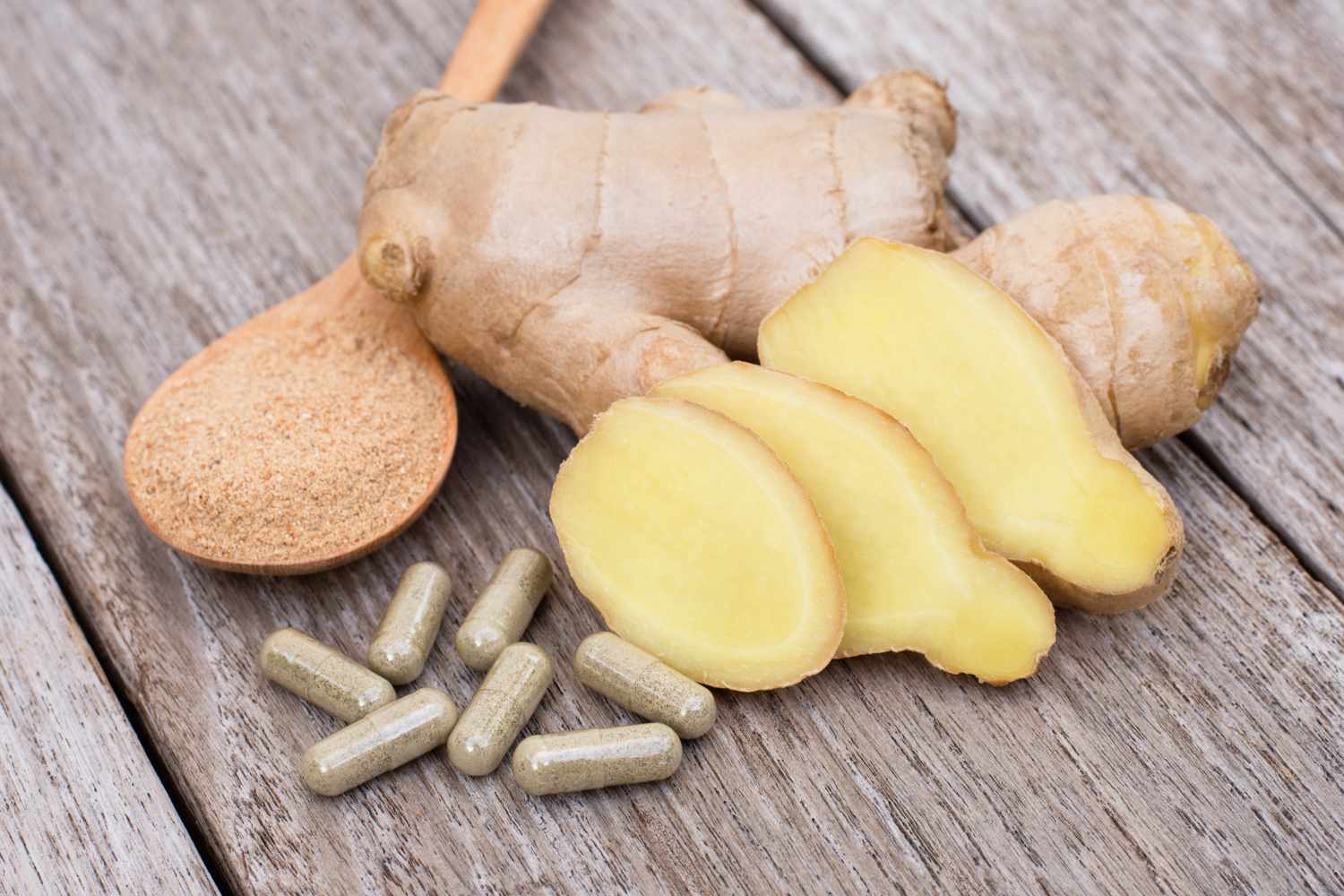
- Ginger Infusions: Ginger-based drinks (real ginger steeped in hot water) can settle the stomach and reduce the systemic inflammation that contributes to head pain.
- Protein First: Prioritize lean protein at every meal. This helps maintain muscle mass while ensuring that your blood sugar doesn't spike and crash, which is a major headache trigger.
The Silver Lining: New Research on GLP-1s and Chronic Migraine
While we focus on how to stop Ozempic headaches as a side effect, a fascinating body of new research suggests that GLP-1 receptor agonists may actually be a future treatment for chronic migraine sufferers. This "side effect" might actually be a therapeutic benefit in disguise for those with specific underlying conditions.

A landmark pilot study at the University of Naples "Federico II" followed obese adults who suffered from chronic migraines while they were treated with liraglutide (a daily GLP-1). The results were staggering:
- Reduction in Headache Days: Participants saw an average reduction of 11 headache days per month.
- Improved Quality of Life: There was a 35-point drop in Migraine Disability Assessment Test (MIDAS) scores, moving many patients from "severe disability" to "mild or moderate."
- The Mechanism: Researchers believe that GLP-1s may reduce intracranial pressure (the pressure of the fluid around the brain). For patients whose migraines are linked to high brain fluid pressure—a condition often exacerbated by obesity—the medication may provide a dual benefit of weight loss and direct pressure reduction.
This suggests that if you are a person with obesity and chronic migraines, the initial headaches you feel might simply be the "adjustment phase" before the medication begins to provide long-term neurological relief.
When to Contact Your Healthcare Provider
While the majority of GLP-1 headaches are benign and resolve with hydration and titration adjustments, it is important to distinguish them from more serious complications. As a preventive care expert, I always advise a "safety first" approach.
Contact your healthcare provider if:
- The headache is accompanied by severe, persistent vomiting.
- You experience "the worst headache of your life" suddenly (a "thunderclap" headache).
- You have sharp, localized pain in your upper abdomen that radiates to your back (a potential sign of pancreatitis).
- Your headache is accompanied by changes in vision or neurological deficits.
For most, the journey toward better metabolic health involves a few bumps in the road. By treating your body with patience, prioritizing hydration, and following a conservative titration schedule, you can navigate these side effects and focus on your long-term wellness.
FAQ
Q: Why do I get a headache specifically the day after my Wegovy injection? A: This is often due to the "peak concentration" of the medication in your bloodstream, which usually occurs 24 to 48 hours after injection. This peak can cause a temporary drop in blood sugar or a shift in fluid balance. Staying extra hydrated the day before your injection can help.
Q: Can I take over-the-counter pain relief for GLP-1 headaches? A: Generally, yes. Acetaminophen or NSAIDs (like ibuprofen) are typically fine to use for managing the adjustment period. However, because GLP-1s slow digestion, these pills may take longer to kick in than usual. Always consult your pharmacist to ensure there are no interactions with your specific health profile.
Q: Will the headaches ever go away? A: For the vast majority of patients, headaches dissipate after the first few weeks of a consistent dose. Most people find that once they reach their "maintenance dose" and their body's glucose management stabilizes, the headaches disappear entirely.
Final Thought for Your Wellness Routine
Managing GLP-1 side effects is about listening to your body's subtle signals. A headache isn't just a nuisance; it’s an invitation to check in on your hydration, your nutrition, and your pace of progress. By taking a holistic, preventive approach, you aren't just losing weight—you're building a more resilient, well-hydrated, and balanced version of yourself.