Quick Facts
- Primary Mechanism: Statins work by inhibiting the HMG-CoA reductase enzyme in the liver, which is the primary catalyst for internal cholesterol production. This triggers the liver to pull more LDL (bad cholesterol) from the bloodstream.
- Comparative Efficacy: Head-to-head clinical trials demonstrate that Rosuvastatin is more potent than Atorvastatin. At equivalent doses, Rosuvastatin achieves a 50.0% reduction in LDL cholesterol compared to 39.9% for Atorvastatin.
- Survival Impact: A 6-year database analysis showed that all-cause mortality was lower for Rosuvastatin users (2.57 per 100 person-years) than for Atorvastatin users (2.83 per 100 person-years).
- MACE Prevention: Beyond lowering lipids, statins significantly reduce Major Adverse Cardiovascular Events (MACE)—including heart attacks and strokes—by stabilizing arterial plaques and reducing systemic inflammation.
- Side Effects: While effective, roughly 12% to 16% of users may experience muscle-related symptoms (myalgia) or gastrointestinal disturbances.
The Biological Mechanism: How Statins Block Cholesterol Production
To understand how statins lower cholesterol, we must first look at where cholesterol comes from. While many men focus solely on their diet—avoiding eggs or red meat—the reality is that the vast majority of your circulating cholesterol is manufactured internally by your liver. Statins target this internal factory directly.
The process centers on a specific protein called HMG-CoA reductase. This enzyme is the "rate-limiting" step in the mevalonate pathway, essentially the master switch for cholesterol synthesis. By inhibiting this enzyme, statins drastically reduce the amount of cholesterol the liver can produce. However, the true magic happens after the production is blocked.
When the liver senses a drop in internal cholesterol, it responds by "upregulating" (increasing) the number of LDL receptors on the surface of liver cells. These receptors act like a vacuum, sucking LDL particles out of the blood to make up for the internal deficit. This dual action—slowing down production and speeding up removal—is why statins remain the gold standard for LDL cholesterol reduction therapy.
Key Takeaway: Statins don't just "dissolve" cholesterol in your blood; they reprogram your liver to stop overproducing it and start actively removing it from your system.
Rosuvastatin vs. Atorvastatin: Which is More Effective?
For the high-performance male looking for the most efficient path to cardiovascular health, the choice often boils down to two heavyweights: Rosuvastatin (Crestor) and Atorvastatin (Lipitor). While both are "high-intensity" statins, clinical data suggests a clear winner in terms of pure potency and lipid profile optimization.
The STELLAR trial and subsequent meta-analyses have provided definitive numbers on this comparison. When we look at LDL reduction, Rosuvastatin consistently outperforms Atorvastatin across various dosage levels. In clinical cohorts, patients starting with an LDL of 160 ± 12 mg/dL saw a drop to 80 ± 8 mg/dL on Rosuvastatin—a clean 50% reduction. Those on Atorvastatin saw a respectable, yet lower, 39.9% reduction.
Furthermore, Rosuvastatin tends to have a more favorable impact on other lipid markers. It is often more effective at lowering triglycerides and slightly more proficient at raising HDL (good) cholesterol. For men with metabolic syndrome or complex lipid issues, this broader impact is crucial for long-term longevity.
Comparative Efficacy Table: Rosuvastatin vs. Atorvastatin
| Metric | Rosuvastatin (High Intensity) | Atorvastatin (High Intensity) |
|---|---|---|
| Avg. LDL Reduction | ~50.0% | ~39.9% |
| All-Cause Mortality | 2.57 per 100 person-years | 2.83 per 100 person-years |
| Triglyceride Lowering | Superior | Effective |
| HDL Increase | Moderate (7-10%) | Low (2-5%) |
| Metabolism | Minimal CYP450 (Less Drug-Drug Interaction) | Heavy CYP3A4 Involvement |
Heart Attack Prevention and Longevity Benefits
If statins only lowered numbers on a lab report, they wouldn't be the cornerstone of preventive cardiology. Their true value lies in statins heart attack prevention capabilities, which extend far beyond mere lipid-lowering. This is known as the "pleiotropic effect."
Statins do more than just clear the pipes; they reinforce them. One of the most dangerous aspects of cardiovascular disease is the "vulnerable plaque"—a fatty buildup in the artery that is prone to rupturing. When a plaque ruptures, it causes a blood clot that leads to a heart attack. Statins help stabilize these plaques, making them less likely to burst.
Additionally, statins are powerful anti-inflammatory agents. We now know that heart disease is as much a disease of inflammation as it is of cholesterol. By lowering C-reactive protein (CRP), a key marker of vascular inflammation, statins quiet the "fire" inside the arterial walls.
The longevity data is compelling. A 6-year large-scale database analysis confirmed that users of high-potency statins like Rosuvastatin experienced significantly lower mortality rates. When you reduce the frequency of Major Adverse Cardiovascular Events (MACE), you aren't just preventing a hospital visit; you are extending your "healthspan"—the period of life spent in good health.
Understanding the Risks: Side Effects and Safety Profiles
As an editor focused on men’s health, I believe in radical transparency regarding medication. No drug is without its trade-offs. The most common complaint associated with statin therapy is statin-associated muscle symptoms (SAMS), often described as a dull ache or weakness in the legs or arms.
Incidence rates for myalgia vary, but clinical trials typically place them between 12% and 16%. In many cases, these symptoms are dose-dependent. For men who struggle with side effects on high-dose monotherapy, modern guidelines often suggest a "low-dose combination" strategy. For example, pairing a low-dose statin with ezetimibe (which blocks cholesterol absorption in the gut) can often achieve the same LDL targets with a significantly lower risk of muscle pain.
There is also the "Diabetes Link." Some studies have shown a small but statistically significant increase in the risk of developing Type 2 Diabetes (T2DM), particularly in men who are already pre-diabetic. However, the cardiovascular protection offered by the statin almost always outweighs the risk of a slight increase in blood sugar. It is a matter of managing the risk: if you start a statin, you should be even more diligent about your carbohydrate intake and strength training.
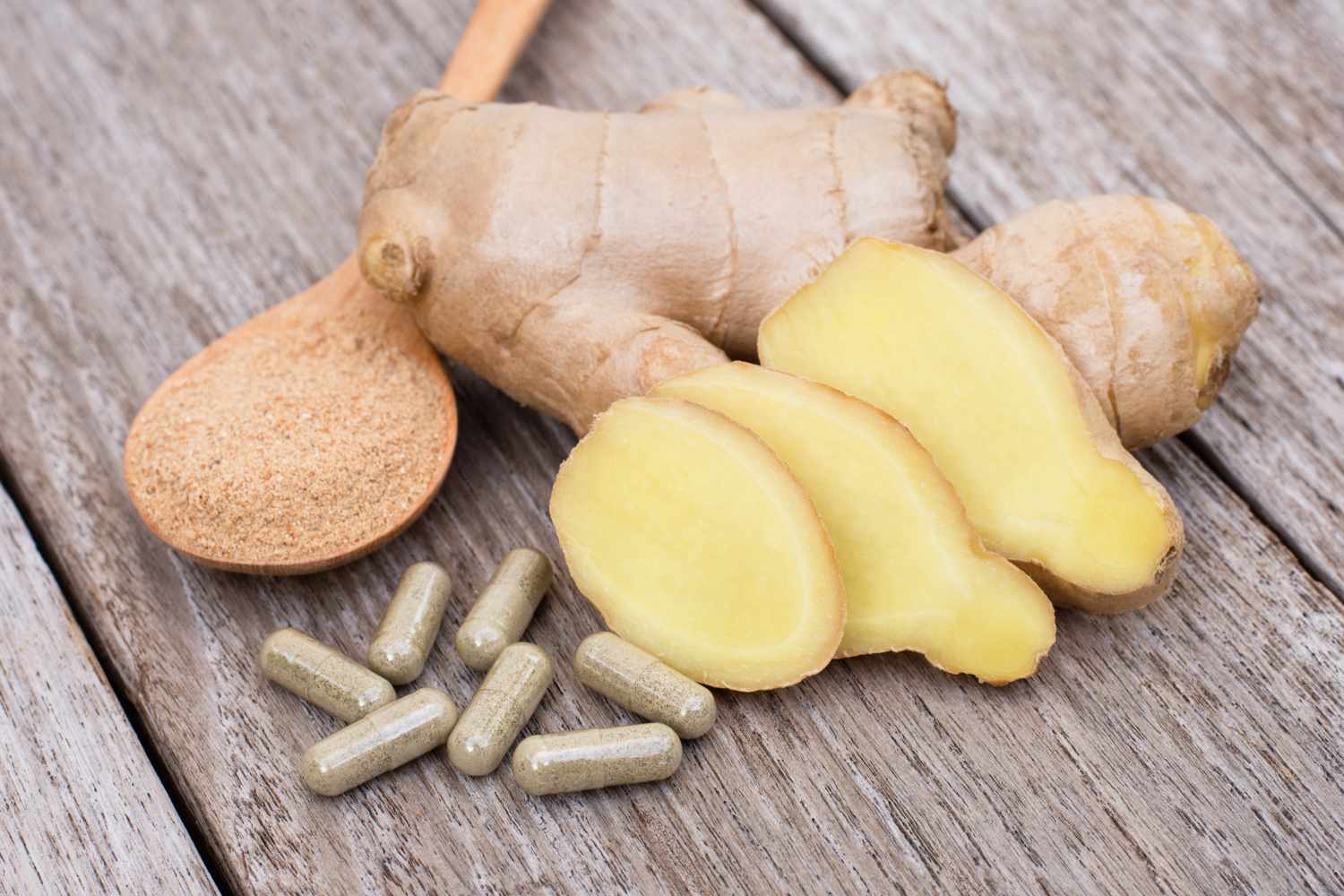
Many men ask about CoQ10 supplementation. While the evidence is mixed, some clinical observations suggest that CoQ10 may help mitigate the muscle aches associated with statins by supporting mitochondrial function. As shown in the image above, a holistic approach—combining pharmaceutical intervention with smart supplementation and a Mediterranean-style diet—is often the most sustainable path for men over 40.
Clinical Guidelines: When Should You Start Statin Therapy?
Deciding when to start a statin isn't just about one high LDL reading. It's about your ASCVD (Atherosclerotic Cardiovascular Disease) 10-year risk score. This calculation takes into account your age, blood pressure, smoking status, and whether you have diabetes.
- Secondary Prevention: If you have already had a heart attack, stroke, or have known arterial blockages, high-intensity statin therapy is almost always recommended regardless of your "baseline" cholesterol numbers. The goal here is aggressive stabilization.
- Primary Prevention (Ages 40-75): For men in this age bracket with an LDL between 70-189 mg/dL, a 10-year risk score of 7.5% or higher usually triggers a conversation about starting a statin.
- The "Grey Area": If your risk is intermediate (5% to 7.5%), doctors may use a Calcium Score (CAC) test. If your calcium score is zero, you might safely defer statin therapy and focus on lifestyle. If it’s elevated, the statin becomes a vital insurance policy for your heart.
For men over 75, the conversation shifts. The focus moves from "30-year prevention" to immediate quality of life and individual risk profiles. At this stage, the decision to continue or start a statin is highly personalized, focusing on whether the preventative benefits still outweigh the potential for side effects or drug interactions.
FAQ
Q: Can I stop taking statins if my cholesterol levels return to normal? A: Generally, no. Statins manage the production of cholesterol; they don't "cure" the underlying tendency of your liver to overproduce it. If you stop the medication, your cholesterol levels will typically return to their previous high levels within weeks, increasing your risk of a cardiac event.
Q: Is it true that statins cause memory loss? A: Large-scale reviews and randomized controlled trials have found no consistent evidence that statins cause cognitive decline or memory loss. In fact, some research suggests that by preventing small "mini-strokes" (TIAs), statins may actually help preserve brain health as you age.
Q: Do I need to avoid grapefruit while on statins? A: This applies primarily to Atorvastatin, Simvastatin, and Lovastatin. These drugs are metabolized by the CYP3A4 enzyme, which grapefruit juice inhibits. This can lead to dangerously high levels of the drug in your system. Rosuvastatin, however, is not significantly affected by grapefruit because it is processed through a different pathway.
Taking Action for Longevity
Maintaining cardiovascular health is a marathon, not a sprint. While diet and exercise are the foundation of any longevity strategy, for many men, biology simply requires a helping hand. Statins are among the most researched and proven tools we have to prevent the leading cause of death in men: heart disease.
If you are concerned about your numbers, don't wait for a "wake-up call" in the form of chest pain. Schedule a comprehensive lipid panel, calculate your 10-year risk score, and have a direct, research-backed conversation with your physician about whether Rosuvastatin or Atorvastatin is the right fit for your biological profile.