When you are in the midst of a Crohn’s disease or Irritable Bowel Syndrome (IBS) flare-up, the simple act of choosing what to eat can feel like navigating a minefield. This "decision fatigue" is a common psychological burden for those with chronic digestive conditions; the fear that a single wrong bite might trigger hours of pain, bloating, or urgent bathroom trips is exhausting. Finding comfort when your gut is inflamed requires a shift in perspective—moving away from complex, high-fiber "health foods" toward soothing, easily digestible options that provide gentle energy without further irritating the intestinal lining. The most effective flare-friendly comfort foods include low-residue options like white rice congee, miso soup with silken tofu, and soft fruits like bananas or smooth applesauce. By prioritizing soluble fiber and lean proteins, you can manage your symptoms while still enjoying meals that feel restorative and nourishing.

1. Congee (The Ultimate Gut-Soothing Porridge)
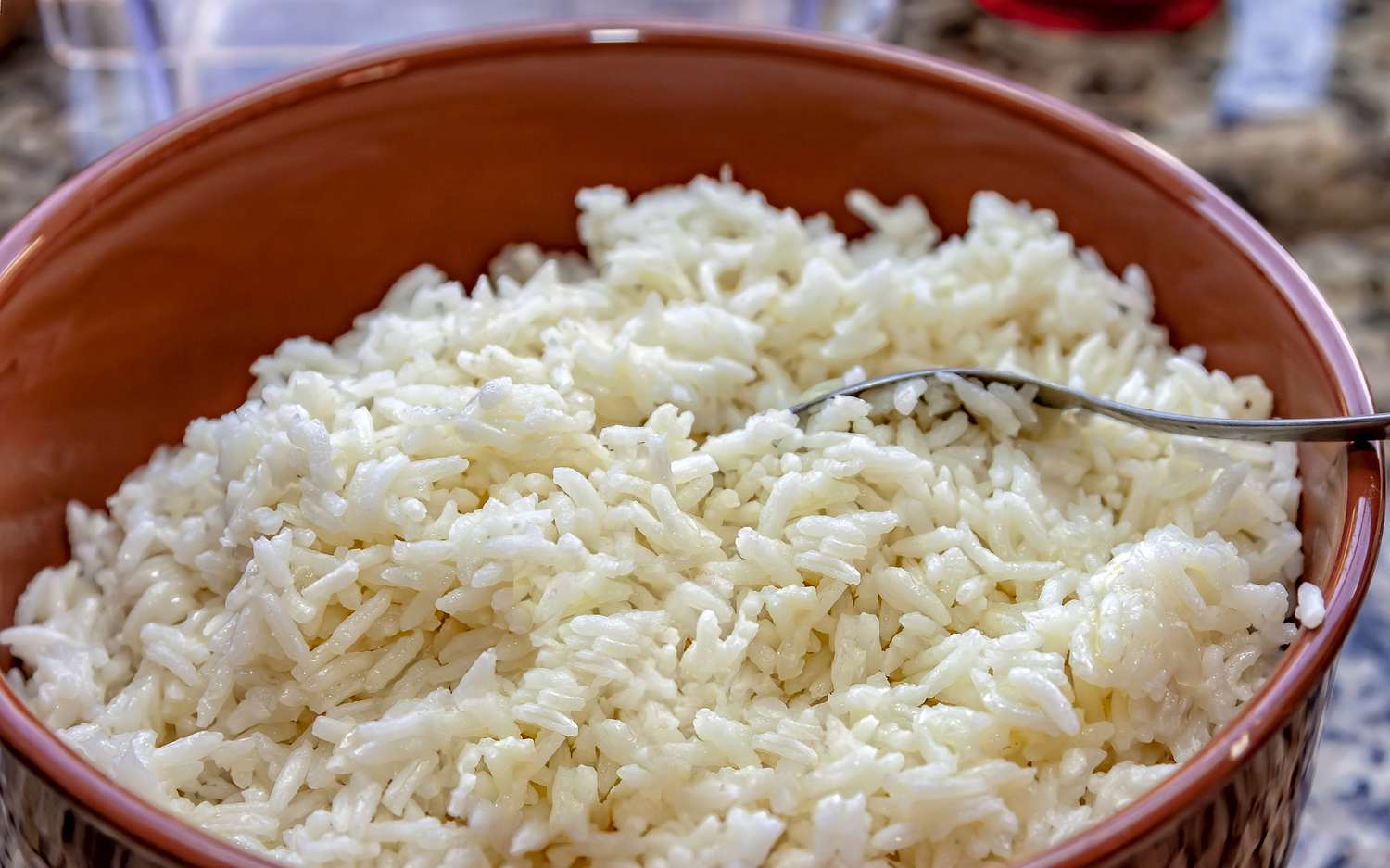
In the world of clinical nutrition, congee is often referred to as the "ultimate" low-residue food. Unlike typical Western breakfast cereals that are often high in insoluble fiber and sugar, congee is a simple rice porridge made by simmering white rice in a large volume of water or broth until the grains break down into a creamy, silk-like consistency.
Why it helps: During an active flare, your digestive system is essentially wounded. High-fiber foods act like sandpaper on an open scrape. White rice, however, is almost entirely starch with negligible fiber, making it incredibly easy for the small intestine to absorb with minimal effort. It is hydrating and provides a stable source of glucose to combat the fatigue that often accompanies IBD.
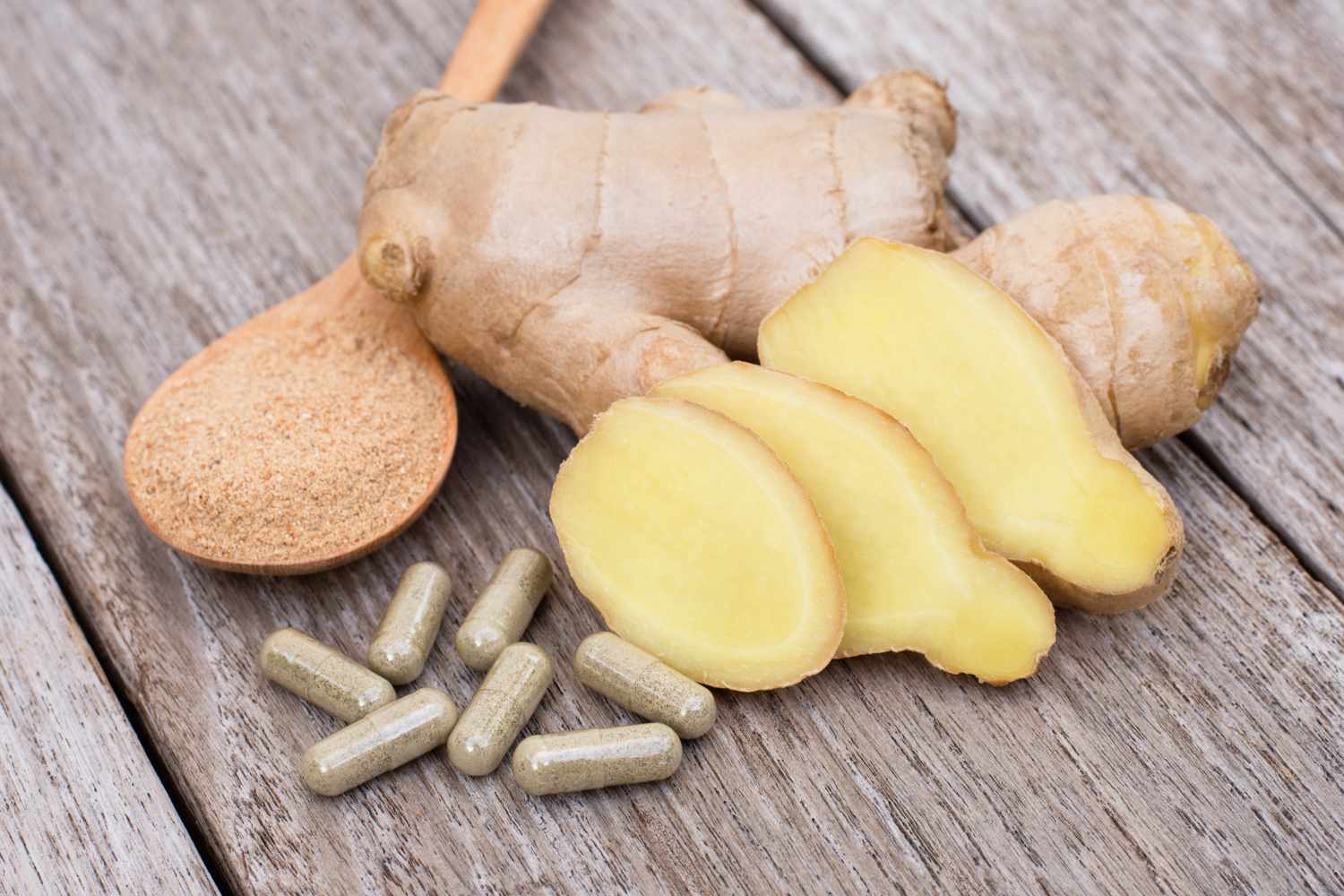
Emily’s Kitchen Tip: Aim for a 1:8 rice-to-water ratio. For a boost of gentle protein, try whisking in a poached egg or adding cubes of silken tofu. Avoid adding harsh spices like chili or excessive garlic; instead, use a tiny amount of ginger to help settle nausea.
2. Miso Soup with Silken Tofu
Miso soup is more than just a savory appetizer; for those with Crohn’s or IBS, it is a functional "liquid gold." It provides essential electrolytes—specifically sodium and potassium—that are frequently lost during bouts of diarrhea.
Why it helps: Miso is a fermented soybean paste. While whole soybeans can be difficult to digest due to their fiber and lectin content, the fermentation process breaks down these complex compounds, making the nutrients more bioavailable. Furthermore, silken tofu is a "mechanically soft" protein. During a flare, choosing white poultry, white-fleshed fish, or tofu is critical, as these are much better tolerated than red meats, which contain high amounts of fat and connective tissue that are difficult for an inflamed gut to process.
- Probiotic Benefit: The fermentation provides a gentle dose of beneficial bacteria to the microbiome without the gas-producing sugars found in some raw vegetables.
- Hydration: The broth helps maintain fluid balance, which is vital for preventing the systemic dehydration that can exacerbate flare symptoms.
3. The Power of Soluble Fiber: Steamed Carrots and Peeled Potatoes
One of the most common misconceptions in nutrition is that "all fiber is good." While fiber is essential for long-term health, the type of fiber matters immensely during an IBS or Crohn's flare. Clinical dietary reviews indicate that approximately 75% of individuals with IBD experience improved symptom management when prioritizing soluble fiber over insoluble fiber during active flare-ups.
Why it helps: Soluble fiber dissolves in water to form a viscous, gel-like substance. This gel slows down the transit of food through the digestive tract, allowing for better nutrient absorption and helping to solidify loose stools. In contrast, insoluble fiber (found in kale, nuts, and fruit skins) acts as a "broom" that can irritate the intestinal walls.
| Food Item | Fiber Type | Flare Status | Why? |
|---|---|---|---|
| Peeled Potatoes | Predominantly Soluble | Safe | Soft, starchy, and easy on the colon. |
| Steamed Carrots | Predominantly Soluble | Safe | Cooking breaks down cellular walls for easy digestion. |
| Raw Kale | Insoluble | Avoid | Rough texture can cause mechanical irritation. |
| Nuts & Seeds | Insoluble | Avoid | High residue; can get trapped in inflamed pockets. |
4. Baked Salmon or White Fish
When the body is under the stress of a chronic inflammatory condition, protein is needed for tissue repair. However, high-fat proteins can trigger "cholecystokinin," a hormone that speeds up colonic contractions, potentially leading to pain and urgency. This is where lean, Omega-3-rich fish comes in.
Why it helps: Salmon and white-fleshed fish (like cod or tilapia) are exceptionally "tender" proteins. Nutritional studies suggest that incorporating Omega-3 rich foods like salmon and flaxseed can reduce biomarkers of gut inflammation by up to 25% in patients with chronic digestive disorders. These healthy fats help dampen the inflammatory cascade in the gut lining.
- Cooking Method: Opt for poaching, steaming, or baking. Avoid frying, as the high-heat oils can become pro-inflammatory and are common triggers for IBS symptoms.
- Seasoning: Keep it simple with lemon juice and a small amount of salt. Avoid heavy cream sauces or spicy rubs.
5. Bananas and Smooth Applesauce
When you need something sweet or a quick snack, the "BRAT" diet (Bananas, Rice, Applesauce, Toast) components remain a gold standard for a reason.
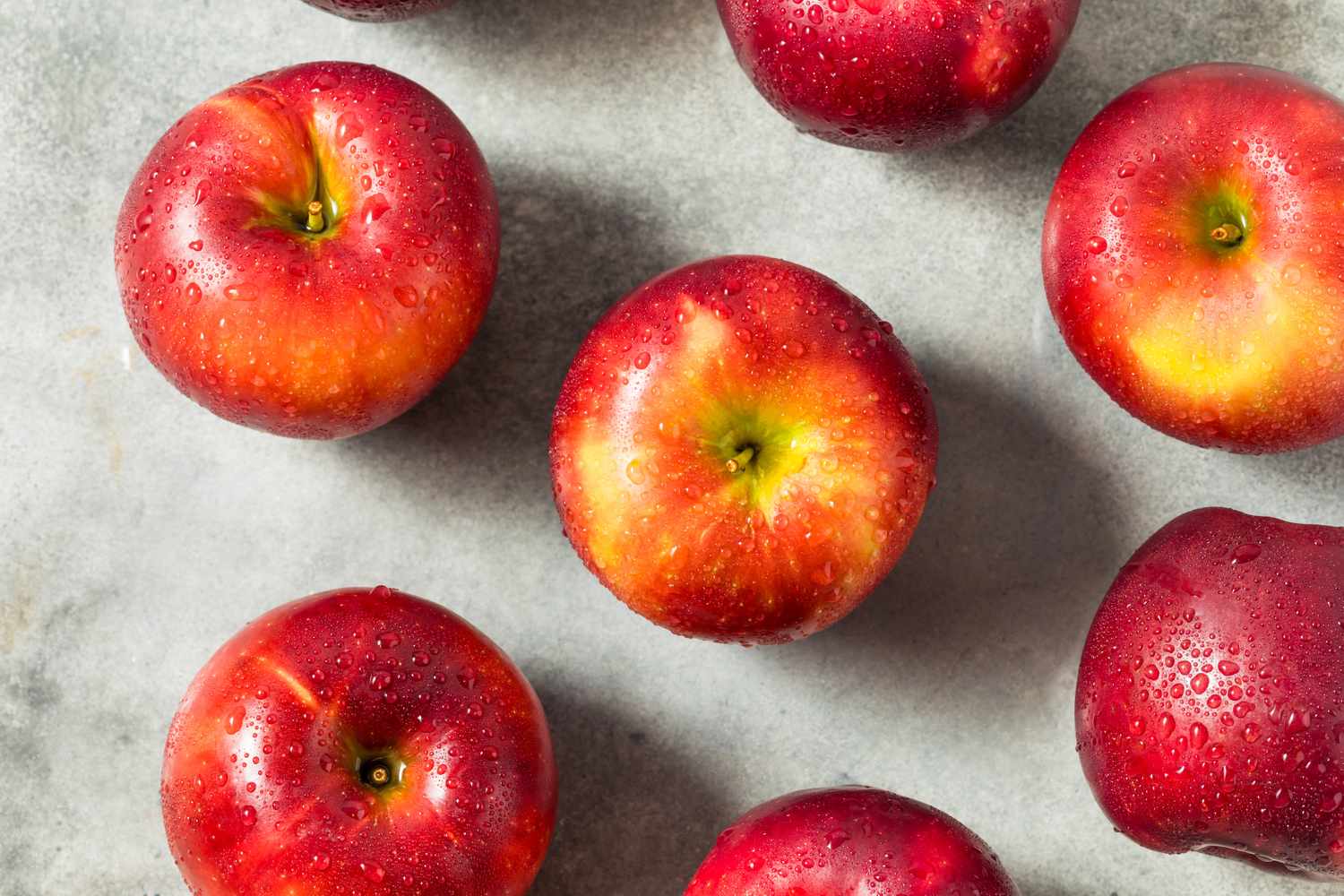
Why it helps: Bananas are rich in potassium and are one of the few fruits that are naturally low in insoluble fiber when ripe. Applesauce (ensure it is "smooth" and not "chunky") provides pectin, a soluble fiber that is excellent for soothing the gut.
Dietitian's Note: Always peel your fruits. The skin of an apple contains the majority of its insoluble fiber. By eating only the flesh (or the sauce), you get the energy and vitamins without the "roughage."
6. Greek Yogurt or Kefir (Lactose-Free if needed)
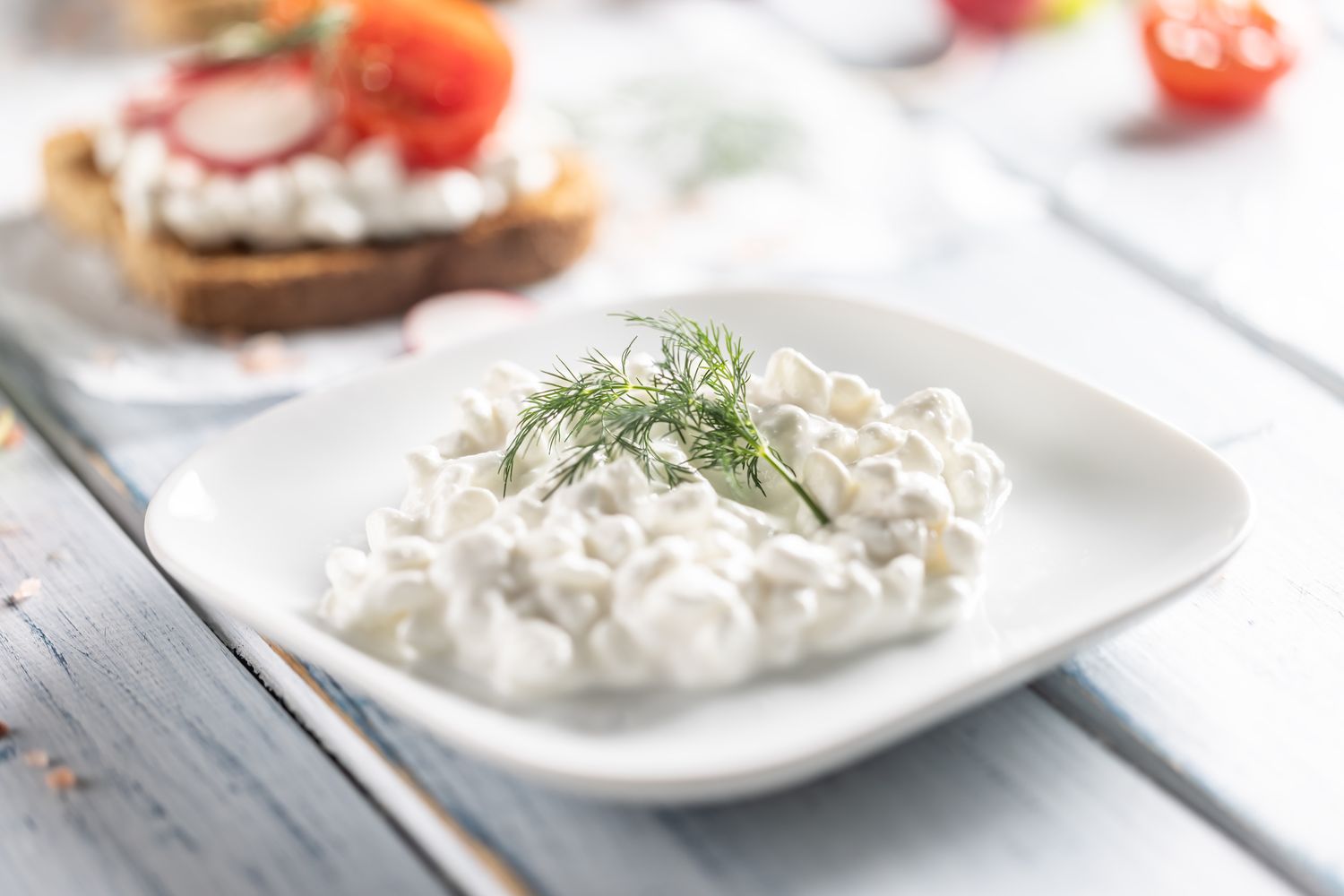
The gut microbiome is often severely disrupted during a flare. While many people with IBD or IBS are sensitive to dairy (specifically lactose), fermented dairy products are often tolerated because the fermentation process consumes much of the lactose.
Why it helps: Greek yogurt and kefir provide high-quality protein and a concentrated dose of probiotics. Probiotics can help "crowd out" pathogenic bacteria that may thrive during an inflammatory event. If you are highly sensitive to lactose, look for lactose-free versions or coconut-milk-based kefirs that contain "live and active cultures."

7. Soft-Scrambled Eggs or Egg-Drop Soup
Eggs are a powerhouse of nutrition, containing almost every vitamin and mineral the body needs, including Vitamin D, which is often deficient in Crohn’s patients.
Why it helps: Eggs are "mechanically soft." When scrambled softly or whisked into a warm broth (egg-drop soup), they require almost no effort from the digestive system to break down. They provide high-quality protein that is 100% bioavailable, meaning your body can use it immediately for cellular repair.
- Avoid: Hard-fried eggs with "crispy" edges or eggs cooked in excessive butter or oil, as the browned fats can be difficult to digest.
Pro-Tips for Managing an Active Flare
Managing a flare isn't just about what you eat, but how you eat. Implementing these clinical strategies can significantly reduce the workload on your digestive system:
- The 64oz Hydration Rule: Dehydration is a major risk during flares. Aim for at least 64 ounces of room-temperature fluids daily. Avoid ice-cold drinks, as extreme temperatures can trigger gut spasms.
- Small, Frequent Meals: Instead of three large meals, try eating 5–6 "mini-meals." This prevents the stomach from becoming overly distended and ensures a steady, manageable flow of nutrients through the intestine.
- Low-Residue "Peel and Sieve": If you are unsure about a vegetable, peel it and cook it until it can be easily mashed with a fork. If it still feels "stringy" (like celery or asparagus), it is likely too high in insoluble fiber for a flare.

While these comfort foods provide a foundation for flare management, every body is unique. Chronic digestive conditions are highly individualized, and what works for one person may not work for another. If you find your symptoms are not improving or you are struggling to maintain your weight, it is vital to seek professional guidance.

FAQ
Q: Can I drink coffee during a Crohn’s or IBS flare? A: Generally, it’s best to avoid it. Caffeine is a GI stimulant that can increase intestinal motility and worsen diarrhea. If you need a warm beverage, try herbal teas like peppermint or ginger, which have anti-spasmodic properties.
Q: Is gluten-free bread better during a flare? A: Not necessarily. While some people with IBS benefit from a low-FODMAP diet (which often excludes wheat), the most important factor during a flare is the fiber content. White sourdough or refined white bread is often better tolerated than high-fiber, gluten-free breads made with seeds and whole grains.
Q: How long should I stay on a "flare-friendly" diet? A: You should gradually reintroduce higher-fiber foods once your bowel movements have stabilized and pain has subsided. Staying on a low-residue diet for too long can lead to nutrient deficiencies and a less diverse microbiome.
Take the Next Step in Your Gut Health Journey
Navigating the complexities of IBD and IBS requires more than just a list of foods; it requires a personalized strategy tailored to your specific triggers and nutritional needs. Don't go through a flare alone.