Do you ever wake up feeling unusually stiff, or find yourself struggling through a mid-afternoon "brain fog" that no amount of caffeine seems to clear? Perhaps you’ve noticed that small scratches take longer to heal, or you’re catching every cold that makes the rounds at the office. These aren't just signs of getting older; they are often the hushed whispers of chronic inflammation.
Quick Facts
- The Scale of the Issue: Nearly 60% of Americans are currently living with at least one chronic inflammatory condition, such as heart disease, type 2 diabetes, or autoimmune disorders.
- Global Impact: Chronic inflammatory diseases are the leading global health threat, accounting for 3 out of every 5 deaths worldwide.
- The Solution: Transitioning to an anti-inflammatory diet can significantly lower C-reactive protein (CRP) levels, a key marker of systemic inflammation.
- Key Nutrients: Success hinges on Omega-3 fatty acids, polyphenols, and high fiber intake to balance the gut microbiome.
The Hidden Epidemic of Chronic Inflammation
In the world of clinical nutrition, we often refer to chronic inflammation as a "silent fire." Unlike the acute inflammation you experience when you sprain an ankle—which is a healthy, necessary response to injury—chronic inflammation is systemic and persistent. It’s like a thermostat stuck in the "on" position, eventually wearing down your internal machinery.
The statistics are sobering. When we look at the fact that 60% of the U.S. population is grappling with inflammatory conditions, we realize this isn't a niche health concern; it's a public health crisis. Furthermore, because these conditions account for 60% of deaths globally, what we choose to put on our forks is arguably the most important medical decision we make every day.
The symptoms are often subtle at first. You might experience joint stiffness in the morning, digestive irregularities, or a lingering sense of fatigue. These are signals from your immune system that it is overworked, distracted by cellular "noise" caused by poor diet, stress, and environmental toxins. By adopting a focused, anti-inflammatory eating strategy, we can effectively "turn down the heat," allowing the body to redirect its resources toward actual threats like viruses and bacteria.
Direct Answer: What is an Anti-Inflammatory Diet? An anti-inflammatory diet focuses on whole, nutrient-dense foods like fruits, vegetables, lean proteins, and healthy fats (specifically Omega-3s) while eliminating processed sugars, refined grains, and trans fats. The goal is to lower systemic inflammation by flooding the body with antioxidants and polyphenols that neutralize oxidative stress. This dietary approach mimics many principles of the Mediterranean diet, prioritizing fiber and plant-based compounds to support a healthy immune response.
Why Your Diet Is Your Immune System’s Best Ally
To understand why a one-day meal plan can make a difference, we have to look at the relationship between your gut and your immune system. Approximately 70% to 80% of your immune cells reside in your gut. When you consume highly processed foods, sugary drinks, or trans fats, you trigger an immune response in the digestive tract, leading to oxidative stress.
Oxidative stress occurs when there is an imbalance between free radicals (unstable molecules that damage cells) and antioxidants. Think of antioxidants as the "clean-up crew" for your cells. When your diet is rich in colorful produce and healthy fats, you provide the body with the tools it needs to achieve homeostasis.
By reducing the burden of chronic cellular damage through diet, your immune system is no longer "distracted" by the burger you ate for lunch or the sugary cereal you had for breakfast. Instead, it remains vigilant and ready to focus on true pathogens. This shift doesn't happen overnight, but a single day of clean, anti-inflammatory eating can begin the process of stabilizing blood sugar and reducing the immediate inflammatory load on your vascular system.
The Anti-Inflammatory Grocery List: Foods to Focus On
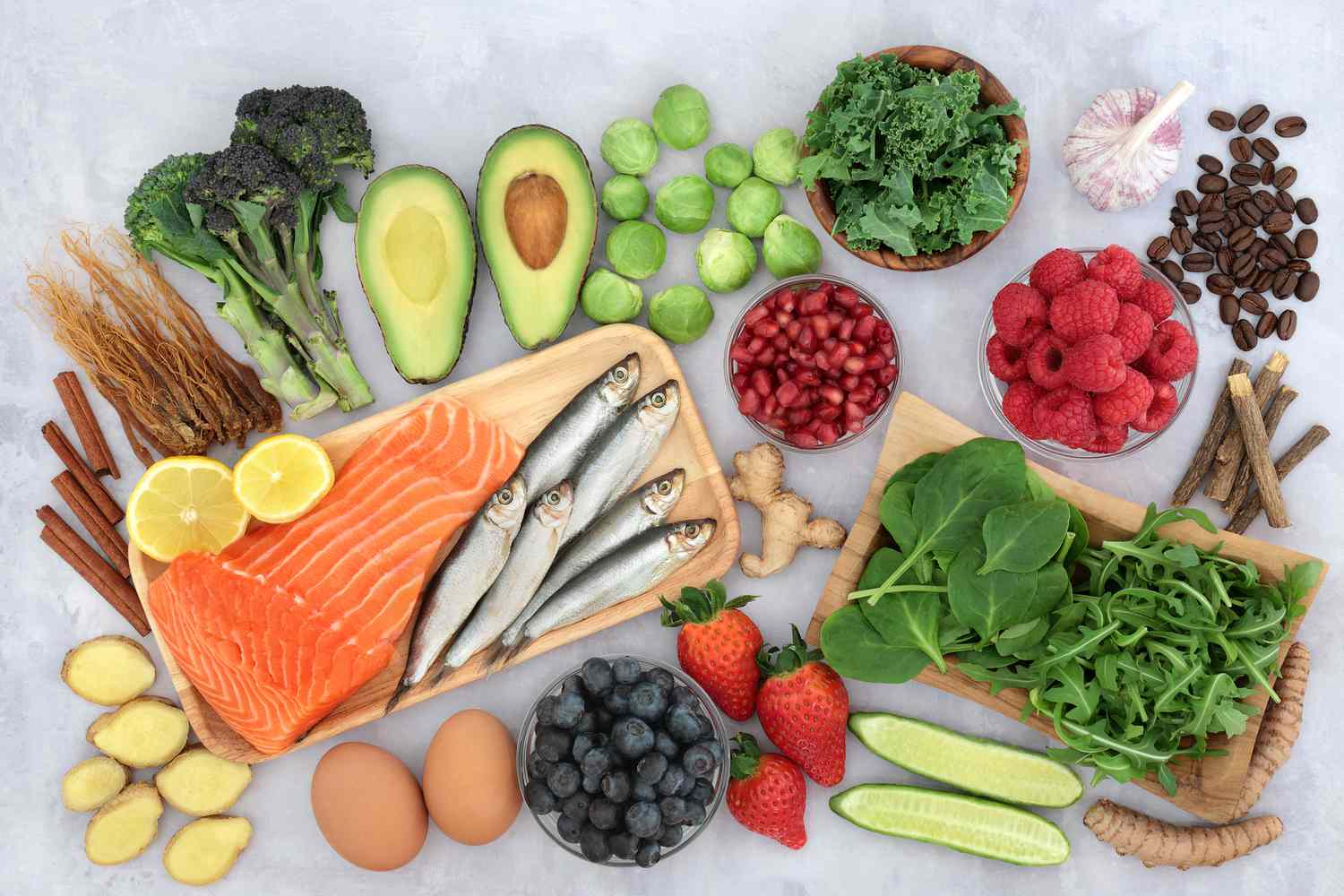
When you walk into the grocery store, I want you to think about "eating the rainbow." Those vibrant pigments in blueberries, kale, and sweet potatoes aren't just for show—they are the physical manifestation of phytonutrients.
- Omega-3 Powerhouses: These are the ultimate "fire extinguishers." Aim for fatty fish like wild-caught salmon, sardines, or mackerel. If you are plant-based, walnuts, chia seeds, and flaxseeds are your best friends. These fats help inhibit the production of substances that cause inflammation.
- Antioxidant All-Stars: Deeply pigmented berries (blueberries, raspberries, blackberries) are packed with flavonoids. Leafy greens like spinach and kale provide vitamins A, C, and K, which protect cells from DNA damage.
- Healing Spices: Turmeric contains curcumin, a potent anti-inflammatory compound. Pro-tip: Always consume turmeric with a pinch of black pepper; the piperine in pepper increases curcumin absorption by up to 2,000%. Ginger and cinnamon also provide excellent thermogenic and anti-inflammatory benefits.
- Healthy Fats: Extra-virgin olive oil (EVOO) is a staple for a reason. It contains oleocanthal, an antioxidant that has an effect similar to anti-inflammatory drugs like ibuprofen.
Foods to Limit: The Inflammation Triggers
While adding good foods is vital, removing the "triggers" is equally important. Think of it as trying to dry out a room while the faucet is still running—you have to turn off the water first.
- Refined Carbohydrates: White bread, pastries, and flour tortillas cause rapid spikes in blood sugar and insulin, which are pro-inflammatory.
- Added Sugars: High-fructose corn syrup and table sugar trigger the release of inflammatory messengers called cytokines. Watch out for hidden sugars in salad dressings and "healthy" yogurts.
- Trans Fats and Seed Oils: While the debate on seed oils continues, highly processed vegetable oils (like soybean or corn oil) high in Omega-6 can contribute to an imbalance if not countered with enough Omega-3s. Avoid "partially hydrogenated" oils at all costs.
- Excessive Alcohol and Processed Meats: Salami, bacon, and sausages contain nitrates and high levels of sodium, both of which are linked to increased systemic inflammation.
The 1-Day Anti-Inflammatory Meal Plan
This plan is designed to be practical, delicious, and deeply nourishing. It focuses on high-fiber grains, lean proteins, and a massive dose of antioxidants.
| Meal | What to Eat | Why it Works |
|---|---|---|
| Breakfast | Berry & Walnut Oatmeal: 1/2 cup steel-cut oats topped with 1/2 cup blueberries, 1 tbsp chopped walnuts, and a dash of cinnamon. Serve with Green Tea. | Oats provide soluble fiber for gut health; walnuts offer Omega-3s; green tea contains EGCG, a powerful antioxidant. |
| Lunch | Mediterranean Quinoa Salad: 1 cup cooked quinoa mixed with chickpeas, cucumbers, cherry tomatoes, parsley, and a lemon-olive oil dressing. Top with grilled chicken or lentils. | Quinoa is a complete protein; olive oil and fresh herbs provide polyphenols that fight oxidative stress. |
| Snack | Red Bell Peppers & Hummus: Sliced peppers with 3 tbsp of traditional hummus. | Bell peppers have more Vitamin C than oranges, essential for collagen and immune function. |
| Dinner | Baked Salmon with Roasted Asparagus: 4 oz wild salmon seasoned with turmeric and ginger. Serve with roasted asparagus and a small side of sweet potato. | Salmon is the gold standard for EPA/DHA; asparagus acts as a prebiotic to feed "good" gut bacteria. |
Meal Prep Tip:
For breakfast, choose steel-cut oats over "instant" varieties to keep your glycemic index low. For dinner, if you aren't a fan of salmon, rainbow trout or even a high-quality block of organic tofu seasoned with the same anti-inflammatory spices will work beautifully.
Beyond the Plate: Other Ways to Fight Inflammation
Nutrition is the foundation, but a truly anti-inflammatory lifestyle requires a holistic view. You cannot out-eat a chronic lack of sleep or high-stress levels.
- Sleep Quality: Aim for 7-9 hours of restorative sleep. Sleep is when your body undergoes "cellular housekeeping," clearing out metabolic waste from the brain and tissues.
- Stress Management: High cortisol levels (the stress hormone) directly trigger inflammatory pathways. Even five minutes of deep diaphragmatic breathing or a short yoga flow can signal to your nervous system that it’s safe to move out of "fight or flight" mode.
- Consistent Movement: You don't need to run a marathon. In fact, excessive, high-intensity exercise without recovery can increase inflammation. Aim for 150 minutes of moderate activity per week, like brisk walking or swimming, to keep circulation fluid and inflammation low.

FAQ
Q: Can I drink coffee on an anti-inflammatory diet? A: Yes! In fact, coffee is a significant source of antioxidants in the Western diet. However, keep it clean—avoid adding heavy creams or sugary syrups. Black coffee or coffee with a splash of unsweetened almond milk is perfectly acceptable.
Q: Is frozen fruit as good as fresh? A: Often, it’s better. Frozen berries are typically picked at peak ripeness and flash-frozen, preserving their nutrient density. They are an affordable and convenient way to ensure you always have antioxidants on hand for your morning oatmeal or smoothies.
Q: How soon will I feel the results? A: While cellular changes start immediately, most people notice an improvement in energy levels and a reduction in bloating within 24 to 48 hours. Long-term benefits, like reduced joint pain or clearer skin, usually manifest after 2 to 3 weeks of consistent effort.
Take the First Step Today
Reducing inflammation isn't about perfection; it’s about making better choices more often. By following this one-day plan, you are giving your immune system a much-needed break and flooding your cells with the raw materials they need to repair and protect you.
Start tomorrow. Clear out the sugary snacks, stock up on some wild-caught fish and fresh greens, and see how much better your body feels when the "silent fire" begins to fade.