If you have recently started a GLP-1 receptor agonist—such as semaglutide (Ozempic, Wegovy) or tirzepatide (Mounjaro, Zepbound)—you likely feel a mix of hope and hesitation. On one hand, these medications represent a generational breakthrough in metabolic health and weight management. On the other hand, the transition can be physically demanding. Clinical data indicates that nausea affects roughly 44% of GLP-1 patients, while diarrhea and constipation occur in 30% and 24% of cases, respectively.
While these statistics can seem daunting, they are not a sign that the medication is "failing" you. Rather, they are a byproduct of the very mechanism that makes these drugs effective: the slowing of gastric emptying and the recalibration of gut-brain signaling. In my experience as a nutrition editor, the difference between those who successfully reach their target dose and those who discontinue therapy often comes down to a proactive management strategy. This guide is designed to help you navigate that transition, ensuring that digestive side effects remain a temporary hurdle rather than a permanent barrier to your health goals.
The GLP-1 Digestive Timeline: What to Expect from Weeks 1 to 12
Understanding the trajectory of GLP-1 side effects can significantly reduce the anxiety that often accompanies a new prescription. Your body is undergoing a profound physiological shift, and adaptation takes time.
Weeks 1–2: The Acute Phase During the initial titration (the process of gradually increasing the dose), you may experience acute nausea or "sulfur burps." This is the period when your stomach is first learning to manage a slower rate of digestion. It is crucial during these first fourteen days to focus on hydration and bland, easily digestible proteins.
Weeks 3–8: The Stabilization Period As you move into the second and third months, the acute nausea often subsides, but changes in bowel habits—namely constipation or intermittent diarrhea—may become more prominent. Nutritional intervention studies show that increasing hydration and adopting a protein-heavy, fiber-rich diet can significantly improve tolerance for the 20% of patients experiencing GLP-1 induced abdominal pain or bloating during this phase.
Month 3 and Beyond: Long-Term Adaptation By the third month, most patients find a "new normal." Your appetite cues will have shifted, and your digestive system should have adapted to the slower gastric motility. This is the stage where we transition from "survival eating" to a sustainable, nutrient-dense lifestyle that supports long-term metabolic health and muscle preservation.
Core Strategy 1: Smart Titration and Dosing
The cornerstone of GLP-1 digestive safety is the principle of "Start Low, Go Slow." Pharmaceutical manufacturers have designed specific titration schedules—increasing the dose every four weeks—precisely to mitigate gastrointestinal (GI) distress.
If you find that the side effects are becoming unmanageable after a dose increase, do not simply quit. Instead, have a conversation with your healthcare provider about a "titration pause." Staying at a lower dose for an extra two to four weeks allows your gut enzymes and motility patterns to catch up to the hormonal changes. For those on oral semaglutide, administration is even more specific: it must be taken on an empty stomach with no more than four ounces of plain water, followed by a 30-minute fast to ensure absorption and minimize irritation.

Core Strategy 2: The Nutrition Blueprint for Nausea Relief
When your stomach empties more slowly, the traditional "three square meals a day" approach often becomes the enemy. Eating a large dinner when your lunch is still being processed is a recipe for reflux and nausea. To manage this, I recommend the following nutritional shifts:
The 80% Fullness Rule
One of the most effective strategies for preventing the "overflow effect" is the 80% fullness rule. Because the signals between your gut and brain are delayed on GLP-1s, if you eat until you feel "stuffed," you have already overeaten. Aim to stop when you feel satisfied but could still eat a few more bites. This prevents the severe bloating and "heavy" feeling that often leads to evening nausea.
Meal Pacing and Structure
Shift your perspective from "meals" to "nourishment windows." Instead of three large sittings, aim for five or six small, nutrient-dense snacks throughout the day. This keeps your blood sugar stable and prevents the stomach from becoming overly distended.
- Prioritize Lean Protein: Focus on chicken, fish, tofu, or Greek yogurt. Protein is harder to digest than simple carbs, but it is essential for preserving muscle mass while on GLP-1 therapy.
- Identify Your Triggers: High-fat, fried, and heavily spiced foods are the primary culprits for GLP-1 related distress. Fat slows gastric emptying even further; when combined with the medication, a high-fat meal can sit in the stomach for an extended period, leading to fermentation and gas.
What to Eat vs. What to Avoid
| Focus On | Avoid or Limit |
|---|---|
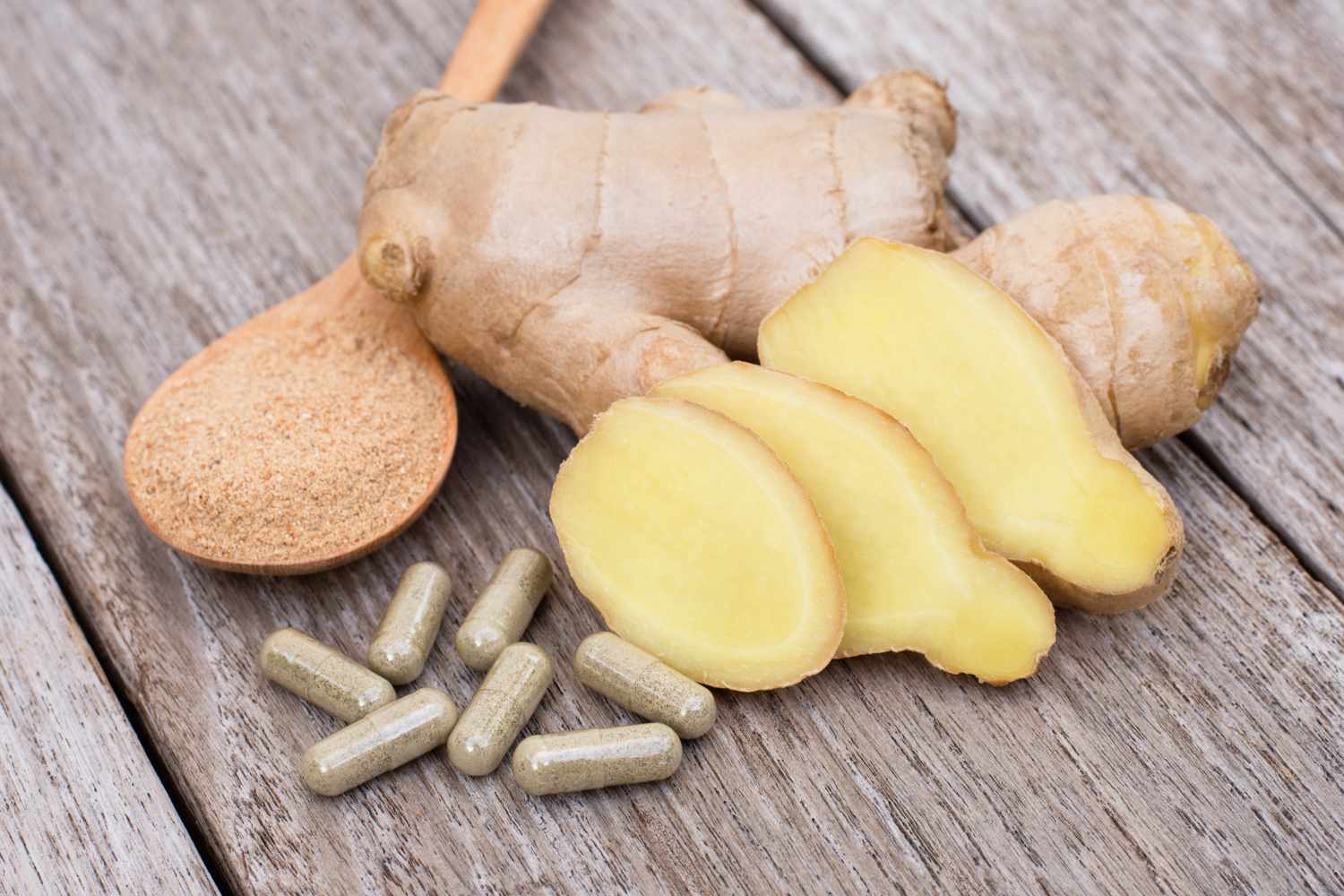
| Ginger tea or peppermint | Fried and greasy foods |
| Cold, bland foods (cucumbers, melon) | Heavy cream sauces or buttery dishes |
| Lean proteins (turkey, egg whites) | High-sugar carbonated beverages |
| Small portions of well-cooked vegetables | Raw, cruciferous veggies (if bloating is high) |
Core Strategy 3: Hydration and Fiber Management
Constipation is one of the most common—and most overlooked—side effects of GLP-1 therapy. The medication can actually suppress your thirst cues along with your hunger cues, leading to sub-clinical dehydration which hardens the stool.
To combat this, target at least 64 to 80 ounces of water daily. If you struggle with plain water, try adding electrolytes or citrus slices. Regarding fiber, the goal is "slow and steady." Adding a massive amount of fiber (like a large kale salad) to a slow-moving digestive tract can actually cause more pain. Instead, opt for soluble fiber sources like chia seeds, psyllium husk, or softened oats, which help move waste through the system more gently.
Expert Tip: If you are experiencing diarrhea rather than constipation, focus on the BRAT diet (Bananas, Rice, Applesauce, Toast) temporarily and prioritize electrolyte replacement. The goal is to prevent the dehydration-nausea-vomiting cycle that can lead to ER visits.
Movement and Physical Activity
While it might be the last thing you want to do when feeling nauseous, light movement is a powerful pro-kinetic—meaning it helps stimulate the natural contractions of your digestive tract.
A 10-minute gentle walk after eating can significantly reduce gas and bloating. Furthermore, as a nutrition editor, I cannot overstress the importance of resistance training. GLP-1 medications can lead to muscle loss if protein intake and physical activity are ignored. Combining high-protein nutrition with light weight-bearing exercises ensures that the weight you lose comes from fat, not functional muscle tissue.
Safety First: Recognizing the Red Flags
While the vast majority of digestive side effects are manageable "nuisance" symptoms, there are rare but serious complications that require immediate medical attention. Serious GLP-1 side effects like pancreatitis occur in less than 1% of patients, but they must be taken seriously.
| Normal Side Effects | Serious Red Flags (Seek Care) |
|---|---|
| Mild to moderate nausea | Severe, "wrap-around" abdominal pain |
| Occasional constipation | Persistent, uncontrollable vomiting |
| Feeling full quickly | Jaundice (yellowing of the eyes/skin) |
| Mild changes in taste | Fever and chills accompanied by stomach pain |
Emergency Checklist: If you experience sharp pain that radiates to your back, or if you are unable to keep liquids down for more than 24 hours, contact your physician or visit an urgent care facility immediately.
FAQ
Q: Will the nausea ever go away, or is this my new life? For about 90% of patients, nausea is most intense during the first 2-4 weeks of a new dose and significantly dissipates as the body adapts. It is rarely a permanent side effect if you follow a slow titration schedule and adjust your meal sizes.
Q: Can I take over-the-counter (OTC) meds for these side effects? Many patients find relief with OTC options like ginger supplements, Vitamin B6, or anti-gas medications. However, always consult your prescribing doctor before adding supplements, as they can interact with your overall treatment plan.
Q: Why do I feel more nauseous in the morning? This is often due to "reflux" from a slow-moving digestive tract overnight. Try to stop eating at least 2-3 hours before bed and keep your head slightly elevated to prevent gastric juices from causing morning irritation.
Taking Control of Your Journey
Managing GLP-1 digestive safety is about more than just "powering through." It is about listening to your body’s new signals and adjusting your environment to support its success. By implementing the 80% fullness rule, prioritizing protein, and staying meticulously hydrated, you turn a potentially rocky transition into a manageable path toward metabolic health.
Remember, you are not just taking a medication; you are embarking on a total health recalibration. If you need more specific guidance on meal planning or managing specific symptoms, don't hesitate to reach out to a registered dietitian who specializes in GLP-1 therapy.