If you’ve spent years being told you have "just IBS" while your stomach distends like a balloon after every meal, you aren’t alone. Clinical data suggests that up to 78% of patients with IBS also test positive for Small Intestinal Bacterial Overgrowth (SIBO), indicating a significant overlap between these two digestive conditions. This isn't just "in your head"—it’s a physiological reality where the delicate balance of your microbiome has shifted into the wrong neighborhood.
The IBS-SIBO Connection: Bacteria in the Wrong Neighborhood
Think of your digestive tract as a series of specialized rooms. Your large intestine is designed to be a bustling metropolis of trillions of bacteria that ferment fiber and produce beneficial metabolites. Your small intestine, however, is meant to be a relatively quiet hallway, primarily responsible for nutrient absorption. SIBO occurs when bacteria from the large intestine—or those naturally present in the small intestine—overpopulate that hallway.
When these "wrong neighborhood" bacteria encounter carbohydrates, they ferment them prematurely. This creates gas (hydrogen, methane, or hydrogen sulfide) in a narrow tube not designed to expand, leading to the intense, painful pressure we recognize as chronic bloating. Understanding this connection is the first step toward reclaiming your gut health through a structured, evidence-based approach.

Section 1: Identifying the Root Cause of Chronic Bloating
As a nutrition editor, I often see patients jump straight into restrictive diets without asking the most important question: Why did the bacteria move in to begin with? For a chronic bloating relief guide to be effective, we must address the underlying "why."
The most effective way to address chronic bloating is to identify the root cause while simultaneously using antimicrobial therapy and structured dietary stages. Without addressing the root cause, SIBO has a relapse rate as high as 40% within the first few months. Common culprits include:
- Motility Disorders: A sluggish Migrating Motor Complex (the "cleansing wave") fails to sweep bacteria out of the small intestine.
- Hypothyroidism: Low thyroid hormone levels slow down the entire digestive process.
- Structural Issues: Prior abdominal surgeries, adhesions, or diverticuli can create "blind loops" where bacteria get trapped.
- Low Stomach Acid: Acid is your first line of defense against ingested bacteria. Overuse of PPIs (antacids) can inadvertently invite overgrowth.
The SIBO Breath Test: Your Diagnostic Compass
To confirm if SIBO is the driver of your symptoms, a lactulose or glucose breath test is the gold standard. You’ll consume a sugar solution and collect breath samples every 15-20 minutes. Doctors look for a rise in gases, which tells us which type of "overgrowth" we are dealing with.
| Feature | Hydrogen-Predominant (H2) | Methane-Predominant (CH4/IMO) |
|---|---|---|
| Primary Symptom | Diarrhea or urgency | Constipation and straining |
| Gas Produced | Hydrogen gas | Methane (produced by archaea) |
| Common Sensation | Rapid bloating after meals | Constant, heavy bloating |
| Standard Treatment | Rifaximin | Rifaximin + Neomycin or Allicin |
Section 2: The 3-Stage Dietary Recovery Plan
Dietary management for SIBO is not about permanent restriction; it is about therapeutic clearance and long-term resilience. Patients who implement a structured 3-stage dietary reintroduction plan report a 60% higher rate of long-term symptom maintenance compared to those using restrictive diets alone.
Stage 1: The Low-Fermentation Reset (2-4 Weeks)
In this initial phase, our goal is to "starve" the overgrowth by limiting the fermentable carbohydrates that feed the bacteria. This is often referred to as a Low-Fermentation Diet or a modified Low-FODMAP approach.
A low-fermentation diet helps reduce chronic bloating by limiting the carbohydrates that feed bacteria in the small intestine, thereby decreasing gas production during the healing process.
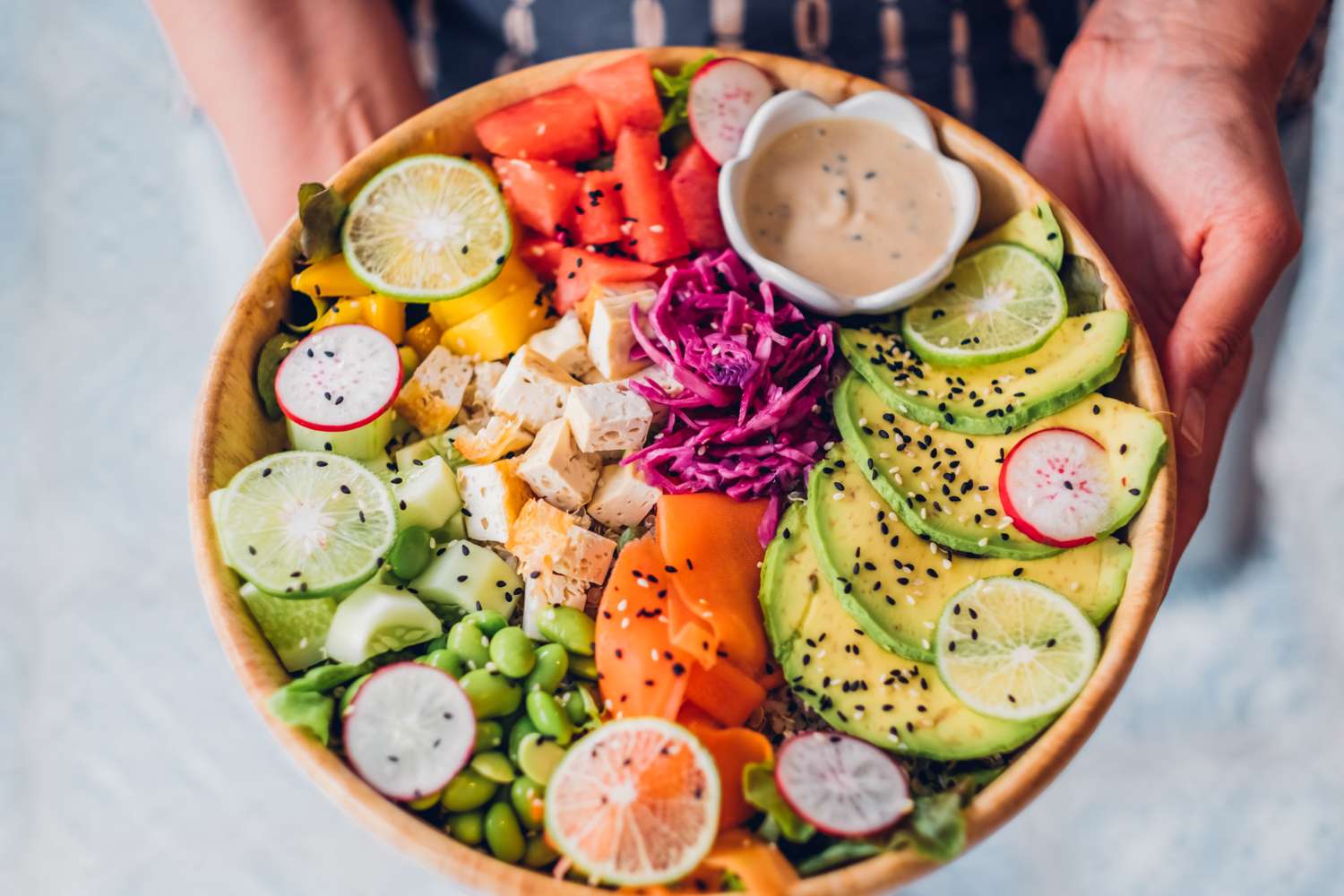
- What to eat: Focus on lean proteins (chicken, fish, eggs, tofu), non-starchy vegetables (carrots, cucumbers, zucchini, spinach), and easily digestible starches like white rice, sourdough bread (in moderation), and potatoes.
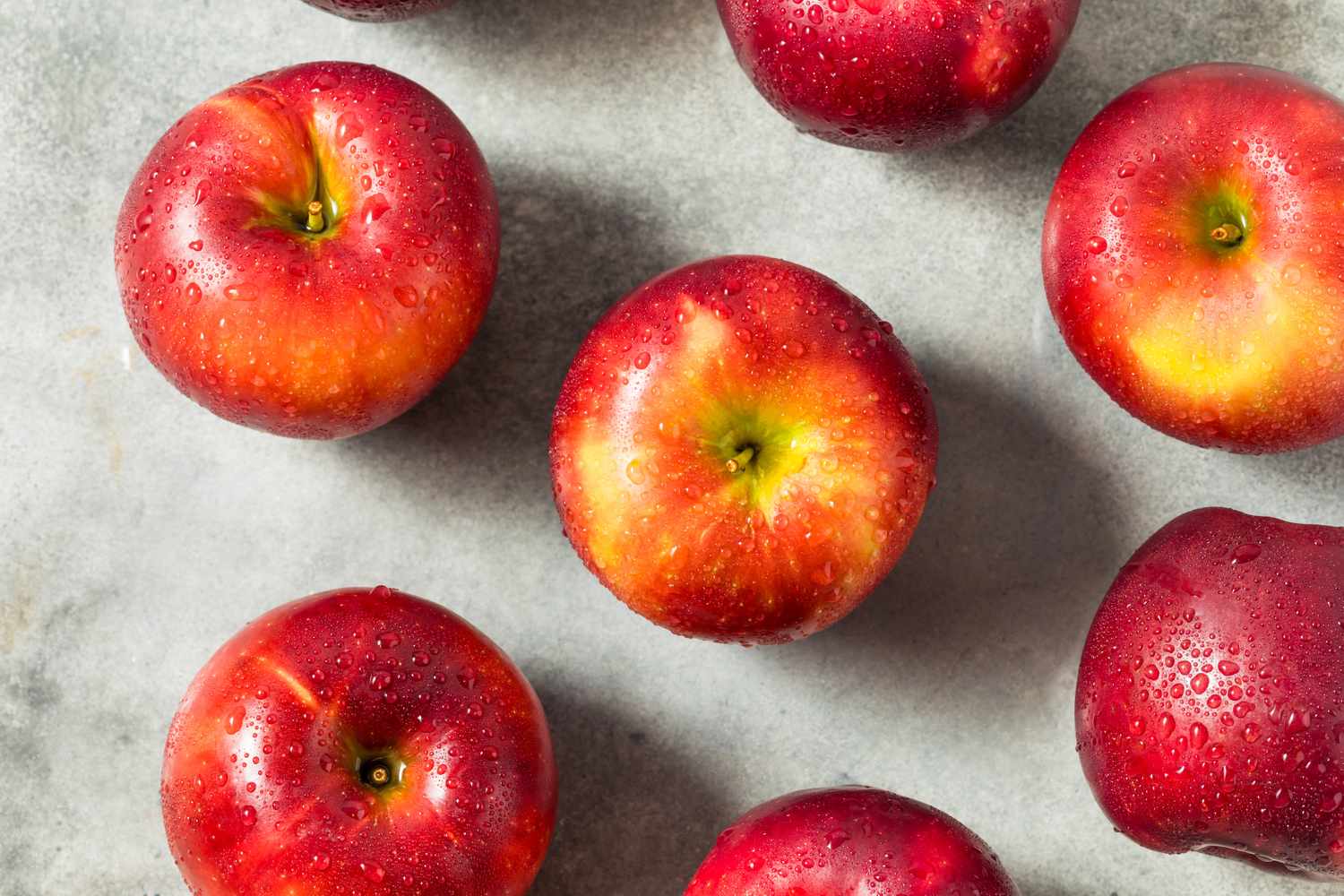
- What to limit: High-fiber "prebiotics" like garlic, onions, beans, and certain fruits (apples, pears) which act as fuel for the overgrowth.
Stage 2: Structured Reintroduction and Personalization
Once symptoms have stabilized (usually after antimicrobial treatment), we begin the reintroduction phase. This is the most critical part of the SIBO natural treatment stages. We test one FODMAP category at a time (e.g., Fructans like wheat, or Polyols like mushrooms) to identify your specific threshold.
Emily’s Pro-Tip: Don't test multiple new foods at once. Keep a "Symptom Journal" for 72 hours after introducing a new food to account for delayed fermentation reactions.
Stage 3: Maintenance for Gut Resilience
The final goal is a liberal, diverse diet. A diverse microbiome is a resilient microbiome. In this stage, we focus on "feeding the good guys" in the large intestine while maintaining the habits that prevent SIBO from returning. We transition toward a "Calm Meal" strategy, focusing on high-quality fats and fibers that your body can now handle.
Section 3: Mastering Gut Motility to Prevent Relapse
If Stage 2 is about what you eat, Section 3 is about how you eat. To manage SIBO and prevent relapse, you must support the Migrating Motor Complex (MMC).
The MMC is often called the "housekeeper wave." It is a rhythmic contraction of the GI tract that occurs only when we are in a fasted state. It sweeps undigested food and bacteria out of the small intestine and into the colon. If you are a "grazer" who eats every two hours, your MMC never gets a chance to turn on.
The Rules of Meal Spacing
- 3 to 4 Hour Gaps: Space your meals at least 3 to 4 hours apart. This allows the gut's natural cleansing wave to clear bacteria.
- Avoid Constant Snacking: Every time you eat—even a small cracker—the MMC stops.
- Nighttime Fasting: Aim for a 12-hour window between dinner and breakfast. This gives your gut the longest uninterrupted time for "cleaning."
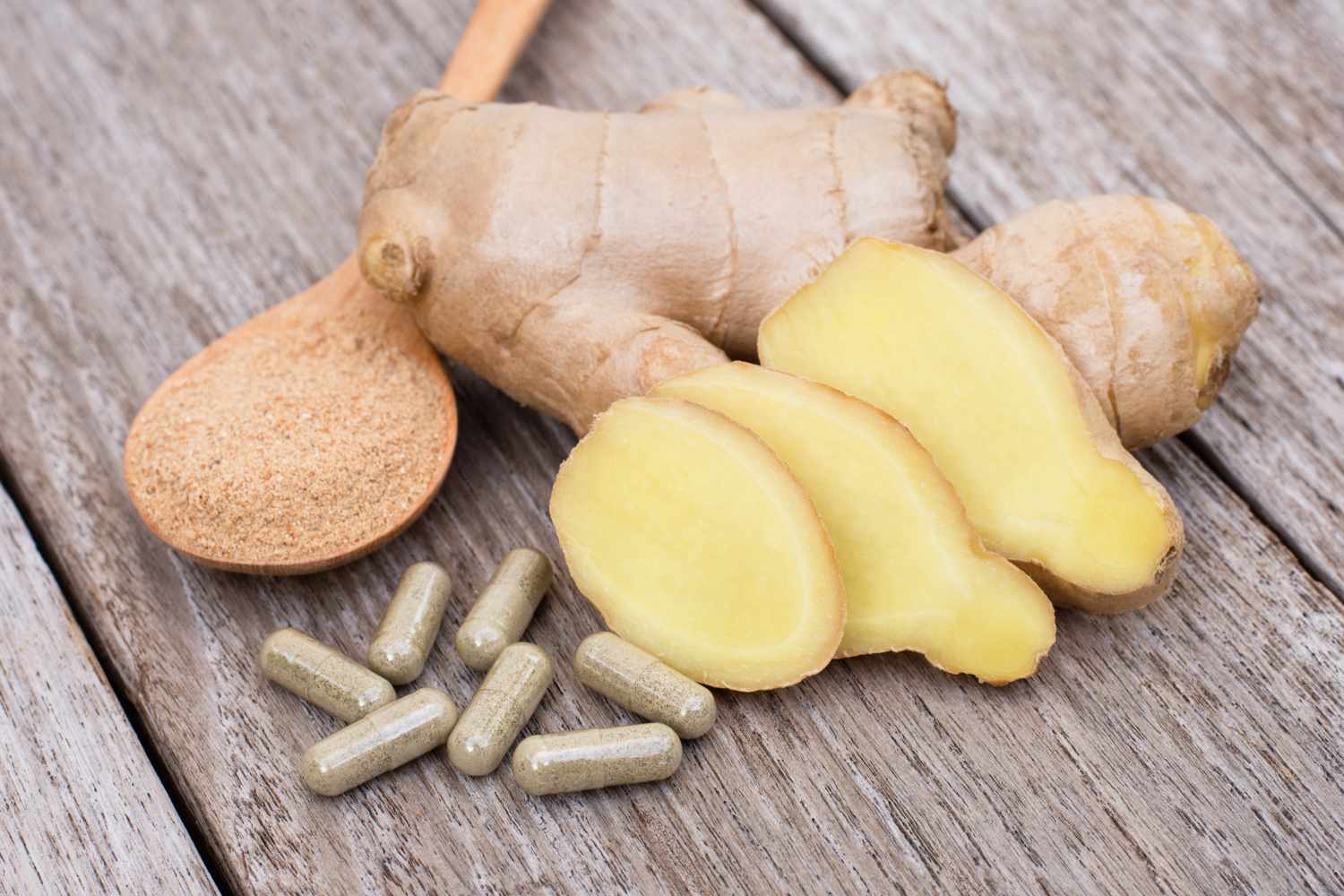
- Prokinetic Support: Sometimes the MMC needs a nudge. Natural prokinetics like Ginger root or specialized supplements (MotilPro or Iberogast) can help keep the sweep active.
Section 4: Natural Treatment and Supplement Science
While diet manages symptoms, we often need "antibacterial" intervention to actually reduce the bacterial load. You have two main paths: pharmaceutical or herbal.
Herbal Antimicrobials Research from Johns Hopkins has shown that herbal protocols can be just as effective as Rifaximin (the standard antibiotic for SIBO). Typical protocols include:
- Berberine: High-potency antimicrobial effective for hydrogen SIBO.
- Neem: Often used in combination with Berberine to break down bacterial biofilms.
- Oregano Oil: A potent broad-spectrum antimicrobial (should be used under professional guidance as it is very strong).
The Allicin Approach for Methane Methane-predominant overgrowth is caused by Archaea, not bacteria. These organisms are tougher to kill. Allicin (the therapeutic extract of garlic, without the fermentable sugars) is the specialized approach for methane-predominant SIBO. Unlike eating raw garlic—which would cause massive bloating—purified Allicin targets the methane-producers specifically.
The Probiotic Debate Many people try to fix bloating by taking more probiotics. However, in the context of SIBO, adding more bacteria to an already "overgrown" small intestine can sometimes act like "throwing gasoline on a fire."
- Avoid: Prebiotic-heavy formulas (FOS/Inulin) during the Reset phase.
- Consider: Saccharomyces boulardii (a beneficial yeast) or soil-based organisms (Spore-based probiotics), which are less likely to colonize the small intestine.
Section 5: Lifestyle and 'Meal Hygiene' Habits
The gut-brain axis plays a massive role in how well our motility functions. If you are eating in a "fight or flight" state, your body diverts blood flow away from digestion, effectively shutting down motility and enzyme production.
- Mindful Eating: Chew each bite 20-30 times. Digestion begins in the mouth with salivary amylase.
- Stress Management: High cortisol inhibits the MMC. Simple deep breathing before a meal can shift your nervous system into "rest and digest" mode.
- Hydration: Drink plenty of water between meals, but limit fluids during meals to avoid diluting stomach acid and digestive enzymes.
FAQ
Can I cure SIBO with diet alone? While a low-fermentation diet is excellent for managing IBS and SIBO symptoms, diet alone rarely "cures" the overgrowth. Think of diet as the management tool and antimicrobials/prokinetics as the clearance and prevention tools.
How long does it take to see results? Most patients report a significant reduction in bloating within the first 2 weeks of the Low-Fermentation Reset. However, the full 3-stage process—including root cause work and reintroduction—typically takes 3 to 6 months.
Why does my bloating return after treatment? Relapse usually happens because the root cause (like poor motility or low stomach acid) wasn't addressed, or because the patient didn't implement meal spacing to support the MMC. SIBO is often a symptom of a larger digestive dysfunction.
Are fermented foods good for SIBO? In the early stages, fermented foods (kimchi, sauerkraut, kefir) can actually worsen symptoms because they contain live bacteria and fermentable substrates. It’s best to wait until Stage 3 (Maintenance) to reintroduce these.
Take Action Today
Managing SIBO requires a shift from "quick fix" thinking to a "systemic" approach. By combining the Low-Fermentation diet with strategic meal spacing and a focus on motility, you can finally break the cycle of chronic bloating.
Download the SIBO-Friendly Meal Plan Starter →
Disclaimer: This guide is for informational purposes and should not replace professional medical advice. Always consult with a healthcare provider before starting new supplements or restrictive diets.