Do your knees throb after mile 3? Or perhaps you’ve felt that sharp, nagging sting in your heel the morning after a long Sunday run? If you’ve ever had to cut a workout short because your feet felt like they were hitting concrete with every stride, you aren’t alone—but you are likely wearing the wrong gear.
As a fitness editor, I’ve seen countless athletes push through "the grind," only to end up sidelined by stress fractures or chronic inflammation. The reality is that your running shoes are the only interface between your body and the ground. Proper running shoes protect your joints by utilizing advanced foam midsoles and crash pads to absorb impact forces, while stability features like GuideRails ensure neutral alignment to prevent knee and ankle strain. Without this mechanical intervention, the repetitive force of three to four times your body weight travels straight up your kinetic chain.
To help you stay on the road and out of the physical therapist’s office, our expert team at the lab rigorously tested 24 pairs of specialized running shoes over 12 unique runs per pair. We evaluated everything from long-term durability to joint impact protection to bring you the definitive guide for 2024.
The Anatomy of Protection: What to Look For
Before we dive into the specific models, it’s crucial to understand the biomechanics of shoe construction. Not all "cushion" is created equal. From a clinical perspective, we look at three primary factors: midsole chemistry, stack height, and stability geometry.
Modern midsole technology has moved beyond basic EVA foam. We are now seeing the rise of PEBA (Polyether Block Amide) and Supercritical foams, which are infused with nitrogen or CO2 to create a cell structure that is both lighter and more resilient. These foams don't just feel soft; they return energy, reducing the muscular fatigue that often leads to poor form and joint injury. Furthermore, stack height—the amount of material between your foot and the ground—plays a pivotal role. The latest Hoka Clifton series, for instance, features a 3mm increase in stack height, specifically engineered to provide superior shock absorption and Achilles protection compared to previous models.
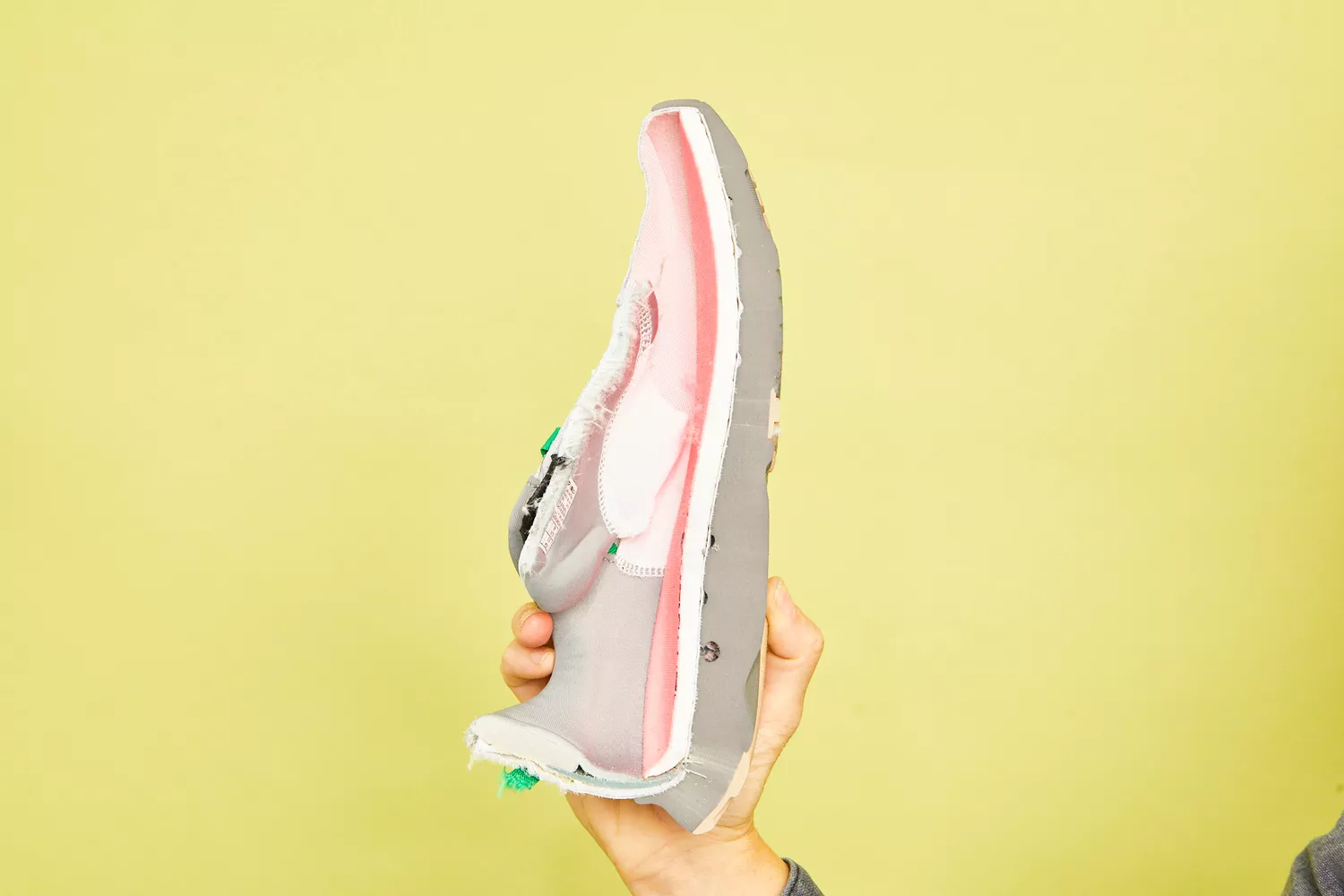
Finally, you must choose between stability and neutral shoes. Stability shoes are designed for runners with flat feet or overpronation to control inward rolling, whereas neutral cushioned shoes are best for high arches to provide maximum shock absorption.
Best Overall Training Shoes
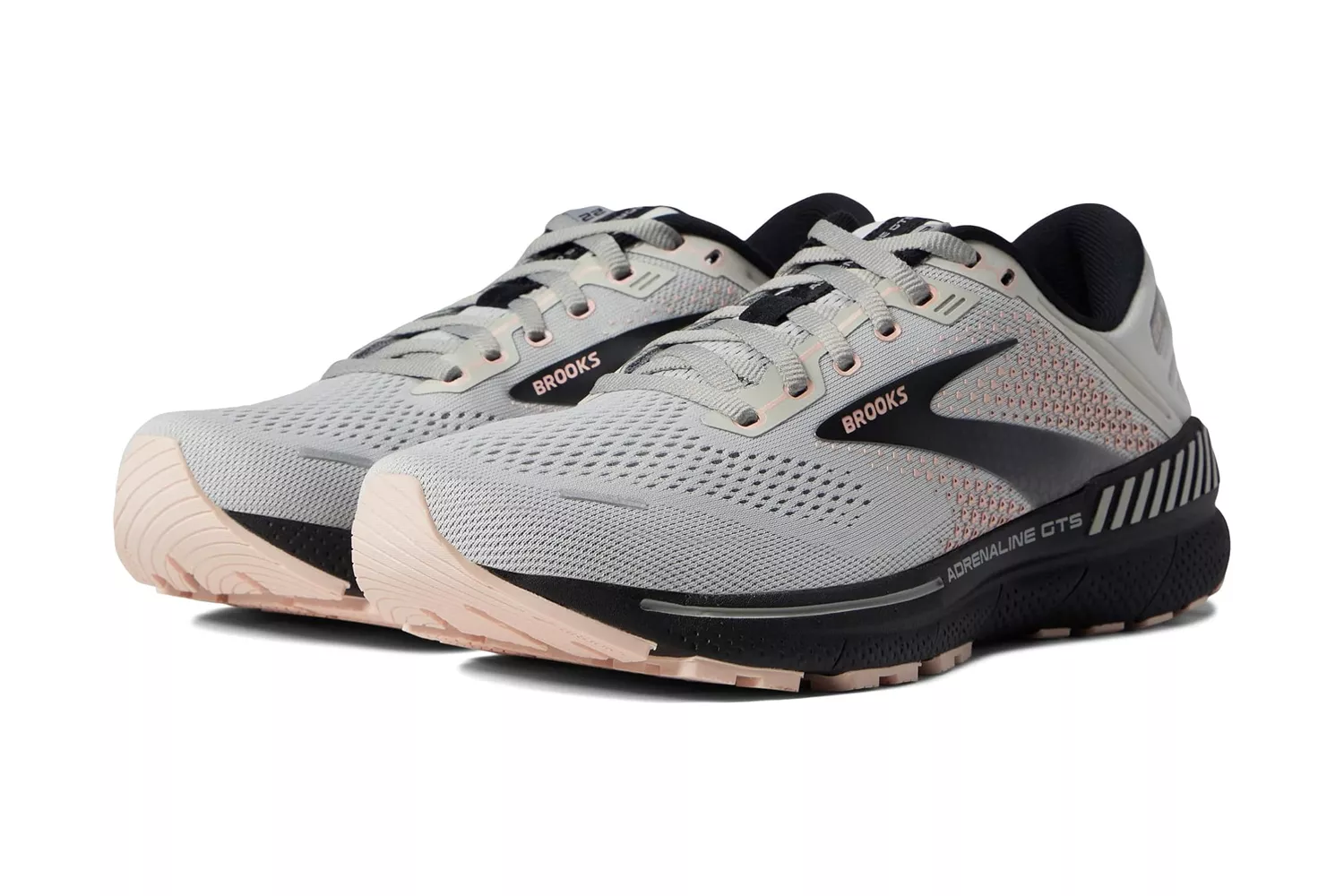
1. Brooks Adrenaline GTS 22 (Best for Stability)
The Brooks Adrenaline GTS 22 has long been the "gold standard" for runners who need a reliable partner for daily miles. What sets this shoe apart is the GuideRails holistic support system. Instead of traditional "posts" that can feel intrusive, GuideRails act like bowling alley bumpers, only intervening when your foot moves outside its natural path of motion. This keeps the body aligned and significantly reduces excess knee movement, which is the primary culprit behind "Runner's Knee."
Key Specs:
| Feature | Specification |
|---|---|
| Weight | 10.2 oz (Men's) / 9.1 oz (Women's) |
| Drop | 12mm |
| Stack Height | 36mm (Heel) / 24mm (Forefoot) |
- Pros: Exceptional alignment support; smooth transitions via the segmented crash pad; durable outsole.
- Cons: Higher drop may not suit midfoot strikers; slightly firmer ride than maximalist competitors.
Shop Brooks Adrenaline GTS 22 →
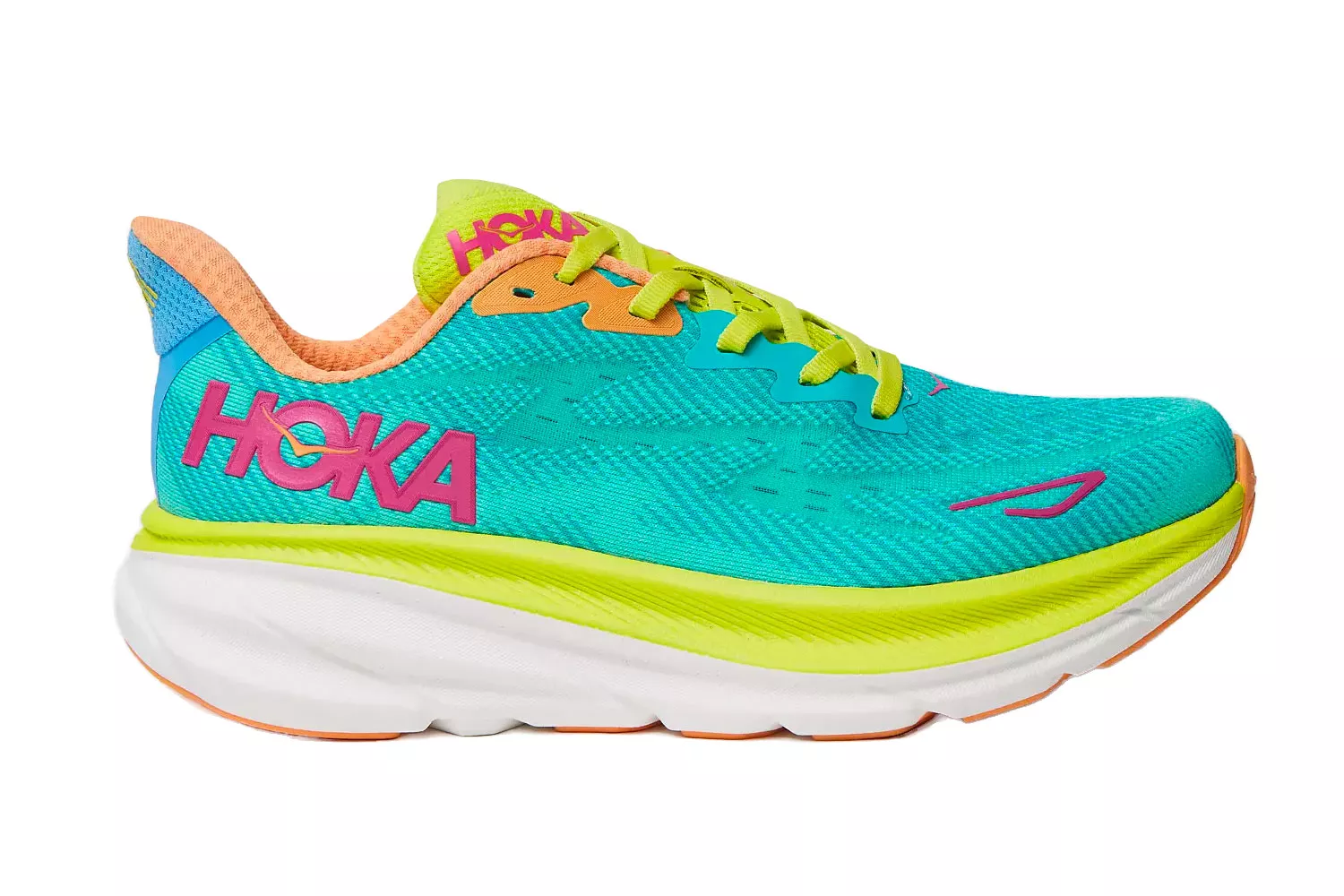
2. Hoka Clifton 9/10 (Best Cushioned)
If you are looking for that "running on clouds" sensation without the bulk, the Hoka Clifton series is the answer. During our 12-run test cycle, the Clifton 9 consistently ranked highest for impact attenuation on downhill sections. The early-stage Meta-Rocker geometry is the secret sauce here; it creates a fulcrum effect that encourages a smooth roll through the gait cycle, reducing the time your foot spends under high-pressure load.
Key Specs:
| Feature | Specification |
|---|---|
| Weight | 8.7 oz (Men's) / 7.3 oz (Women's) |
| Drop | 5mm |
| Stack Height | 32mm (Heel) / 27mm (Forefoot) |
- Pros: Incredible weight-to-cushion ratio; balanced ride; soft yet responsive foam.
- Cons: Narrow midfoot may feel restrictive for some; rocker feel takes a few runs to get used to.
Specialized Solutions for Foot Pain
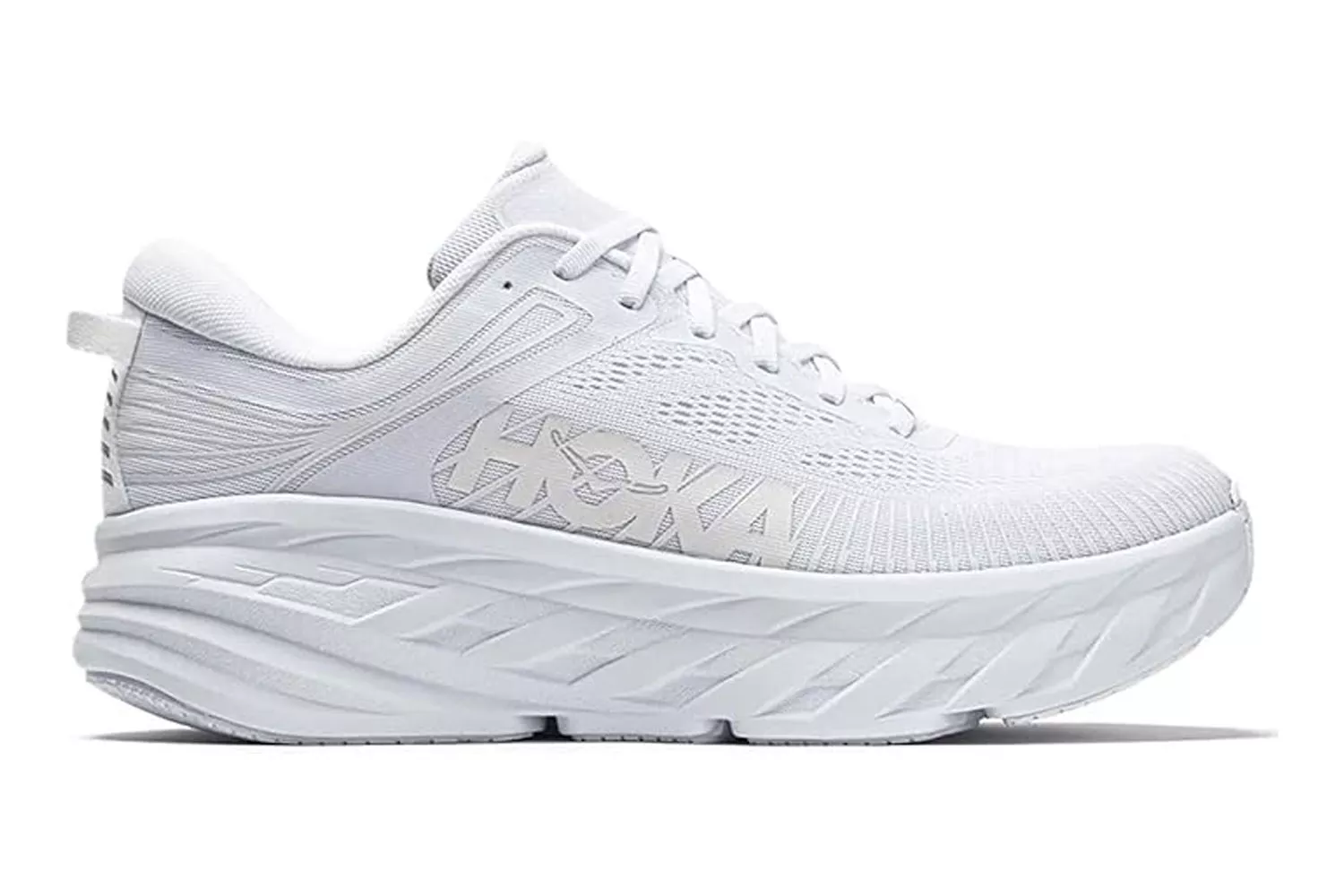
3. Hoka Bondi 8 (Best for Plantar Fasciitis)
To alleviate plantar fasciitis while running, you need a shoe that limits the strain on the plantar fascia ligament. The Hoka Bondi 8 achieves this through a deep heel cup, rigid arch support, and maximum cushioning. By cradling the heel and providing a stiff, rockered sole, the Bondi 8 reduces the amount of "windlass mechanism" (the stretching of the arch) required during toe-off.
Key Specs:
| Feature | Specification |
|---|---|
| Weight | 10.8 oz |
| Drop | 4mm |
| Stack Height | 39mm (Heel) / 35mm (Forefoot) |
- Pros: Unmatched shock absorption; wide base provides natural stability.
- Cons: Heavy; lacks the "ground feel" that some advanced runners prefer.
4. New Balance Fresh Foam X 1080v12 (Best for Wide Feet)
Foot pain often stems from "toe bunching," which can lead to bunions or Morton’s Neuroma. The Fresh Foam X 1080v12 features a premium Hypoknit upper that stretches and adapts to the foot’s shape, providing bunion relief without sacrificing a secure fit. The Fresh Foam X midsole is remarkably plush, making it an excellent daily trainer for those who prioritize comfort over speed.
- Key Specs: 8mm drop, 10.3 oz weight.
- Best for: High arches and wide-footed runners needing a premium, soft feel.
5. Brooks Ghost 17 (Best Daily Trainer for Beginners)
For those just starting their fitness journey, the Brooks Ghost 17 offers a reliable, "neutral" platform. It utilizes DNA Loft v3 foam, which is nitrogen-infused for a softer, more protective landing. Its 10mm drop is particularly beneficial for beginners who tend to heel strike, as it provides extra protection for the calcaneus and Achilles tendon.
High-Performance & Trail Protection
6. ASICS Gel-Kayano 32 (Best for Severe Overpronation)
The Gel-Kayano has been a staple for decades for a reason. Its 4D Guidance System provides adaptive stability, which means the shoe gets more supportive as your form breaks down late in a run. This is crucial for protecting the ankles and lower back during marathon training.
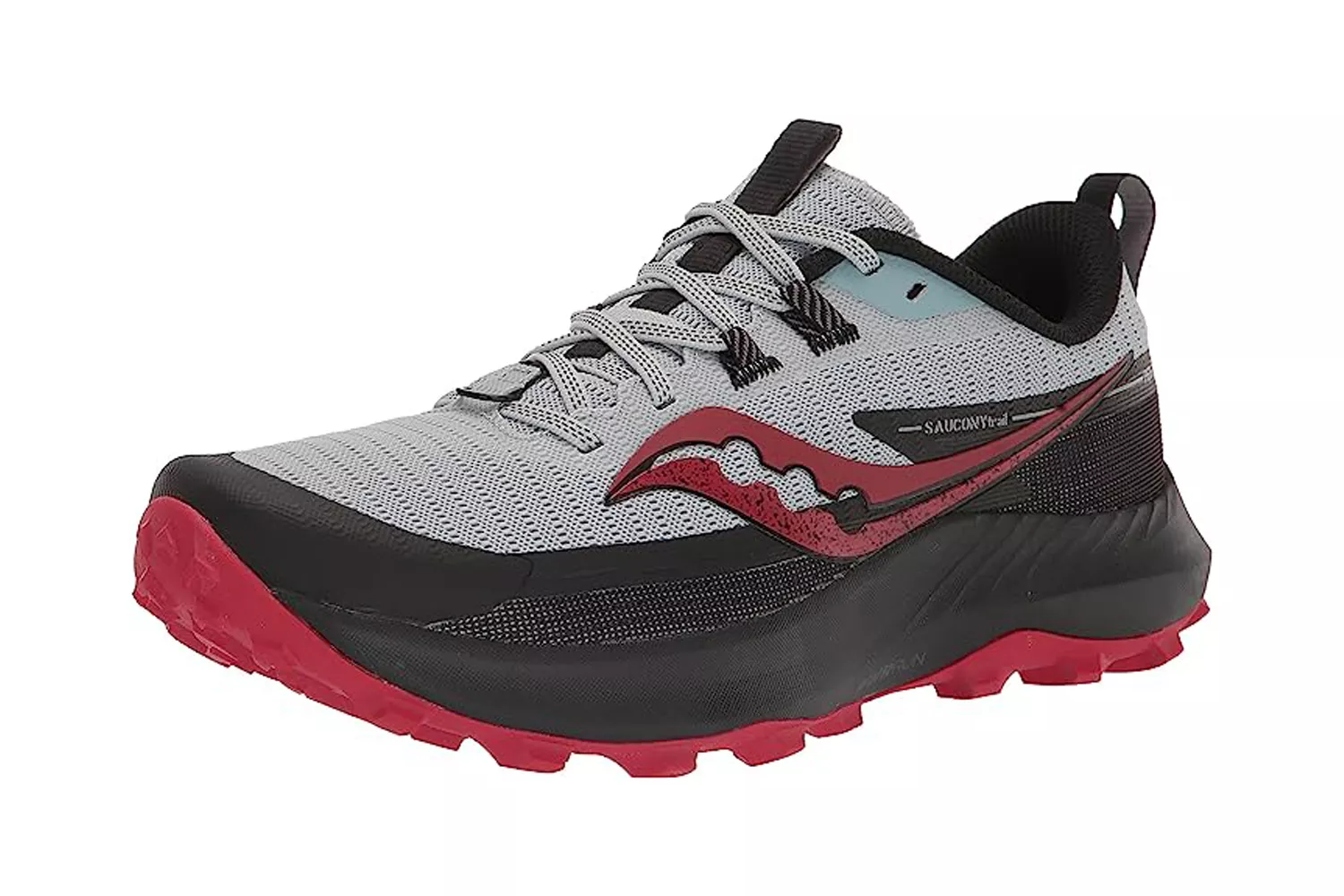
7. Saucony Peregrine 13 (Best for Trail Joint Support)
Trail running presents a different set of challenges: uneven surfaces and sharp rocks. The Saucony Peregrine 13 protects your joints on the trails with a built-in rock guard and 5mm lugs for aggressive traction. This stability prevents the micro-twists in the ankle that lead to ligament strain.
8. Adidas Adizero Evo SL (Best Lightweight Protection)
If you want to go fast but your joints can’t handle the "slap" of a traditional racing flat, the Evo SL is a revelation. It uses Lightstrike Pro foam—the same stuff found in world-record-breaking shoes—but in a more stable, daily-friendly geometry.
9. Puma ForeverRun Nitro 2 (Best for Knee Pain)
Puma has made massive strides in foam technology. The ForeverRun Nitro 2 uses a dual-density Nitro foam core. The softer inner core provides comfort, while the firmer outer rim keeps the foot centered, directly addressing the medial-lateral wobble that causes knee pain.
10. Saucony Guide 16 (Best for Flat Feet)
The Guide 16 is a streamlined stability shoe. It’s less "bulky" than the Kayano, making it a great choice for flat-footed runners who still want a nimble, fast-feeling shoe for tempo sessions.
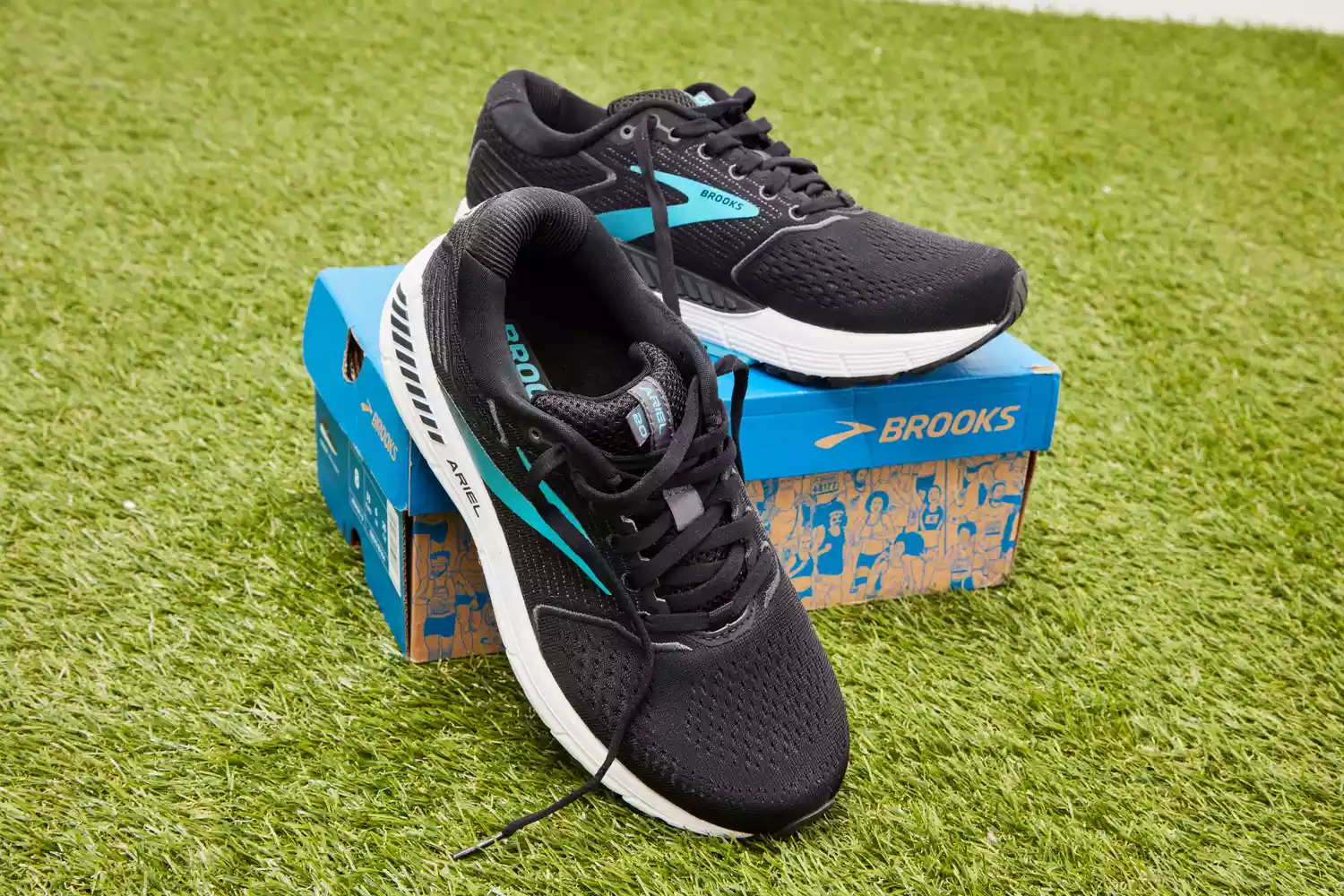
11. Brooks Ariel/Beast 20 (Best for Maximum Shock Absorption)
This is the "heavy hitter" of the lineup. Engineered for runners who require the highest level of motion control and impact protection, the Ariel/Beast features an extended Progressive Diagonal Rollbar to keep the entire body in its natural path of motion.
12. On Cloudrunner 2 (Best for Toe Arthritis)
Arthritis in the big toe (Hallux Rigidus) requires a shoe with a spacious, rounded toe box and a stiff forefoot to prevent painful bending. The Cloudrunner 2 offers a unique "cradle" shape that accommodates swelling while providing a stable, wide base.
Expert Buyer's Guide: Stability vs. Neutral
Choosing between stability and neutral shoes is the most important decision you’ll make for your joint health. Here is how to self-diagnose:
- The Wet Foot Test: Wet your foot and step on a piece of cardboard.
- Flat Print: You likely have flat feet and overpronate (foot rolls inward). You need Stability shoes like the Brooks Adrenaline or ASICS Gel-Kayano.
- High Arch Print: You likely supinate (foot rolls outward). You need Neutral cushioned shoes like the Hoka Clifton or Brooks Ghost to provide the shock absorption your rigid arches lack.
Expert Tip: If you wear neutral shoes but have flat feet, your ankles will collapse inward, causing your shins and knees to rotate internally. This is a primary cause of shin splints and IT band syndrome.
When to Replace Your Shoes
Even the best shoes have an expiration date. From a performance standpoint, we follow the 300-500 mile rule. However, miles aren't the only metric. You should replace your shoes immediately if:
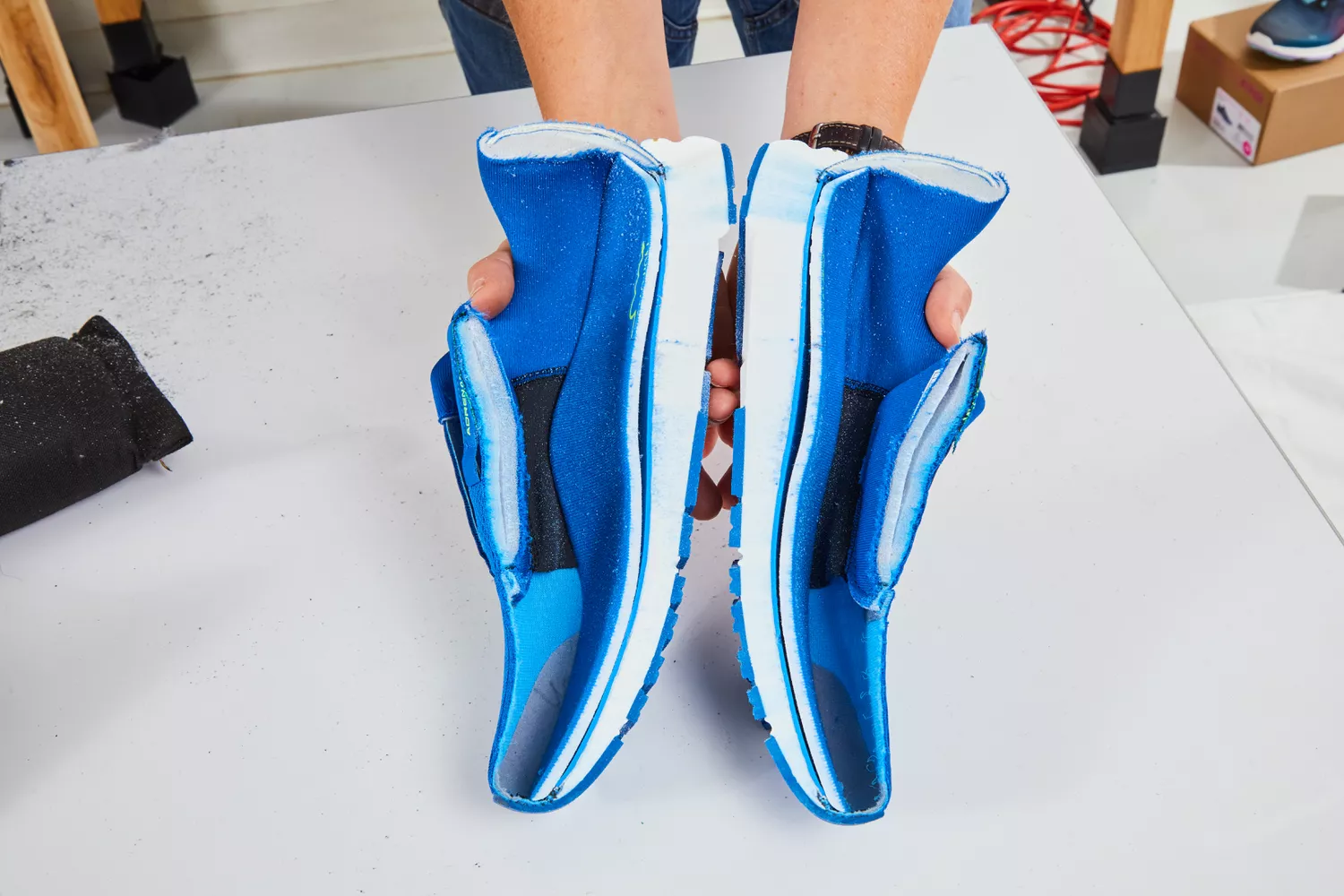
- The Midsole Collapses: If you see deep horizontal creases in the foam, the "bubbles" have popped, and the energy return is gone.
- The "Morning After" Test: If you start waking up with joint aches that weren't there a month ago, the cushioning has likely reached its limit.
- Uneven Wear: If the tread is worn down on only one side, the shoe is no longer providing the level of support it was designed for.
FAQ
Q: Can I use "running" shoes for the gym or HIIT workouts? A: While possible, running shoes are designed primarily for forward (sagittal) motion. High-cushion running shoes can be unstable during lateral (side-to-side) movements like lunges or box jumps, potentially leading to ankle sprains.
Q: Does a higher price always mean better joint protection? A: Not necessarily. While premium shoes (like the NB 1080) use more expensive foams, the type of support matters more than the price. A $110 shoe that fits your arch type is better than a $200 shoe that doesn't.
Q: Should I buy a size larger in running shoes? A: Usually, yes. Your feet swell during a run. We recommend a "thumb's width" of space between your longest toe and the end of the shoe to prevent black toenails and forefoot pain.
Take Control of Your Stride
Don't let foot pain dictate your fitness goals. Whether you’re a beginner looking for your first pair of Brooks Ghosts or a seasoned marathoner needing the maximalist protection of the Hoka Bondi, the right gear is an investment in your longevity. Take the "Wet Foot Test" today, evaluate your current mileage, and make the switch to a shoe that works with your biomechanics, not against them.
Your joints will thank you at mile 20—and ten years from now.