Quick Facts
- The Gap: The American Heart Association (AHA) recommends no more than 6–9 teaspoons of added sugar per day, yet the average American consumes roughly 17 teaspoons—totaling about 60 pounds of added sugar annually.
- Metabolic Impact: Excess sugar contributes to chronic diseases primarily through the accumulation of visceral fat and the elevation of blood glucose, which together trigger oxidative stress and insulin resistance.
- Hidden Risks: Beyond weight gain, high sugar intake is a leading driver of non-alcoholic fatty liver disease (NAFLD) and can elevate uric acid levels, increasing the risk for gout and kidney stones.
- The Fiber Factor: Switching from processed juices to whole fruits reduces sugar spikes because the natural fiber in fruit slows down sugar absorption, preventing metabolic overload.
- National Health Trends: CDC data indicates that U.S. adult obesity reached 42.2% in 2018, a trajectory heavily linked to the prevalence of high-sugar processed foods.
The Invisible Overload: Sugar Hidden in Plain Sight
For most of my career as a nutrition editor, I have advocated for one primary principle: food should be fuel, not a biological burden. However, in the modern food landscape, that fuel has become increasingly contaminated with "hidden" sugars. When we think of sugar, we often visualize the white granules in a bowl or the frosting on a cupcake. But for the average consumer, the most dangerous sugars are those tucked away in items marketed as "savory" or "healthy"—think balsamic glazes, "heart-healthy" whole-wheat breads, organic pasta sauces, and low-fat salad dressings.
This "invisible overload" creates a significant disconnect between what we think we are eating and what our bodies are actually processing. While sugar is a natural energy source in the form of glucose, our modern intake has shifted from a dietary necessity to a chronic threat. We have moved from consuming sugar as a rare treat to it being a foundational ingredient in nearly 75% of packaged foods. This constant exposure keeps our insulin levels chronically elevated, setting the stage for systemic dysfunction.
How Sugar Drives Disease: The Biological Mechanism
To understand why excess sugar is so damaging, we must look past the calories and toward the biochemistry. When you consume a high-sugar meal, your blood glucose spikes. In response, the pancreas pumps out insulin to move that glucose into your cells. However, when this happens repeatedly, your cells begin to "tune out" the signal—a state known as insulin resistance.
This is where the real trouble begins. When cells are resistant to insulin, the liver is forced to convert excess sugar into triglycerides (fat). Much of this fat is stored as visceral fat, the dangerous kind that wraps around your internal organs. Unlike subcutaneous fat (the kind you can pinch), visceral fat is metabolically active, pumping out inflammatory cytokines that circulate throughout the body.
Expert Insight: Liquid calories, such as those found in sodas and sweetened lattes, are particularly hazardous. Because they lack fiber and protein, they bypass the body’s "chewing-induced" satiety signals and are absorbed almost instantly, causing a metabolic "tsunami" that the liver must struggle to process.
This process triggers a cascade of oxidative stress—a state where the body has too many free radicals and not enough antioxidants to neutralize them. Over time, this oxidative stress damages DNA and cellular structures, serving as the common denominator for almost every chronic condition we face today.
The Triple Threat: Obesity, Heart Disease, and Diabetes
The relationship between sugar and chronic disease is not merely correlational; it is foundational. We see this impact most clearly in the "Triple Threat" of modern metabolic health.
1. The Obesity Epidemic and Leptin Resistance
We often blame obesity on a lack of willpower, but the biochemistry of fructose tells a different story. Fructose, a major component of table sugar and high-fructose corn syrup, is processed almost entirely in the liver. Excessive fructose intake has been shown to cause leptin resistance. Leptin is the hormone that tells your brain you are full. When you become leptin-resistant, your brain thinks you are starving even if you have plenty of stored fat, leading to a vicious cycle of overeating. According to the CDC, U.S. adult obesity hit 42.2% in 2018, marking an upward trajectory that mirrors our increased consumption of processed sweets.
2. Cardiovascular Health: More Than Just Cholesterol
For decades, we were told that saturated fat was the primary enemy of heart health. However, recent research suggests that added sugar may be even more culpable. High sugar intake raises triglycerides and lowers HDL (the "good") cholesterol. Furthermore, sugar-induced systemic inflammation damages the lining of the arteries, making it easier for plaque to build up.
Key Statistic: The American Heart Association reports that more than 1 in 2 Americans live with some form of cardiovascular disease. This is often fueled by the chronic inflammation and high blood pressure associated with high-sugar diets.
3. Type 2 Diabetes: The Failure of Insulin
Type 2 diabetes is the ultimate destination of long-term insulin resistance. When the pancreas can no longer keep up with the demand for insulin to manage sugar spikes, blood glucose levels remain dangerously high. This isn't just a "blood sugar problem"; it’s a systemic failure that affects every organ, from the nerves in your feet to the tiny blood vessels in your eyes.
Beyond the Waistline: Silent Organ Damage
While obesity and diabetes get the headlines, sugar’s impact reaches far deeper into our physiology, often causing damage that remains "silent" until it reaches a critical stage.
Non-Alcoholic Fatty Liver Disease (NAFLD) Because the liver is the primary site for fructose metabolism, it bears the brunt of a high-sugar diet. When the liver is overwhelmed by fructose, it begins storing fat within its own cells. This condition, NAFLD, was once rarely seen in non-alcoholics; today, it is the most common chronic liver condition in the Western world. Research indicates that daily soda drinkers have a 56% higher risk of developing fatty liver compared to those who abstain.
Kidney Health and the Uric Acid Connection One of the most overlooked "hidden dangers" of sugar is its ability to raise uric acid levels. As the liver breaks down fructose, it produces uric acid as a byproduct. High levels of uric acid are not just a risk for gout—an agonizingly painful form of arthritis—but are also strongly linked to the development of kidney stones and chronic kidney disease.
The Brain and Skin Connection Excess sugar also accelerates aging through a process called glycation. This occurs when sugar molecules attach to proteins like collagen and elastin in the skin, creating Advanced Glycation End products (AGEs). These compounds make the skin less elastic and more prone to wrinkling. Perhaps more concerning is sugar's impact on the brain; chronic high blood sugar is linked to cognitive decline and a higher risk of dementia, often referred to by researchers as "Type 3 Diabetes."

Reclaiming Your Health: Strategies for Reduction
Reducing sugar isn't about deprivation; it’s about metabolic restoration. By making strategic swaps and improving your "label literacy," you can significantly lower your risk of chronic disease.
The Whole Fruit Advantage
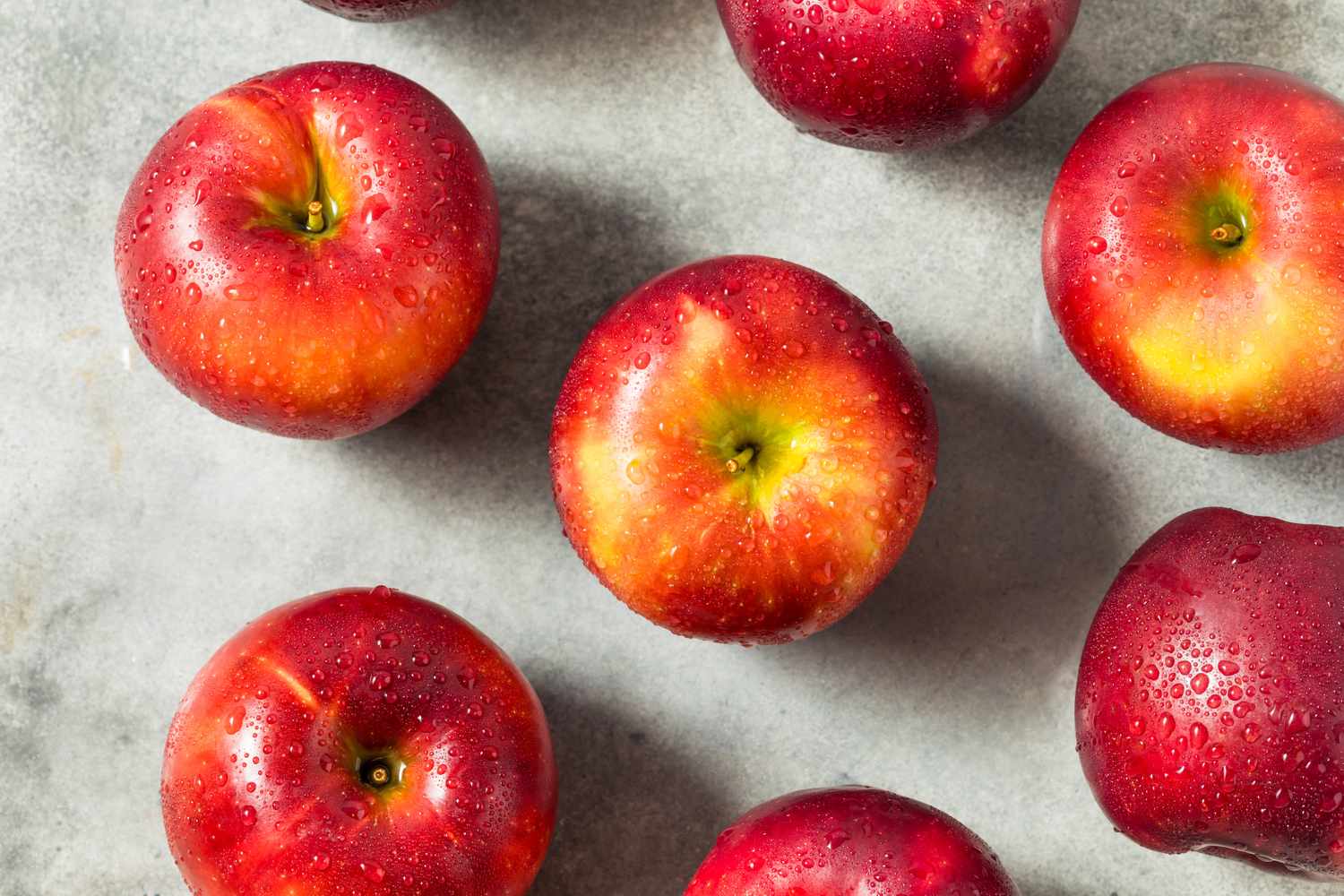
One of the most common questions I receive is: "Isn't fruit just sugar?" The answer is a categorical no. While an apple contains fructose, it also contains fiber, water, and micronutrients. The fiber acts as a "speed bump," slowing down the digestion of sugar and ensuring it reaches the liver at a manageable pace. This prevents the insulin spikes associated with fruit juices or dried fruits.

Label Literacy: Spotting the Aliases
Food manufacturers are clever. They often use multiple types of sugar so that no single one appears as the first ingredient. To protect yourself, look for the "ose" suffixes:
- Common Names: Sucrose, maltose, dextrose, fructose, glucose, lactose.
- Natural-Sounding Names: Agave nectar, cane crystals, fruit juice concentrate, barley malt, honey, and maple syrup.
If any of these appear in the top three ingredients, or if multiple versions are listed throughout the label, the product is likely a "sugar bomb."
Smart Swaps for Daily Life
You don't need to overhaul your entire kitchen overnight. Start with these high-impact transitions:
| Instead of... | Try... | The Benefit |
|---|---|---|
| Orange Juice (12oz) | A Whole Orange | Adds 3g of fiber; halves the sugar spike. |
| Sweetened Yogurt | Plain Greek Yogurt + Berries | Massive reduction in added sugar; adds protein. |
| BBQ Sauce/Ketchup | Mustard, Pesto, or Hot Sauce | Eliminates hidden sugar in condiments. |
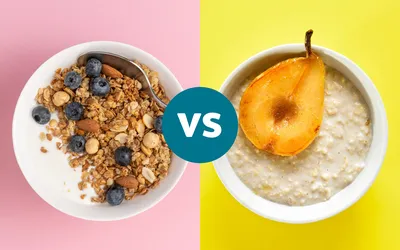
| Sugary Cereal | Steel-cut Oats with Cinnamon | Lower glycemic index; sustained energy. |
| Soda or Energy Drinks | Sparkling Water with Lime | Zero sugar; zero insulin response. |

Actionable Steps for a Lower-Sugar Lifestyle
- The 3-Day Rule: Try to eliminate all added sugars for just three days. You will find that your taste buds begin to reset, making naturally sweet foods like berries taste much more vibrant.
- Dilute Your Drinks: If you aren't ready to give up juice, try mixing 1/4 juice with 3/4 sparkling water.
- Prioritize Protein and Fat: Eating healthy fats (like avocado) and protein with every meal helps stabilize blood sugar and prevents the "sugar crashes" that lead to cravings.
- Check Your "Healthy" Stash: Inspect your protein bars and green smoothies. Many contain more sugar than a standard candy bar.

FAQ
Q: Is "natural" sugar like honey or maple syrup better for me? From a metabolic standpoint, your liver doesn't distinguish much between high-fructose corn syrup and organic honey. While honey contains some antioxidants, it still triggers an insulin response. Use these sparingly as you would table sugar.
Q: How do I handle sugar cravings when I first start cutting back? Cravings are often a sign of a blood sugar dip. Instead of reaching for a cookie, have a handful of almonds or a piece of cheese. The healthy fats and protein will stabilize your levels and signal to your brain that you are fed.
Q: Will fruit juice ever be a healthy choice? Whole fruit is always superior. When you juice fruit, you remove the fiber that protects your liver. If you must have juice, keep the portion small (4-6 oz) and consume it alongside a meal containing fiber and protein to slow absorption.
Start Your Journey to Metabolic Clarity
Understanding the hidden dangers of sugar is the first step toward long-term vitality. By choosing whole foods over processed alternatives and becoming a savvy label reader, you are not just "dieting"—you are actively defending your body against the chronic conditions that define our era.
Ready to take the next step in your nutrition journey? Start by auditing your pantry today and swapping one sugary staple for a whole-food alternative.