We’ve all been there: slipping into a pair of high-compression leggings that sculpt every curve, or a sleek, form-fitting bodysuit that feels like a second skin. In the world of modern fashion and athleisure, "tight" often equates to "supportive" or "stylish." However, as someone who has spent years studying the intersection of lifestyle and preventive health, I’ve seen how the very garments designed to make us feel confident can become the greatest enemies of our skin.
The skin is our body’s largest organ, and it needs to breathe to function correctly. When we wrap it in non-breathable, tight-fitting synthetic fabrics, we disrupt its natural delicate balance. This creates a friction-moisture-bacteria trifecta that leads to three common, yet preventable, dermatological conditions: acne mechanica, heat rash, and eczema flare-ups.
The core of the issue is simple: tight clothing causes acne mechanica by trapping sweat and bacteria against the skin while applying constant friction, which irritates hair follicles and triggers breakouts. Beyond acne, these garments block sweat ducts—the body's cooling chimneys—leading to the itchy, red bumps of heat rash. For those already prone to eczema, the physical rubbing and trapped heat further disrupt the skin barrier, inviting inflammation and discomfort.
1. Acne Mechanica: When Friction Meets Follicles
While most people associate acne with hormonal shifts or diet, "acne mechanica" is a purely situational variety triggered by physical factors. It is particularly prevalent in areas where clothing fits most snugly—the shoulders, back, buttocks, and thighs. Unlike traditional acne, which originates from internal oil production, acne mechanica is the result of external pressure and heat.
When you move, your clothing rubs against your skin. This repetitive motion, combined with the heat trapped by the fabric, creates a "micro-greenhouse" effect. This environment softens the skin’s outer layer, making it easier for bacteria and dead skin cells to be pushed into the hair follicles.
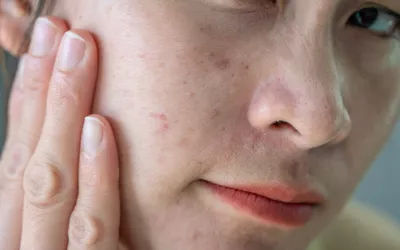
This isn't just a niche concern for professional athletes. Clinical observations suggest that up to 60% of frequent gym-goers experience acne mechanica caused by the combination of synthetic compression wear and intense perspiration. If you notice small, rough bumps or inflamed pustules appearing in a pattern that matches your sports bra or leggings, your wardrobe is likely the culprit.
Lily’s Tip: To distinguish between hormonal acne and acne mechanica, look at the distribution. If the breakouts are localized specifically under waistbands, straps, or where your leggings are tightest, you are likely dealing with friction-induced irritation.
2. Heat Rash (Miliaria): The Trap of Clogged Pores
If acne mechanica is the result of "pushing" things into the skin, heat rash (medically known as miliaria) is the result of "trapping" things inside. Perspiration is our body’s primary cooling mechanism, but it relies on evaporation. Heat rash occurs when tight garments block sweat ducts, preventing perspiration from evaporating and causing sweat to become trapped under the skin, resulting in itchy, red bumps.
This condition, often called "prickly heat," is especially common in areas where skin touches skin or where tight waistbands and elastics create a seal against the air. The groin, the stomach area under a tight belt, and the skin under the breasts are prime targets.
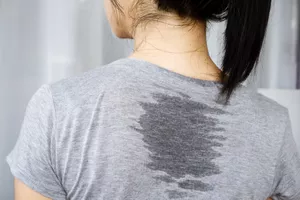
When the sweat cannot escape, it leaks into the surrounding tissue, causing localized inflammation. This presents as a cluster of tiny, fluid-filled blisters or deep red bumps that feel like they are "stinging" or "prickling." While it’s often associated with tropical climates, the rise of synthetic athleisure has made heat rash a year-round issue in temperature-controlled gyms and offices.
3. Eczema Flare-ups: Friction and the Skin Barrier
For those living with eczema (atopic dermatitis), the skin barrier is already compromised. It struggles to retain moisture and is hypersensitive to external irritants. Tight clothing adds a layer of physical stress that can turn a manageable condition into a painful flare-up.
Tight clothes worsen eczema by causing physical friction and trapping heat, which further disrupts the skin barrier and leads to inflammatory flare-ups. The repetitive rubbing of a tight seam or a rough tag acts like sandpaper on sensitized skin. Furthermore, the "Micro-Climate" effect—where heat and sweat are trapped against the body—can trigger the notorious "itch-scratch cycle." Heat is a well-known trigger for eczema-related itching; once the skin becomes hot and damp, the urge to scratch becomes nearly impossible to resist, leading to skin tears and potential infection.
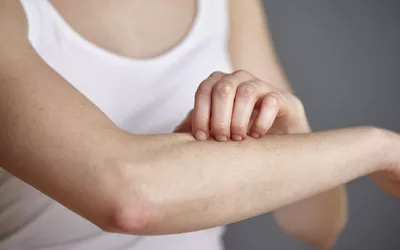
It’s not just the tightness, but the material itself. Many tight-fitting garments are made from synthetic blends like polyester or nylon, which are notorious for harboring chemical dyes and finishes that act as contact allergens for eczema sufferers.
4. Dermatologist-Approved Prevention Strategies
The good news is that you don't have to overhaul your entire wardrobe to find relief. Preventive care is about making smarter choices regarding fabrics, fit, and post-activity habits.
Fabric Selection: The Breathability Factor
The most significant change you can make is prioritizing fibers that work with your skin rather than against it. While synthetic compression gear has its place in high-intensity performance, your everyday "second skin" should be as breathable as possible.
Dermatological data indicates that switching to loose-fitting, breathable cotton fabrics can reduce the frequency of localized heat rash by nearly 45% in humid environments. Cotton and other natural fibers like silk or bamboo allow air to circulate and moisture to evaporate, preventing the "clogged duct" scenario.
| Fabric Type | Breathability | Friction Level | Skin Health Recommendation |
|---|---|---|---|
| Organic Cotton | Very High | Low | Best for everyday wear and sensitive skin. |
| Bamboo/Viscose | High | Very Low | Excellent for moisture-wicking without the itch. |
| Silk | High | Lowest | Ideal for eczema sufferers; minimizes friction. |
| Polyester/Nylon | Low | High | Limit to short-duration workouts only. |
| Spandex/Lycra | Very Low | High | Avoid for prolonged wear; ensures high friction. |
The Post-Activity Protocol
If you must wear tight synthetic gear for exercise, what you do after the workout is just as important as the workout itself. Staying in sweaty, tight clothes for even 30 minutes post-gym is a recipe for acne mechanica.

- Change Immediately: Do not run errands in your gym clothes. The longer the sweat stays trapped against your skin, the higher the risk of follicular irritation.
- The "Cool-Down" Shower: Use lukewarm water to lower the skin temperature and a gentle, fragrance-free cleanser to remove salt and bacteria.
- Barrier Repair: After drying off, use a lightweight, non-comedogenic moisturizer. This helps "seal" the skin barrier that may have been disrupted by friction during your activity.
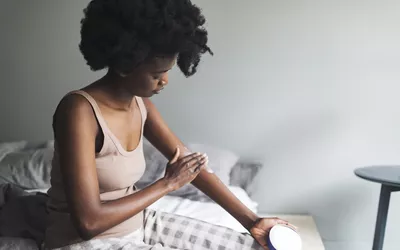
Sizing and Fit: Give Your Skin Room to Move
Finally, reconsider your sizing. Many of us wear clothing one size too small in an attempt to achieve a specific look. If your clothes are leaving deep indentations or "red lines" on your skin—especially around the waist, thighs, or armpits—they are too tight for optimal skin health. Aim for a "skimming" fit rather than a "squeezing" fit.
Learn More About Exercise-Related Skin Care →
FAQ
Q: Can laundry detergent make the irritation from tight clothes worse? A: Absolutely. Because tight clothing is pressed firmly against your skin, any residual chemicals, fragrances, or dyes from your detergent are forced into your pores. If you’re experiencing irritation, switch to a "free and clear" detergent and avoid fabric softeners, which leave a waxy film on fibers that reduces breathability.
Q: Are there specific "skin-safe" workout brands? A: Look for brands that utilize "seamless" technology. Removing the physical seams reduces the friction points that trigger eczema and acne mechanica. Additionally, look for "OEKO-TEX" certified fabrics, which ensure the garment is free from harmful chemicals that can irritate the skin.
Q: I have to wear a uniform that is tight and synthetic. What can I do? A: If you cannot change your outer garment, wear a thin, 100% cotton undershirt or liner underneath. This acts as a moisture-wicking buffer between your skin and the irritating synthetic fabric, significantly reducing the risk of heat rash and friction.
A Final Thought on Mindful Dressing
Skin health is often the "silent" component of wellness. We focus on what we eat and how we move, but we forget that the environment we provide for our skin matters just as much. By choosing breathable fabrics and being mindful of the pressure we put on our bodies, we can enjoy the styles we love without the "hidden cost" of irritation. Remember, your skin works hard for you every day—give it the room it needs to breathe.