Quick Facts
- Prevalence: Clinical data indicates that approximately 1 in 100 Americans aged 12 and older have hyperthyroidism.
- The Main Culprit: Graves’ disease, an autoimmune condition, accounts for nearly 75% of these cases.
- Early Detection: Research shows that patients who perform regular thyroid self-exams are 40% more likely to detect nodules early, potentially avoiding more invasive surgical interventions.
- Core Symptoms: The most common red flags include unexplained weight loss, a rapid heartbeat, heightened anxiety, and heat intolerance.
- Gender Factor: Women are significantly more likely than men to develop thyroid issues, often during major hormonal shifts like postpartum or menopause.
As women, we are often told that feeling "on edge," exhausted, or losing hair is simply the price of a busy life. We chalk up a racing heart to one too many espressos and assume our sudden weight fluctuations are just a metabolism shift. But sometimes, these symptoms aren't just signs of stress—they are the language of a small, powerful organ located at the base of your neck.
Understanding the Butterfly Gland: What is Hyperthyroidism?
The thyroid is often described as a "butterfly-shaped gland," but don't let the delicate imagery fool you. This tiny organ acts as your body’s master control center, secreting hormones that regulate your metabolism, heart rate, body temperature, and even your menstrual cycle. When the thyroid becomes overactive—a condition known as hyperthyroidism—it produces an excess of thyroxine (T4) and triiodothyronine (T3), effectively putting your entire system into high gear.
Imagine your body as a car. If hypothyroidism is like having a flat tire, hyperthyroidism is like a stuck accelerator. Everything speeds up. While 1 in 100 Americans are diagnosed with this condition, many more go undiagnosed because the symptoms mimic other life stressors.
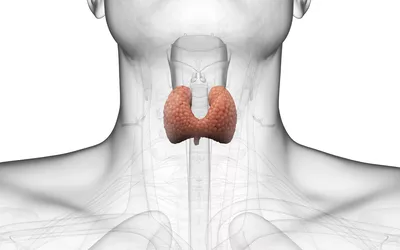
The most common signs of an overactive thyroid (hyperthyroidism) include unexplained weight loss, a rapid or irregular heartbeat, intense anxiety, and an inability to tolerate heat. If you feel like your body is perpetually running a marathon while you are trying to sit still, it is time to look closer at your thyroid health.
Hyperthyroidism vs. Hypothyroidism: Spotting the Difference
It is easy to get these two terms confused, but their impact on your daily life is polar opposite. The primary difference lies in the speed of your metabolism. Hyperthyroidism accelerates your body’s processes, leading to "overdrive" symptoms like weight loss and nervousness. Conversely, hypothyroidism slows everything down, leading to weight gain, heavy fatigue, and depression.
To help you distinguish between the two, refer to the comparison table below:
| Symptom | Hyperthyroidism (Overdrive) | Hypothyroidism (Slowdown) |
|---|---|---|
| Weight Change | Unexplained weight loss | Weight gain or difficulty losing weight |
| Energy Levels | Jittery energy followed by crashes | Persistent fatigue and lethargy |
| Heart Rate | Rapid, pounding, or irregular | Slow heart rate (bradycardia) |
| Temperature | Heat intolerance and sweating | Cold intolerance and feeling chilled |
| Mood | Anxiety, irritability, panic attacks | Depression, "brain fog," and sadness |
| Digestion | Frequent bowel movements or diarrhea | Constipation |
| Menstruation | Lighter or shorter periods | Heavier or more frequent periods |
8 Key Signs Your Thyroid is Working Overtime
If you suspect your thyroid might be the culprit behind your recent health changes, keep a close eye on these eight primary indicators. I recommend using the checklist below as a starting point for your next conversation with your doctor.
The Overactive Thyroid Checklist
- [ ] Unexplained Weight Loss: Are you losing weight despite having a normal or even increased appetite?
- [ ] Racing Heart: Do you feel palpitations or a rapid pulse even when resting?
- [ ] Heat Sensitivity: Are you constantly "running hot" or sweating when others are comfortable?
- [ ] Hand Tremors: Do you notice a fine trembling in your hands or fingers?
- [ ] Sleep Disruptions: Are you struggling with insomnia or feeling "wired" at night?
- [ ] Digestive Changes: Have you noticed more frequent trips to the bathroom?
- [ ] Anxiety & Irritability: Do you feel an unusual sense of nervousness or "short-fused" anger?
- [ ] Muscle Weakness: Is it suddenly difficult to climb stairs or lift grocery bags?
1. Unexplained Weight Loss
This is often the first sign women notice. Because your metabolism is in overdrive, you are burning calories faster than you can consume them. While it might seem like a "perk" to some, this type of weight loss is unhealthy and often accompanied by a ravenous appetite that never feels satisfied.
2. Rapid or Irregular Heartbeat
Known clinically as tachycardia, a racing heart is a hallmark sign of hyperthyroidism. You might feel like your heart is "skipping a beat" or pounding against your chest wall while you are simply reading a book or lying in bed. This occurs because the excess thyroid hormone sensitizes your heart muscle to adrenaline.
3. Heat Intolerance and Excessive Sweating
When your metabolic rate is high, your body generates more internal heat. You may find yourself cranking the AC while everyone else is wearing a sweater, or experiencing night sweats that disrupt your rest.
4. Physical Changes in the Neck and Eyes
Yes, hyperthyroidism can cause visible physical changes. You might notice a swelling at the base of your neck, known as a goiter, which indicates the gland is enlarged. In cases of Graves' disease, you might also experience exophthalmos, where the eyes appear to bulge or protrude forward due to inflammation in the tissues behind the eye.
5. Nervousness and Irritability
The "mental" side of hyperthyroidism is often the most taxing. Patients frequently describe feeling "jittery," as if they've had ten cups of coffee. This can manifest as sudden panic attacks, a sense of impending doom, or uncharacteristic irritability with loved ones.
6. Digestive Disruptions
An accelerated metabolism doesn't stop at your heart; it affects your gut motility too. Increased frequency of bowel movements or even chronic diarrhea are common as the body tries to process waste at an accelerated pace.
7. Thinning Hair and Brittle Skin
High levels of thyroid hormone can disrupt the normal cycle of hair growth and skin regeneration. You might notice your hair thinning all over your scalp or your skin becoming unusually thin, smooth, or prone to redness.
8. Muscle Weakness and Fatigue
This is the great paradox of the condition. While your mind is racing and your heart is pounding, your muscles are actually becoming weaker. The constant state of "overdrive" eventually depletes the body’s energy stores.

Many women find that even simple tasks—like reaching for a shelf or standing up from a chair—feel strangely difficult, as if their muscles have "given out."
The Autoimmune Link: Understanding Graves' Disease
If you are diagnosed with hyperthyroidism, there is a 75% chance that the underlying cause is Graves' disease. This is an autoimmune disorder where your immune system mistakenly attacks the thyroid gland, causing it to overproduce hormones.
Graves' disease often runs in families and is much more common in women. It carries unique symptoms, specifically Thyroid Eye Disease (TED). If you notice persistent dryness, redness, or a "gritty" feeling in your eyes along with the metabolic symptoms mentioned above, it is vital to see an endocrinologist specifically to screen for autoimmune markers.
How to Perform a Thyroid Self-Exam at Home
While a professional diagnosis is essential, I always encourage my readers to be their own first line of defense. Remember, regular self-exams make you 40% more likely to detect nodules early. This "check-up in the mirror" takes less than two minutes.
The Glass of Water Technique:
- Find a Mirror: Stand in front of a mirror and focus on the lower front area of your neck, above the collarbones and below the voice box (larynx).
- Lean Back: Tip your head back slightly, keeping your neck visible in the mirror.
- Take a Sip: Take a swallow of water.
- Observe: As you swallow, look for any bulges, protrusions, or asymmetrical lumps in the thyroid area. Repeat this a few times to be sure.
- Feel: Gently touch the area to see if you can feel any localized bumps or an overall enlargement.

If you notice anything unusual, don't panic. Many nodules are benign (non-cancerous), but they still require a professional evaluation to ensure your thyroid isn't being pushed into overactivity.
Diagnosis and Treatment Pathways
If your symptoms and self-exam suggest an overactive thyroid, your doctor will likely start with blood work. The gold standard for diagnosis involves checking:
- TSH (Thyroid Stimulating Hormone): Usually very low in hyperthyroidism.
- Free T4 and T3: These will typically be elevated.
Once diagnosed, the "treatable" nature of this condition is very reassuring. Depending on your age, the severity, and the cause (Graves' vs. nodules), your care team might suggest:
- Antithyroid Medications: Drugs like Methimazole help block the thyroid's ability to make hormones.
- Radioactive Iodine (RAI): A common, non-surgical treatment that shrinks the thyroid gland.
- Radiofrequency Ablation (RFA): A newer, minimally invasive option for treating overactive nodules without major surgery.
- Beta-Blockers: These don't treat the thyroid itself, but they help manage the racing heart and tremors while other treatments take effect.

FAQ
Q: Can stress cause an overactive thyroid? While stress doesn't directly "cause" hyperthyroidism, it can certainly exacerbate the symptoms or trigger an autoimmune flare-up in someone already predisposed to Graves' disease. Managing stress is a key part of thyroid wellness, but it is rarely the only factor.
Q: Will my hair grow back once I start treatment? In most cases, yes! Once your hormone levels are stabilized and the "overdrive" state is managed, the hair follicle cycle usually returns to normal, though it may take several months to notice significant regrowth.
Q: Is hyperthyroidism permanent? It depends on the cause. If it's caused by temporary inflammation (thyroiditis), it may resolve on its own. However, Graves' disease or toxic nodules usually require long-term management or definitive treatment like RAI or surgery.
Take Control of Your Hormonal Health
Your body is remarkably communicative; we just have to learn how to listen. If you’ve recognized yourself in the descriptions above, I encourage you to book an appointment with a healthcare provider this week. You don't have to live in a state of permanent "overdrive." Balanced hormones are not just a medical goal—they are the foundation of your peace of mind and physical vitality.