For many of us, breathing is a silent, rhythmic background to our lives—an automated miracle we rarely acknowledge. But for the millions living with Chronic Obstructive Pulmonary Disease (COPD), every breath is a conscious effort, a transaction with the air around them. As we look at the landscape of respiratory health in 2026, the narrative is shifting. We are moving away from the old perspective of COPD as a "decline to be managed" and toward a proactive model of "optimizing lung vitality."
Quick Facts: COPD in 2026
- Global Impact: COPD is now one of the top three causes of death worldwide, accounting for roughly 5% of all global deaths.
- The 2026 GOLD Definition: It is no longer viewed as just "smoker’s lung" but as a heterogeneous condition caused by the "GETomics" interaction—the lifelong interplay between Genes, Environment, and Time.
- Most Effective Intervention: According to the latest 2026 GOLD (Global Initiative for Chronic Obstructive Lung Disease) guidelines, pulmonary rehabilitation remains the single most effective non-pharmacological method to improve exercise capacity and reduce symptoms across all levels of severity.
- Oxygen Therapy Criteria: Long-Term Oxygen Therapy (LTOT) is specifically indicated to improve survival in patients with severe resting chronic hypoxemia, defined as a PaO2 level of 55 mmHg or less.
Understanding the New COPD: GETomics and Early Detection
In 2026, we understand that COPD isn't just a disease of old age or smoking. The "GETomics" framework teaches us that lung health is determined from the womb through adulthood. Early life events—such as childhood asthma, respiratory infections, or even preterm birth—can dictate lung function decades later.
Because lung function naturally declines as we age, catching COPD early is the key to preserving a high quality of life. The gold standard for diagnosis remains spirometry. A diagnosis is confirmed when the ratio of air you can forcefully exhale in one second (FEV1) to the total air you can exhale (FVC) is less than 0.7 after using a bronchodilator.
If you find yourself getting breathless during a flight of stairs or dealing with a "smoker's cough" that won't quit, don't wait. The 2026 guidelines emphasize active "case-finding"—if you have risk factors (environmental exposure, history of asthma, or tobacco use), request a spirometry test even if your symptoms feel "minor."
Pharmacological Management: Precision Medicine for Your Lungs
The days of a "one-size-fits-all" inhaler are over. Modern COPD management is highly individualized, categorized by the GOLD A, B, and E groups.
| Category | Description | Primary Treatment Strategy |
|---|---|---|
| Group A | Low symptoms, low risk of exacerbations | Single bronchodilator (short or long-acting) |
| Group B | Significant symptoms, low risk of exacerbations | Long-acting bronchodilators (LABA + LAMA combination) |
| Group E | High risk of exacerbations (regardless of symptoms) | Dual bronchodilation; consider ICS if blood eosinophils are ≥300 |
2026 Guideline Update: A significant shift in current care is the lower threshold for treatment escalation. If a patient experiences even one moderate exacerbation (requiring antibiotics or steroids), clinicians are now encouraged to consider moving to triple therapy or adding biologic agents if specific inflammatory markers are present.
The Power of Pulmonary Rehabilitation
If medicine provides the foundation, pulmonary rehabilitation is the structure that allows you to live well. How can you improve your breathing with COPD? The answer lies in training the muscles you can control.
Pulmonary rehab is a supervised program that combines physical exercise training with tailored education. It doesn't "fix" the scarred lung tissue, but it makes your heart and skeletal muscles much more efficient at using the oxygen they do receive.
- Improved Exercise Capacity: You’ll find you can walk further and do more around the house without hitting "the wall."
- Reduced Anxiety: Many patients fear the sensation of breathlessness, which leads to a sedentary lifestyle and further weakening. Rehab breaks this cycle.
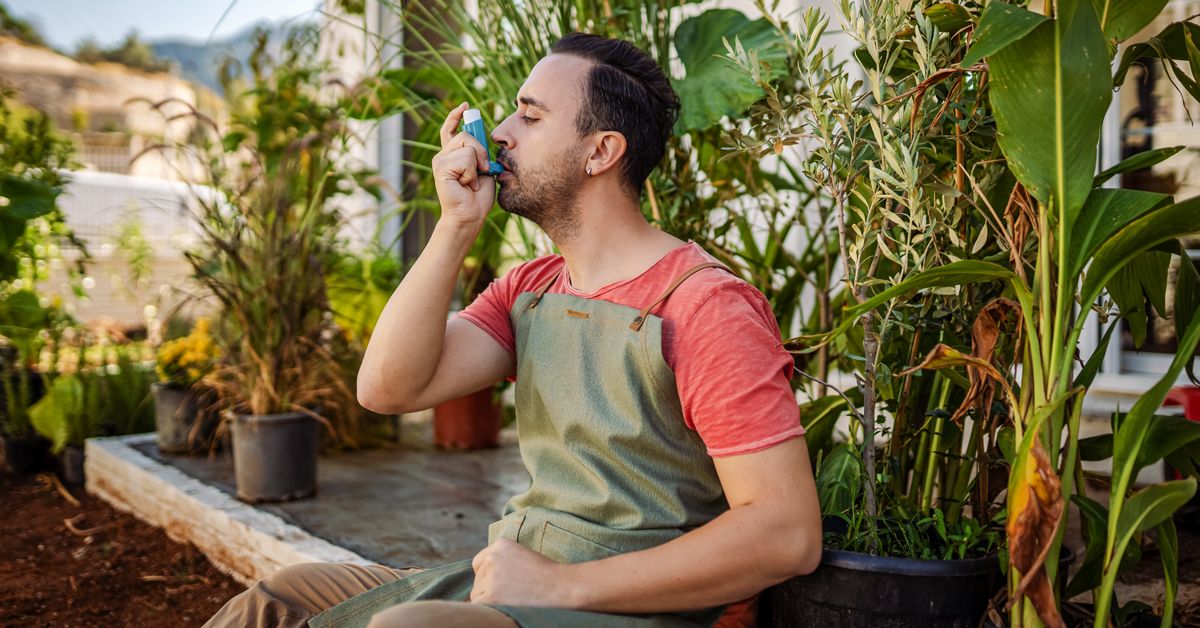
- Education: It includes mastery of inhaler techniques—statistics show that up to 70% of patients do not use their devices correctly, rendering the medicine far less effective.
Oxygen Therapy and Ventilatory Support
For some, the progression of COPD means the lungs can no longer maintain adequate oxygen levels in the blood. This leads to the question: When is Long-Term Oxygen Therapy (LTOT) necessary?
Based on 2026 clinical evidence, LTOT is recommended for patients with:
- Severe resting chronic hypoxemia: A PaO2 (partial pressure of oxygen) of 55 mmHg or less, or an SaO2 (oxygen saturation) of 88% or less.
- Moderate hypoxemia with complications: If your PaO2 is between 55 and 60 mmHg, but you also have pulmonary hypertension, peripheral edema (suggesting heart failure), or polycythemia (excess red blood cells), LTOT is indicated.
For those with daytime "hypercapnia" (too much carbon dioxide), Non-Invasive Ventilation (NIV)—often worn as a mask at night—can help rest the respiratory muscles and improve survival.
Daily Lifestyle Tips: The Lily Anderson "Breathe Easy" Routine
Managing COPD isn't just about what happens in the doctor's office; it's about the 24 hours in your day. Here are holistic strategies to preserve your energy and lung health:
1. Master Pursed-Lip Breathing
This is the single most effective tool for immediate relief when you feel short of breath.
- Step 1: Relax your neck and shoulder muscles.
- Step 2: Inhale slowly through your nose for two counts, keeping your mouth closed.
- Step 3: Pucker or "purse" your lips as if you were going to whistle or flicker a candle flame.
- Step 4: Exhale slowly and gently through your pursed lips for four or more counts. The exhale should be twice as long as the inhale.
2. Strategic Nutrition and Hydration
- Hydration: Drink plenty of water throughout the day. This helps thin the mucus in your airways, making it easier to cough up and clear.
- Smaller Meals: A large meal can bloat your stomach, which then presses against your diaphragm, making it harder to breathe. Switch to 4–6 smaller, nutrient-dense meals.
- Maintain Weight: Being underweight can leave you without the muscle mass needed to breathe, while being overweight puts extra pressure on your lungs.
3. Energy Conservation
Think of your energy like a daily "budget."
- Morning Pacing: Use a shower chair to prevent getting winded while bathing.
- Clothing: Choose loose-fitting clothes and slip-on shoes to avoid the strain of bending over and restrictive waistbands.
- Organization: Keep frequently used items at waist height to avoid reaching or bending.
Managing Comorbidities and Preventing "Flare-ups"
COPD rarely travels alone. In 2026, we treat the whole person, not just the lungs. It is essential to screen for comorbidities like cardiovascular disease, osteoporosis (often exacerbated by steroid use), and lung cancer.
Annual screenings with Low-Dose CT (LDCT) scans are now standard for many COPD patients to catch lung cancer at its most treatable stage. Additionally, staying current on vaccinations is your best defense against exacerbations. The 2026 schedule includes:
- RSV Vaccine: Now a cornerstone for seniors with chronic lung conditions.
- Influenza & COVID-19: Annual updates.
- Pneumococcal Vaccine: To prevent bacterial pneumonia.
- Tdap and Shingles: To maintain overall immune resilience.
The Future of Care: AI and Telehealth
We are entering an era where your COPD management might be assisted by Artificial Intelligence. AI-driven apps can now analyze your cough patterns or use wearable sensors to predict an exacerbation before you feel it, allowing you to start treatment early and stay out of the hospital. Virtual pulmonary rehabilitation is also becoming a viable, evidence-based alternative for those who cannot travel to a clinic.
FAQ
Q: Can lung damage from COPD be reversed? A: While the structural damage to the air sacs (emphysema) and the inflammation of the airways (chronic bronchitis) cannot be fully reversed, you can significantly improve your function and quality of life through medication, smoking cessation, and pulmonary rehabilitation.
Q: Is it safe to exercise if I feel short of breath? A: Yes, and it is actually encouraged. The key is to exercise at a level where you are "winded but can still speak." Always consult your healthcare provider to create a safe exercise plan, often starting within a formal pulmonary rehab program.
Q: Does air quality really matter that much? A: Absolutely. In 2026, we know that "micro-pollutants" and indoor air quality (from cooking fuels or cleaning chemicals) can trigger flare-ups. Using HEPA air purifiers and avoiding outdoor activity on high-pollution days is a vital part of non-pharmacological care.
Empowering Your Next Breath
Living with COPD in 2026 is no longer a journey you take alone or in the dark. With the GETomics approach, we understand your unique history; with pulmonary rehab, we strengthen your resilience; and with modern pharmacology, we breathe easier.
The goal is not just to add years to your life, but to add life to your years. Start small today: practice five minutes of pursed-lip breathing, drink an extra glass of water, or call your doctor to discuss whether you are a candidate for pulmonary rehabilitation.