We’ve all been there—the irresistible aroma of a fresh wood-fired pizza or the steaming comfort of a morning latte leads to a hasty first bite or gulp. Before you can even register the temperature, a searing pain radiates through your mouth. That "ouch" moment is more than just a fleeting annoyance; it’s a thermal injury to one of the most sensitive tissues in your body.
When you burn your tongue, the delicate papillae—those tiny bumps that house your taste buds—become inflamed and damaged. The immediate sensation is often followed by a lingering numbness, a "metallic" taste, or a sandpaper-like texture that can make eating and drinking a chore for days. However, as a preventive healthcare specialist, I can tell you that while the damage is done in a split second, your recovery time is largely determined by what you do in the following sixty seconds.
Quick Relief Call-Out: The Golden Minute If you just burned your tongue, stop reading and rinse your mouth with cold water or sip cold milk immediately. Research shows that applying cold liquids within the first 60 seconds of an oral burn can reduce your total recovery time by approximately 20% by halting the "cooking" process of the deep tissue layers.
Immediate First Aid: What to Do in the First 60 Seconds
The first minute after a burn is the "therapeutic window." Just like a burn on your skin, heat continues to radiate into deeper layers of the oral mucosa even after you’ve stopped eating the hot food. To stop this progression, you need to lower the tissue temperature rapidly.
While your instinct might be to reach for a piece of ice, I advise caution. Applying ice directly to a fresh burn can cause "cryotherapy" damage, where the extreme cold sticks to the damaged tissue and causes a secondary cold burn. Instead, focus on cold liquids. Swish cold water around the area for at least two to three minutes. Better yet, reach for cold milk. Milk contains proteins that can coat the tongue and provide a slight buffering effect against the acidity often found in the foods that caused the burn in the first place.
Science supports this urgency. Medical consensus indicates that this immediate cooling intervention reduces inflammation markers and prevents the heat from damaging the deeper basal layers where new cells are generated.

Symptoms: Is Your Burn Minor or Severe?
Before diving into home remedies, it is vital to assess the degree of the injury. Most kitchen mishaps result in a first-degree burn. This affects only the outermost layer of the tongue. Symptoms include redness, mild swelling, and a temporary loss of taste or a lingering metallic sensation.
The interesting thing about the tongue is its incredible regenerative power. While skin might take weeks to heal, the oral mucosa is designed for constant turnover. However, your taste buds are a bit more sensitive. Full taste bud regeneration typically takes between 1 and 2 weeks, even if the pain disappears within a few days.
Warning: Identifying Severe Burns
While rare with food, second-degree burns can occur. If you notice immediate blistering, extreme swelling, or a charred, white, or blackened appearance (third-degree), this is no longer a "home remedy" situation. Severe burns can cause the tongue to swell significantly, which in extreme cases can obstruct the airway. If you experience difficulty breathing or swallowing, seek emergency care immediately.
9 Proven Home Remedies for Quick Relief
Once you’ve handled the initial first aid, the goal shifts to "Lifestyle Maintenance"—protecting the area while it heals. Here are nine evidence-based strategies to soothe the pain and speed up the cellular repair process.
1. Refrigerated Yogurt or Kefir
Yogurt is one of the most effective "functional foods" for oral burns. Its cold temperature provides immediate numbing, while its creamy texture acts as a physical barrier. Furthermore, the probiotics in live-culture yogurt may help balance the oral microbiome, preventing opportunistic bacteria from infecting the damaged tissue. Take a spoonful and let it sit on the affected area for 30 seconds before swallowing.
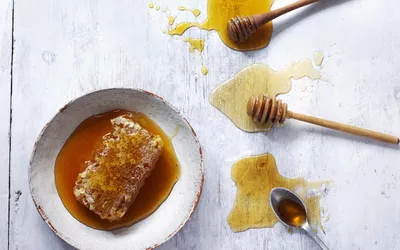
2. The Healing Power of Honey
Honey is a cornerstone of holistic wound care for a reason. In the context of oral burns, honey acts as a natural humectant, keeping the area moist, and provides an antibacterial barrier that prevents infection.
Lily’s Tip: Use high-quality Manuka honey or raw local honey if available. Simply apply a small dab to the burnt spot. Avoid drinking water immediately after so the honey can form a protective seal over the lesion.
3. Aloe Vera Gel (Food Grade)
You likely know aloe vera for sunburns, but it is equally effective for internal thermal injuries. Aloe contains compounds that reduce inflammation and stimulate collagen synthesis. Ensure you are using 100% pure, food-grade aloe vera gel. Apply it directly to the tongue to provide a cooling, "liquid bandage" effect.
4. Saltwater Rinses
It might sound counterintuitive to put salt on a wound, but a gentle saline solution (1/2 teaspoon of salt in 8 ounces of warm water) is a powerful antiseptic. It helps neutralize the pH of the mouth and reduces the bacterial load, which is essential because an infected burn will take significantly longer to heal.
5. Over-the-Counter Benzocaine
If the pain is interfering with your ability to eat or sleep, look for topical numbing agents. Products like Orajel or Anbesol contain benzocaine, which temporarily blocks nerve signals in the area. This is a "symptom management" tool rather than a healing tool, but it can be a lifesaver before mealtime.
6. Vitamin E Oil
If you have Vitamin E capsules at home, you can puncture one and squeeze the oil onto the burn. Vitamin E is a potent antioxidant that supports tissue regeneration and can help soothe the "tight" feeling that occurs as the tongue begins to heal.
7. Milk of Magnesia
This is an old-school remedy that works remarkably well. Swishing a small amount of Milk of Magnesia in your mouth coats the tongue and neutralizes any lingering acids from food. It creates an alkaline environment that is very soothing to damaged papillae.
8. Saliva Stimulation (Hydration)
Your saliva is your mouth’s natural defense system; it contains growth factors and antimicrobial enzymes. Dehydration leads to a dry mouth, which makes the burn feel more painful and slows down healing. Drink plenty of cool water throughout the day to keep your saliva flowing.
9. NSAIDs for Inflammation
If the tongue feels "throbbing" or significantly swollen, an over-the-counter anti-inflammatory like ibuprofen (Advil/Motrin) is often more effective than acetaminophen (Tylenol). By reducing the systemic inflammation, you allow the local tissue to focus its energy on repair.
Protecting Your Tongue During the Healing Process
The most common reason a 3-day burn turns into a 10-day burn is "secondary irritation." Your tongue is trying to knit itself back together, but every time you eat something spicy or sharp, you effectively "re-injure" the site.
Studies on oral mucosa suggest that 90% of minor thermal injuries to the tongue resolve without clinical intervention—but only if you avoid secondary irritants. This requires a temporary adjustment to your diet.
Foods to Eat vs. Foods to Avoid
| Category | Choose These (Soothing) | Avoid These (Irritating) |
|---|---|---|
| Temperature | Cold or room temperature | Piping hot (Coffee, Soup) |
| Texture | Soft/Pureed (Yogurt, Avocado, Bananas) | Crunchy/Sharp (Chips, Crusty Bread) |
| Flavor Profile | Bland/Mild | Spicy (Chili, Hot Sauce) |
| Acidity | Alkaline (Milk, Water) | Acidic (Citrus, Vinegar, Soda) |
| Alcohol | None | Alcohol-based mouthwashes or drinks |
Maintaining proper oral hygiene is also crucial. While the burnt area might be sensitive, you must continue to brush your teeth. A dirty mouth harbors bacteria that can migrate to the burn site. Switch to a soft-bristled toothbrush and avoid whitening toothpastes, which often contain harsh abrasives or peroxides that can sting the injury.
Recovery Timeline: What to Expect
Healing is a process, not an event. Here is the typical biological schedule for a minor tongue burn:
- Days 1–2: The "Inflammatory Phase." This is when pain and sensitivity are at their peak. You may notice the tongue looks extra red or has a slightly smooth patch where the papillae were damaged.
- Days 3–5: The "Proliferative Phase." Pain usually subsides significantly during this window. New cells are populating the area.
- Days 7–14: The "Remodeling Phase." This is when your taste buds fully recover. Even if the pain is gone by day 4, you might find that things taste "off" for another week.
When to See a Healthcare Provider
While most burns heal beautifully at home, you should monitor for signs that the body’s natural repair process has stalled.
See a doctor or dentist if you experience:
- Signs of infection: Increased swelling after day 3, presence of pus, or a persistent foul taste in the mouth.
- Systemic symptoms: Fever or chills accompanying the mouth pain.
- Non-healing sores: If the burn has not significantly improved after 7 days, it could be a sign of an underlying health issue or a more deep-seated injury.

FAQ
Q: Can I use regular aloe vera lotion on my tongue burn? A: Absolutely not. Most body lotions contain perfumes, alcohol, and chemicals that are toxic if ingested. Only use 100% pure, food-grade aloe vera gel specifically labeled for internal use or taken directly from a clean plant leaf.
Q: How long until I can taste food properly again? A: While the pain usually disappears within 3 to 5 days, your taste buds are complex sensory organs that take longer to regenerate. Expect full taste recovery to take up to 14 days.
Q: Is it okay to use mouthwash while my tongue is burnt? A: Avoid most commercial mouthwashes, especially those containing alcohol or "minty" flavors, as they will cause intense stinging. Stick to a mild saltwater rinse or a specialized "sore mouth" rinse until the tissue has fully closed.
Take Charge of Your Recovery
A burnt tongue is a reminder of how much we rely on our oral health for daily enjoyment. By acting fast in that first 60 seconds and following a "protective" lifestyle for the next few days, you can cut your recovery time in half and get back to enjoying your favorite flavors.
Stay hydrated, stay patient, and remember: next time, let that coffee cool for just a minute longer!