Living with diabetes often feels like a constant negotiation with your plate. For many of the more than 500 million people globally navigating a diagnosis, the hardest compromise isn't just about cutting out sweets—it’s about the loss of culinary joy. When you are managing Type 2 diabetes, every gram of carbohydrate is scrutinized, and every teaspoon of sugar is a potential risk to your metabolic stability.
In the search for a safe, non-glycemic sweetener, one plant-based extract has risen to the top of the clinical conversation: Stevia. Unlike synthetic sweeteners born in a lab, stevia is derived from the leaves of the Stevia rebaudiana plant, native to South America. But for a diabetic patient, "natural" doesn't always mean "safe." We need to look deeper into the molecular science to understand if this plant truly delivers on its promise of sweetness without the insulin spike.
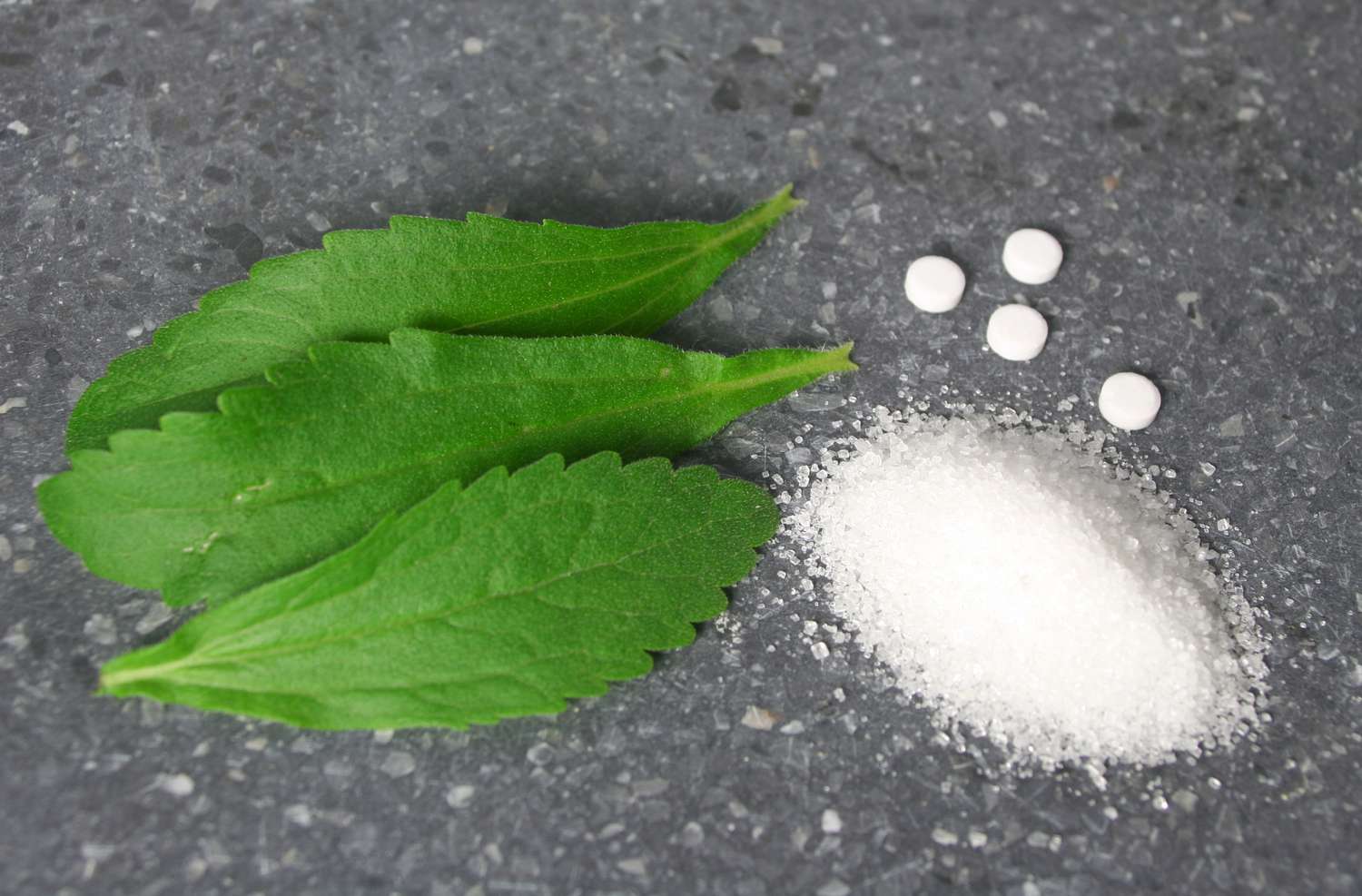
From raw leaves to purified extracts, stevia offers various formats for daily use without impacting glucose levels.
Does Stevia Raise Blood Sugar or Insulin Levels?
The short, science-backed answer is no. Pure steviol glycosides—the sweet compounds extracted from the plant—are zero-calorie and possess a glycemic index (GI) of zero. Because the human body cannot metabolize these glycosides, they pass through the digestive tract without being broken down into glucose. Consequently, they do not trigger the rise in blood sugar that follows the consumption of sucrose (table sugar) or even some other "natural" sweeteners like honey or agave.
However, the benefits of stevia for diabetics may go beyond simply being "neutral." Clinical research has demonstrated a "postprandial benefit" that is particularly significant for those with insulin resistance.
The 35% Reduction: Clinical studies have shown that when patients with Type 2 diabetes replace sugar with stevia, they experience a reduction in post-meal (postprandial) blood glucose and glucagon responses by as much as 35%.
The mechanism behind this is fascinating. Some research suggests that stevia may actually help stimulate the secretion of insulin by acting directly on pancreatic beta cells. By increasing insulin sensitivity and aiding the body’s natural response to glucose, stevia transitions from a mere sugar substitute to a functional dietary tool for blood sugar management.
Not All Stevia is Created Equal: Watch Out for Additives
This is where the distinction between a laboratory-pure extract and a grocery-store packet becomes vital for your health. As a nutrition editor, I cannot stress this enough: what you buy off the shelf is rarely 100% stevia.
Stevia-based sweeteners are significantly more potent than sucrose, measuring between 200 to 400 times sweeter than traditional table sugar. Because it is so intensely sweet, manufacturers must add "bulking agents" to make the powder easy to measure and pour.
The Ingredient Checklist: Hidden Spikes
When shopping, you must read the fine print. Many popular brands use additives that can actively work against your diabetic management goals:
- Dextrose and Maltodextrin: These are starches (often derived from corn or wheat) used as fillers. Maltodextrin actually has a higher glycemic index than table sugar. If your "stevia" packet lists these as the first ingredient, it could cause the very insulin spike you are trying to avoid.
- Sugar Alcohols (Erythritol, Xylitol): These are generally safe for diabetics and are often blended with stevia to improve the "mouthfeel" and reduce the bitter aftertaste. Erythritol, in particular, has a GI of zero and is a preferred mixing agent.
- Crude Leaf Extracts: While "whole-leaf" stevia sounds healthier, the FDA has not approved crude extracts for food use. They can contain impurities and may affect kidney function or blood pressure in unpredictable ways.
Glycemic Comparison Table
To put this into perspective, let's look at how stevia compares to other common substances found in your pantry:
| Sweetener | Glycemic Index (GI) | Impact on Insulin | Calories per Gram |
|---|---|---|---|
| Pure Stevia | 0 | None (May improve sensitivity) | 0 |
| Erythritol | 0 | None | 0.2 |
| Sucrose (Sugar) | 65 | High Spike | 4 |
| Maltodextrin | 105–110 | Very High Spike | 4 |
| Honey | 50–58 | Moderate Spike | 3 |
Health Benefits for Type 2 Diabetes Management
Beyond glucose control, stevia offers secondary health benefits that address common comorbidities associated with diabetes, such as obesity and hypertension.
1. Weight Management and Satiety Obesity is a primary driver of Type 2 diabetes. By replacing sugar with a zero-calorie alternative, patients can significantly reduce their daily caloric density. Furthermore, unlike some artificial sweeteners that have been linked to increased cravings, stevia does not appear to trigger the "sugar hunger" that leads to overeating.
2. Blood Pressure Regulation Many diabetics also struggle with hypertension. Certain steviol glycosides, specifically stevioside, have been shown to act as vasodilators. This means they help relax the blood vessels and improve blood flow, potentially leading to a modest reduction in blood pressure—a critical "two-for-one" benefit for cardiovascular health.
3. Anti-inflammatory Properties Chronic inflammation is a hallmark of metabolic syndrome. Early laboratory studies suggest that the antioxidant compounds in stevia may help reduce oxidative stress and inflammation markers in the body, providing a protective layer for the vascular system.
Safety, Limits, and Potential Side Effects
Is stevia safe for long-term use? The answer from global health authorities is a resounding yes, provided you stick to high-purity extracts. The FDA classifies high-purity steviol glycosides (such as Rebaudioside A) as Generally Recognized as Safe (GRAS).
However, "safe" does not mean "unlimited." The World Health Organization (WHO) and the European Food Safety Authority (EFSA) have established an Acceptable Daily Intake (ADI) to ensure long-term safety.
The ADI Limit: The recommended daily limit is 4 milligrams per kilogram of body weight. For a 150-pound (approx. 68kg) adult, this equates to roughly 272mg of pure steviol glycosides per day—approximately the amount found in 10 to 12 packets of commercial stevia sweetener.
Potential Cautions
While stevia is remarkably safe, there are a few groups who should exercise caution:
- Allergy Risks: Stevia is part of the Asteraceae family. If you are highly allergic to ragweed, marigolds, or daisies, you may experience a cross-reaction.
- Digestive Sensitivity: In some individuals, high doses of stevia (or the sugar alcohols it is often blended with) can cause bloating, gas, or mild nausea.
- Blood Pressure Medications: Because stevia can lower blood pressure, those already on intensive antihypertensive medication should monitor their levels closely to avoid hypotension.
Consulting with a nutritionist can help you safely integrate stevia into a balanced diabetic meal plan.

Practical Tips: Using Stevia in a Diabetic Diet
Incorporating stevia into your life requires a slight learning curve. Because it lacks the bulk and chemical properties of sugar, you can't always do a 1:1 swap in your favorite recipes.
1. Decoding the Labels
Always look for products that specify they contain at least 95% pure steviol glycosides. Avoid "stevia blends" where the first ingredient is dextrose, glucose, or lactose. If you are looking for the best taste profile, look for Rebaudioside A (Reb A), as it is the least bitter part of the leaf.
2. Baking and Cooking
Sugar does more than provide sweetness; it provides structure, browning (caramelization), and moisture.
- The Bulk Problem: If a recipe calls for a cup of sugar and you use a half-teaspoon of stevia, your cake will be flat and dry. When baking, use stevia blends specifically designed for "cup-for-cup" replacement (usually mixed with erythritol) or add bulking agents like applesauce or pumpkin puree.
- Temperature: Stevia is heat-stable up to 392°F (200°C), making it excellent for most baking and stovetop cooking.
3. Taming the Aftertaste
Some people find stevia has a metallic or licorice-like aftertaste. To minimize this, try using it in acidic foods (like coffee or lemon-based dressings) or combine it with a small amount of another natural sweetener like erythritol to "round out" the flavor profile.
FAQ
Q: Can I use stevia if I am pregnant and have gestational diabetes? A: Yes. High-purity stevia extracts are considered safe during pregnancy when consumed within the ADI limits. However, always consult your obstetrician or dietitian before making significant changes to your diet while pregnant.
Q: Does stevia cause tooth decay like sugar? A: No. Stevia is non-acidogenic and cannot be fermented by the bacteria in your mouth. In fact, it may even help inhibit the growth of plaque-forming bacteria.
Q: Is liquid stevia better than powdered stevia? A: Liquid stevia is often "purer" because it doesn't require the solid bulking agents (like maltodextrin) found in powders. It is an excellent choice for beverages and dressings, though it can be harder to use in baking.
Take Control of Your Sweetness
Transitioning to a life with diabetes doesn't mean you have to surrender the flavors you love. Stevia represents a powerful, plant-based bridge between medical necessity and culinary enjoyment. By choosing high-purity extracts and staying mindful of additives, you can satisfy your sweet tooth while actually supporting your body's insulin response.
Remember, nutrition is personal. While the science supports stevia as a premier choice for diabetics, always monitor your own blood glucose levels when introducing a new element to your diet.