We live in an era of nutritional optimization, where biohackers track every macro and social media trends like "Fibermaxxing" dominate our feeds. Yet, beneath the digital noise lies a startling physiological reality: over 90% of women and 97% of men in the United States do not meet the recommended daily fiber requirement. While we often obsess over protein intake or the latest "superfood," we are quietly suffering from a chronic fiber gap that dictates everything from our mood to our metabolic health.
What are the most common signs of low fiber intake? The primary indicators that you need more fiber include persistent constipation, frequent bloating, feeling hungry immediately after meals, and unstable blood sugar levels. If your body is sending these signals, it’s not just a minor digestive hiccup—it’s a red flag that your internal ecosystem is struggling.

The 4 Warning Signs Your Gut is Waving a Red Flag
Recognizing fiber deficiency isn't always about a single dramatic event; it's often a collection of subtle, persistent symptoms that we’ve come to accept as "normal." As a nutrition editor, I see many readers trying to "fix" their energy or weight without addressing the foundational structural support of their diet.
1. Persistent Digestive Discomfort and Constipation
The most obvious sign of a low-fiber diet is irregular bowel movements. Fiber acts as a natural "sweep" for your intestines. Without it, waste moves at a glacial pace. Currently, approximately 42 million Americans struggle with chronic constipation, many of whom could find relief simply by reaching the daily target of 25g for women and 38g for men.
Insoluble fiber provides the "bulk" necessary to stimulate the intestinal lining, while soluble fiber draws in water to keep things moving. When your intake is low, the stool becomes hard and difficult to pass, leading to long-term inflammation of the colon.
2. The 'Post-Meal' Hunger Trap
Have you ever finished a large lunch, only to find yourself scavenging for a snack 45 minutes later? This is a hallmark of fiber deficiency. Fiber slows down the rate at which food leaves your stomach—a process called gastric emptying.
By adding volume without adding excessive calories, fiber signals to your brain that you are physically full. It also suppresses ghrelin, the "hunger hormone." Without this mechanical and hormonal signal, your body remains in a state of constant craving, leading to overeating and weight gain.
3. Frequent Bloating and Gas
It may seem counterintuitive, but a lack of fiber can be a major cause of bloating. When food sits too long in the digestive tract due to slow motility, it begins to ferment. This fermentation process releases gases that cause pressure, reflux, and that uncomfortable "stretched" feeling in the abdomen.
Expert Tip: While increasing fiber can temporarily cause gas as your microbiome adjusts, chronic bloating in a low-fiber diet is usually a sign of "transit backup." Adding just 5 to 10 grams of fiber to your daily diet can dramatically improve digestion and reduce this fermentation-related pressure.
4. Unstable Blood Sugar and Energy Swings
If you find yourself on an afternoon energy rollercoaster—crashing at 3 PM and reaching for caffeine—your fiber intake (or lack thereof) is likely to blame. Fiber acts as a biological brake, slowing down the absorption of sugar into your bloodstream. Without this buffer, refined carbohydrates cause rapid insulin spikes followed by sharp "crashes" that leave you fatigued and irritable.

Why Your Gut Needs Both: Soluble vs. Insoluble Fiber
To truly "fix" your digestion, you need to understand that fiber isn't a single substance. It’s a diverse category of carbohydrates that your body cannot digest, but your gut bacteria thrive on. How does fiber improve digestion exactly? It works by hydrating and softening stool, supporting gut motility, feeding beneficial bacteria, and strengthening the intestinal lining to reduce systemic inflammation.
| Fiber Type | Function | Best Sources |
|---|---|---|
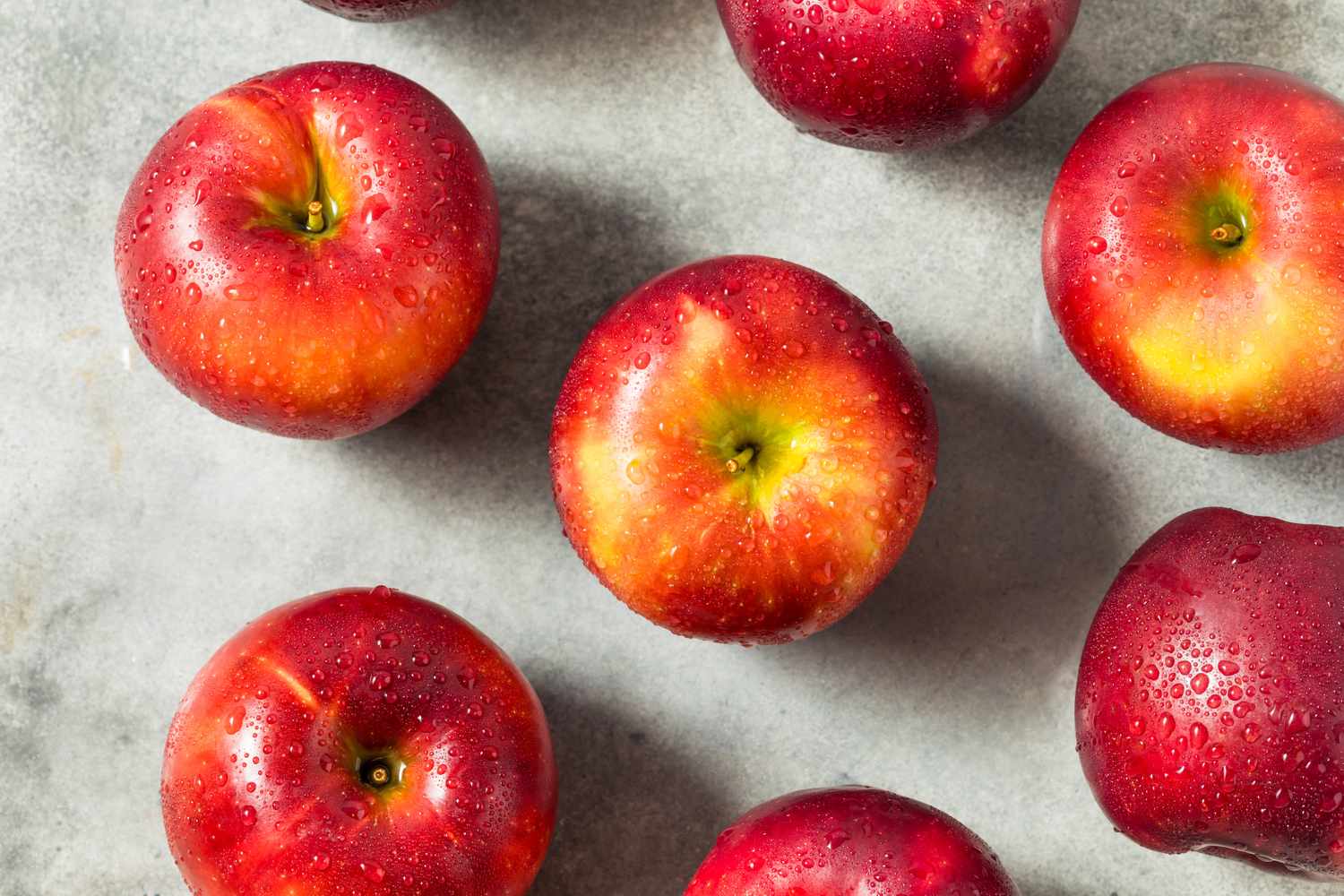
| Soluble Fiber | Forms a "gel" in the gut; lowers LDL cholesterol and stabilizes blood sugar. | Oats, beans, apples, citrus fruits, barley, and peas. |
| Insoluble Fiber | Provides "bulk" to the stool; speeds up the passage of food through the stomach. | Whole wheat flour, wheat bran, nuts, beans, and vegetable skins (potatoes, zucchini). |
A balanced intake of both types is essential for metabolic health. Soluble fiber feeds the Providencia and Bifidobacterium in your gut, which produce short-chain fatty acids (SCFAs) that protect your brain and heart. Meanwhile, insoluble fiber ensures that toxins and waste products are exported from the body efficiently.
Drive-Thru Survival: High-Fiber Fast Food Hacks
One of the biggest myths in nutrition is that you can only get enough fiber by cooking every meal from scratch using expensive kale and quinoa. This simply isn't true. Can you get enough fiber from fast food? Yes—if you know what to look for.
If you find yourself at a drive-thru, you don't have to settle for a zero-fiber burger. Here are some "Safe Bets" to keep your gut happy on the go:
- Bean-Based Chili: A standard serving of fast-food bean chili (such as at Wendy's) provides between 6 and 10 grams of fiber. This is nearly 40% of the daily fiber requirement for many adults.
- The Baked Potato: Choosing a baked potato with the skin on adds about 4 grams of fiber. Skip the bacon bits and ask for extra chives or broccoli.
- The Breakfast Pivot: Instead of a breakfast sandwich, look for oatmeal with apple slices or nuts. This can easily net you 7-8 grams of fiber before 9 AM.
Pro Tip: Even at McDonald's, you can boost your fiber intake by opting for a side salad (if available) or choosing a McGriddle/muffin that includes fruit. Adding even a small amount of "roughage" can change how your body processes the rest of the meal.

How to Increase Your Intake Without the Side Effects
If you currently eat very little fiber, do not try to hit 38 grams tomorrow. Doing so is a recipe for severe cramping and distress. Instead, follow the "Low and Slow" Rule.
- The 5-Gram Increments: Add 5 grams to your daily total every week. This gives your gut microbiome time to shift its population to accommodate the new fuel source.
- The Hydration Mandate: Fiber is like a sponge; it needs water to work. If you increase fiber without increasing water, you will likely become more constipated. Aim for at least 8-10 glasses of water daily.
- Prioritize Whole Foods Over Supplements: While psyllium husk can help, whole foods like lentils, raspberries, and almonds offer phytonutrients and antioxidants that supplements lack.
- Embrace the "Skins": Don't peel your cucumbers, apples, or potatoes. The skin is where the majority of the insoluble fiber resides.
Adding just 5 to 10 grams of fiber to your daily diet can dramatically improve digestion, blood sugar regulation, and weight management. It is perhaps the single most impactful change you can make for your long-term vitality.
FAQ
Q: Can I get too much fiber? While rare in a standard Western diet, consuming over 70g of fiber a day can lead to nutrient malabsorption (as fiber can bind to minerals like calcium and zinc) and significant digestive distress. Balance is key.
Q: Does cooking vegetables reduce their fiber content? Cooking does not "destroy" fiber, though it can change its structure. Some cooked vegetables may be easier to digest for those with sensitive guts, while others (like beans) require cooking to make their nutrients bioavailable.
Q: Are fiber supplements as good as real food? Supplements are a great "gap filler," but they lack the complex matrix of vitamins and minerals found in whole plants. Use them as an insurance policy, not the primary source.
Start Your Gut Reset Today
The journey to better health doesn't require a radical overhaul or an expensive juice cleanse. It starts with the simple, evidence-based decision to close the fiber gap. By listening to your body’s warning signs—the bloating, the hunger, the sluggishness—you can take proactive steps to restore your metabolic rhythm.
Explore High-Fiber Food Lists →
Remember, your gut is the "second brain" of your body. Feed it well, and it will reward you with steady energy, clear skin, and effortless digestion. Start with one high-fiber swap today.