For decades, the clinical approach to Type 2 Diabetes (T2D) followed a "wait and see" philosophy. You were diagnosed, told to watch your sugar, put on a foundational pill, and only introduced to advanced technology or specialized medications when your health began to decline. That era is officially over. The 2026 ADA Standards of Care represent a monumental shift—a paradigm change from reactive management to aggressive, technology-first protection. As someone who tracks longevity, I see this update not just as a medical guideline, but as a roadmap for preserving your vitality for the next thirty to forty years.
The hallmark of the 2026 standards is the recognition that diabetes is not a static condition but a progressive journey across four distinct stages. By identifying exactly where you are and utilizing the latest tools—from Continuous Glucose Monitors (CGM) to personalized GLP-1 dosing—you can effectively halt or even reverse the progression of the disease.
Understanding the 4 Stages of Type 2 Diabetes
The progression of Type 2 Diabetes is rarely a surprise; it is a metabolic story told over years. The 2026 standards categorize this journey into four critical phases:
- Insulin Resistance: Your cells stop responding efficiently to insulin, forcing your pancreas to overwork.
- Prediabetes: Blood sugar levels are higher than normal but haven't yet reached the clinical threshold for T2D.
- Clinical Diagnosis: Hyperglycemia is confirmed, and immediate intervention is required to prevent "glucose toxicity."
- Complications & Comorbidity Management: The stage where the focus shifts to protecting the "target organs"—the heart, kidneys, eyes, and nerves.
The core philosophy of the new standards is "Early and Ongoing" management. Clinical evidence highlights that early technology intervention reduces the risk of long-term vision and nerve damage through improved time-in-range data. We are no longer just looking at a single A1C snapshot every three months; we are looking at how your body handles fuel every minute of the day.
Stage 1 & 2: Insulin Resistance and Prediabetes
In the early stages, your body is essentially "shouting" for help. The 2026 ADA standards now suggest that we shouldn't wait for a formal diagnosis to begin high-level monitoring. There is a growing recommendation to consider CGM data even in the prediabetes phase to identify which specific foods cause your glucose to spike.
Lifestyle intervention remains the primary weapon here, but the 2026 guidelines have refined what "healthy eating" actually looks like. The shift has moved away from restrictive "dieting" and toward sustainable, metabolic-first patterns.
- Mediterranean and Low-Carbohydrate Patterns: The focus is on high-quality fats, lean proteins, and fibrous vegetables that dampen the insulin response.
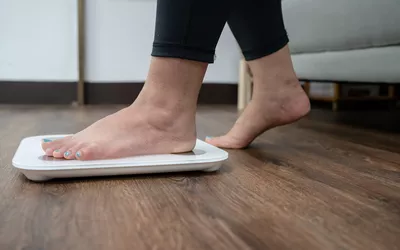
- The Power of 5–7%: The goal for Stage 1 and 2 is achieving a 5–7% weight reduction. This specific range has been shown to drastically improve glycemia and reduce cardiovascular risks, often preventing the transition to Stage 3 entirely.

Pro Tip: In the prediabetes stage, your "Time in Range" (TIR) should ideally be above 95%. Using a CGM for even two weeks can reveal that a "healthy" morning oatmeal might be spiking your blood sugar as much as a glazed donut. Knowledge is the first step to metabolic flexibility.
Stage 3: Clinical Diagnosis and Immediate Intervention
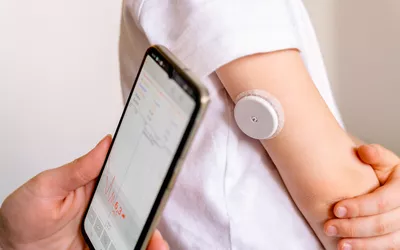
If you receive a diagnosis of Type 2 Diabetes today, the playbook is entirely different than it was two years ago. The 2026 ADA "Technology First" recommendation dictates the immediate adoption of CGM and, in many cases, Automated Insulin Delivery (AID) systems right at the start.
In the past, patients had to prove they were "sick enough" to need these tools—often through a C-peptide requirement or by failing multiple oral medications. The latest standards remove these barriers. The logic is simple: you cannot manage what you do not measure.
- Immediate CGM Adoption: Instead of finger-pricking, you get real-time data. This allows you to see the immediate impact of a 10-minute walk after dinner.
- Breaking the Insulin Stigma: If insulin is required, the 2026 standards advocate for AID systems that communicate with your CGM to automate dosing, taking the "mental math" out of diabetes management.
- Training Essentials: Your first month of diagnosis should focus on interpreting data, managing potential skin reactions to sensors, and understanding that CGM accuracy can be affected by factors like hydration and certain over-the-counter vitamins.
Stage 4: Managing and Preventing Long-Term Complications
When you reach Stage 4, the priority expands from "glucose control" to "organ protection." The 2026 standards place a heavy emphasis on preventing the "silent" complications that often accompany long-term T2D.
The heroes of this stage are GLP-1 RAs (Glucagon-like peptide-1 receptor agonists) and SGLT-2 inhibitors. These aren't just "diabetes drugs"; they are cardiovascular and renal insurance policies.
- Heart & Kidney Protection: SGLT-2 inhibitors are now recommended almost universally for patients with T2D and established kidney disease or heart failure, regardless of their A1C level.
- Aggressive Screening: The 2026 updates mandate annual kidney tests (UACR urine protein + eGFR blood function) and comprehensive eye exams.
- Blood Pressure Targets: The gold standard is no longer 140/90. The 2026 goal is now <130/80 mmHg (and as low as <120 mmHg for those at high risk for stroke or heart disease).
| Feature | 2025 Standard | 2026 ADA Standard |
|---|---|---|
| Tech Adoption | Step-wise (after medication failure) | Technology First (Immediate CGM/AID) |
| Weight Target | General weight loss | Personalized GLP-1 Dosing |
| BP Target | <140/90 mmHg | <130/80 mmHg |
| Liver Health | Secondary concern | Primary Focus (MASLD screening) |
| Requirement | C-peptide test for AID | Barrier Removed |
Specialized Pharmacotherapy: Weight and Metabolic Health
We cannot talk about the 2026 standards without discussing the revolution in pharmacotherapy. We have moved away from the "maximum dose for everyone" approach. Clinical evidence supports that personalized dosing of GLP-1 medications, rather than universal high doses, optimizes weight management for 90% of Type 2 diabetes patients with obesity.
There is also a significant new focus on Liver Health. The 2026 guidelines introduce MASLD (Metabolic Dysfunction-Associated Steatotic Liver Disease) as a primary concern. For the first time, GLP-1 medications are recommended as initial therapy for those with T2D and evidence of liver fibrosis.
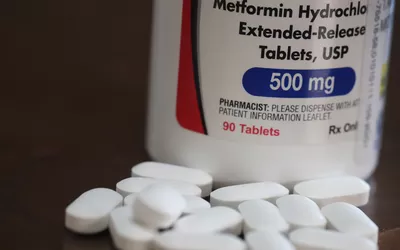
Managing your metabolic health is no longer about just taking a pill; it's about a multi-layered defense strategy. By combining Metformin with newer agents and real-time data, we are seeing patients achieve "remission" levels of glucose control while simultaneously lowering their risk of heart attack by nearly 20-30%.
The Long-Term Outlook
The goal of these 2026 updates is to allow you to live a life where diabetes is a background detail, not the protagonist of your story. When we use technology to maintain high time-in-range metrics, we aren't just avoiding a "high" today; we are preventing vision loss and nerve damage twenty years from now.
FAQs: Common Questions About the 2026 Standards
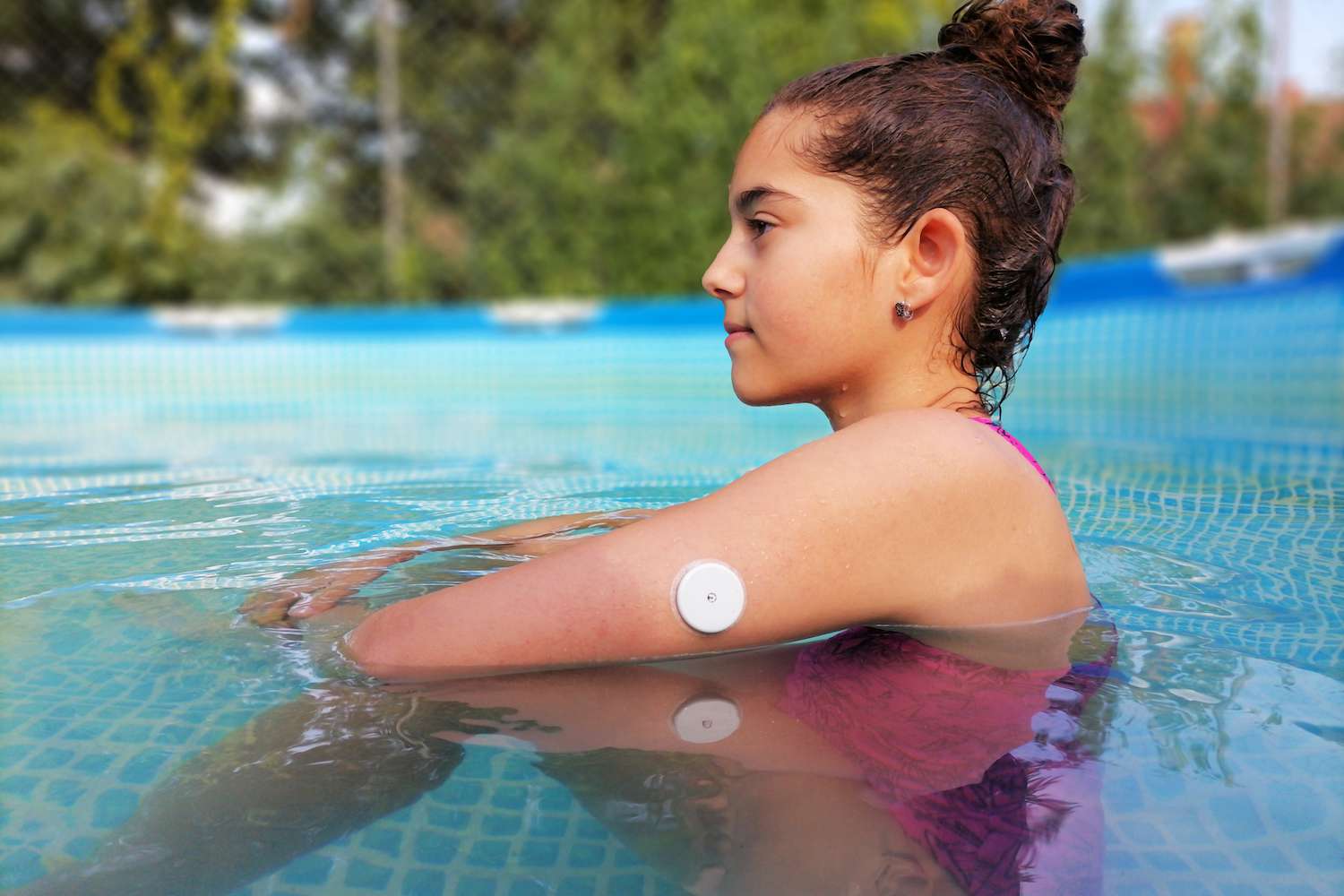
Q: Do I really need a CGM if my A1C is already under 7%? A: Yes. A1C is an average, which can hide dangerous "peaks and valleys." The 2026 standards emphasize "Time in Range" (TIR). You want to know if you are staying stable or if you are swinging wildly between highs and lows, which causes more oxidative stress on your blood vessels.
Q: Are GLP-1 medications like Ozempic or Mounjaro only for weight loss? A: Absolutely not. While they are powerful for weight management, the 2026 guidelines prioritize them for their "cardioprotective" benefits. They reduce the risk of major adverse cardiovascular events (MACE) in addition to helping with glucose and weight.
Q: What is the most important change in the 2026 guidelines for someone newly diagnosed? A: The "Technology First" approach. Demand a CGM on day one. Don't wait to "see how you do" with lifestyle changes alone. Use the technology to see how those lifestyle changes are working in real-time.
Taking Your Next Step in Diabetes Management
If you or a loved one is navigating Type 2 Diabetes, the most important thing you can do is have a proactive conversation with your care team based on these new standards. Don't settle for "good enough" numbers.
Your 3-step action plan:
- Request a CGM: Ask your doctor to prescribe a continuous glucose monitor immediately to establish your baseline "Time in Range."
- Review your Organ Protection: If you have any history of heart or kidney concerns, ask if an SGLT-2 or GLP-1 should be part of your foundational therapy.
- Audit your Blood Pressure: Buy a high-quality home cuff and aim for that new <130/80 mmHg target.