Quick Facts
- Surgery Readiness: For elective surgery, the 2026 Standards of Care recommend an A1C goal of less than 8% (64 mmol/mol) within 3 months of the procedure.
- Older Adults (BP): Target blood pressure is now less than 130/80 mmHg if safely achievable, prioritizing cardiovascular protection.
- Muscle Health: Seniors with diabetes should target a protein intake of at least 0.8 g/kg of body weight daily to prevent sarcopenia.
- Alternative Metrics: For surgical prep, a 14-day Glucose Management Indicator (GMI) < 8% or Time in Range (TIR) > 50% is now a recognized alternative to A1C.
- Technology Standards: CGM (Continuous Glucose Monitoring) is now the recommended standard for all older adults with T1D or T2D using insulin.
For years, we have viewed the A1C test as the "gold standard"—the final word on how well you are managing your diabetes. But as we step into 2026, the clinical landscape has shifted. We are moving away from a "one-size-fits-all" number and toward a more nuanced, holistic understanding of metabolic health. As a preventive care editor, I’ve seen how these updates empower patients to look beyond the lab slip and toward a lifestyle that truly supports longevity.
The 2026 Standards of Care represent a landmark change. They acknowledge that your body is an interconnected system where glucose, blood pressure, kidney function, and even your mental well-being must be balanced in harmony. Whether you are preparing for a procedure or simply looking to optimize your daily routine, understanding these new benchmarks is your first step toward mastery over your health.
Understanding the Standard A1C Chart
At its core, the A1C test measures the percentage of your hemoglobin—a protein in red blood cells that carries oxygen—that is coated with sugar (glycated). Because red blood cells live for about three months, the test reflects your average blood sugar levels over that period.
Traditionally, the chart has been straightforward:
- Normal: Below 5.7%
- Prediabetes: 5.7% to 6.4%
- Diabetes: 6.5% or higher
However, the 2026 standards emphasize that while A1C is a vital historical record, it doesn't tell the whole story. It doesn't show the "peaks and valleys"—the dangerous highs (hyperglycemia) and frightening lows (hypoglycemia) that can occur in a single day. This is why healthcare providers are increasingly looking at Time in Range (TIR) alongside your A1C to get a high-definition picture of your metabolic health.
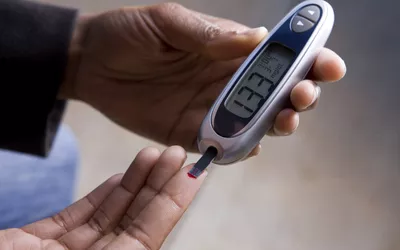
A1C to Estimated Average Glucose (eAG) Conversion
To make these numbers more relatable to your daily finger-pricks or CGM readings, we use eAG. Here is how the 2026 targets generally translate:
| A1C (%) | Estimated Average Glucose (mg/dL) | Average Glucose (mmol/L) |
|---|---|---|
| 6.0 | 126 | 7.0 |
| 7.0 | 154 | 8.6 |
| 8.0 | 183 | 10.2 |
| 9.0 | 212 | 11.8 |
| 10.0 | 240 | 13.3 |
Lily’s Tip: Don't obsess over a single point. If your A1C is 7.1% but your Time in Range is 75%, you are likely doing better than someone with a 6.5% A1C who experiences frequent, severe drops in blood sugar.
2026 Surgical Standards: The New A1C Target for Procedures
One of the most significant updates in the 2026 guidelines involves "prehabilitation"—the steps you take to prepare your body for the stress of surgery. High blood sugar during and after surgery significantly increases the risk of infections, slow wound healing, and cardiovascular complications.
According to the 2026 Standards of Care, the recommended A1C goal for elective surgery is less than 8% (64 mmol/mol), and this measurement should be taken within three months of the procedure.
But what if you haven't had an A1C test recently? The 2026 update introduces more flexibility for tech-users. You can now use:
- 14-day Glucose Management Indicator (GMI): A goal of less than 8%.
- Time in Range (TIR): A goal of greater than 50%.
These metrics allow your surgical team to see how your body is handling glucose in the immediate two weeks leading up to the operation, providing a more current "readiness" score than an A1C from two months ago might.

Surgical Readiness Checklist
If you have a procedure on the horizon, ensure you've checked these boxes:
- Recent Labs: Have an A1C or 14-day CGM report ready for your pre-op assessment.
- Medication Plan: Discuss exactly which medications to take or hold on the morning of surgery (especially SGLT2 inhibitors).
- Hydration: Maintain optimal hydration to support kidney function during anesthesia.
Tailoring Control for Older Adults (Ages 65+)
As we age, the "standard" goals for diabetes management often need to be relaxed to prevent the risks of over-treatment, particularly hypoglycemia, which can lead to falls and cognitive decline. The 2026 guidelines place a heavy emphasis on "de-intensification" when necessary and focusing on quality of life.
A major pillar of the 2026 update is Blood Pressure (BP) Control. For older adults, the goal is now a blood pressure of less than 130/80 mmHg, provided it can be reached safely without causing dizziness or fainting. For those with a more limited life expectancy or complex medical histories, a slightly higher target of less than 140/90 mmHg is acceptable.
Another crucial lifestyle addition is the focus on protein intake. To combat muscle loss (sarcopenia), which is accelerated by diabetes, the 2026 standards recommend a specific nutritional intake of at least 0.8 g/kg of body weight per day of protein.

For those in post-acute or long-term care settings, the goal is "simplified management." This means prioritizing medications with a low risk of hypoglycemia and reducing the complexity of insulin regimens to ensure safety and comfort over rigid numerical control.
The Technology Shift: CGM and AID Systems
In 2026, technology is no longer an "extra"—it is a standard component of care. The new guidelines are very clear: All older adults with Type 1 or Type 2 diabetes who use insulin should utilize Continuous Glucose Monitoring (CGM).
The rationale is simple: CGMs provide real-time alerts that prevent dangerous low blood sugar episodes before they happen. Furthermore, for those who require multiple daily injections, Automated Insulin Delivery (AID) systems (often called "closed-loop" systems) are now the preferred method of delivery.
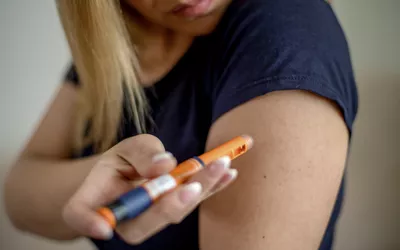
The terminology has also evolved. What we used to call "DIY" or "user-led" systems are now professionally recognized as "Open-Source AID" systems. If you are using one of these platforms, the 2026 standards encourage your healthcare provider to support you in that choice, rather than discouraging it, acknowledging the incredible success many patients have had with these community-driven tools.
Beyond Glucose: The Cardiovascular and Kidney Connection
In my years as an editor, I’ve advocated for a holistic view of health, and the 2026 standards finally echo this sentiment by focusing on the "Metabolic-Cardiovascular-Renal" puzzle. Managing diabetes is no longer just about the A1C; it’s about protecting your heart and kidneys.
- Blood Pressure: For those at high risk for cardiovascular disease or chronic kidney disease (CKD), a more intensive systolic BP goal of <120 mmHg may be recommended if it can be achieved without undue burden.
- Kidney Health: The role of SGLT2 inhibitors and nsMRAs (nonsteroidal mineralocorticoid receptor antagonists) has been elevated. These medications are now a standard of care for preventing the progression of CKD, regardless of whether your A1C is already "at goal."
- Liver Health: The 2026 standards now specifically mention MASH (Metabolic Dysfunction-Associated Steatohepatitis)—formerly known as NASH. If you have obesity (BMI > 30) and diabetes, GLP-1 receptor agonists are highly recommended not just for glucose control, but for liver protection and weight management.
Managing the 'Invisible' Symptom: Diabetes Distress
Perhaps the most empathetic addition to the 2026 standards is the formal recognition of Diabetes Distress. Living with a chronic condition that requires 24/7 attention is exhausting. The 2026 EASD (European Association for the Study of Diabetes) evidence-based guidelines, which have been integrated into global standards, now mandate routine screening for mental health.
Healthcare providers are encouraged to use validated scales like the PAID (Problem Areas in Diabetes) or DDS (Diabetes Distress Scale). If you find yourself feeling overwhelmed, "burnt out," or frustrated by your numbers, know that this is recognized as a clinical symptom of the disease—not a personal failure. The 2026 standards explicitly state that professional psychological support is a standard part of diabetes care, not an optional add-on.
"Your mental health isn't separate from your physical health; the 24/7 nature of management justifies professional psychological support as a standard of care."
FAQ
What is a good A1C level for a 70-year-old in 2026? While 7.0% is a general target, the 2026 standards suggest that for older adults, a target of 7.5% or even 8.0% may be more appropriate if they have multiple chronic conditions or a high risk of hypoglycemia. The focus is on safety and maintaining independence.
Can I have surgery if my A1C is 8.5%? For elective (non-emergency) surgery, your surgeon may ask you to work on your glucose levels to get below 8.0% before proceeding. This is to ensure you have the best possible outcome and the lowest risk of infection. However, they may also accept a 14-day TIR of >50% as proof of stability.
How does protein intake affect my A1C? Protein itself doesn't significantly raise blood sugar, but it is vital for maintaining muscle mass. Better muscle mass improves insulin sensitivity, which in turn makes it easier to keep your A1C within your target range. The 2026 goal of 0.8 g/kg of body weight is the minimum for muscle health.
Conclusion & Next Steps
Decoding your A1C chart in 2026 means looking at a tapestry, not just a single thread. While that <7% or <8% number remains a guidepost, your focus should be on the bigger picture: your heart health, your kidney function, your muscle strength, and your mental peace.
As we move forward, use the technology available to you. If you aren't on a CGM yet, 2026 is the year to discuss it with your doctor. Prioritize your protein, keep an eye on your blood pressure, and remember that your "standard of care" should be as unique as you are.

Ready to optimize your routine? Speak with your healthcare provider about how the 2026 standards apply to your specific health profile.