Receiving a skin cancer diagnosis often brings a wave of uncertainty, but it also presents a critical opportunity to choose a path toward the highest possible cure rate. In the world of dermatology, Mohs micrographic surgery isn’t just an option; it is widely regarded as the "gold standard" for treating the most common forms of skin cancer. Developed by Dr. Frederic Mohs in the 1930s and refined over decades, this specialized technique offers a unique blend of surgical precision and microscopic verification that traditional methods simply cannot match.
Quick Facts
- Success Rate: Up to 99% for primary (newly diagnosed) basal cell carcinomas.
- Tissue Preservation: It removes the smallest amount of healthy tissue possible, making it ideal for the face, ears, and hands.
- The "100% Rule": Unlike traditional surgery, which examines about 1% of the tissue margin, Mohs examines 100% of the surgical margin.
- Same-Day Results: The surgeon acts as the pathologist, confirming the cancer is gone before you leave the office.
- Recovery: Initial swelling and bruising usually subside within 7 to 14 days.
Understanding the Gold Standard in Skin Cancer Care
What makes Mohs surgery the "gold standard"? To understand its superiority, we must look at how skin cancer grows. Often, what we see on the surface is just the "tip of the iceberg." Beneath the skin, the cancer can have "roots" that extend outward or downward into deeper layers. Traditional excision involves cutting out the visible tumor plus a wide safety margin of healthy-looking skin, then sending it to a lab where a pathologist looks at random "slices" of the edge.
Mohs micrographic surgery changes the script. It is a meticulous, layer-by-layer technique where the surgeon removes a thin layer of tissue and immediately examines it under a microscope in an on-site lab. If cancer cells are found at the edge of that layer, the surgeon knows exactly where they are and goes back to remove another thin layer only from that specific spot. This process continues until every "root" is accounted for.
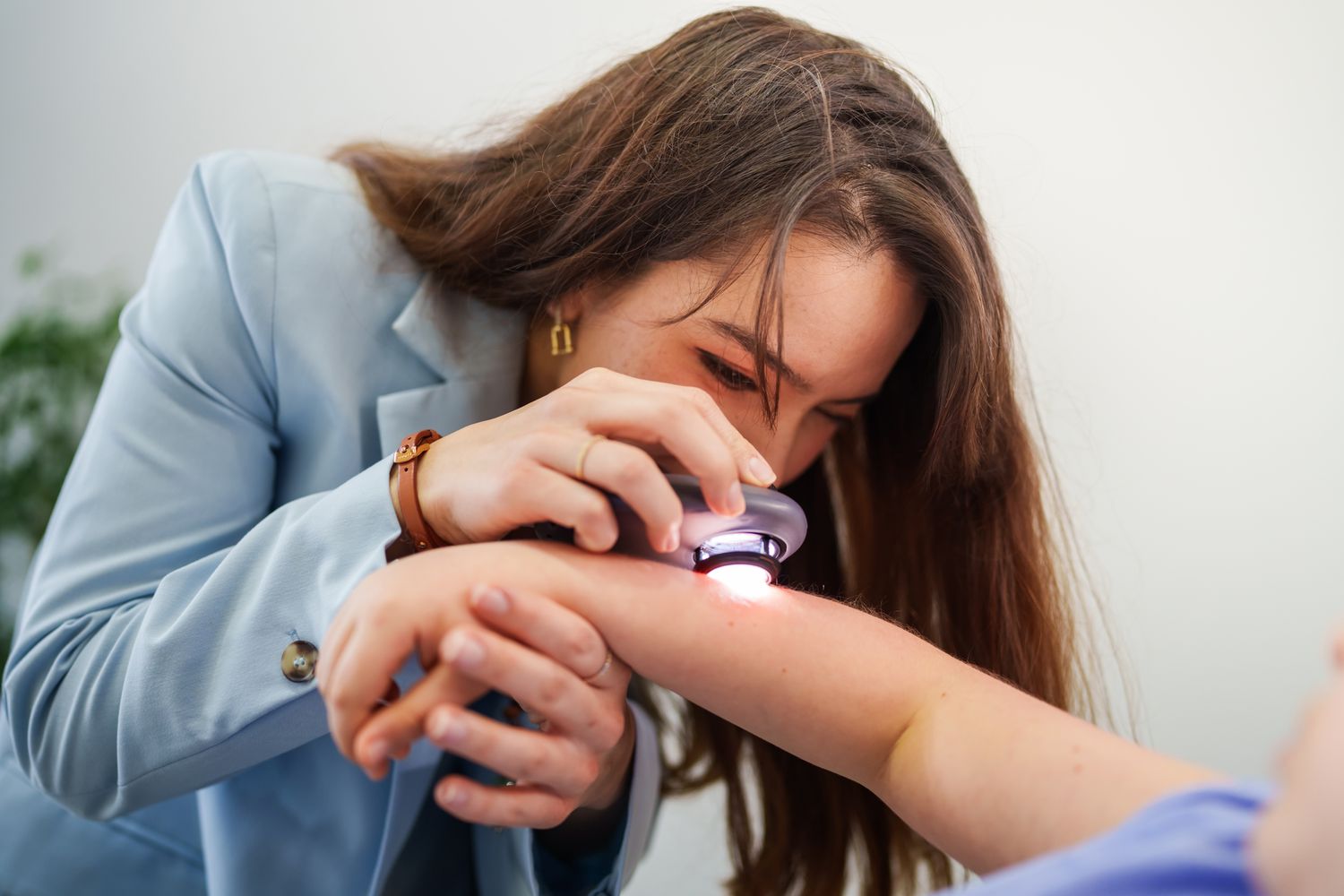
This approach is particularly vital for high-risk areas where skin is sparse or aesthetics are paramount, such as the eyelids, nose, lips, or fingers. By sparing the maximum amount of healthy tissue, Mohs surgery ensures the smallest possible scar and the best functional outcome.
| Feature | Mohs Micrographic Surgery | Traditional Surgical Excision |
|---|---|---|
| Margin Examination | 100% of the surgical margin is checked | Approximately 1% of the margin is checked |
| Cure Rate (Primary BCC) | Up to 99% | Roughly 85% to 92% |
| Tissue Sparing | Highly precise; removes minimal healthy skin | Requires wider "safety" margins of healthy skin |
| Lab Results | Immediate (on-site during the procedure) | Delayed (usually 1–2 weeks later) |
| Provider | One person (Surgeon, Pathologist, Specialist) | Multiple (Surgeon and a separate Pathologist) |
The Precision Advantage: Mohs vs. Traditional Surgery
The statistical advantage of Mohs surgery is hard to ignore. For primary basal cell carcinomas (BCC), the most common form of skin cancer, the cure rate is a staggering 99%. Even for recurrent cases—cancers that have returned after previous treatments—the success rate remains high at approximately 94%.
This precision is possible because the Mohs surgeon is trained in three distinct roles: the surgeon who removes the tissue, the pathologist who analyzes the slides, and the reconstructive surgeon who repairs the wound. By wearing all three hats, the surgeon has an intimate, 360-degree understanding of the tumor’s architecture.
Expert Tip: Think of the "tissue-sparing" philosophy as a way to protect your future self. In areas like the nose or eyelid, even a few extra millimeters of tissue removal can significantly alter your appearance or your ability to breathe or blink comfortably. Mohs surgery prioritizes your long-term quality of life.
The Step-by-Step Mohs Process: What to Expect
The idea of "surgery" can be daunting, but Mohs is performed under local anesthesia, meaning you are awake, comfortable, and able to speak with your care team throughout the day. The most important thing to bring with you is patience, as the process is designed for thoroughness rather than speed.
- Preparation and Numbing: The surgical site is cleaned, and a local anesthetic is injected to completely numb the area. You may feel a slight pinch, but the site will be painless shortly after.
- Layer Removal: The surgeon removes the visible portion of the tumor along with a very thin layer of surrounding tissue. This takes only a few minutes.
- Tissue Mapping and Analysis: This is the most time-consuming part. While you wait comfortably in a dressing gown with a temporary bandage, the tissue is color-coded and mapped. A technician processes the tissue into microscopic slides. The surgeon then examines these slides to see if any cancer "roots" remain at the edges. This waiting period typically lasts 60 to 90 minutes.
- The "Clear" or "Repeat" Decision: If the margins are clear, the surgery is over. If cancer cells are still visible at any margin, the surgeon refers back to the map and removes another thin layer only from the area where the cancer remains.
- Closing the Wound: Once the site is confirmed to be cancer-free, your surgeon will discuss the best way to repair the area to ensure the best cosmetic result.
Preparing for Your Procedure
Preparing for Mohs surgery involves more than just showing up. Because the procedure can take anywhere from a few hours to a full day, your comfort and your body’s ability to heal are the top priorities.
- Smoking and Tobacco: If you use tobacco products, it is highly recommended to stop at least three weeks prior to surgery. Nicotine constricts blood vessels, which can severely compromise the healing of a surgical flap or graft.
- Medication Guidelines: Continue taking all prescribed medications unless your surgeon specifically tells you otherwise. If you are on blood thinners, your surgeon will coordinate with your primary care physician to determine the safest course of action.
- Comfort Essentials: Wear comfortable, loose-fitting clothing—ideally a button-down shirt so you don't have to pull anything over your head after the procedure.
- Nutrition: Eat a good breakfast. Since you’ll be in the office for several hours, bring a book, a tablet, and some snacks or a light lunch.
Surgery Day Checklist
- [ ] A companion to drive you home (especially if the surgery is near the eye).
- [ ] Medications you would normally take during the day.
- [ ] A fully charged phone or a long book.
- [ ] A list of any allergies to local anesthetics or adhesives.
Reconstruction and Wound Repair
Once the "cancer-free" milestone is reached, the focus shifts to restoration. Your surgeon will evaluate the size and location of the wound to decide the best closure method.
Sometimes, a small wound is left to heal on its own (healing by second intention), which can lead to excellent cosmetic results in certain areas like the inner corner of the eye. More often, the surgeon will use side-to-side stitches. In more complex cases, a skin flap (shifting nearby skin to cover the hole) or a skin graft (using skin from another part of the body) may be necessary to maintain the natural contours of your face.
The goal is always dual-purpose: to restore function and to ensure that, in a few months, the scar is as inconspicuous as possible.
Find a Specialized Mohs Center Near You →
Recovery Timeline and Aftercare
Most patients find that the recovery from Mohs surgery is much easier than they anticipated. While the surgical site may be tender once the anesthesia wears off, the pain is usually manageable with over-the-counter Tylenol.
The First 48 Hours: This is the "rest and ice" phase. Keep the original pressure bandage on for the first 24 to 48 hours to minimize swelling and bleeding. Applying an ice pack (20 minutes on, 20 minutes off) over the bandage during the first day is incredibly effective for reducing post-operative bruising.
Weeks 1-2: You will likely return to the office in 7 to 14 days to have your stitches removed. During this time, you should avoid heavy lifting (usually anything over 10 lbs) and strenuous exercise, as these activities can increase blood pressure and cause the wound to pop open or bleed.
Long-Term Scar Management: Once the stitches are out, the healing process continues beneath the surface. For the first few months, the scar may appear pink or slightly raised. We recommend:
- Sun Protection: New scar tissue is very sensitive to UV light and can darken permanently (hyperpigmentation) if exposed to the sun. Use a mineral-based SPF 30+ daily.
- The 2-Month Massage: After the wound has fully closed (usually around week 4), gently massaging the scar with a silicone-based gel for a few minutes a day can help break up collagen "clumps" and flatten the scar.
Long-Term Monitoring and Prevention
Successfully completing Mohs surgery is a victory, but it also serves as a reminder of the importance of vigilance. Statistics show that if you have had one skin cancer, you are at a significantly higher risk of developing another in the future.
Prevention is a holistic practice. It isn't just about wearing a hat; it’s about a lifestyle of awareness. Schedule full-body skin checks with your dermatologist at least once or twice a year. Between appointments, perform self-exams. Look for "the ugly duckling"—any spot that looks different from the others, or any sore that bleeds, crusts, and refuses to heal for more than three weeks. These are often the early signs of "roots" trying to establish themselves.
Frequently Asked Questions (FAQs)
Does Mohs surgery leave a scar? Yes, all surgical procedures result in some form of a scar. However, because Mohs surgery is tissue-sparing, the resulting scar is usually the smallest possible. Mohs surgeons are also experts in reconstructive techniques designed to hide scars within the natural folds and lines of the skin.
Is the procedure painful? The only pain most patients feel is the initial "bee sting" of the numbing injection. Once the area is numb, you should not feel any sharp pain during the surgery. If you begin to feel anything, you can simply let your surgeon know, and they will provide additional local anesthetic.
How long does the entire day take? On average, expect to be at the office for 4 to 6 hours, though it can take up to 10 hours for very complex or deep tumors. Most of this time is spent waiting in the lounge while the lab processes your tissue.
Is Mohs surgery covered by insurance? Mohs surgery is generally covered by most insurance plans and Medicare, as it is considered a medically necessary treatment for skin cancer. However, it is always wise to confirm your specific coverage and any co-pays with your provider beforehand.
Conclusion
Choosing Mohs surgery means choosing peace of mind. By ensuring that 100% of the margins are cancer-free before you even leave the doctor’s office, you are giving yourself the best possible chance for a permanent cure. While the day may be long and the recovery requires a bit of patience, the long-term rewards—minimal scarring and a 99% success rate—make it the undeniable gold standard for skin cancer care.
If you have recently been diagnosed with basal cell or squamous cell carcinoma, speak with your care team about whether Mohs micrographic surgery is the right choice for your lifestyle and your long-term wellness journey.