Quick Summary: Our Top Picks for 2024
If you are looking to reclaim your time and maximize your athletic performance without the commute, 2024 is the year to finally pull the trigger on a home gym. After months of rigorous testing, our team has identified the clear winners in a crowded market.
- Best Overall Home Gym: The Torque Fitness F9 Fold-Away Functional Trainer takes the top spot. Its commercial-grade cable action and ingenious space-saving design make it the gold standard for home strength training.
- Best for Small Spaces & High-Tech Enthusiasts: The Tonal Smart System remains the undefeated champion of digital resistance. It replaces a room full of equipment with a sleek, wall-mounted unit that uses AI to coach your form in real-time.
- The Bottom Line on Value: While an elite setup can cost upwards of $4,000, our analysis shows these systems typically pay for themselves within 2 to 3 years by eliminating commercial gym fees and travel costs.
How We Tested: Our Rigorous Evaluation Process
Choosing a home gym isn't just about reading a spec sheet; it’s about how the equipment stands up to a high-intensity session. Our team performed hands-on testing of 8 market-leading home gyms, putting each unit through a gauntlet of movements—from heavy compounds like squats and presses to isolation work like face pulls and tricep extensions.
To ensure our ratings were objective, we evaluated each gym across 7 rigorous criteria: ease of setup, ease of use, safety, comfort, performance, features, and long-term value. We consulted with industry experts like Parker Oliver and Adrien Deffes to verify that the biomechanics of these machines support safe, effective muscle recruitment.
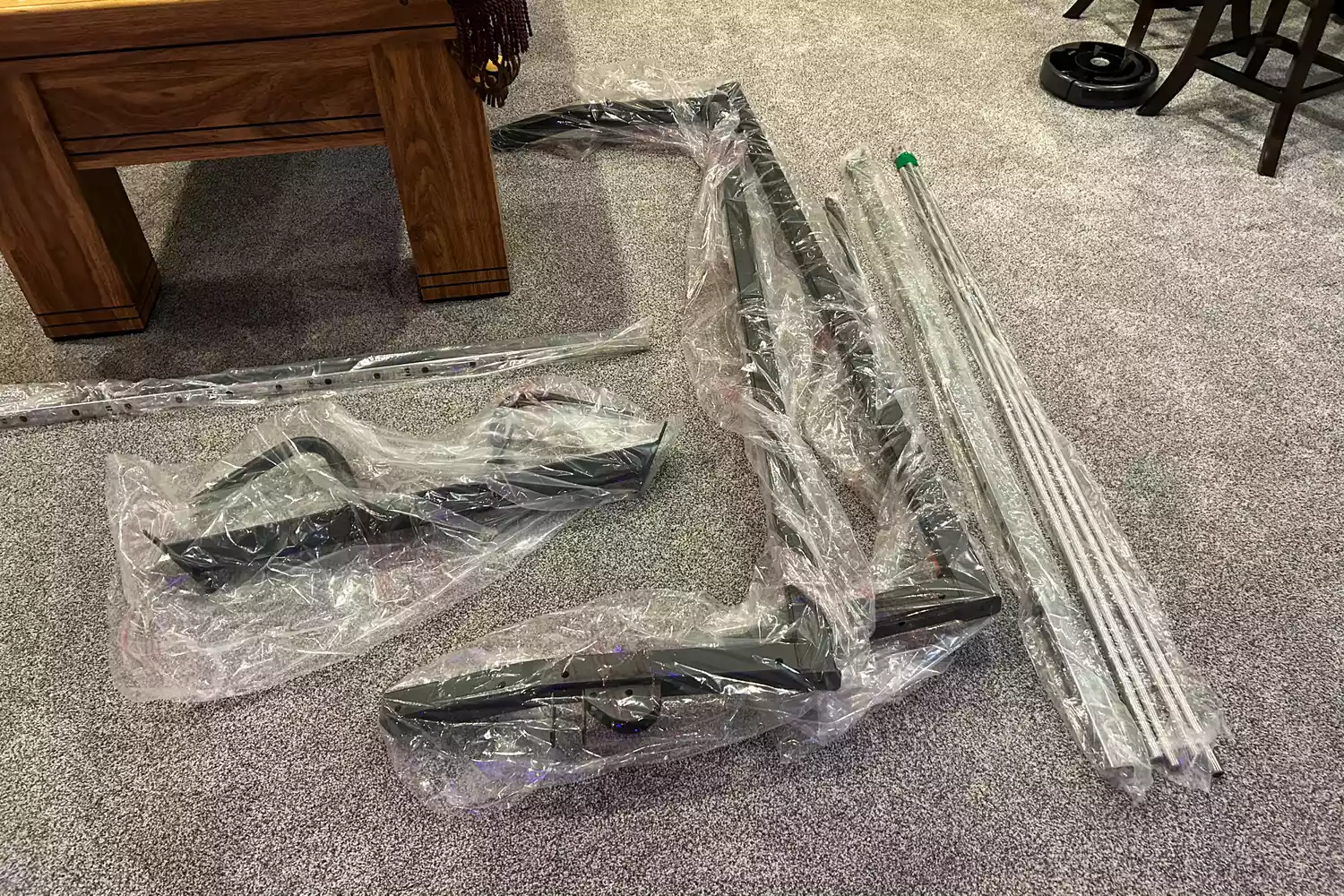
One of the most revealing parts of our process was the assembly phase. We discovered that while "all-in-one" sounds convenient, the complexity of setup varies wildly. Some units, like the Torque F9, require a dedicated afternoon and careful attention to detail, whereas others are nearly "plug-and-play."
The Best Home Gyms of 2024
1. Best Overall: Torque Fitness F9 Fold-Away Functional Trainer
When we look for the "Best Overall" title, we look for zero compromises. The Torque Fitness F9 offers the same smooth, consistent resistance you’d find in a $10,000 commercial club unit, but it’s designed specifically for the home. The standout feature is the dual adjustable pulleys with 17 different positions, allowing for a virtually unlimited range of motion.
| Feature | Specification |
|---|---|
| Resistance | 150-225 lbs per stack |
| Pulley Positions | 17 vertical adjustments |
| Footprint (Closed) | 34.9 x 44.6 x 83.8 inches |
| Warranty | 10 years on frame/parts |
Pros
- Exceptional, smooth cable action that doesn't "catch" at high speeds.
- The fold-away doors completely hide the weights and cables when not in use.
- Heavy-duty construction that feels stable even during explosive movements.
Cons
- The flat-to-incline bench is often sold separately, adding to the cost.
- Professional assembly is highly recommended due to the cable routing complexity.
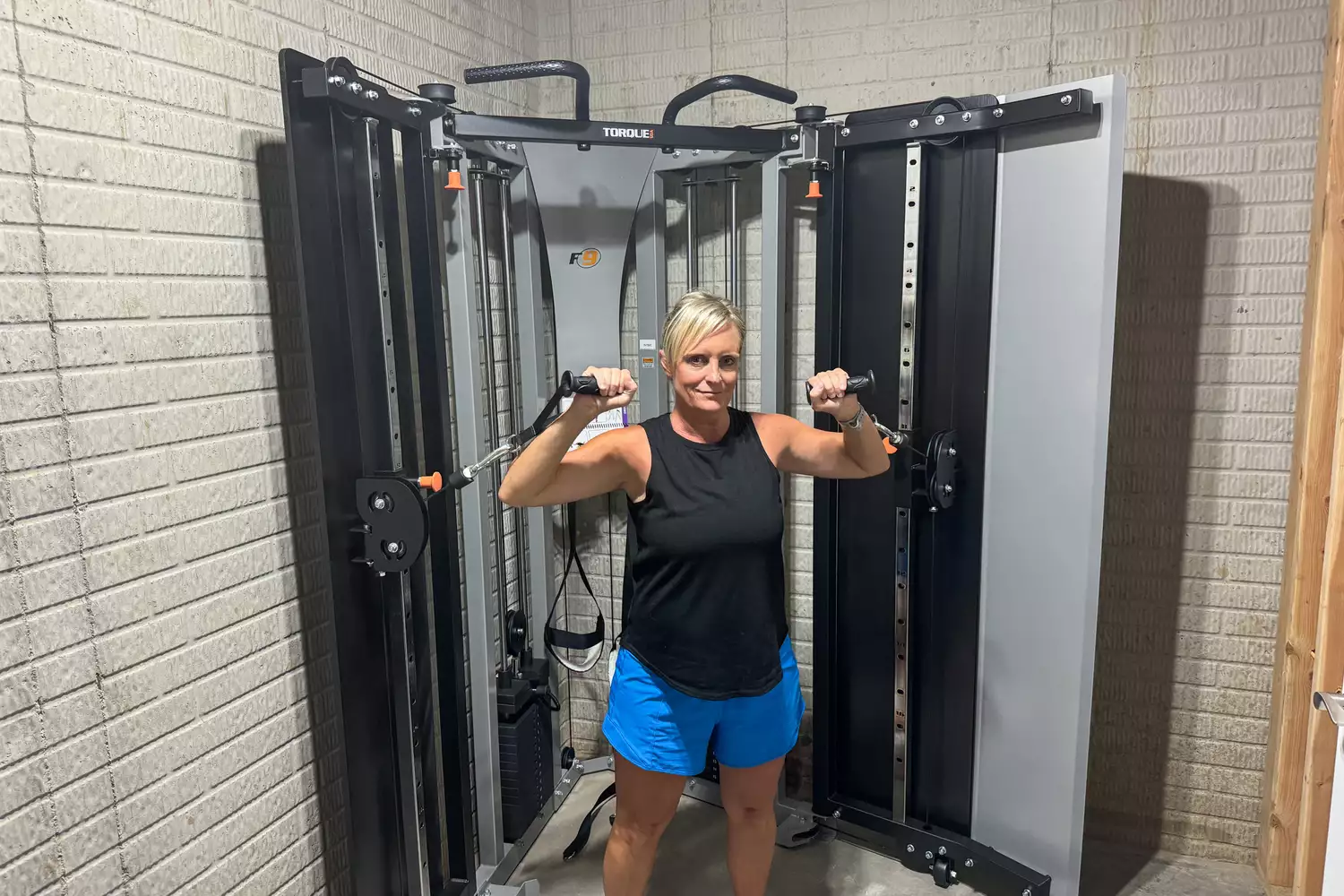
The F9 is for the athlete who wants "real" iron feel. We found that the independent cable stacks allow for true unilateral training, which is essential for correcting muscle imbalances. When you're done, the unit folds into a footprint smaller than an armchair.
Check Price on Torque Fitness →
2. Best High-Tech: Tonal Smart System
Tonal has revolutionized the "smart gym" category. Instead of physical plates, it uses an electromagnetic engine to create up to 200 lbs of digital resistance. This isn't just a screen on a wall; it’s a coach that knows exactly when you’re struggling and can automatically "spot" you by reducing the weight.
Pros
- Dynamic Resistance: Features like "Chains" or "Eccentric" modes vary the weight during the lift.
- Zero Footprint: Wall-mounted design leaves your entire floor free for cardio or yoga.
- AI Coaching: Sensors track your range of motion and velocity to give instant form feedback.
Cons
- Requires a $60/month subscription to access the best features.
- Maximum resistance of 200 lbs may be limiting for elite powerlifters.
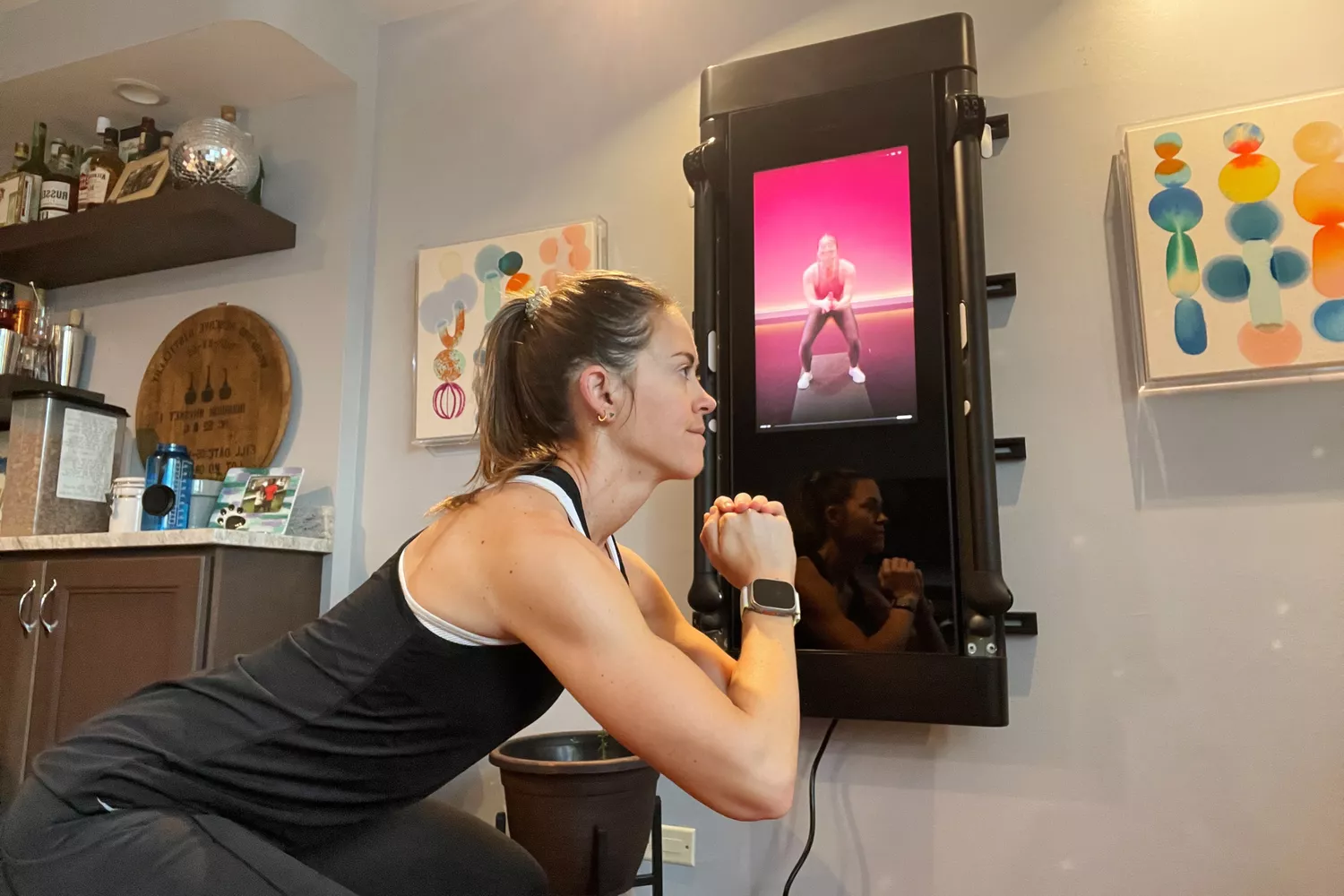
During our performance testing, we were skeptical of "digital" weight. However, the constant tension provided by the Tonal arms felt significantly more challenging than 200 lbs of free weights because there is no momentum to help you through the movement. It is the ultimate tool for hypertrophy and lean muscle gains in a modern apartment.
3. Best for Small Spaces: Speediance Gym Monster 2
If you want the tech of Tonal but can’t (or don't want to) bolt anything to your walls, the Speediance Gym Monster 2 is the answer. It’s a floor-standing unit with a foldable platform that houses two powerful motors for digital resistance.
The Gym Monster 2 is particularly impressive because it includes a built-in squat rack and bench press functionality using its cable system. It’s an "all-in-one" in the truest sense. Unlike many competitors, Speediance offers a robust "free mode" that allows you to use the machine without a monthly subscription, making it a smarter long-term investment for the budget-conscious tech lover.
4. Most Affordable All-in-One: Marcy MWM-989 150-lb Stack Home Gym
For those who want a classic, reliable weight stack without the four-figure price tag, the Marcy MWM-989 is a standout. It’s a traditional "multigym" that covers all the basics: chest press, lat pulldown, leg extension, and a low pulley for rows.
Pros
- Budget-Friendly: Usually found for under $600.
- Durable: Heavy-duty 14-gauge steel tube frame.
- Safety: The weight stack is enclosed, making it safer for homes with pets or children.
Cons
- 150-lb stack may be outgrown by intermediate lifters.
- Fixed range of motion is less "functional" than cable trainers.
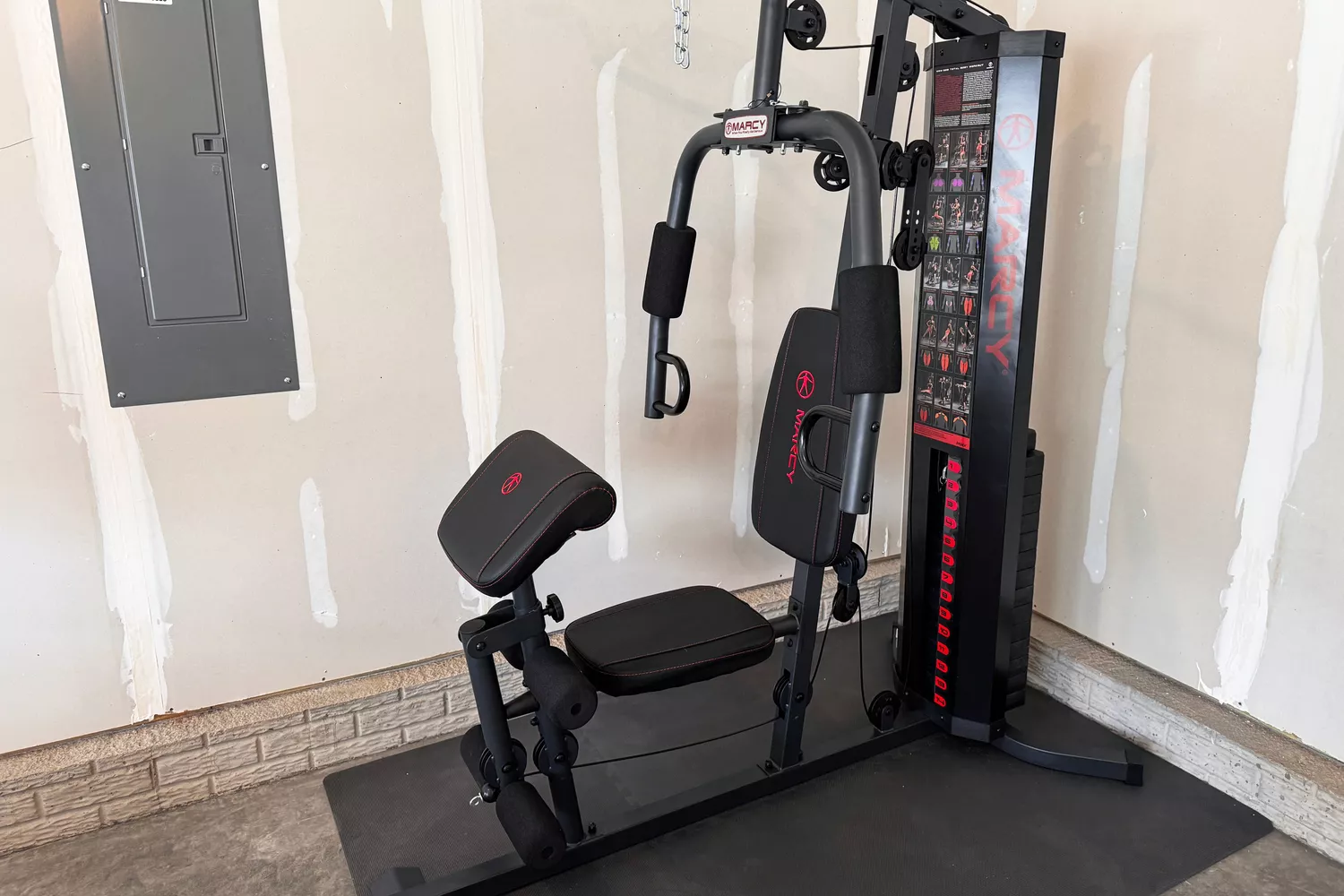
In our testing, the Marcy MWM-989 proved to be surprisingly stable. While it lacks the "bells and whistles" of the F9 or Tonal, it provides a very intuitive experience. It’s an excellent "first gym" for anyone looking to build a consistent habit without a massive upfront investment.
View Marcy MWM-989 on Amazon →
5. Best Barbell Alternative: Gorilla Bow Original Total Bundle
Not everyone wants a 400-lb machine in their house. The Gorilla Bow is a unique piece of equipment that mimics the feel of a barbell by using heavy-duty resistance bands. It allows you to perform squats, chest presses, and deadlifts with a familiar grip.
Pros
- High Resistance: The total bundle can support up to 300 lbs of band tension.
- Portability: You can easily slide it under a bed or take it to a park.
- Joint Friendly: Resistance bands provide a different tension curve that is often easier on the joints.
Cons
- The "bar" is quite large and can be awkward for certain overhead movements.
- Bands will eventually need replacement after heavy use.
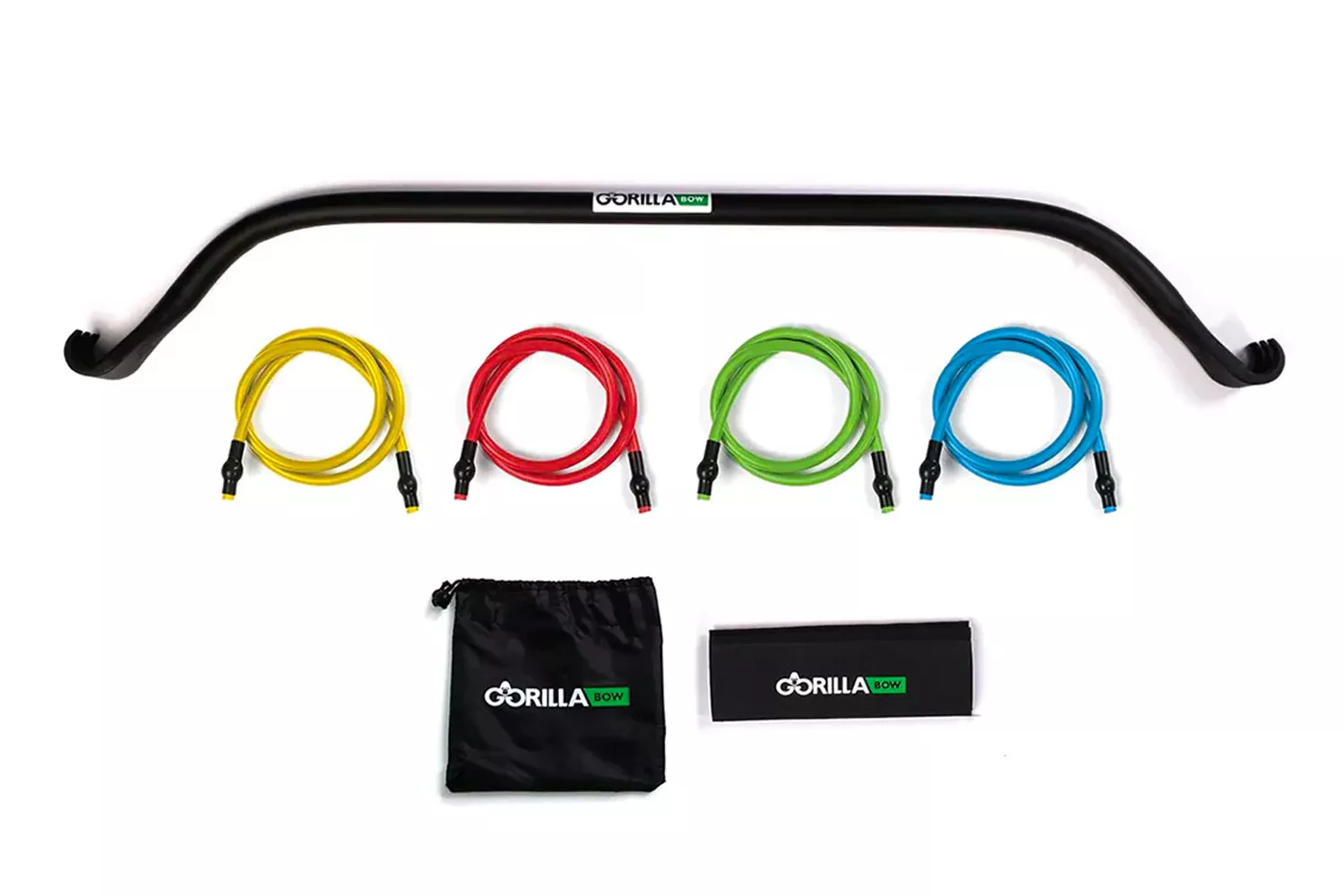
Our team loved the Gorilla Bow for its simplicity. It’s one of the few portable options that actually allows for high-intensity leg training. If you are a fan of traditional barbell movements but don't have the space for a power rack, this is your best bet.
6. Best Portable: BodyBoss 2.0 Full Portable Home Gym
Testing revealed that portable resistance systems like the BodyBoss 2.0 can support over 300 different exercises in a footprint no larger than a standard yoga mat. This system uses a collapsible base and resistance bands to simulate a full gym experience.
Pros
- Fits entirely into a carry-case for travel.
- Extremely versatile; we successfully tested everything from glute bridges to bicep curls.
- The most affordable entry point on this list.
Cons
- Bands provide "variable" resistance (it gets harder as you stretch), which feels different from lifting weights.
- The base can feel slightly narrow for very tall individuals.
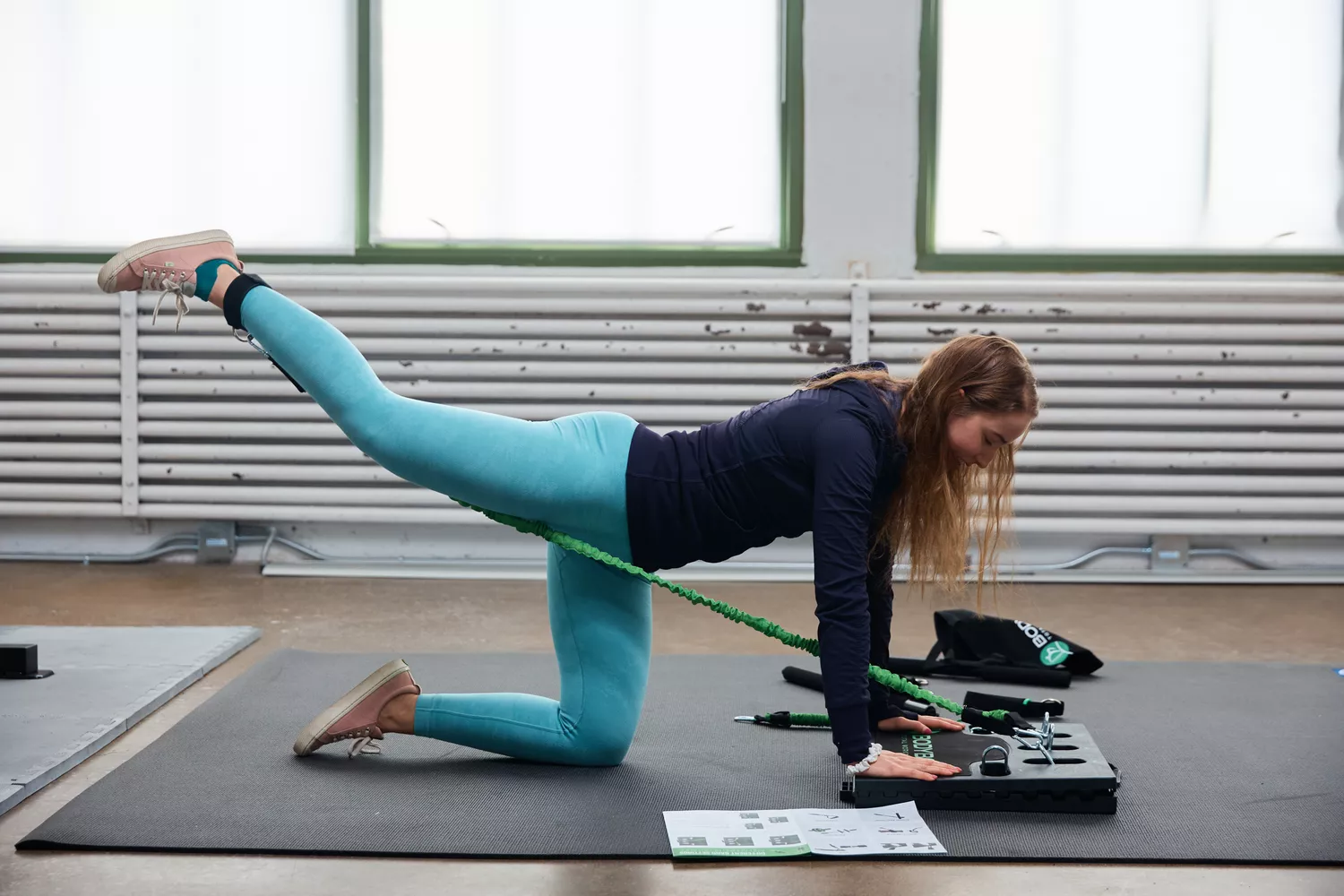
The BodyBoss 2.0 is the perfect solution for the "nomadic athlete." Whether you’re in a hotel room or a small studio apartment, there are no excuses for skipping a session when your entire gym fits in a backpack.
7. Best for Bodybuilding: Force USA G20 Pro All-In-One Trainer
If your goal is maximum hypertrophy and you have the space (and the budget), the Force USA G20 Pro is the ultimate weapon. This is a commercial-grade monster that combines a power rack, a Smith machine, and dual 290-lb cable stacks.
| Spec | Detail |
|---|---|
| Weight Stacks | Dual 290 lbs (1:1 ratio) |
| Attachments | 30 included accessories |
| Build | 11-gauge structured steel |
| Footprint | 75" W x 67" D x 91" H |
Pros
- Commercial Grade: This is the same equipment you’d find in a professional training facility.
- Versatility: Offers over 160 different exercise options out of the box.
- No Compromise: You can perform heavy squats in the rack and immediately move to cable flyes.
Cons
- Extremely large footprint; requires a garage or a dedicated large room.
- Significant financial investment.
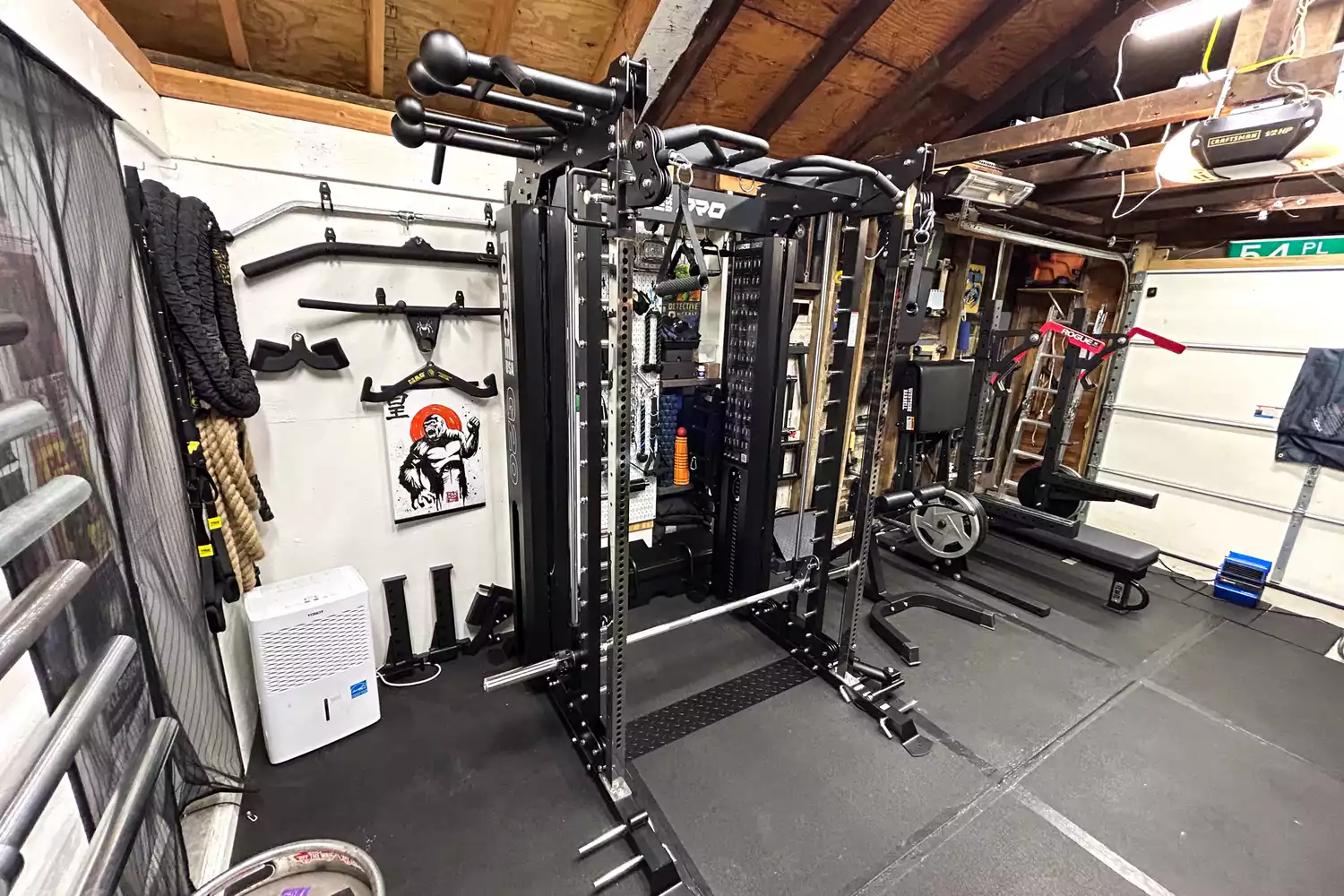
During our "Heavy Day" testing, the G20 Pro was the only machine that felt completely immovable under load. The 1:1 cable ratio means when you set it to 100 lbs, you are actually pulling 100 lbs—unlike many home units that use a 2:1 ratio for easier pulling.
Check Force USA G20 Pro Price →
8. Best for Heavy Lifters: Bowflex SelectTech 1090 Adjustable Dumbbells
Sometimes the best "home gym" isn't a machine at all. For those who prioritize free-weight training, the Bowflex SelectTech 1090s are essential. They replace 17 sets of weights, ranging from 10 to 90 lbs each.
The dial system is incredibly fast, allowing for drop sets and quick transitions during HIIT workouts. The metal plating on the 1090 model makes them feel more durable and "pro" than the lighter 552 version. If you combine these with a solid adjustable bench, you have a setup capable of building serious mass.
9. Best for Cardio & Strength: Ergatta Luxe Rower
Strength isn't everything; metabolic conditioning is the other half of the equation. The Ergatta Luxe Rower is handcrafted from solid cherrywood and uses water resistance to provide a smooth, organic feel.
The 21-inch touchscreen offers game-based workouts rather than traditional classes, which our testers found much more engaging for long-term use. Rowing provides a low-impact, 86% full-body muscle recruitment workout, making it a perfect supplement to a strength-focused home gym.
10. Best Value Power Rack: REP PR-1100 Home Gym Power Rack
For the purist who wants to lift heavy in their garage, the REP PR-1100 is the foundation of any serious gym. It has a 700-lb weight capacity, which is more than enough for 99% of athletes.
What makes the PR-1100 special is the ecosystem. You can start with the rack and eventually add a lat pulldown attachment, a dip station, or a landmine attachment. It’s built from 14-gauge steel and comes with a lifetime warranty, ensuring that your investment literally lasts a lifetime.
What to Look for When Shopping for a Home Gym
Before you click "buy," you need to audit your training style and your environment. Not every "best" gym is the best for you.
- Available Space: This is the biggest dealbreaker. Measure your ceiling height—many power racks and functional trainers are 82 inches or taller. If you're in a basement with low ceilings, look for "short" versions of racks or wall-mounted systems like Tonal.
- Style of Training: Are you a bodybuilder, a functional athlete, or a general fitness enthusiast? Bodybuilders need heavy stacks and Smith machines (Force USA). Functional athletes need cables and versatility (Torque F9). Beginners may prefer guided, smart systems (Tonal, Speediance).
- Resistance Maximums: Don't just look at what you can lift today. Look at what you'll be lifting in two years. A 150-lb stack might seem heavy now, but for compound movements like rows or chest presses, you may outgrow it quickly.
- Tech Requirements: If you choose a smart gym, ensure you have a strong Wi-Fi signal in your gym area. Also, factor the "hidden" monthly subscription costs into your long-term budget.
The Benefits of Trading Your Membership for a Home Gym
The shift to home training isn't just about avoiding a commute; it’s about performance optimization. When you own the equipment, the friction of "going to the gym" disappears. You can train in your preferred temperature, with your preferred music, and without waiting 15 minutes for a squat rack to open up.
From a financial perspective, the ROI is undeniable. The average "high-end" gym membership in major cities costs $150–$200 per month. A $4,000 home gym pays for itself in less than two years. When you factor in the time saved—roughly 3-5 hours a week in commuting and waiting—you’re not just saving money; you’re buying back your life.
Frequently Asked Questions (FAQ)
Q: Do home gyms really work for building muscle? A: Absolutely. Muscle growth is a result of progressive overload and consistency. Whether that resistance comes from a $5,000 functional trainer or a set of $20 bands, your muscles only respond to the tension applied. Our testing shows that high-quality home units provide more than enough resistance to stimulate hypertrophy for even advanced athletes.
Q: Can I install a home gym on a second floor? A: Yes, but weight distribution is key. A 150-lb stack gym is usually fine, but a heavy power rack with 500 lbs of plates requires checking your floor's load-bearing capacity. Smart gyms like Tonal are excellent for upper floors because they provide resistance without adding physical weight.
Q: Is it hard to maintain a home gym? A: Most modern home gyms require very little maintenance. For cable systems, we recommend a light application of silicone spray on the guide rods once every 3-6 months to keep the action smooth. For wood-based rowers, simply checking the water treatment every six months is sufficient.
Conclusion
Building a home gym is the single best investment you can make in your athletic longevity. Whether you choose the sheer versatility of the Torque Fitness F9, the high-tech coaching of Tonal, or the rugged simplicity of a REP Power Rack, you are taking control of your environment.
Stop renting your fitness and start owning it. Choose the system that fits your space, matches your goals, and—most importantly—is one you will actually use. Your future self will thank you for the gains made in the comfort of your own home.