Our Top Picks
- Best Overall: Dexcom G7 – The gold standard for accuracy and features, offering a 12-hour grace period and seamless integration with Apple Watch and insulin pumps.
- Best for Discrete Wear: FreeStyle Libre 3 Plus – The world's smallest sensor (the size of two stacked pennies) that provides data updates 500% more frequently than its competitors.
- Best Over-the-Counter (OTC): Dexcom Stelo – The first FDA-approved CGM for non-insulin users, featuring a 15-day wear time and a simple, prescription-free subscription model.
- Best for Long-Term Use: Eversense 365 – A professional-grade implantable sensor that lasts an entire year, eliminating the need for bi-weekly sensor changes.
Quick Comparison Table
| Feature | Dexcom G7 | FreeStyle Libre 3 | Dexcom Stelo (OTC) |
|---|---|---|---|
| Wear Time | 10 Days (+12hr grace) | 14–15 Days | 15 Days |
| Data Frequency | Every 5 minutes | Every 60 seconds | Every 15 minutes |
| Warm-up Time | ~30 minutes | 60 minutes | ~30 minutes |
| Accuracy (MARD) | 8.2% | 7.9% | Comparable to G7 |
| Transmission Range | 20 feet | 33 feet | 20 feet |
| Prescription Required | Yes | Yes | No |
For years, the only way to peek under the hood of your metabolic health was through a painful fingerstick—a static snapshot of a single moment in time. But in 2024, we’ve entered a new era of preventive care. Continuous Glucose Monitors (CGMs) have transitioned from specialized medical devices for Type 1 diabetics to essential biosensors for anyone serious about longevity, performance, and weight management.
Whether you are managing diabetes or a "biohacker" looking to optimize your morning oatmeal, the market has shifted dramatically. This year is truly the "Year of the CGM," marked by the arrival of the first over-the-counter options and sensors that last longer than ever before. Choosing the right one depends on your specific goals: do you need the minute-by-minute granularity of the FreeStyle Libre 3, or the robust ecosystem and "Direct to Apple Watch" convenience of the Dexcom G7? Let’s dive into the data.
Best Overall: Dexcom G7
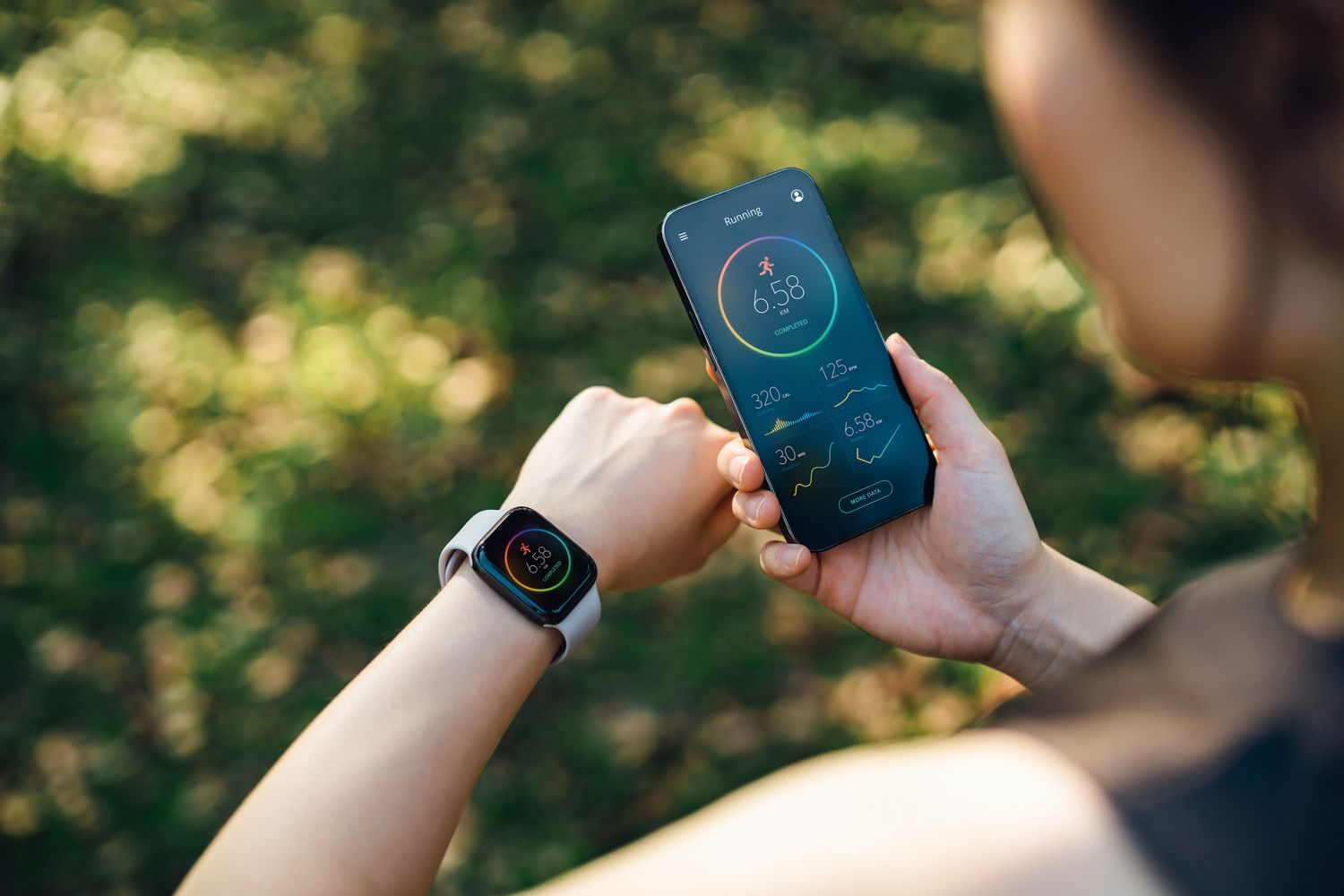
The Dexcom G7 remains the benchmark for wearable glucose technology. It is an all-in-one sensor and transmitter that is significantly smaller than its predecessor, the G6. For the modern man who values data integration, the G7 is a powerhouse. It is the first CGM to offer a "Direct to Apple Watch" feature, meaning you can check your levels during a morning run without needing your phone nearby.
The G7 provides glucose readings every 5 minutes, transmitted directly to your smartphone or receiver. One of its standout features for the busy professional is the 12-hour grace period. While other sensors stop working the second their 10-day window expires, the G7 gives you an extra half-day to swap it out, ensuring you don't lose data during a hectic workday or while you're asleep.
Beyond the hardware, Dexcom’s software ecosystem is incredibly mature. It integrates seamlessly with major Automated Insulin Delivery (AID) pumps and health apps like Apple Health and MyFitnessPal. Its 30-minute warm-up time is the fastest on the market, meaning you're back to tracking your metabolic health almost immediately after a sensor change.
Best for Continuous Updates: FreeStyle Libre 3 Plus
If the Dexcom is the Ferrari of CGMs, the FreeStyle Libre 3 is the sleek, minimalist Tesla. It currently holds the title for the world’s smallest and thinnest sensor—roughly the size of two stacked pennies. It’s so discrete that you’ll likely forget it’s even on your arm.
Technically speaking, the Libre 3 Plus is a data beast. While the Dexcom G7 updates every five minutes, the Libre 3 Plus delivers readings every 60 seconds. This means it provides 500% more frequent data updates than the G7. For those trying to pinpoint exactly how a specific meal or workout impacts their blood sugar, this level of granularity is unmatched.
The Libre 3 also boasts a superior 33-foot transmission range, allowing you to move around your house or gym while leaving your phone on the bench. It also features 14 days of onboard data storage; if you do go out of range, the sensor saves your data and syncs it the moment you reconnect. With a 14 to 15-day wear time, it requires fewer changes per month than the G7, making it a favorite for those who value low-maintenance health tech.
Best Over-the-Counter (OTC): Dexcom Stelo
The biggest story in men's health this year is the FDA approval of over-the-counter CGMs. Leading the charge is the Dexcom Stelo. Designed specifically for Type 2 diabetics who do not use insulin and health-conscious individuals interested in metabolic optimization, Stelo removes the barrier of a doctor's prescription.
Stelo is built on the same reliable hardware as the Dexcom G7 but is optimized for a different user profile. It offers a 15-day sensor life, which is a 50% longer wear time than the flagship G7. At a price point of approximately $89 to $99 per month for a two-pack (one month's supply), it is a cost-effective way to get high-end medical data without the insurance hoops.
For those of us focused on longevity, Stelo is a game-changer. It allows you to visualize how "healthy" choices—like a post-workout smoothie or a weekend mocktail—actually affect your internal chemistry.

Best for Long-Term Use: Eversense 365
For the man who wants the data but hates the "wearable" aspect of tech, the Eversense 365 is the ultimate solution. Unlike the Dexcom or Libre, which are applied to the skin and changed every two weeks, the Eversense is a tiny sensor that a healthcare professional implants just under the skin of your upper arm.
The "365" in the name stands for its lifespan: one sensor lasts a full year. You wear a removable smart transmitter over the site with a daily adhesive patch. This transmitter can be taken off for showers or intense contact sports without wasting a sensor. While it requires a minor in-office procedure, the benefit is 365 days of continuous monitoring with zero "sensor fail" anxiety or bi-weekly applicator waste.
Critical Comparison: Dexcom vs. Libre vs. Stelo
When choosing a CGM, accuracy is measured by MARD (Mean Absolute Relative Difference). The lower the percentage, the more accurate the device. The FreeStyle Libre 3 holds a slight edge with a MARD of ~7.9%, compared to the Dexcom G7’s ~8.2%. In real-world terms, both are exceptionally reliable and far more accurate than early-generation sensors.
Waterproofing is another critical factor for active users. The Dexcom G7 is rated for up to 8 feet of water for 24 hours, making it the better choice for swimmers. The Libre 3 is rated for 3 feet for 30 minutes—perfectly fine for showering and sweat, but less ideal for long pool sessions.
User experience also differs in how alerts are handled. Dexcom is known for its highly customizable alerts, including a "Quiet Mode" and haptic vibrations. The Libre 3 app is more streamlined and focuses on the "Glucose Pattern Insights" to help you identify trends over time.
Buying Guide & Insurance Coverage
Navigating the cost of CGMs can be as complex as the devices themselves.
- Commercial Insurance & Medicare: Most people with Type 1 or insulin-dependent Type 2 diabetes will find these devices covered by insurance. Medicare has also expanded its coverage to include anyone on insulin or those with a history of hypoglycemia.
- The Cash-Pay Route: If you don't have a diabetes diagnosis but want the data for longevity, you'll likely be paying out of pocket. Programs like the "Dexcom Simple Start" or "MyFreeStyle" vouchers can bring the monthly cost down to roughly $75–$90.
- HSA/FSA Eligibility: The good news for the health-conscious is that OTC models like the Dexcom Stelo and Abbott’s upcoming Lingo sensor are typically eligible for HSA and FSA spending. This allows you to use pre-tax dollars to fund your metabolic health tracking.

Expert Conclusion
The "Best" CGM isn't necessarily the one with the most features; it’s the one that fits your lifestyle.
If you want the most advanced integration and don't mind changing a sensor every 10 days, the Dexcom G7 is my top recommendation. If you want a "set it and forget it" device that is virtually invisible under a t-shirt, the FreeStyle Libre 3 Plus wins. And for the health optimizer who wants to bypass the doctor's office entirely, the Dexcom Stelo is a revolutionary entry point into the world of bio-tracking.
Regardless of which you choose, the goal is the same: to move from guesswork to precision. Seeing a massive spike after a "healthy" bowl of brown rice or a late-night snack provides the visceral feedback needed to make lasting changes to your vitality and longevity.
FAQ
Q: Can I wear a CGM while lifting weights or playing contact sports? A: Yes. Both Dexcom and Libre sensors are designed to stay on through intense physical activity. However, for contact sports or heavy sweating, many users prefer to use an "overpatch"—a clear adhesive bandage—to provide an extra layer of security.
Q: Do CGMs hurt to apply? A: Most users describe the sensation as a quick, painless pinch, similar to a small rubber band snap. The applicators are designed to insert a hair-thin filament into the interstitial fluid (not a vein) so quickly that the nerves barely register it.
Q: Do I still need to prick my finger? A: While these devices are factory-calibrated, you should still keep a standard blood glucose meter on hand. If your symptoms don't match your sensor reading (e.g., you feel shaky but the sensor says you're "stable"), a fingerstick is necessary to confirm the data.