Quick Facts
- Top Pick for A1C: Berberine is widely considered the most effective option, often showing results comparable to common pharmaceutical interventions in clinical settings.
- Best Insulin Mimic: Bitter Melon is unique because it contains Polypeptide-p, a plant-based compound that structurally mimics the behavior of insulin.
- Clinical Impact: Clinical research indicates that consistent use of berberine can reduce HbA1c by up to 2.0% in some populations when combined with dietary changes.
- Supportive Minerals: Magnesium and Chromium are essential co-factors that improve the efficiency of insulin receptors on your cell surfaces.
- Dietary Catalyst: Adding 13g of viscous fiber daily to your routine significantly lowers glucose absorption rates in the small intestine.
- Safety Warning: Bitter Melon is a known abortifacient and should be avoided during pregnancy; Berberine can interact with liver enzymes and specific medications.
Berberine and bitter melon are the two best plant based glucose support supplements for those looking to manage insulin resistance. While Berberine activates the AMPK pathway to improve sensitivity, Bitter Melon acts as a natural insulin mimetic. Both are highly effective supplements to lower blood sugar naturally when paired with lifestyle changes.
Berberine: The Metabolic Master Switch
In the world of clinical nutrition, berberine has emerged as a heavy hitter for metabolic health. Derived from plants like goldenseal and barberry, this alkaloid works through a mechanism often described as a metabolic master switch. Specifically, it activates an enzyme inside your cells called Adenosine Monophosphate-activated Protein Kinase (AMPK). When AMPK is turned on, it tells your cells to stop storing fat and start burning it for energy, while simultaneously making your cells more receptive to insulin.
The evidence backing this is robust. A meta-analysis of 37 studies involving 3,048 patients found that berberine significantly reduced fasting plasma glucose by 0.82 mmol/L and HbA1c by 0.63% in individuals with type 2 diabetes. This makes it one of the best supplements to lower a1c currently available over the counter. Because it addresses both glucose and lipid metabolism, many practitioners also view it as one of the best supplements to lower blood sugar and cholesterol at the same time.
From a practical perspective, berberine is best taken in divided doses. Because it has a short half-life, a standard protocol is usually 500mg taken three times a day, ideally about 30 minutes before your largest meals. This helps manage the glucose load from your food more effectively. However, users should be aware of potential gastrointestinal side effects like cramping or diarrhea, which can often be mitigated by starting with a lower dose and graduating slowly.
Bitter Melon: Nature’s Insulin Mimic
While berberine focuses on cellular sensitivity, bitter melon (Momordica charantia) takes a different approach to glycemic control. This green, bumpy fruit contains several active substances with anti-diabetic properties. The most notable are charantin, vicine, and a protein known as Polypeptide-p. Polypeptide-p is particularly fascinating to researchers because it acts similarly to insulin, helping to move glucose out of the bloodstream and into the liver and muscles for storage or energy use.
The clinical data for bitter melon is somewhat more varied than that of berberine. A meta-analysis of 25 randomized controlled trials involving over 2,300 adults showed that bitter melon improved glycemic control markers with small to moderate effect sizes, though the researchers noted that the certainty of evidence was relatively low. In contrast, another meta-analysis of nine randomized clinical trials failed to show a significant effect over placebo on fasting blood glucose levels, with a mean difference of only -0.03 mmol/L.
Despite these mixed clinical trials, bitter melon remains a cornerstone of Traditional Chinese Medicine and is frequently recommended as one of the best supplements to control blood sugar for those who experience significant postprandial glucose spikes. It appears to be particularly helpful in supporting pancreatic beta cells, which are responsible for producing your body's natural insulin. When looking at berberine vs bitter melon for blood sugar, bitter melon is often the choice for those who prefer a whole-food-based extract that mimics the body's natural hormones.
Comparison: Berberine vs. Bitter Melon for Blood Sugar
Choosing between these two powerhouses depends largely on your specific metabolic profile and health goals. If you are dealing with significant insulin resistance or looking for natural supplements to lower a1c for prediabetes, berberine’s ability to activate AMPK usually makes it the more potent choice. If your primary concern is managing the immediate rise in sugar after a meal, the insulin-mimetic properties of bitter melon might be more suitable.
| Feature | Berberine | Bitter Melon |
|---|---|---|
| Primary Mechanism | AMPK Activation | Insulin Mimicry (Polypeptide-p) |
| Potency for A1C | High (comparable to some meds) | Moderate to Low |
| Weight Management | Strong (via lipid metabolism) | Moderate |
| Traditional Use | Ayurvedic/Chinese Medicine | Tropical/Asian Folk Medicine |
| Typical Dosage | 500mg, 3 times daily | 500mg to 2,000mg daily |
| Side Effects | GI upset, constipation | GI upset, hypoglycemic risk |
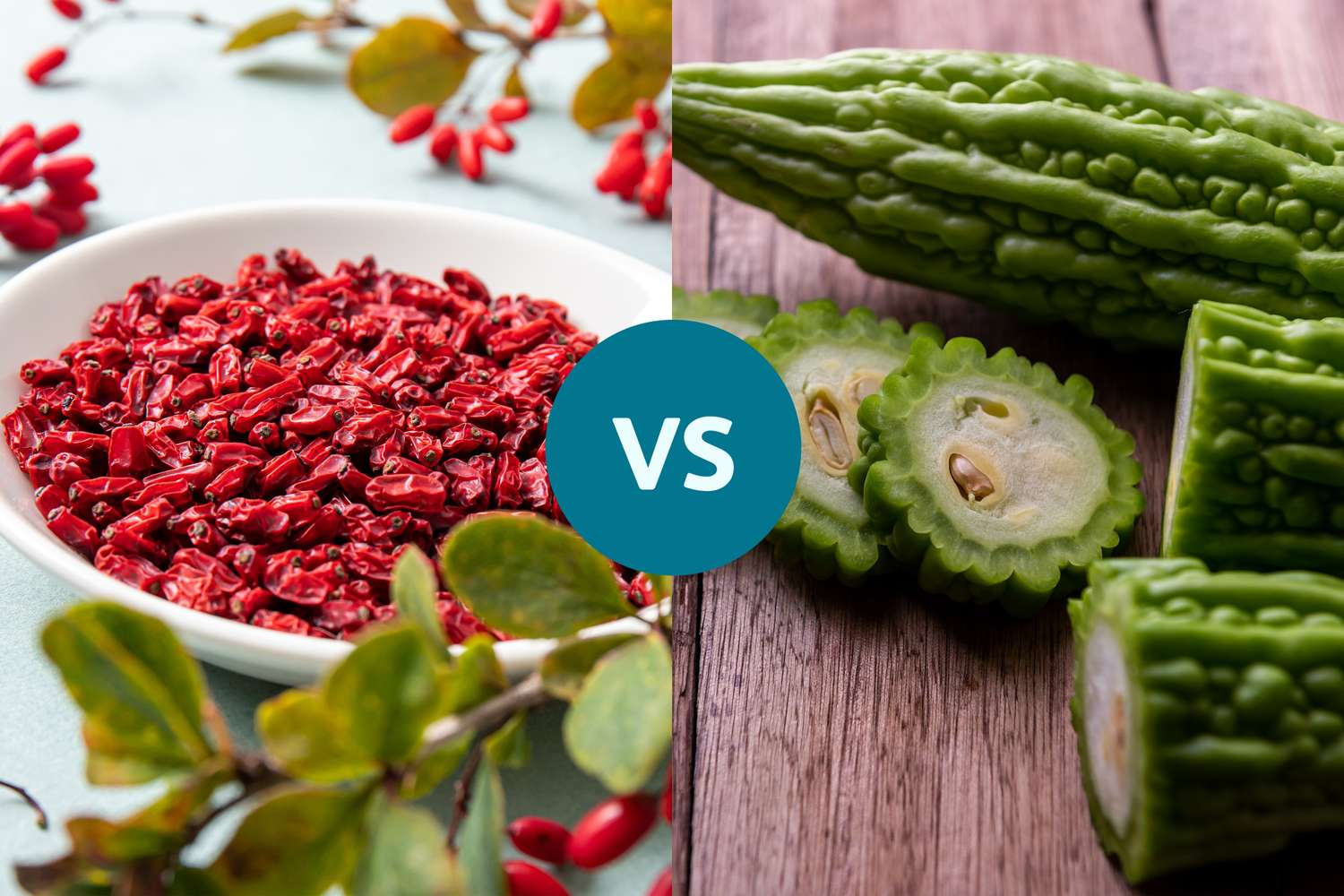
When evaluating berberine vs bitter melon for blood sugar, consider that they can occasionally be used together, but this should only be done under the supervision of a healthcare provider. Combining two potent glucose-lowering agents increases the risk of hypoglycemia (dangerously low blood sugar). For most people, starting with one and monitoring your fasting blood sugar and A1C over a three-month period is the best way to determine efficacy.
Beyond the Big Two: Essential Minerals and Fiber
While botanicals often get the most attention, basic minerals play a non-negotiable role in metabolic health. Without adequate levels of certain elements, your body cannot use insulin effectively, regardless of what other supplements you take. This is why the best chromium and magnesium supplements for insulin sensitivity are often recommended as a foundation for any glucose management plan.
- Magnesium: This mineral is involved in over 300 biochemical reactions, including the binding of insulin to its receptors. Low magnesium levels are common in those with metabolic syndrome and can make insulin resistance worse.
- Chromium: Chromium picolinate is frequently cited as one of the best supplements to control blood sugar because it enhances the action of insulin. It essentially helps the "key" (insulin) turn the "lock" (the cell receptor) more easily.
- Zinc: Zinc is essential for the synthesis, storage, and secretion of insulin. It also provides antioxidant protection to the pancreatic beta cells, which are often under oxidative stress in people with high blood sugar.
- Viscous Fiber: Supplements like psyllium husk or glucomannan are incredibly effective at slowing down the digestion of carbohydrates. By creating a thick gel in the stomach, they ensure that glucose enters the bloodstream at a slow, steady pace rather than all at once.
Incorporating these minerals alongside your choice of berberine or bitter melon can create a synergistic effect. For example, chromium helps the insulin you have work better, while berberine helps your cells respond to that insulin more vigorously.
Safety, Quality, and Side Effects
As with any therapeutic intervention, safety is the priority. Natural does not always mean harmless, and supplements to lower blood sugar naturally can have powerful effects on your physiology. Berberine, for instance, is known to inhibit certain cytochrome P450 enzymes in the liver. This means it can change how your body processes other medications, potentially leading to higher-than-intended levels of those drugs in your system.
Bitter melon also carries specific risks. It contains compounds that can induce uterine contractions, making it strictly contraindicated for pregnant women. Additionally, because it is so effective at mimicking insulin, taking it alongside prescribed diabetic medications like glyburide or insulin can lead to severe hypoglycemia.
To ensure you are getting a safe and effective product, always look for third-party testing seals from organizations like USP (U.S. Pharmacopeia) or NSF International. These certifications verify that what is on the label is actually in the bottle and that the product is free from contaminants like heavy metals or pesticides. Managing the safety and side effects of natural blood sugar supplements is much easier when you start with high-quality, verified ingredients.
FAQ
What lowers A1C quickly?
Lowering A1C is a marathon, not a sprint, as it reflects your average blood sugar over the past three months. However, the most effective natural way to see a downward trend is combining berberine with a low-carbohydrate diet and daily resistance training. Berberine helps address the underlying insulin resistance while exercise pulls glucose into the muscles without needing extra insulin.
What mineral flushes out sugar?
No mineral technically flushes sugar out of the body in the way water flushes toxins, but magnesium and chromium are the most vital for sugar metabolism. Magnesium helps the cells utilize glucose for energy, while chromium improves insulin sensitivity. Additionally, staying well-hydrated helps the kidneys excrete excess glucose through urine when levels are elevated.
What supplements should type 2 diabetics avoid?
Those with type 2 diabetes should be cautious with high doses of Vitamin B3 (Niacin), as it can actually increase blood glucose levels in some individuals. You should also avoid any supplements with hidden sugars or maltodextrin. Always consult your doctor before starting any new regimen, especially if you are already on glucose-lowering medication, to avoid dangerous interactions.
What can naturally bring blood sugar down quickly?
For a quick reduction in post-meal glucose, a brisk 15-minute walk is one of the most effective tools. Nutritionally, apple cider vinegar diluted in water before a meal has been shown to improve insulin sensitivity and lower the subsequent glucose spike. Soluble fiber supplements like glucomannan can also slow absorption if taken immediately before eating.
What do Chinese take for diabetes?
In Traditional Chinese Medicine, bitter melon and berberine (often sourced from the herb Coptis chinensis) are the primary go-to remedies. Other common inclusions are Astragalus, which is thought to support energy and immune function, and American Ginseng, which some studies suggest can help lower post-meal blood sugar levels.
What's the #1 vitamin for high blood sugar?
While not technically a vitamin, many experts consider Vitamin D to be the most critical for metabolic health. Low Vitamin D levels are strongly linked to insulin resistance and an increased risk of type 2 diabetes. Among the actual B-vitamins, Biotin (B7) is often used in combination with chromium to support the enzymes involved in glucose metabolism.