For decades, the post-workout ritual has looked the same: a plastic shaker bottle, two scoops of vanilla or chocolate powder, and a thick, milky liquid that feels more like a dessert than a recovery tool. While traditional whey protein remains the "gold standard" of sports nutrition, a new contender has emerged that is fundamentally changing how we think about supplementation.
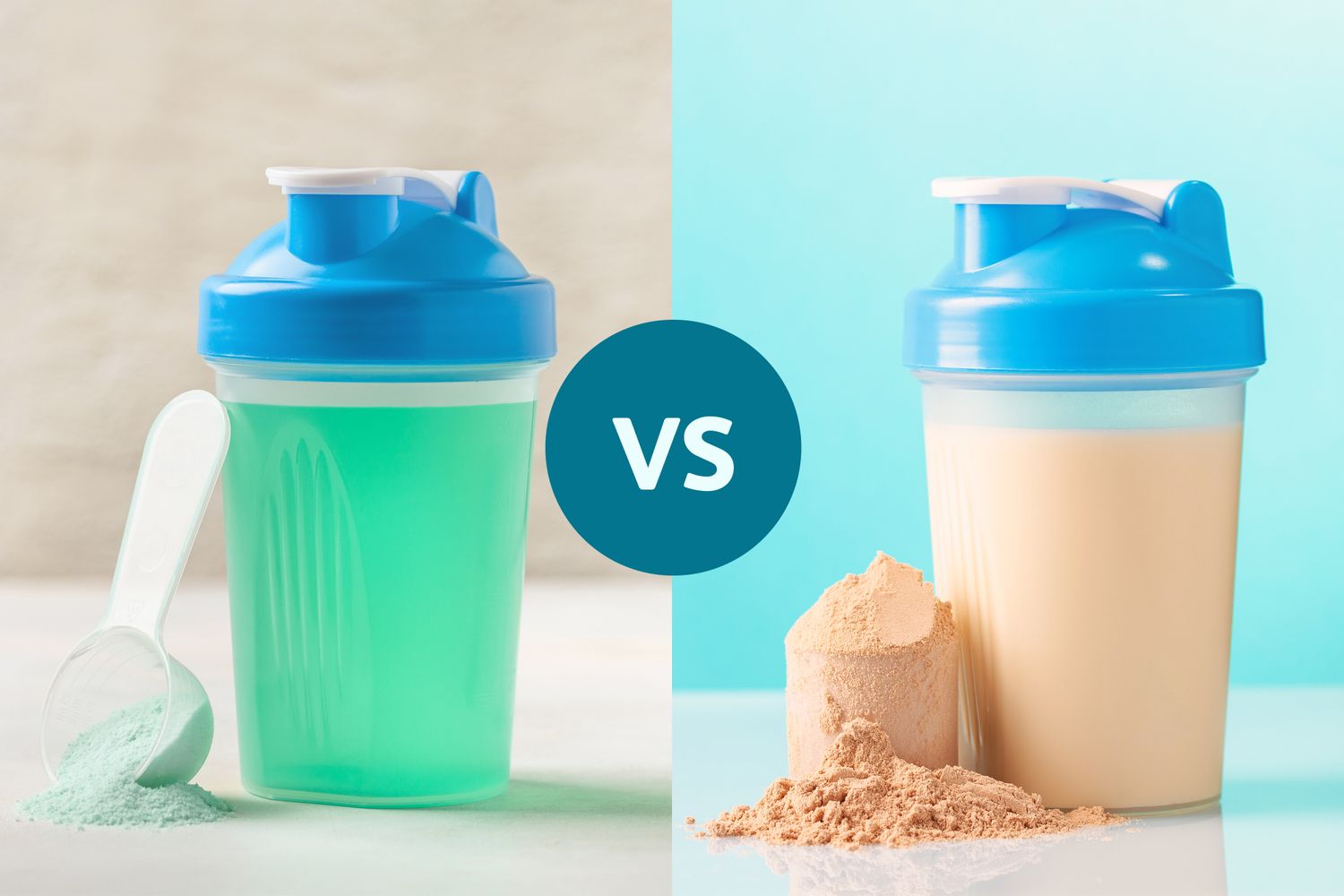
Clear whey protein isolate is often described as the "sleek, modern cousin" of the traditional protein shake. Instead of the opaque, creamy consistency of a milkshake, clear whey looks and tastes like a refreshing fruit juice or sports drink. But is this just a marketing gimmick, or is there a genuine nutritional advantage to making the switch? As we navigate the supplement landscape of 2024, understanding the nuances of filtration, absorption, and digestibility is essential for optimizing your fitness results.
What Exactly is Clear Whey Protein?
To understand the difference, we have to look at the processing. Both traditional whey and clear whey start at the same source: liquid whey, a byproduct of the cheesemaking process. However, clear whey protein is a highly filtered isolate that undergoes a specific acidification process. By lowering the pH level of the protein, manufacturers are able to keep the protein soluble and transparent even when mixed with water.
The result is a product that offers a light, juice-like texture and significantly faster absorption. While traditional whey concentrate is often a blend of protein, fats, and lactose, clear whey is a purified isolate. This means the "heavy milk parts" have been stripped away, leaving behind a translucent liquid that is virtually free of the "dairy" aftertaste many athletes find unappealing after a high-intensity session.
Emily’s Insight: Think of clear whey as the "espresso" of the protein world—highly concentrated, stripped of excess "fillers" like fats and lactose, and designed for rapid delivery. Traditional whey is more like a "latte"—delicious and satiating, but containing more complex components that take longer for your body to break down.
Nutritional Deep Dive: Purity and Absorption
When we look at the data, the differences between these two powerhouses become stark. One of the most critical metrics in sports nutrition is protein purity—the percentage of the powder that is actually usable protein versus carbohydrates, fats, and minerals.
Traditional whey protein concentrate typically features a protein purity level between 70% and 80%. The remaining 20% to 30% consists of milk sugars (lactose), milk fats, and various minerals. In contrast, clear whey isolate typically features a protein purity level of over 90%. Because it has been refined through cross-flow microfiltration, nearly all the non-protein components are removed.
This purity directly impacts absorption rates. Because clear whey is acidified and hydrolyzed, it bypasses some of the heavier digestive requirements of standard concentrate. This allows for a rapid delivery of branched-chain amino acids (BCAAs), particularly leucine, to the muscles. For post-workout recovery, clear whey isolate is often superior due to this purity exceeding 90%, allowing for rapid amino acid delivery to muscles during the critical "anabolic window."
Market analysis reflects this shift in consumer demand. There has been a recorded 35% year-over-year increase in consumer preference for light, refreshing protein beverages over traditional milky shakes, particularly during peak summer training months when heavy dairy drinks can feel burdensome on the digestive system.
Head-to-Head Comparison: Clear Whey Isolate vs. Traditional Whey
Choosing between these two depends largely on your sensory preferences and your specific macronutrient goals.
| Feature | Clear Whey Isolate | Traditional Whey Concentrate |
|---|---|---|
| Texture | Thin, juice-like, translucent | Thick, creamy, opaque |
| Protein Content | 90% + | 70% - 80% |
| Lactose Content | Trace to zero | 2% - 5% |
| Flavors | Fruit, Citrus, Berry | Chocolate, Vanilla, Cookies & Cream |
| Fat/Carbs | Near zero | 2g - 5g per serving |
| Best For | Post-workout, Hot weather, Lean cutting | Meal replacement, Baking, Bulking |
Flavor Profiles and Mixability The most immediate difference is the flavor. Traditional whey thrives in "dessert" categories—think peanut butter chocolate or salted caramel. These flavors work well with the natural creaminess of the milk solids. Clear whey, however, excels in "refreshment" categories like Blue Raspberry, Lemon-Lime, or Tropical Pineapple.
One thing to note with clear whey is the foam factor. Because of the high protein purity and the acidification, clear whey tends to foam aggressively when shaken.
Pro Tip: When mixing clear whey, shake it vigorously and then let the bottle sit for about 60 seconds. You will see the foam dissipate, leaving a crystal-clear, juice-like beverage. Don't try to drink the foam—the wait is worth the clarity.
Digestion & Dietary Suitability
For many of my readers, the choice isn't just about taste; it's about how their gut reacts. Lactose intolerance is incredibly common, and even those who aren't clinically "intolerant" often find that large amounts of dairy-based protein can lead to bloating or sluggishness.
If you are lactose sensitive, clear whey isolate is typically the better choice. The intensive filtration process removes significantly more lactose and milk solids than standard whey concentrate. By the time the protein reaches the "clear" stage, the carbohydrate count is often less than 1 gram per serving, making it a dream for those on Keto or low-carb protocols.
Furthermore, because clear whey is "lighter," it doesn't trigger the same level of satiety as a traditional shake. While this might sound like a downside, it’s actually a benefit for athletes who have high caloric requirements but struggle with a suppressed appetite after training. You can get 25 grams of high-quality protein into your system without feeling "stuffed," allowing you to eat a whole-food meal shortly thereafter.
User Experience: When to Drink Which?
In my practice as a nutrition editor, I rarely tell clients they must choose one and stick to it forever. Instead, I recommend "supplement cycling" based on the environment and the goal.
When to reach for Clear Whey:
- Post-Workout Hydration: On a hot day after a heavy lifting session, a citrus-flavored clear whey can provide protein while also feeling like a thirst-quencher.
- Lean Muscle Maintenance: If you are "cutting" or in a calorie deficit, the near-zero fat and carb profile of clear whey allows you to hit your protein targets with maximum efficiency.
- Culinary Creativity: Clear whey is fantastic for making protein-packed "mocktails," fruit slushies, or even protein-infused gelatin snacks.
When to stick with Traditional Whey:
- Meal Replacement: If you are using a shake to replace breakfast, the fats and carbohydrates in traditional whey provide more sustained energy and a feeling of fullness.
- Baking: Clear whey does not bake well. If you are making "proats" (protein oats) or protein pancakes, the milk solids in traditional whey provide the necessary structure and creamy flavor.
- Budget Considerations: Because of the extra filtration steps, clear whey is almost always more expensive per serving than traditional concentrate. If you have a cast-iron stomach and are on a budget, traditional whey is still a highly effective muscle builder.
Final Verdict: Choosing Your Champion in 2024
The "winner" of the Clear vs. Traditional debate depends entirely on your lifestyle.
Clear Whey Isolate is the winner for the modern, health-conscious athlete who prioritizes digestion and wants a refreshing alternative to heavy shakes. It is the gold standard for those with lactose sensitivity and those training in warm climates.
Traditional Whey remains the champion for the "hard gainer," the budget-conscious athlete, and anyone who views their protein shake as a reward for a hard workout.
In 2024, the trend is moving toward transparency—both in labeling and in the literal appearance of the supplement. Clear whey represents a significant leap in food technology, proving that we no longer have to sacrifice "gut comfort" for "muscle growth."
FAQ
Does clear whey have the same amino acid profile as traditional whey? Yes. Since both are derived from dairy whey, they contain a full spectrum of essential amino acids (EAAs), including the branched-chain amino acids (BCAAs) necessary for muscle protein synthesis. Clear whey is simply a more "refined" version of that same profile.
Why does clear whey foam so much when shaken? Foaming is a natural characteristic of high-purity protein isolates when they are acidified. The lack of fats and stabilizers (which usually suppress foam in traditional shakes) means the protein molecules react more vigorously with air. Simply let it settle for a minute after shaking.
Can I mix clear whey with milk? Technically, yes, but I wouldn't recommend it. The acidic nature of clear whey is designed to pair with water to create a juice-like consistency. Mixing it with milk can cause the milk to curdle and will result in a very strange flavor profile. Stick to cold water for the best experience.
Conclusion
Whether you choose the refreshing, juice-like experience of Clear Whey Isolate or the classic, comforting creaminess of Traditional Whey, the most important factor is consistency. Protein is the building block of recovery, and in 2024, we finally have enough options to ensure that every athlete can find a formula that fits their palate and their digestive needs. If you've been struggling with bloating or are simply tired of chocolate shakes, it’s time to see things clearly.