Quick Facts
- Primary Metrics: Modern wearables focus on resting heart rate, heart rate variability (HRV), blood oxygen saturation (SpO2), VO2 max, and ECG.
- Aging Trends: Heart rate variability (HRV) typically declines from 80ms in youth to 25ms by age 75.
- Clinical Utility: Features like atrial fibrillation (AFib) detection provide proactive alerts for preventative wellness.
- Top 2026 Devices: The Apple Watch Series 11 and Samsung Galaxy Watch 8 lead in sensor accuracy and longevity features.
- Accuracy Benchmark: While wrist-based sensors have improved, the Polar H10 chest strap remains the gold standard for high-intensity training.
- Longevity Focus: Monitoring aerobic capacity (VO2 max) is now considered a primary indicator of biological age and mortality risk.
As we age, monitoring cardiovascular health shifts from optional to essential. Modern fitness trackers have evolved into sophisticated clinical companions, offering insights into metrics that once required hospital-grade equipment. Modern fitness trackers monitor five essential heart metrics: resting heart rate, heart rate variability (HRV), blood oxygen saturation (SpO2), aerobic capacity (VO2 max), and electrocardiogram (ECG) data. These biometrics provide a comprehensive view of cardiovascular efficiency and recovery, helping users identify early signs of potential health issues as they age.
1. Resting Heart Rate (RHR): Your Daily Health Baseline
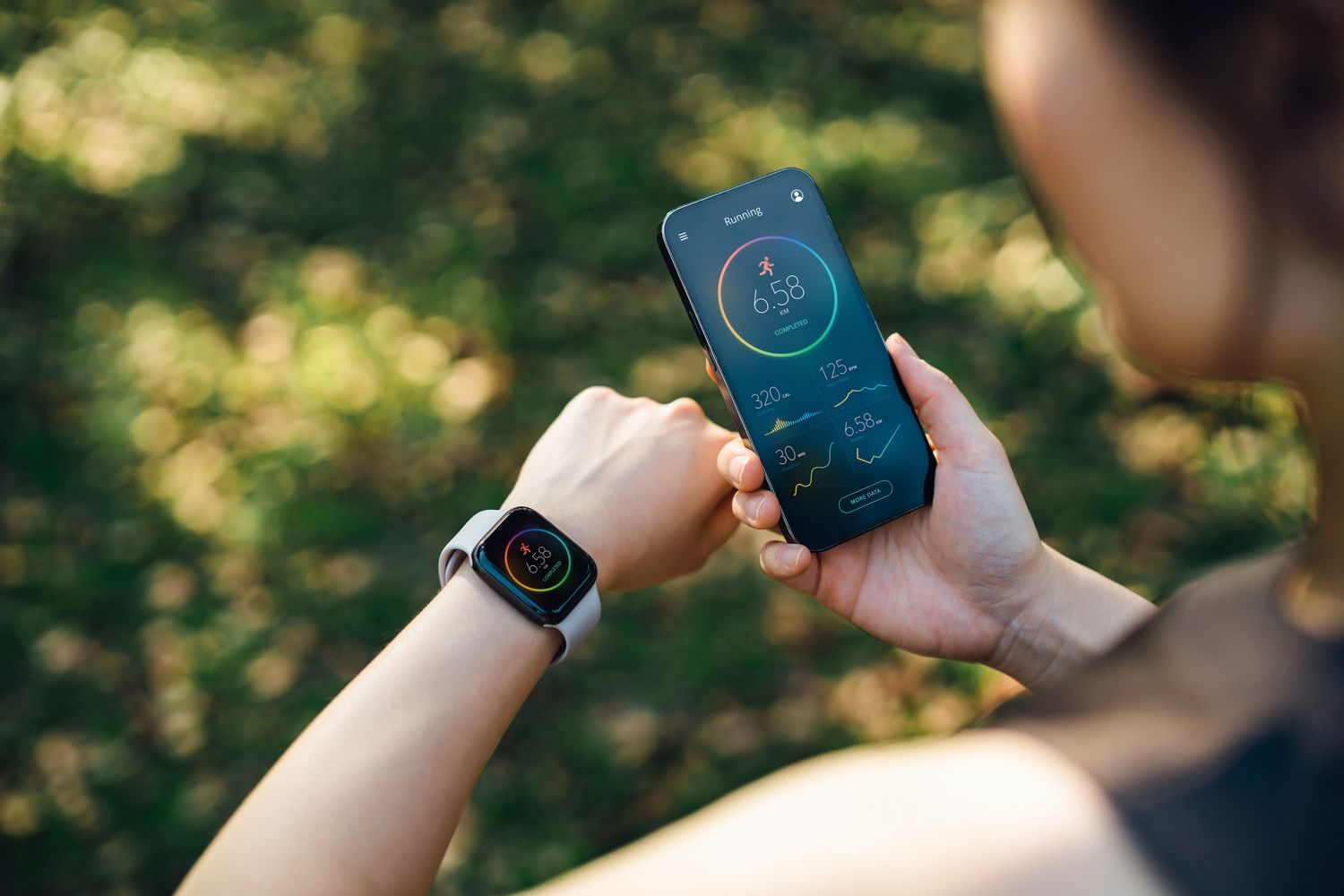
For the aging man, resting heart rate is perhaps the most fundamental metric for tracking cardiovascular health. It represents the number of times your heart beats per minute while you are at rest and relaxed. In my experience as an editor focusing on longevity, I have seen how RHR serves as an early warning system for the body. A consistent, low RHR typically indicates efficient heart function and good cardiovascular fitness.
However, as we age, our baseline can shift. While a normal RHR for adults ranges from 60 to 100 beats per minute, many athletes and healthy aging individuals see numbers in the 40s or 50s. What matters most is the trend. Fitness trackers allow you to monitor these trends over months and years. A sudden, sustained spike in your RHR—perhaps an increase of 8 to 10 beats per minute over several days—can be an early indicator of systemic stress, impending illness, or even overtraining.
In the context of geriatric health monitoring, keeping a close eye on RHR via a fitness tracker watch can help identify when the body is struggling to recover. If you notice your resting heart rate climbing while your activity level remains the same, it is a signal to prioritize sleep and perhaps consult a professional to rule out underlying issues like thyroid dysfunction or early-stage cardiovascular decline.
2. Heart Rate Variability (HRV): Tracking Autonomic Resilience
Heart rate variability is a critical metric tracked by wearables that measures the variation in time between consecutive heartbeats. Contrary to what many believe, a healthy heart does not beat like a metronome; it has slight irregularities in the timing between beats. This variation is regulated by the autonomic nervous system, which manages our "fight or flight" (sympathetic) and "rest and digest" (parasympathetic) responses.
For aging individuals, consistent HRV monitoring offers insights into the autonomic nervous system's balance, indicating stress levels, sleep quality, and the body's overall readiness for physical activity. High HRV generally suggests that your body is resilient and can switch easily between states of stress and recovery. Conversely, a low HRV can indicate that your nervous system is stuck in a stressed state.
It is important to understand the biological reality of aging here. Research indicates that heart rate variability (HRV) measurements significantly decrease as part of the normal aging process, often dropping from an average of 80 milliseconds in adolescence to approximately 25 milliseconds by age 75. Because of this natural decline, you should not compare your HRV to a 20-year-old’s data. Instead, focus on your personal baseline. Using fitness trackers with sleep and heart rate monitoring allows you to see how your HRV recovers overnight, which is the gold standard for assessing your biological readiness for the day ahead.
Expert Tip: Do not panic over a single night of low HRV. Look for a downward trend over seven days. If your HRV is consistently below your monthly average, it is time to scale back on high-intensity exercise and focus on restorative practices like zone 2 walking or meditation.
3. ECG & Rhythm Analysis: Stroke Prevention and AFib Alerts
One of the most significant leaps in wearable health and fitness trackers is the inclusion of electrocardiogram (ECG) functionality. Advanced fitness trackers utilize photoplethysmography sensors and dedicated ECG apps to monitor heart rhythms for irregularities. While photoplethysmography sensors use light to measure blood flow volume, the ECG feature uses electrical sensors to record the timing and strength of the electrical signals that make your heart beat.
The primary goal of this technology in a fitness tracker watch for aging heart health is the detection of atrial fibrillation. AFib is an irregular and often rapid heart rate that can lead to blood clots, stroke, and heart failure. As we move into 2026, many of the best fitness trackers for seniors 2026 come equipped with FDA-cleared notifications that can alert you if an irregular rhythm is detected in the background.
By analyzing the timing between heartbeats, these wearables can detect signs of atrial fibrillation, providing users with proactive alerts to consult healthcare professionals for preventative wellness. If your device flags an irregular rhythm, you can often generate a PDF of the ECG trace to share directly with your cardiologist. This democratizes geriatric health monitoring, moving it from the clinic into the palm of your hand.
4. Blood Oxygen Saturation (SpO2) and Respiratory Efficiency
Blood oxygen saturation, often abbreviated as SpO2, measures the percentage of hemoglobin in your blood that is carrying oxygen. For most healthy individuals, a reading between 95% and 100% is normal. Modern fitness trackers use red and infrared light sensors to estimate these levels through the skin.
While SpO2 was once a niche metric, it has become essential for preventative wellness. In the context of aging, blood oxygen saturation monitoring is particularly useful for identifying potential respiratory issues or sleep apnea. If your tracker shows frequent "oxygen desaturations" during the night—where levels dip below 90%—it may indicate that your breathing is being interrupted.
Chronic low oxygen levels can put significant strain on the heart, leading to hypertension and other cardiovascular health issues. Using a fitness tracker watch with robust SpO2 sensors allows for longitudinal chronic disease management. While these are not medical-grade pulse oximeters, the ability to track overnight trends provides a layer of safety that was previously unavailable to the general public.
5. Aerobic Capacity (VO2 Max) and Vascular Load
Aerobic capacity, or VO2 max, measures the maximum amount of oxygen your body can utilize during intense exercise. It is widely considered the single best indicator of cardiorespiratory fitness and a powerful predictor of long-term longevity. Essentially, a higher VO2 max means your heart and lungs can more efficiently deliver oxygen to your muscles.
As we age, aerobic capacity naturally declines. However, by using the most accurate fitness tracker available, you can monitor this decline and take active steps to slow it. Many 2026 models are now incorporating advanced biometrics like Samsung’s "Vascular Load" or specialized "Biological Age" scores that translate your VO2 max into a number that is easier to understand.
Maintaining a high VO2 max as you age is not about running marathons; it is about ensuring your "engine" is strong enough to support an active, independent lifestyle. Fitness trackers calculate this metric by analyzing your heart rate and pace during outdoor walks or runs. Even a modest improvement in this score can significantly lower your risk of all-cause mortality.
| Feature | Apple Watch Series 11 | Samsung Galaxy Watch 8 | Fitbit Sense 3 |
|---|---|---|---|
| ECG Accuracy | High (FDA-Cleared) | High (FDA-Cleared) | High (FDA-Cleared) |
| Battery Life | 18-36 Hours | 40-80 Hours | 6+ Days |
| Primary Focus | Ecosystem Integration | Advanced Bio-Metrics | Sleep & Stress |
| Price Point | $$$ | $$ | $$ |
| Heart Health Alerts | AFib, High/Low HR | AFib, Vascular Load | AFib, HRV Trends |
Reliability Check: Benchmarking Against Gold Standards
While wearable health and fitness trackers are more advanced than ever, it is important to understand their limitations. Wrist-based heart rate monitoring relies on optical sensors, which can sometimes struggle with accuracy during high-intensity interval training or when the skin is cold.
If you are looking for the most accurate fitness tracker for heart rate during vigorous exercise, I always recommend pairing your watch with a chest strap like the Polar H10. Chest straps use electrical sensors (similar to a clinical ECG) and are far less susceptible to "noise" from arm movements.
For day-to-day monitoring, however, the convenience of a fitness tracker watch outweighs the slight decrease in precision. The value lies in the 24/7 data collection. A single perfect data point from a clinic is less useful than thousands of "good enough" data points collected while you sleep, work, and exercise.
Expert Tip: To ensure the best readings from your fitness trackers, wear the band about one finger-breadth above your wrist bone. It should be snug but not so tight that it restricts blood flow. Clean the sensor regularly to remove sweat and oils that can interfere with the light signals.
FAQ
Can fitness trackers detect heart problems?
While they are not diagnostic tools, many modern trackers can identify irregularities such as atrial fibrillation or unusual spikes in resting heart rate. These alerts serve as a prompt for you to seek professional medical advice and should never replace a clinical diagnosis.
Do fitness trackers monitor sleep quality?
Yes, most high-end wearables use a combination of heart rate, HRV, and movement data to estimate your sleep stages, including deep, light, and REM sleep. This provides a comprehensive look at how your cardiovascular system recovers during the night.
Are fitness trackers worth the money?
For individuals focused on longevity and preventative wellness, the data provided by these devices is invaluable. They offer a level of self-awareness regarding stress, activity, and heart health that can lead to significant positive lifestyle changes.
What are the best features to look for in a fitness tracker?
When prioritizing heart health, look for a device with an FDA-cleared ECG app, consistent HRV tracking, and reliable SpO2 sensors. Long battery life is also a plus, as it ensures the device stays on your wrist overnight for sleep monitoring.
How accurate are fitness trackers for counting steps?
Most modern trackers are highly accurate for step counting during continuous walking. However, they can occasionally miscount steps during stationary activities involving arm movement or fail to register steps when you are pushing a stroller or grocery cart.